
Aerial night photography with drones can produce breathtaking images that showcase the vibrancy of illuminated landscapes and cityscapes. To achieve these stunning results, it is essential to grasp both the technical aspects of drone operation and the nuances of night photography. This guide will equip you with the necessary tips and techniques to effectively utilize drones for capturing mesmerizing night shots, ensuring you can create images that resonate with beauty and artistry.
Understanding Drone Capabilities
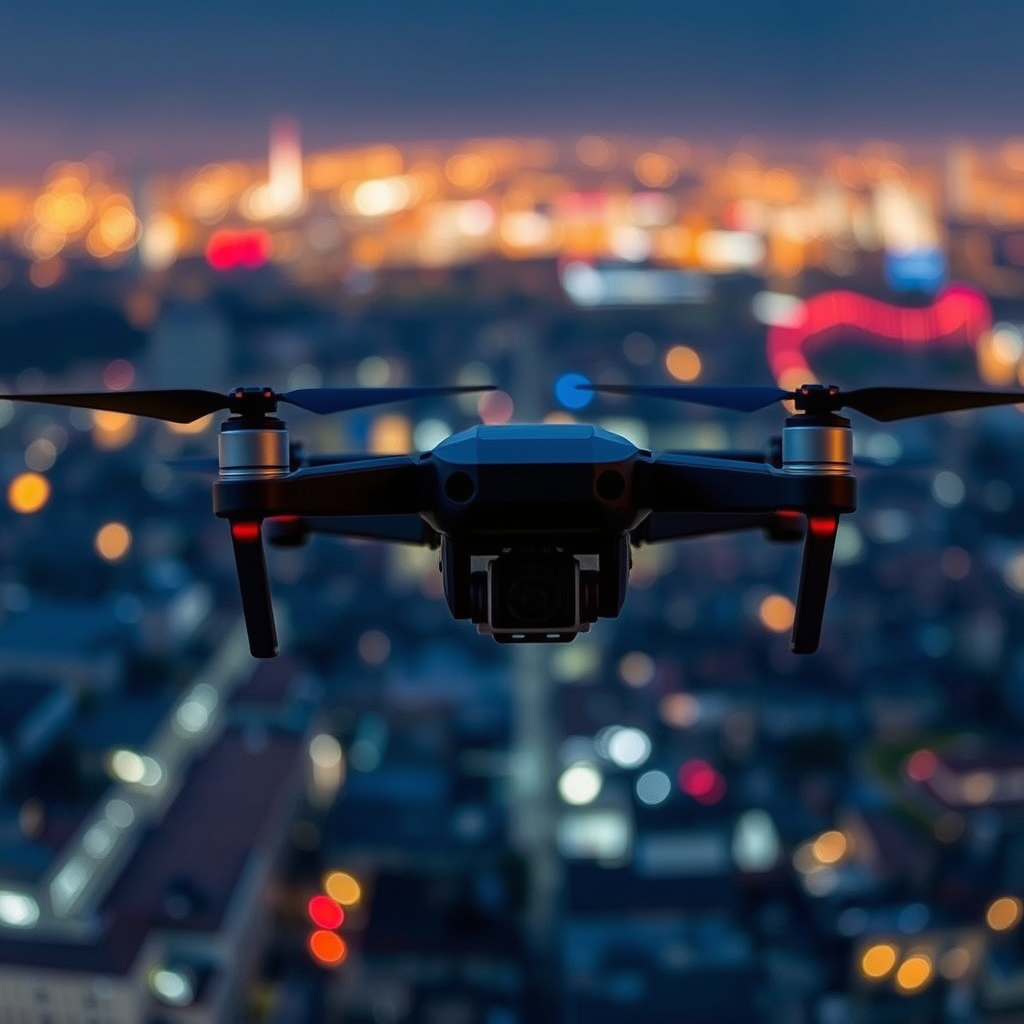
When venturing into aerial night photography, recognizing the capabilities of your drone is paramount. Drones equipped with low-light cameras are specifically designed to perform well in dim lighting conditions. These cameras often feature larger sensors, which allow for better image quality in low-light environments. Additionally, understanding the relationship between ISO settings and exposure times is crucial; higher ISO settings can enhance sensitivity to light, but they may also introduce noise, which can degrade image quality. Striking the right balance is fundamental for achieving clear and vivid night photographs.
For example, a drone such as the DJI Mavic 2 Pro is equipped with a Hasselblad camera that performs exceptionally well in low light, allowing photographers to capture detailed images even in challenging lighting conditions. Understanding how your specific drone and camera interact in low-light scenarios will set the foundation for your night photography endeavors.
Choosing the Right Equipment
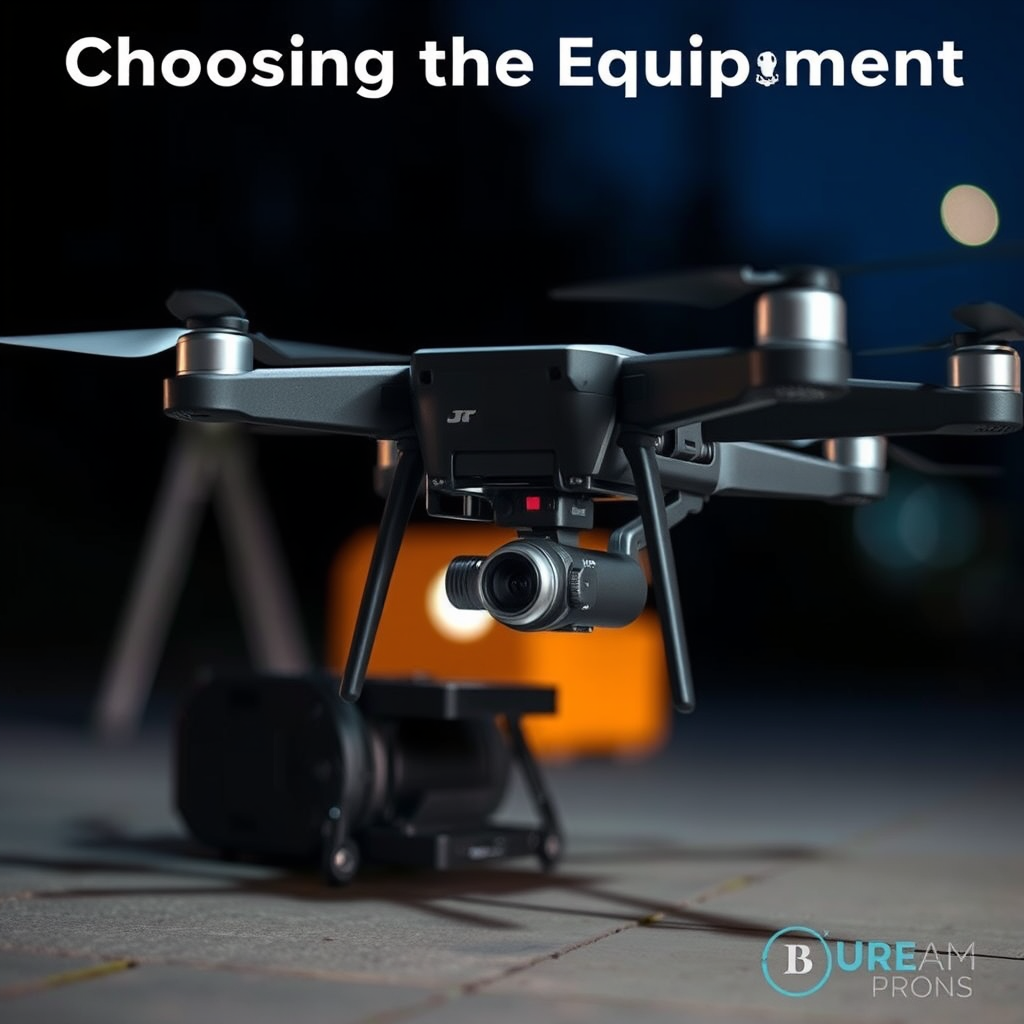
Selecting the appropriate drone and photographic equipment is critical for successful night photography. A drone with a high-quality camera that includes stabilization features will significantly enhance your ability to capture sharp images. Look for drones that offer gimbal stabilization, as this will help reduce motion blur during long exposure shots.
Moreover, consider investing in additional lighting equipment, such as LED lights or external flash units. These tools can illuminate your subject or environment, providing additional light to enhance your images. For instance, using LED lights to highlight architectural features can create a striking contrast against the dark surroundings, making for a more dynamic composition.
In addition to lighting, ensure that your drone’s battery life is sufficient for night missions, as cold temperatures can impact battery performance. Always carry extra batteries to avoid interruptions during your shoot.
Planning Your Shoot
Thorough planning is crucial for capturing compelling aerial night photographs. Begin by scouting locations during daylight hours to identify potential vantage points and assess the lighting conditions. This will help you visualize the composition and determine the best angles for your shots.
It is also vital to check local regulations regarding drone operation at night. Many jurisdictions have specific requirements, such as maintaining visual line of sight and adhering to no-fly zones. Familiarizing yourself with these rules not only ensures compliance but also enhances safety during your photography session.
Additionally, consider the time of year and weather conditions when planning your shoot. Clear nights with minimal cloud cover can yield the best results, as overcast skies can obscure star visibility and diminish the overall quality of your images.
Mastering Camera Settings
To capture stunning night photographs, you must master your camera settings. Adjusting ISO, aperture, and shutter speed is essential for optimizing your images. Higher ISO settings can make your camera more sensitive to light, but be cautious of introducing noise. A good starting point for night photography is an ISO range of 800 to 1600, depending on your camera’s capabilities.
Aperture settings also play a significant role in night photography. A wider aperture (lower f-stop number) allows more light to hit the sensor, which is advantageous in dark settings. However, be mindful of the depth of field; a narrow aperture may be necessary if you wish to keep more of the scene in focus.
Shutter speed is another critical factor. A longer exposure time can capture more light, but it also increases the risk of motion blur. Use a tripod or ensure your drone is stable to mitigate this issue. Experimenting with these settings in different environments will help you find the perfect balance for your photography style.
Techniques for Capturing Stunning Images
Utilizing specific techniques can elevate your aerial night photography to new heights. Long exposure techniques are particularly effective for capturing light trails from vehicles or star movements. By setting a longer shutter speed (several seconds), you can create mesmerizing effects that convey motion within your images.
Experiment with composition techniques that emphasize the contrast between light and dark areas. The rule of thirds can be particularly effective in night photography; position key elements along the grid lines to create a more balanced and dynamic image. Additionally, incorporating leading lines, such as roads or pathways, can guide the viewer’s eye through the photograph.
Consider using foreground elements to add depth to your images. Objects such as trees, buildings, or other structures can serve as anchoring points that enhance the overall composition.
Post-Processing for Night Photography
Post-processing is an essential step in refining your night photography. Utilizing photo editing software, such as Adobe Lightroom or Photoshop, allows you to enhance brightness, contrast, and color saturation, bringing your images to life. Adjusting the exposure and highlights can help recover details lost in shadows and enhance the overall visual appeal.
Noise reduction techniques are also crucial. Night photography often results in grainy images due to high ISO settings. Most photo editing software includes noise reduction filters, which can help smooth out the image without sacrificing too much detail.Consider employing local adjustments to fine-tune specific areas of your photograph, ensuring that the highlights remain vibrant while shadows are deepened for added drama. This careful attention to post-processing will significantly improve the quality of your night photography.
Safety and Legal Considerations
When engaging in aerial night photography, safety and legal considerations should be top of mind. Always adhere to local laws regarding drone operation, particularly at night. This includes understanding the permissible flying altitudes, no-fly zones, and any specific regulations pertaining to nighttime drone flights.
Inform yourself about safety measures to protect both your drone and the surrounding environment. Use proper lighting on your drone to improve visibility and avoid collisions with obstacles. Additionally, ensure that you maintain a safe distance from people and property to prevent potential accidents or disturbances.
Lastly, conducting a pre-flight check before every mission can help mitigate risks associated with flying at night. Ensure that your drone is in optimal working condition, and that all batteries are charged and ready for action.
Summarizing the techniques and tips for using drones in aerial night photography, you now have the tools to embark on this captivating journey. From understanding your drone’s capabilities to mastering camera settings and employing effective post-processing techniques, each step is crucial for capturing stunning images after dark. Remember to plan your shoots meticulously, respect local regulations, and continuously refine your skills through practice. With these insights, you can begin exploring the night sky with your drone and create breathtaking images that truly showcase the beauty of the world after dark!
Frequently Asked Questions
What equipment do I need for aerial night photography with drones?
To successfully capture stunning aerial night photographs with drones, you’ll need a drone equipped with a high-quality camera that has low-light capabilities, such as a larger sensor and fast aperture (f/2.8 or lower). Additionally, consider using a gimbal for stabilization, as well as extra batteries for longer shoot durations. Accessories like ND filters can help manage exposure, while bright LED lights can assist in illuminating your subject or scene.
How can I improve the quality of my night photography using drones?
To enhance the quality of your aerial night photography, start by adjusting your camera settings to accommodate lower light conditions. Use a slower shutter speed to allow more light in, but be mindful of drone movement; a gimbal can help stabilize the shot. Shoot in RAW format to retain more detail and provide flexibility in post-processing. Finally, scout your location beforehand to find interesting compositions and avoid flying in areas with excessive light pollution.
Why is it challenging to photograph at night with drones?
Night photography with drones presents unique challenges, primarily due to low light conditions that can lead to grainy images and difficulties in focusing. Drones require stable lighting for optimal performance, and the risk of losing visual contact with your drone increases in darkness. Additionally, there may be legal restrictions on flying in certain areas at night, so always check local regulations and ensure your drone is equipped with adequate lighting for visibility.
What are the best practices for conducting aerial night photography safely?
To conduct aerial night photography safely, always fly your drone within visual line of sight and maintain awareness of your surroundings to avoid obstacles. Utilize built-in lights on your drone for visibility and to comply with FAA regulations. Conduct thorough pre-flight checks to ensure all equipment is functional, and consider flying during times of minimal air traffic. Familiarize yourself with night flying regulations in your area to avoid potential fines.
Which drones are best suited for aerial night photography?
The best drones for aerial night photography are those with advanced camera systems, such as the DJI Mavic 3 or the Phantom 4 Pro, which offer excellent low-light performance and high-resolution imaging. Look for drones that support adjustable camera settings and have a reliable stabilization system to minimize motion blur. Drones with 4K video capability also provide versatility, allowing you to capture both stunning stills and dynamic footage at night.
References
- Aerial photography
- https://www.sciencedirect.com/science/article/pii/S2352864817301417
- https://www.nasa.gov/feature/nasa-drones-capture-aerial-images-of-texas
- https://www.theguardian.com/technology/2020/jun/16/drones-photography-night-vision
- https://www.usgs.gov/centers/eros/science/drone-research
- News | American Association for the Advancement of Science (AAAS)
- https://www.nist.gov/news-events/news/2020/09/using-drones-night-vision-improve-safety-and-accuracy
- https://www.wired.com/story/drone-photography-tips/
- https://www.nps.gov/articles/drones-in-national-parks.htm
- https://www.nature.com/articles/s41598-020-74559-z
