
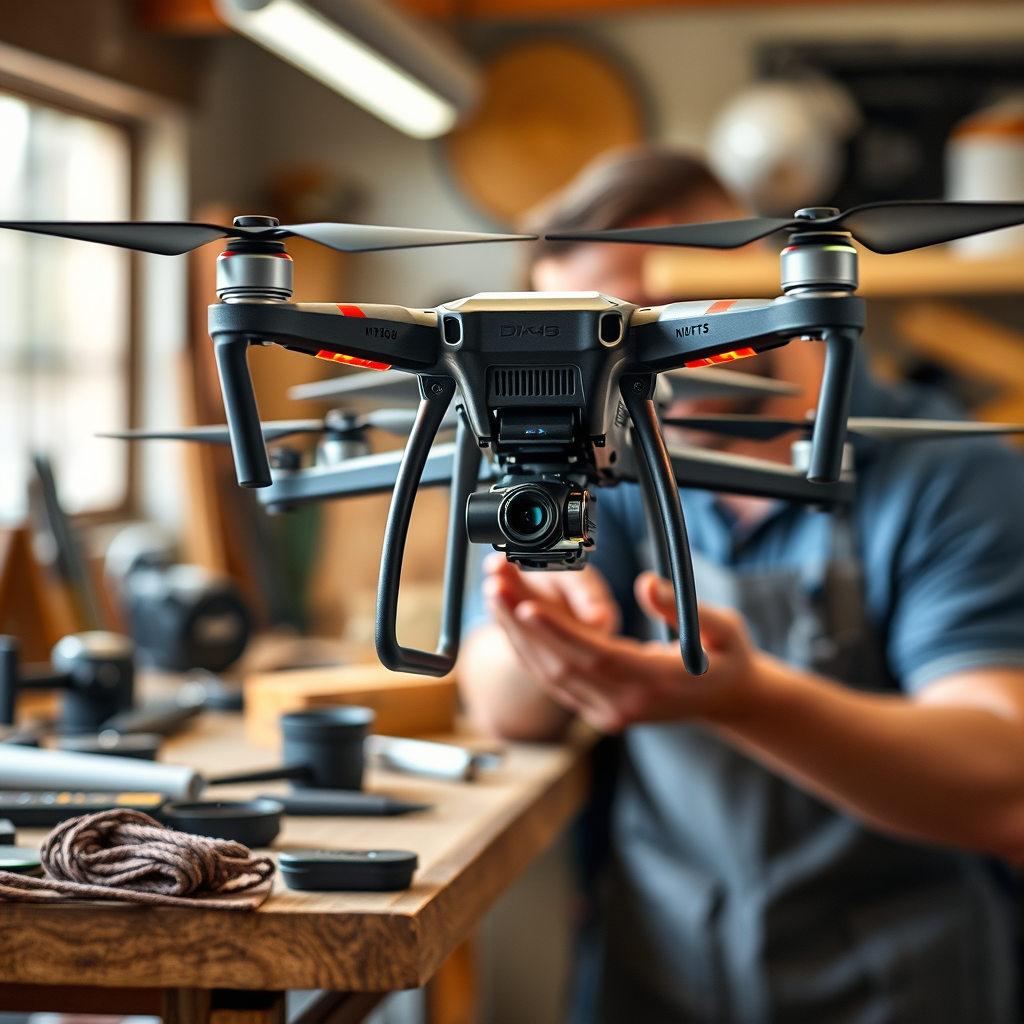
Choosing the right drone for aerial documentary projects is essential for capturing breathtaking visuals and telling compelling stories. The best drones on the market combine high-resolution cameras, stable flight performance, and advanced features that cater specifically to filmmakers. In this article, we will explore the top drones tailored for documentary production, highlighting their key features, benefits, and considerations to help you make an informed decision.
Top Drone Picks for Aerial Documentary Filmmaking
DJI Mavic 3
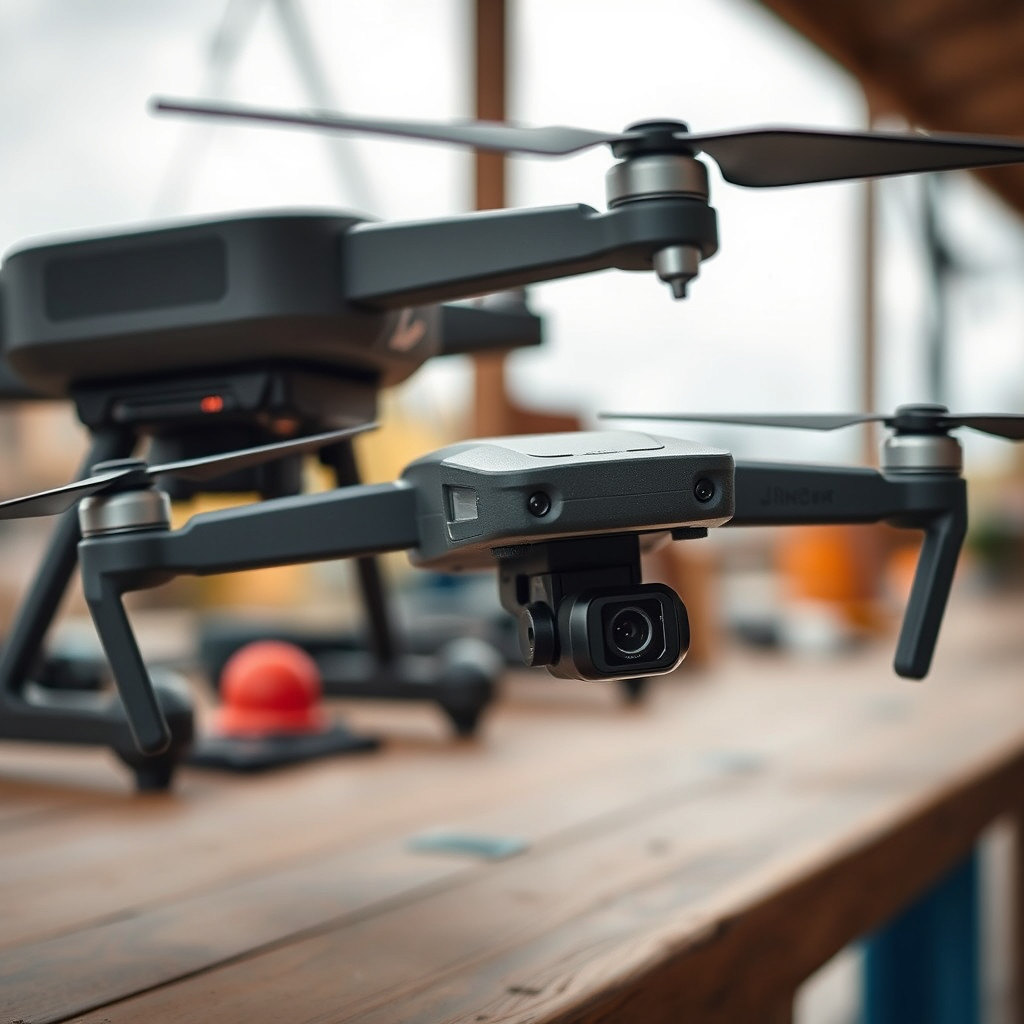
The DJI Mavic 3 stands at the forefront of aerial cinematography, boasting a 4/3 CMOS sensor that delivers stunning imagery with exceptional detail and color accuracy. This drone features a dual-camera system, including a 24mm equivalent lens and a telephoto lens, making it versatile for various shooting scenarios. With up to 46 minutes of flight time, the Mavic 3 allows filmmakers to capture extended sequences without frequent battery changes. Additionally, its advanced obstacle avoidance sensors enhance safety during flight, particularly in dynamic environments.
Autel Robotics EVO Lite+
The Autel Robotics EVO Lite+ is another excellent choice for documentary filmmakers, featuring a powerful 50MP camera that excels in low-light conditions. Its 1-inch CMOS sensor enables high-quality 6K video capture, making it suitable for both professional and semi-professional use. The drone also offers a customizable shooting mode and HDR capabilities, providing filmmakers with the flexibility to achieve their desired visual effects. With a flight time of approximately 40 minutes, the EVO Lite+ ensures that you can capture extensive footage with minimal interruptions.
Key Features to Consider
Camera Quality
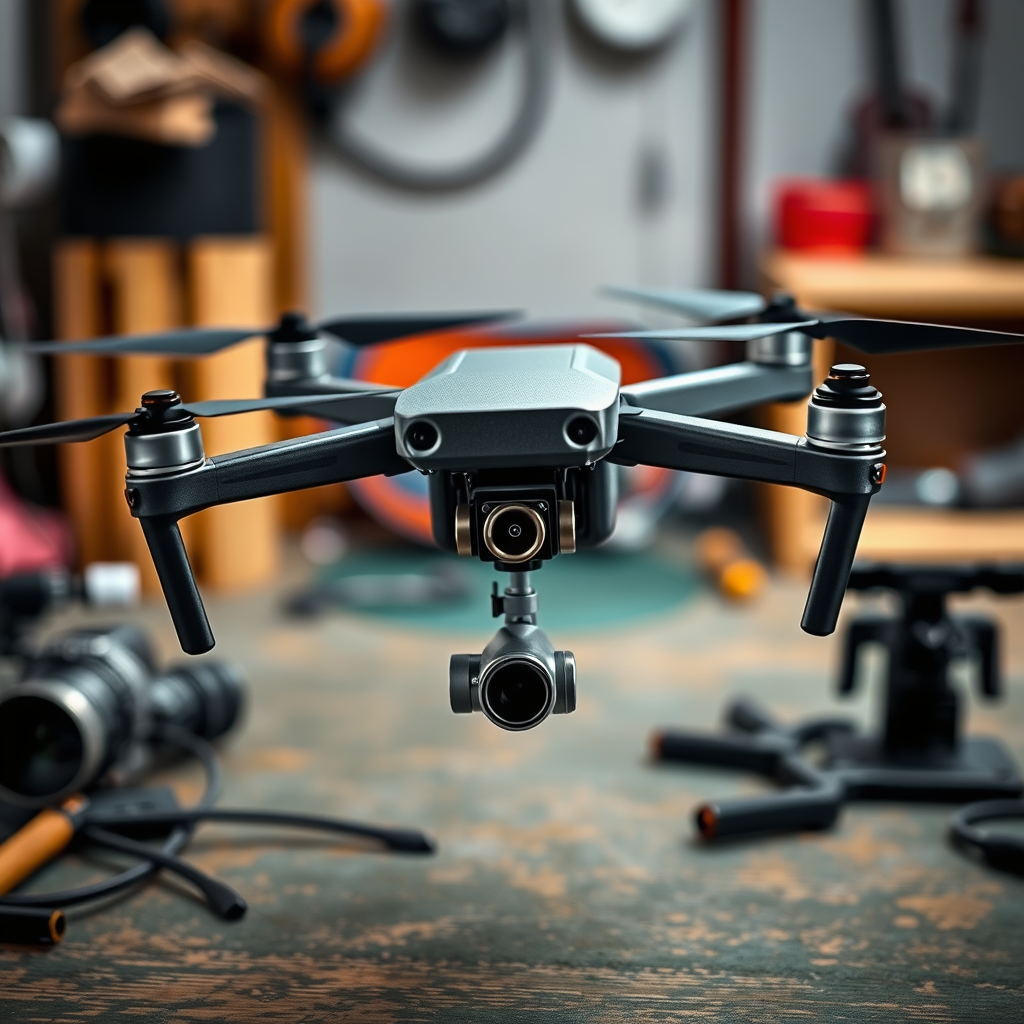
When selecting a drone for aerial documentary work, camera quality is paramount. Look for drones equipped with high-resolution cameras (at least 4K) and gimbal stabilization systems. Gimbal stabilization is crucial for achieving smooth, professional-looking footage, particularly in windy conditions or during complex maneuvers. High-resolution cameras enable filmmakers to capture intricate details and provide flexibility in post-production, allowing for cropping or adjustments without sacrificing image quality.
Flight Time
Extended flight time is another critical factor when choosing a drone for documentary filmmaking. Longer battery life means more time in the air, allowing for a greater number of shots and reducing the need for frequent landings to swap batteries. A drone that offers at least 30 minutes of flight time is ideal for most documentary projects, as it provides ample opportunity to capture diverse angles and scenes without the constant interruption of battery changes.
Budget-Friendly Options
DJI Mini 2
For filmmakers on a budget, the DJI Mini 2 is a remarkable option that doesn’t compromise on quality. Weighing under 250 grams, this lightweight drone is incredibly portable, making it easy to transport to various shooting locations. The Mini 2 features 4K video capabilities and a robust 12MP camera, providing impressive imagery for its price point. Its ease of use and intelligent shooting modes make it an excellent choice for beginners and seasoned filmmakers alike who need a reliable backup drone.
Holy Stone HS720
The Holy Stone HS720 offers an entry-level solution for those new to aerial filmmaking. Equipped with a 4K camera and GPS features, this drone provides a good balance of performance and affordability. The HS720 also includes a 2-axis gimbal stabilization system, which helps maintain steady footage during flight. With a flight time of approximately 26 minutes and user-friendly controls, this drone is ideal for beginners looking to explore the world of aerial documentary filmmaking without a significant financial commitment.
Advanced Features for Filmmaking
Obstacle Avoidance
One of the most valuable advanced features in modern drones is obstacle avoidance technology. Drones equipped with multiple sensors can detect and avoid obstacles in real-time, significantly reducing the risk of crashes during flight. This is especially important for documentary filmmakers who may be shooting in complex environments, such as dense forests or urban landscapes. Advanced obstacle avoidance systems provide greater peace of mind, allowing filmmakers to focus on capturing their vision rather than worrying about potential accidents.
Follow Me Mode
Another beneficial feature for documentary filmmakers is Follow Me mode, which enables the drone to autonomously track and film a subject. This function is perfect for dynamic scenes where the subject moves unpredictably, such as outdoor adventures or urban exploration. With Follow Me mode, filmmakers can capture fluid, engaging footage without the need for a dedicated operator, allowing for more creative freedom and innovative storytelling.
Legal Considerations for Drone Use
FAA Regulations
Before embarking on aerial documentary projects, it is crucial to familiarize yourself with Federal Aviation Administration (FAA) regulations regarding drone usage, especially for commercial purposes. Drones weighing over 0.55 pounds require FAA registration, and operators must adhere to specific guidelines, including flying below 400 feet, maintaining visual line-of-sight, and avoiding restricted airspace. Understanding these regulations helps ensure that your filming efforts remain compliant and avoids potential fines or legal issues.
Local Restrictions
In addition to federal regulations, it is vital to check for local laws and restrictions related to drone usage in your filming locations. Some areas may have specific rules regarding flight zones, no-fly zones, or required permits for aerial filming. Always conduct thorough research and obtain any necessary permissions before flying your drone to ensure a smooth filming process.
Tips for Successful Aerial Filming
Plan Your Shots
Effective planning is key to successful aerial filming. Create a shot list and scouting plan before your shoot to maximize efficiency and ensure that you capture all necessary footage. Consider the types of shots you want to achieve, such as wide landscape views, dynamic tracking shots, or detailed close-ups. Scouting locations in advance can also help you identify potential obstacles and ideal vantage points.
Weather Considerations
Monitoring weather conditions is crucial for optimal flying conditions. Wind, rain, and low visibility can significantly impact drone performance and the quality of your footage. Always check the weather forecast before your shoot and be prepared to adjust your plans accordingly. Flying on clear, calm days not only enhances the safety of your shoot but also contributes to the overall quality of your aerial footage.
Capturing breathtaking aerial footage for documentary projects starts with selecting the right drone. By considering the top picks, essential features, and legal guidelines discussed, you’ll be well on your way to enhancing your storytelling capabilities. Investing in a drone that aligns with your creative vision and technical requirements can make all the difference in producing compelling aerial documentaries. Always remember to stay informed about regulations and best practices to ensure a successful and professional filming experience.
Frequently Asked Questions
What features should I look for in the best drones for aerial documentary projects?
When selecting a drone for aerial documentary projects, focus on features like camera quality, flight time, stability, and ease of use. Look for drones equipped with high-resolution cameras (4K or higher), gimbal stabilization for smooth footage, and an extended battery life of at least 25-30 minutes. Additionally, consider drones with intelligent flight modes that can enhance creativity, such as follow-me mode, and those that offer obstacle avoidance for safer flying.
How much should I expect to spend on a drone for documentary filmmaking?
The price of drones suitable for aerial documentary projects can range widely, from around $500 for entry-level models to over $3,000 for professional-grade drones. Generally, mid-range options (between $1,000 and $2,000) provide a good balance of quality features like 4K cameras and sufficient flight time, making them ideal for aspiring filmmakers. Always factor in additional costs for accessories such as extra batteries, memory cards, and carrying cases to ensure you’re fully equipped.
Why is camera quality important in drones for documentary projects?
Camera quality is crucial in aerial documentary projects because it directly impacts the visual storytelling and overall production value. High-resolution cameras capture more detail and provide clearer images, which is essential for cinematic shots and professional-quality footage. Additionally, drones with advanced camera features like adjustable aperture, high dynamic range (HDR), and low-light performance can significantly enhance the visual aesthetics of your documentary.
Which drones are the top-rated options for aerial documentaries in 2023?
As of 2023, some of the top-rated drones for aerial documentaries include the DJI Mavic 3, known for its dual-camera system and exceptional flight time, and the Autel Robotics EVO Lite+, which offers impressive 6K video capabilities and good low-light performance. The Skydio 2, praised for its autonomous flying abilities and obstacle avoidance, is another great option, especially for dynamic shooting scenarios. Each of these drones caters to different skill levels and budget ranges, ensuring filmmakers can find a suitable choice for their needs.
How can I improve my aerial filming skills when using a drone for documentaries?
To enhance your aerial filming skills, practice is key; spend time familiarizing yourself with your drone’s controls and features in various environments. Study cinematography techniques, such as framing, composition, and lighting, to apply them when capturing aerial footage. Additionally, consider taking online courses or watching tutorials specifically focused on drone filmmaking, which can provide valuable insights on shot planning and post-production techniques to elevate your documentary projects.
References
- https://en.wikipedia.org/wiki/Drone_filmography
- https://www.theguardian.com/technology/2021/mar/11/what-you-need-to-know-about-drones-for-filmmaking
- https://www.bbc.com/news/technology-56909655
- https://www.nytimes.com/2020/09/10/technology/drones-filmmaking.html
- https://www.sciencedirect.com/science/article/pii/S2352914821000150
- https://www.nasa.gov/mission_pages/tdm/technology/index.html
- https://www.nps.gov/articles/drone-use-in-national-parks.htm
