
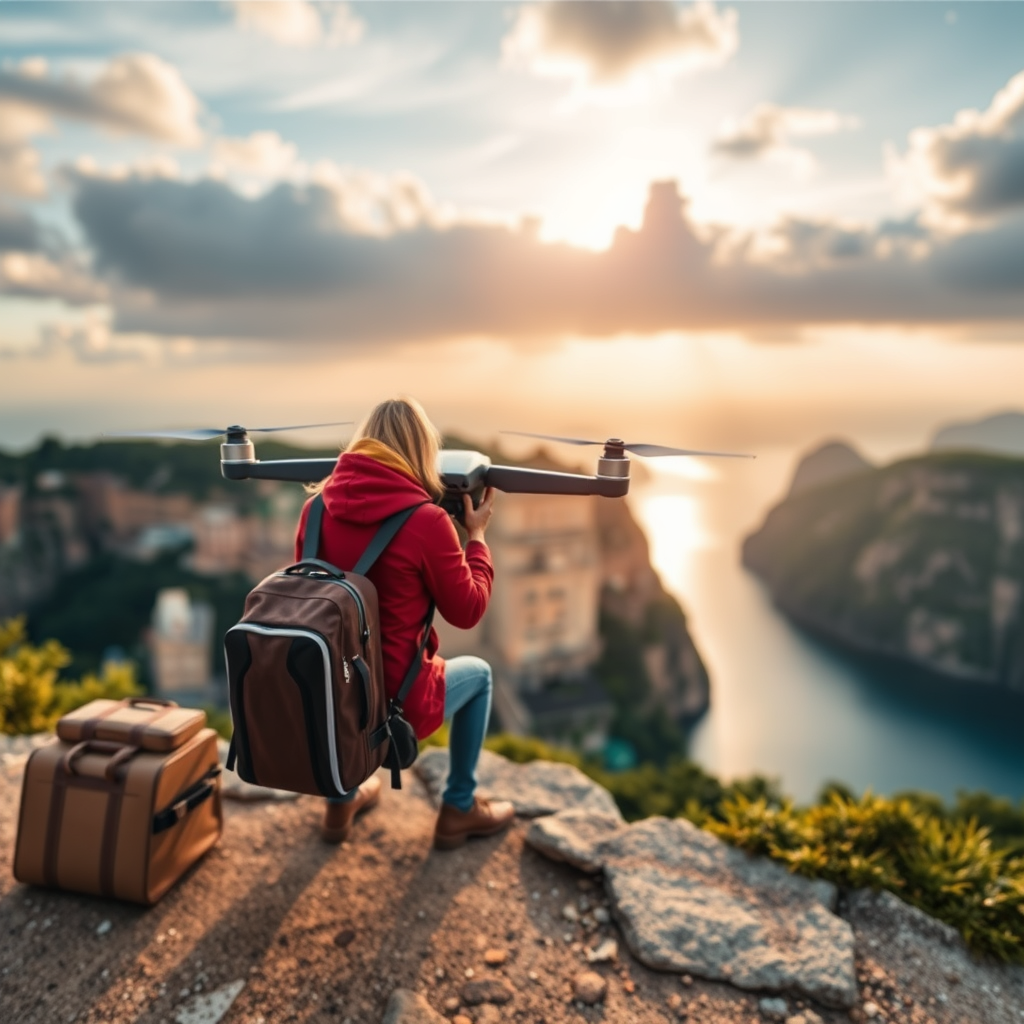
Shooting drone footage for tourism boards effectively involves a blend of strategic planning, technical skills, and a keen sense of storytelling. By understanding your audience and their interests, selecting the right equipment, and mastering filming and editing techniques, you can create captivating visuals that truly represent a destination’s allure. This guide will provide you with essential strategies and insights to elevate your drone videography for tourism marketing purposes.
Understanding Your Audience
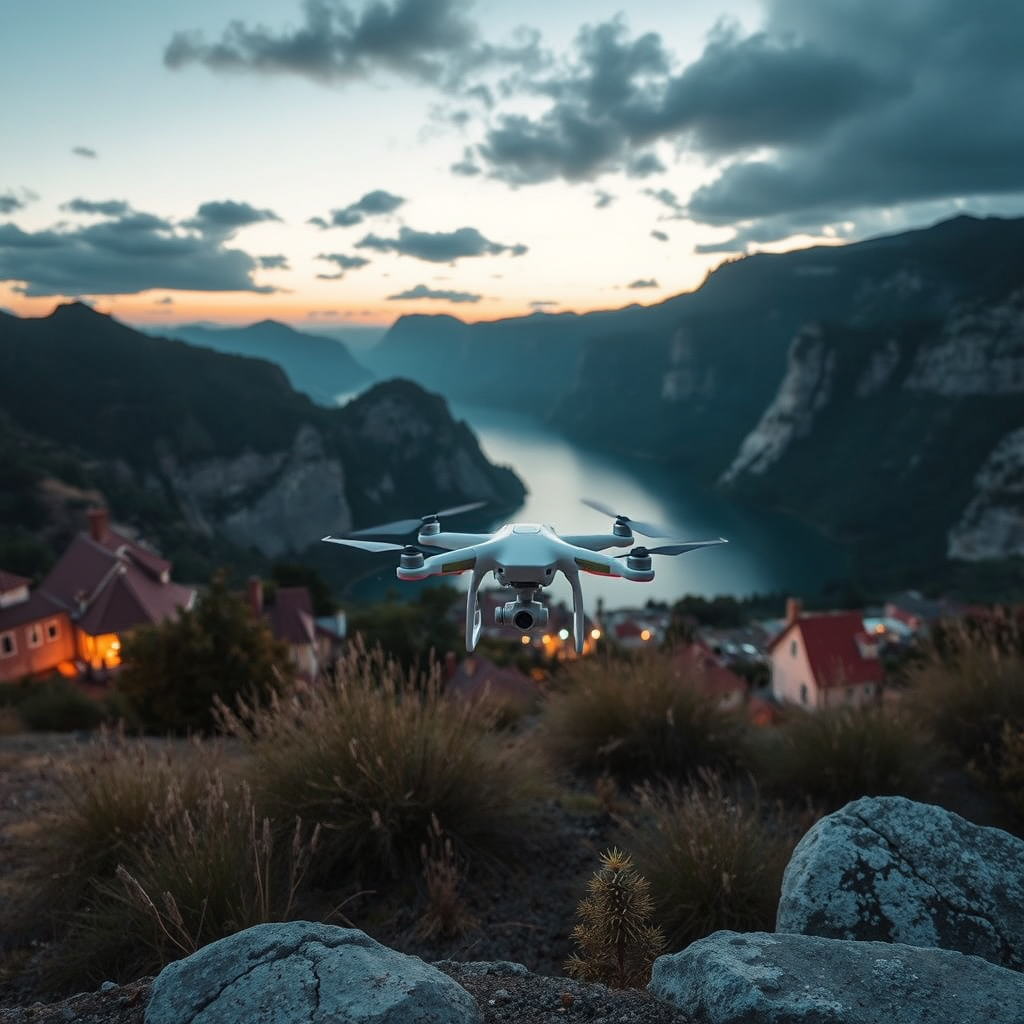
To create impactful drone footage, it is crucial to identify your target demographic. Different age groups, cultural backgrounds, and interests influence what resonates with viewers. For instance, younger audiences may be drawn to adventure activities, while older generations might appreciate scenic landscapes and cultural experiences. Understanding these nuances allows you to tailor your footage effectively, evoking emotions that align with your audience’s expectations.
In addition to demographics, consider the psychological aspects of your viewers; they are often looking for inspiration and escapism. By showcasing unique attractions—such as hidden gems, breathtaking vistas, or local festivals—you can create a visual narrative that captivates and excites potential tourists. Engaging storytelling through your drone footage can establish a connection with the audience, inspiring them to explore the destinations you represent.
Choosing the Right Equipment
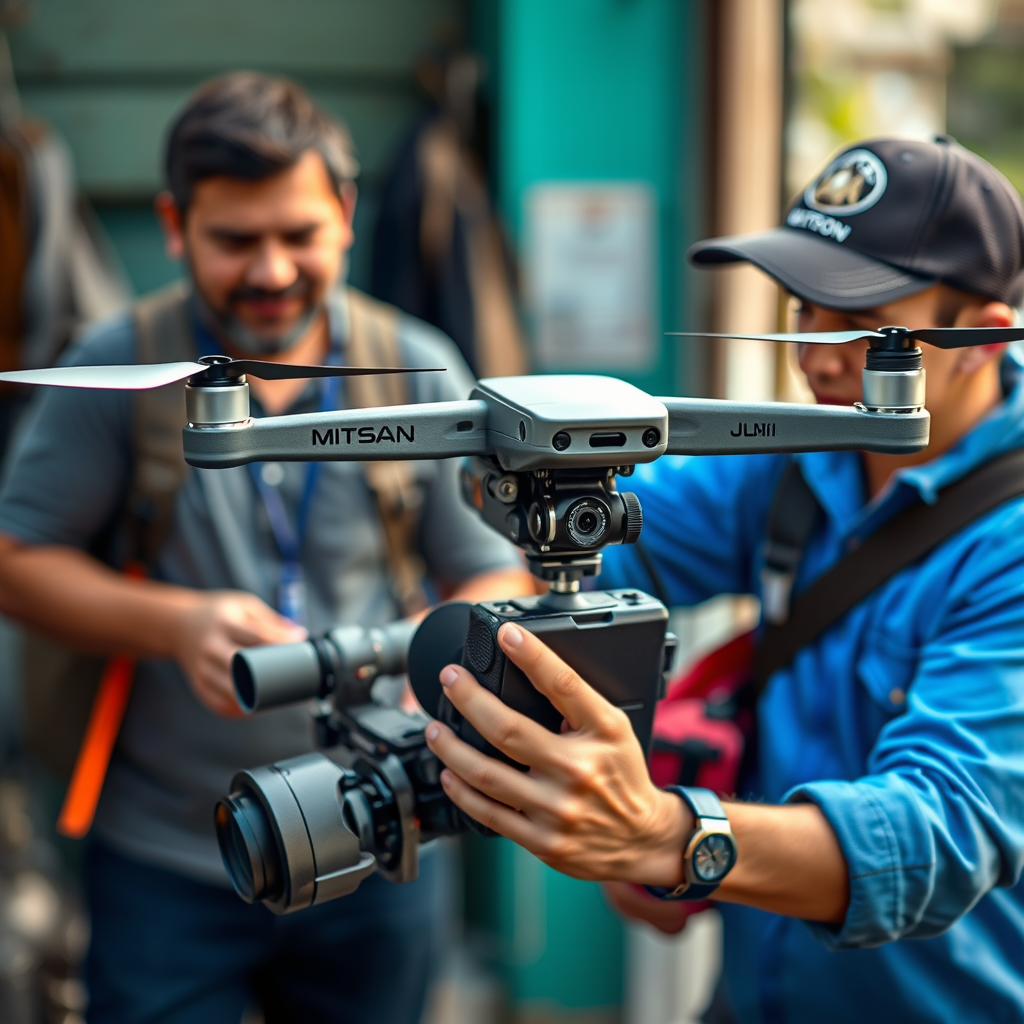
Selecting the right drone is foundational for producing high-quality footage. Drones like the DJI Mavic 3 or the Autel EVO Lite combine excellent camera quality with impressive flight times, making them ideal for tourism videography. Look for drones that offer 4K video capabilities and high-resolution sensors to ensure your footage is sharp and vibrant.
Moreover, consider investing in additional accessories. A gimbal stabilizer is essential for achieving smooth footage, particularly in windy conditions or when executing complex maneuvers. Neutral density filters can also enhance image quality by reducing glare and improving color saturation, allowing for more cinematic results. Ensuring that you have the right equipment tailored to your filming needs will significantly impact the quality of your final product.
Planning Your Shots
Effective planning is key to capturing stunning drone footage. Prior to your shoot, take the time to scout the locations you want to film. This involves visiting the site to identify the best angles and compositions that highlight the destination’s unique features. For example, capturing a popular landmark from a high altitude can offer a fresh perspective that tourists may not have seen before.
Creating a shot list is another crucial step. This list should encompass a variety of perspectives—wide shots to showcase the landscape, close-ups of local attractions, and dynamic movements that add interest, such as panning or tilting. Including these diverse shots will ensure that your final edit is engaging and well-rounded, effectively showcasing the destination’s highlights.
Mastering Drone Flight Techniques
The quality of your drone footage heavily relies on your piloting skills. Practice is essential for mastering smooth maneuvers, as jerky movements can detract from the visual appeal of your footage. Techniques such as slow ascents, descents, and lateral movements can create a more cinematic feel, making the viewer feel as though they are soaring over the landscape.
Incorporating altitude variations and orbiting techniques can add depth to your shots. For instance, slowly orbiting a landmark while adjusting altitude can create a dynamic shot that captures the subject from multiple angles. Experimenting with different flight paths and heights will not only enhance the aesthetics of your footage but also keep your audience engaged.
Editing for Impact
Post-production is where your drone footage truly comes to life. Utilizing professional editing software like Adobe Premiere Pro or Final Cut Pro allows you to enhance colors, stabilize shaky footage, and craft seamless transitions. Color grading can dramatically improve the visual impact, making your footage more appealing and vibrant.
Incorporating music and voiceovers can further elevate your final product. Carefully selected soundtracks can evoke emotions and set the tone, while voiceovers can provide valuable context about the destination. For example, narrating local history or sharing interesting anecdotes can enrich the viewer’s experience, making them feel more connected to the place being showcased.
Complying with Regulations
Before taking to the skies, it’s imperative to familiarize yourself with local drone laws and regulations. Many regions have specific guidelines regarding drone usage, including no-fly zones, altitude restrictions, and necessary permits for commercial operations. Violating these regulations can lead to hefty fines and legal consequences.
In some cases, you may need to obtain permits or permissions from local authorities to shoot in specific areas, especially if filming in national parks or historical sites. Ensuring compliance with these regulations not only keeps you safe but also maintains the integrity of your filming process.
Sharing Your Footage
Once your video is edited and polished, it’s time to share it with the world. Optimize your videos for various platforms, ensuring that they meet the technical specifications for social media, websites, and tourism presentations. For example, creating shorter clips for Instagram while maintaining longer, more detailed videos for YouTube can maximize your reach and engagement.
Strategic use of hashtags and engaging with your audience through comments and shares can significantly boost visibility. Collaborating with influencers or tourism boards can also expand your reach, allowing your footage to resonate with a broader audience. Building a robust online presence will help elevate the destination’s profile and attract potential visitors.
By following these guidelines, you can create breathtaking drone footage that effectively promotes tourism destinations. Remember to always focus on storytelling through your visuals, as compelling narratives will resonate with viewers. Start planning your next shoot today and elevate the tourism board’s marketing efforts with stunning aerial imagery!
Frequently Asked Questions
What equipment do I need to shoot drone footage for tourism boards?
To shoot high-quality drone footage for tourism boards, you will need a reliable drone equipped with a 4K camera for crisp visuals. Popular choices include the DJI Mavic Air 2 and the DJI Phantom 4 Pro, as they offer excellent stabilization and image quality. Additionally, investing in extra batteries, ND filters for better exposure control, and a mobile device for live monitoring can enhance your shooting experience significantly.
How can I create engaging drone footage that attracts tourists?
To create engaging drone footage that attracts tourists, focus on telling a story through your shots. Use dynamic movements like reveals and tracking shots to showcase the beauty of the destination, and incorporate local landmarks and activities that highlight what makes the area unique. Editing your footage with upbeat music and informative captions can also enhance viewer engagement, making it more appealing to potential visitors.
Why is it important to check regulations before shooting drone footage for tourism boards?
Checking regulations before shooting drone footage is crucial because many areas have specific laws governing drone usage, including restricted airspace, altitude limits, and no-fly zones. Violating these regulations can result in fines or confiscation of equipment. Moreover, adhering to local laws helps maintain a positive relationship with the community and ensures the safety of both your crew and the public.
What are the best times of day to capture stunning drone footage for tourism?
The best times of day to capture stunning drone footage are during the golden hour, which occurs shortly after sunrise and before sunset. During these times, the soft, warm light creates beautiful shadows and enhances colors, making the footage more visually appealing. Additionally, shooting during these hours often results in fewer crowds, allowing for cleaner shots of popular tourist spots.
Which editing software is recommended for enhancing drone footage for tourism videos?
Recommended editing software for enhancing drone footage includes Adobe Premiere Pro and Final Cut Pro X, both of which offer advanced features like color grading, stabilization, and audio editing. For beginners, software like DaVinci Resolve or iMovie can provide user-friendly interfaces with essential editing tools. Effective editing can help you create a polished final product that highlights the beauty of the destination and captivates potential tourists.
References
- https://www.wired.com/story/drone-photography-tips-for-beginners/
- https://www.nps.gov/articles/drone-safety.htm
- https://www.theguardian.com/technology/2022/mar/03/drones-are-the-next-big-thing-in-tourism
- https://www.usgs.gov/land-resources/national-land-imaging/drone-imagery
- https://www.sciencedirect.com/science/article/pii/S2351978921000463
- Adair Garemyn – ABC News
