
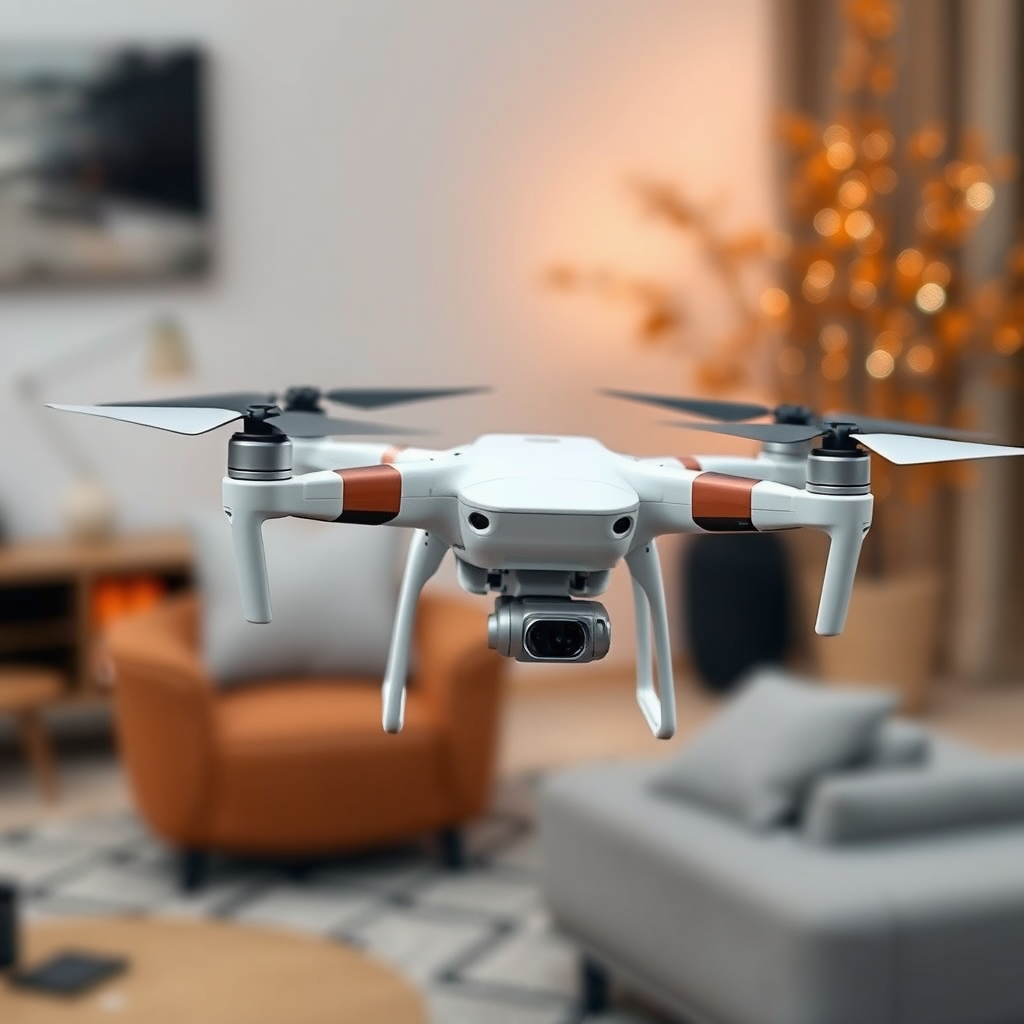
Yes, many DJI Phantom drones do feature some form of collision avoidance technology, particularly in their more recent models. This innovative feature is designed to enhance flight safety by helping to prevent crashes, thus making navigation easier for both novice and experienced pilots alike. As drone technology continues to evolve, understanding the capabilities and limitations of these systems can significantly improve the flying experience. In this article, we’ll explore which Phantom drones are equipped with collision avoidance systems and delve into how these systems function to protect your investment and ensure smoother flights.
Overview of Collision Avoidance Technology
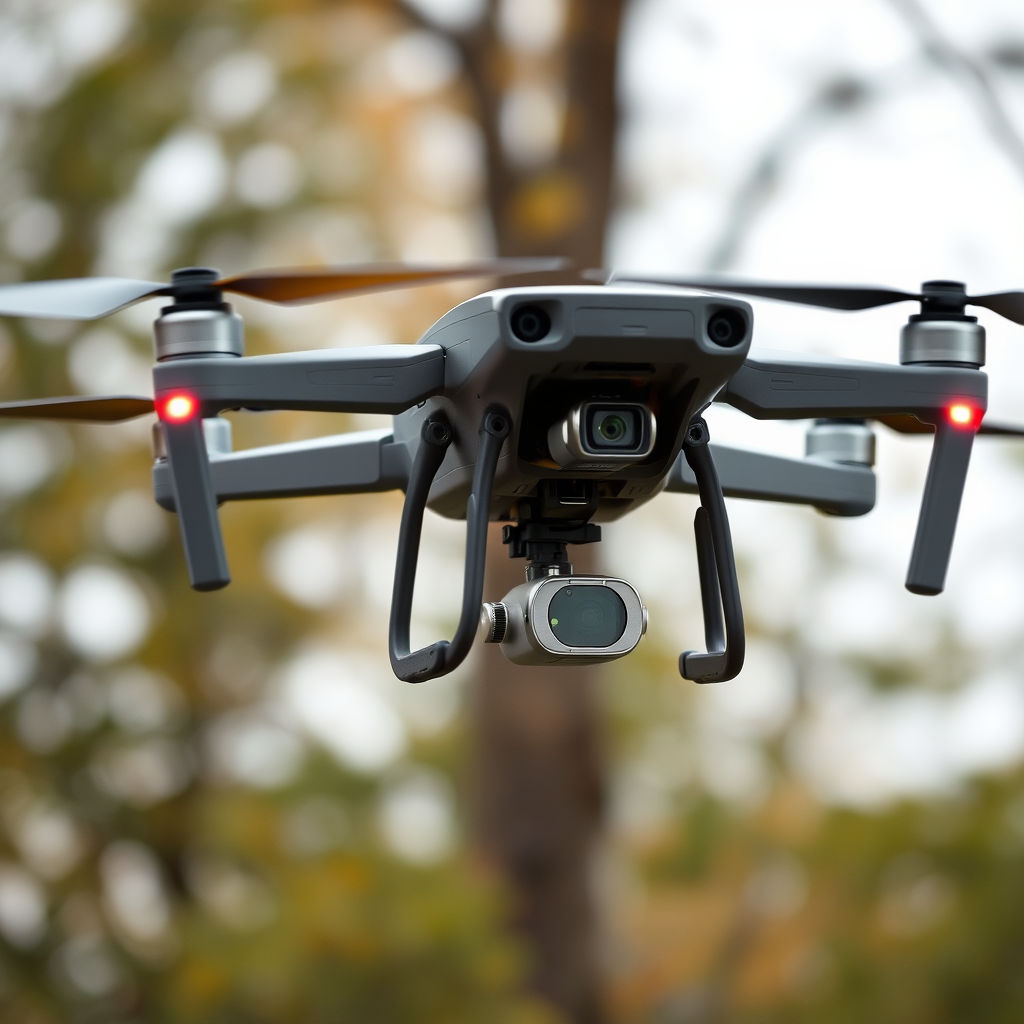
Collision avoidance technology is a critical advancement in the field of drone safety. At its core, this technology employs an array of sensors that detect obstacles in the drone’s flight path. These sensors can include visual cameras, ultrasonic sensors, and infrared sensors, which work together to create a comprehensive understanding of the drone’s surroundings. When an obstacle is detected, the system can automatically adjust the drone’s flight path to avoid a crash, either by stopping or rerouting the drone around the detected object. This capability is particularly beneficial in complex environments, such as urban landscapes, where unexpected obstacles can arise frequently.
The sophistication of collision avoidance systems varies among different drone models, but the underlying principle remains the same: to enhance safety and reduce the risk of accidents. As drone technology matures, the integration of advanced algorithms and machine learning is also improving the accuracy and reliability of these systems, allowing for safer flights even in challenging conditions.
DJI Phantom Models with Collision Avoidance
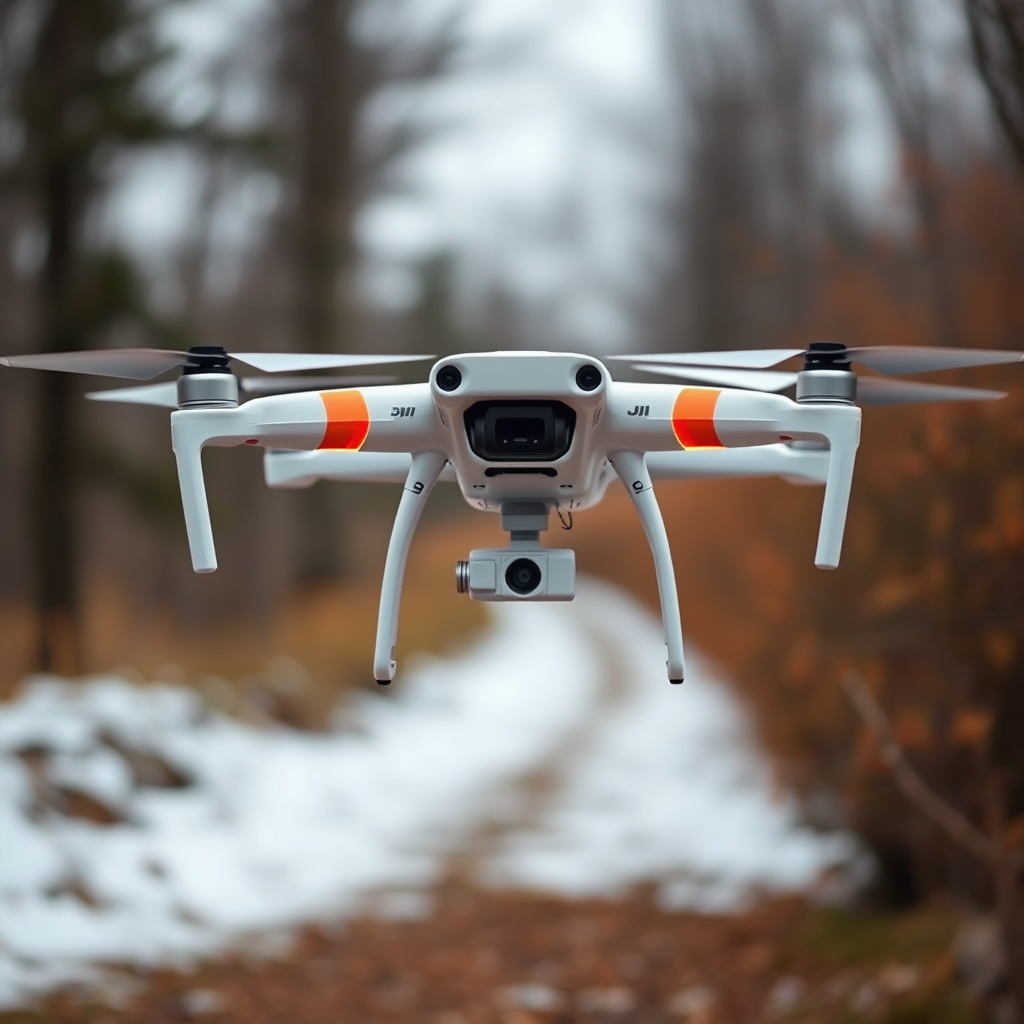
Among the DJI Phantom series, the Phantom 4 series stands out for its advanced obstacle sensing capabilities. The Phantom 4 Pro and Phantom 4 Pro V2.0 are particularly noteworthy, as they feature a robust array of sensors strategically placed to maximize coverage. These models are equipped with front, bottom, and rear sensors, enabling them to detect obstacles not only in front but also below and behind the drone. This comprehensive sensor suite allows for a more versatile flying experience, reducing the likelihood of collisions during ascent, descent, and lateral movements.
For instance, the Phantom 4 Pro employs a Visual Inertial Odometry system that allows it to navigate effectively even in environments where GPS signals may be weak or nonexistent. This capability, combined with its collision avoidance technology, makes it an excellent choice for both professional filmmakers and hobbyists looking for a reliable drone that can handle various flying scenarios.
How Does Collision Avoidance Work?
The collision avoidance system in DJI Phantom drones operates using a combination of visual sensors and infrared technology to gauge distances from obstacles. The visual sensors capture real-time images of the environment, while the infrared sensors provide additional depth perception. Together, these sensors create a 3D map of the drone’s surroundings.
Once the data is collected, the onboard computer processes this information in real-time, allowing the drone to make immediate flight adjustments. For example, if an obstacle is detected within a certain range, the drone can automatically slow down, hover, or change direction to avoid a potential collision. This real-time processing is crucial in ensuring that the drone can react swiftly, especially in dynamic environments where obstacles may appear suddenly.
Moreover, the Phantom drones utilize advanced algorithms to improve the accuracy of obstacle detection. They can differentiate between various types of obstacles, which is essential for making informed decisions during flight. This functionality not only enhances safety but also provides pilots with more confidence to explore challenging flying conditions.
Benefits of Collision Avoidance in Drones
The incorporation of collision avoidance systems in drones offers numerous advantages. One of the primary benefits is the significant reduction in the risk of accidents, particularly in complex environments. As drone users often find themselves navigating around buildings, trees, and other potential hazards, the ability to detect and avoid obstacles can prevent costly crashes and damage.
Additionally, collision avoidance technology increases pilot confidence. With the assurance that the drone can autonomously react to obstacles, pilots may be more inclined to push the limits of their flying skills and experiment with more ambitious maneuvers. This can lead to enhanced creativity and productivity, especially for professional drone operators in fields such as photography, surveying, and agriculture.
Moreover, the integration of this technology allows for safer flight operations in populated areas, where the risk of accidents is heightened. By minimizing the chances of collisions, drone operators can adhere to safety regulations more effectively, ensuring a responsible and enjoyable flying experience.
Limitations of Collision Avoidance Systems
While collision avoidance systems represent a significant advancement in drone safety, they are not without limitations. One of the main challenges is that these systems can be affected by various external factors, such as lighting conditions and sensor obstructions. For instance, bright sunlight or low-light environments can impede the effectiveness of visual sensors, leading to potential misjudgments in obstacle detection.
Additionally, collision avoidance systems may not detect all types of obstacles, particularly small, transparent, or fast-moving objects. For example, thin wires or small branches can be difficult for the sensors to recognize, which could result in accidents if the pilot is not vigilant. As a result, while these systems serve as an essential safety net, pilots must remain attentive and ready to take manual control if necessary.
It is also worth mentioning that collision avoidance technology adds weight and complexity to the drone, which can impact flight performance, battery life, and overall reliability. Consequently, pilots should weigh the benefits of these systems against their potential drawbacks.
Tips for Using Collision Avoidance Features Effectively
To maximize the effectiveness of collision avoidance features in DJI Phantom drones, pilots should follow several best practices. First and foremost, it is crucial to familiarize yourself with the specific collision avoidance settings available on your drone. Understanding how the system behaves in different flight modes can help you make informed decisions during operation.
Conducting pre-flight checks is another essential step. Ensure that all sensors are clean and unobstructed, as dirt, dust, or other debris can significantly impair their functionality. Additionally, pilots should regularly update their drone’s firmware to benefit from improvements and fixes related to obstacle detection.
Finally, even with collision avoidance technology, maintaining situational awareness is vital. Pilots should always be prepared to take manual control if the drone encounters unexpected obstacles or if the sensors fail to respond as anticipated. By combining technology with active piloting skills, users can ensure a safer and more enjoyable flying experience.
The collision avoidance technology in DJI Phantom drones significantly improves flight safety and user experience. By understanding which models offer this feature and how it operates, drone pilots can make informed decisions and enhance their flying skills. Embracing the benefits of collision avoidance while remaining mindful of its limitations and following best practices can lead to a more secure flying experience. Explore your options and consider investing in a Phantom drone equipped with this essential safety feature for a more secure flying experience.
Frequently Asked Questions
Do any of the DJI Phantom drones have collision avoidance features?
Yes, certain models of DJI Phantom drones are equipped with collision avoidance features. Specifically, the DJI Phantom 4 series, including the Phantom 4, Phantom 4 Pro, and Phantom 4 Advanced, utilize a system called “Obstacle Avoidance” that employs forward and downward vision sensors to detect and avoid obstacles in real-time. This technology significantly enhances flight safety, especially for beginners or when flying in complex environments.
How does the collision avoidance system work in DJI Phantom drones?
The collision avoidance system in DJI Phantom drones works through a combination of sensors and intelligent software. Forward-facing sensors help the drone detect obstacles within its flight path, while downward sensors assist in maintaining altitude and stability during landing. When an obstacle is detected, the drone either slows down, changes direction, or hovers in place, allowing for safer navigation and reducing the risk of crashes.
Why is collision avoidance important for drone pilots?
Collision avoidance is crucial for drone pilots as it significantly reduces the risk of accidents while flying. By utilizing advanced technology to detect obstacles, drone pilots can focus on capturing stunning aerial footage without constantly worrying about crashing into buildings, trees, or other objects. This feature is especially beneficial for beginners who may not have the experience to manually navigate complex environments.
Which DJI Phantom models are best for beginners needing collision avoidance?
For beginners looking for DJI Phantom drones with reliable collision avoidance, the DJI Phantom 4 and Phantom 4 Pro are excellent choices. Both models come equipped with an advanced obstacle sensing system that helps new pilots navigate safely and confidently. Additionally, these drones have user-friendly interfaces and intelligent flight modes that further simplify the flying experience for those new to drone piloting.
Can I upgrade my DJI Phantom drone to include collision avoidance capabilities?
Unfortunately, you cannot upgrade older DJI Phantom drone models to include collision avoidance capabilities, as this feature relies on specific hardware and sensors integrated into the drone’s design. If collision avoidance is a priority for your flying needs, consider investing in a newer model, such as the Phantom 4 series, which comes with these advanced safety features built-in, ensuring a safer flying experience right out of the box.
References
- DJI Phantom
- https://www.dji.com/phantom-4-advanced/features
- https://www.theverge.com/2016/4/14/11430080/dji-phantom-4-drone-review
- https://www.sciencedirect.com/science/article/pii/S235286481730069X
- https://www.nytimes.com/2016/04/01/technology/dji-phantom-4-drone-review.html
- https://www.reuters.com/article/us-drones-idUSKBN2A10V4
- https://www.wired.com/2016/04/dji-phantom-4-drone-review/
- https://www.techradar.com/reviews/dji-phantom-4
