
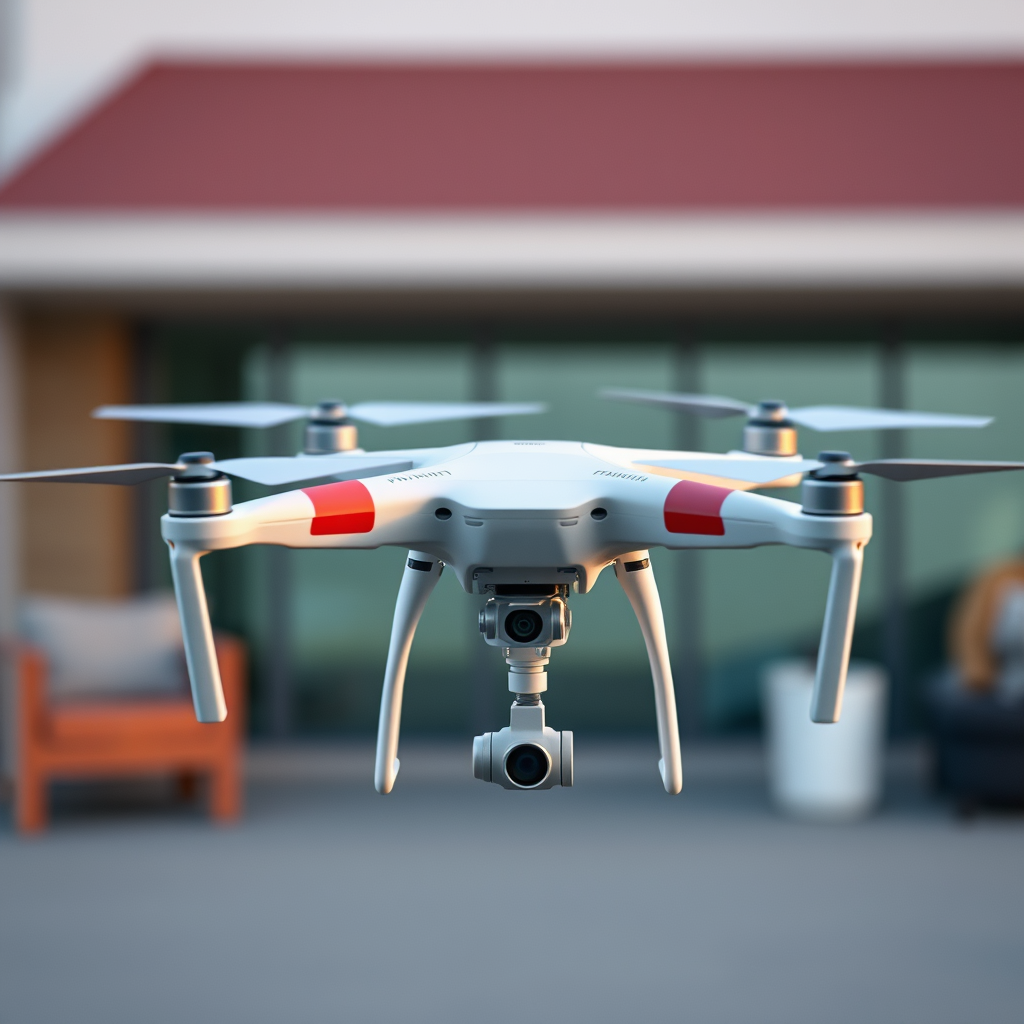
The answer is yes, both the DJI Phantom 4 and Phantom 4 Pro are equipped with obstacle avoidance systems. This feature enhances safety during flight by detecting and avoiding obstacles in the drone’s path. The integration of this technology is particularly significant for both hobbyists and professionals, as it mitigates the risk of accidents and provides users with added confidence in their flying capabilities. In this article, we will explore how this technology works, the differences between the two models, and its implications for users.
Understanding Obstacle Avoidance Technology
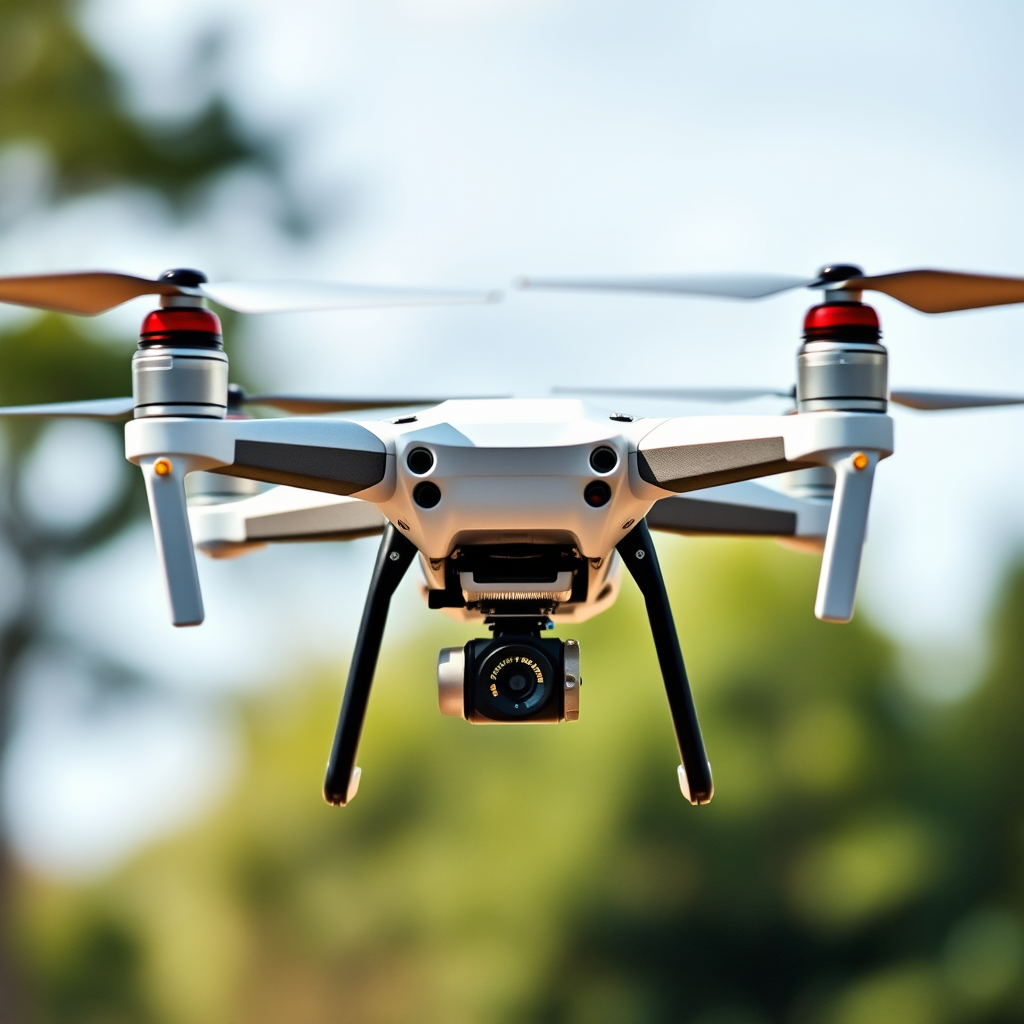
Obstacle avoidance systems in drones primarily function through advanced sensor technology that detects physical barriers in the drone’s flight path. These systems use a combination of ultrasonic, infrared, and visual sensors to create a three-dimensional map of the surrounding environment. When the drone approaches an obstacle, the sensors send signals to the onboard flight control system, which then calculates alternative paths to navigate around the obstruction safely.
In the DJI Phantom 4 drones specifically, the primary sensors utilized include stereo cameras and infrared sensors. The stereo cameras are mounted on the front of the drone, providing a wide field of view and high-resolution imagery to analyze the environment. The infrared sensors assist in detecting obstacles at greater distances, which is crucial for timely avoidance maneuvers. Collectively, these sensors enable the drones to operate more autonomously, allowing for smoother and safer flights.
Comparing the Phantom 4 and Phantom 4 Pro
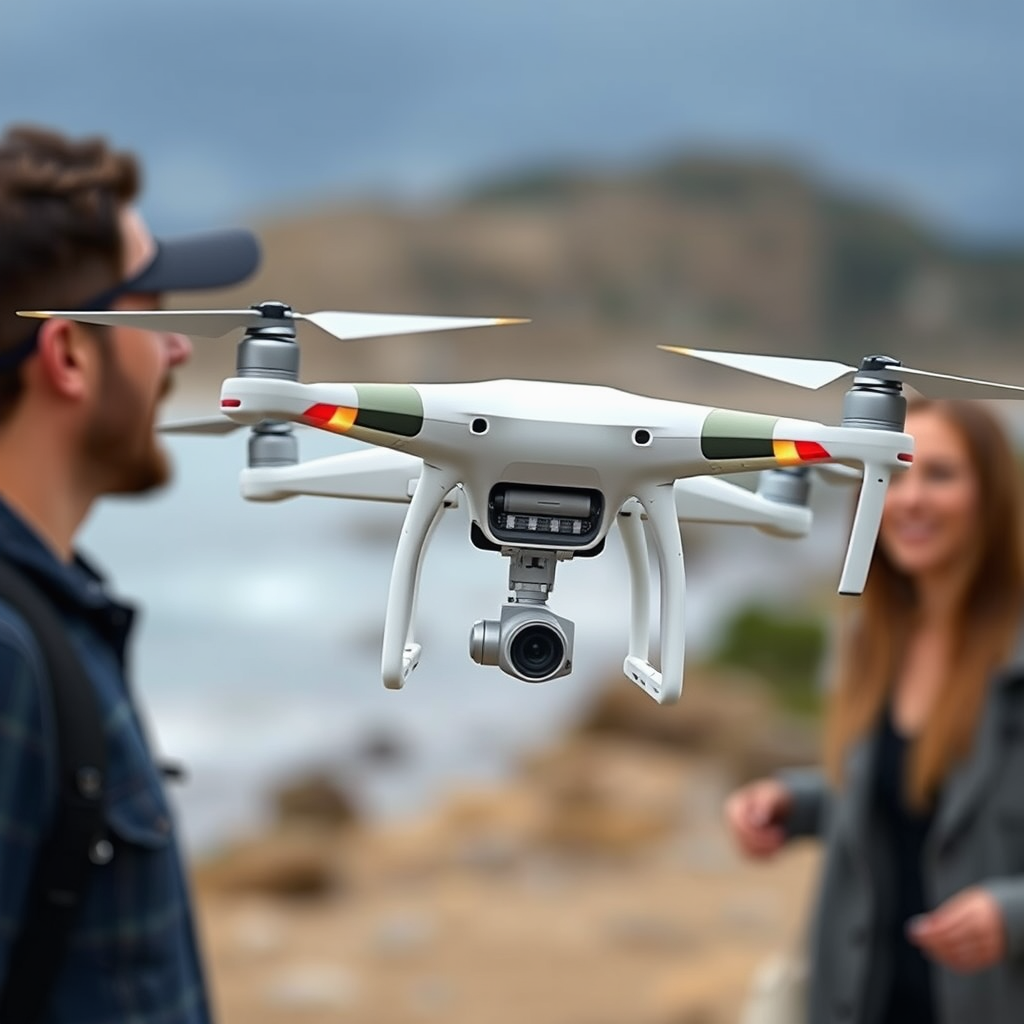
While both the DJI Phantom 4 and Phantom 4 Pro feature obstacle avoidance capabilities, there are notable differences in their systems. The standard Phantom 4 incorporates a forward-facing obstacle detection system that can sense objects in its path up to 15 meters away. This feature is particularly effective for straightforward obstacle avoidance during standard flight operations.
In contrast, the Phantom 4 Pro offers a significantly enhanced obstacle avoidance system with five-directional sensing, allowing it to detect obstacles not only in front but also behind, above, and below the drone. This improvement allows for more complex flight maneuvers in challenging environments, providing users with greater flexibility and control. Moreover, the Phantom 4 Pro includes an ActiveTrack mode that utilizes advanced computer vision algorithms to follow subjects while automatically avoiding obstacles, showcasing the drone’s superior capability in dynamic shooting situations.
Benefits of Obstacle Avoidance for Drone Users
The inclusion of obstacle avoidance features in both DJI Phantom 4 models presents numerous benefits for users. Most notably, it enhances safety during flight, significantly reducing the risk of crashes that can occur from collisions with trees, buildings, or other barriers. This is particularly beneficial for less experienced pilots who may struggle with manual navigation and awareness of their surroundings.
In addition to safety, obstacle avoidance technology instills increased confidence in both novice and advanced users. For beginners, knowing that the drone can autonomously detect and avoid obstacles allows for a more relaxed flying experience, reducing anxiety associated with potential accidents. Experienced pilots, on the other hand, can focus more on capturing stunning aerial footage, knowing that the drone is equipped to handle unexpected obstacles.
Limitations of Obstacle Avoidance Systems
Despite the advantages of obstacle avoidance systems, there are limitations that users must be aware of. One of the primary challenges is that these systems may fail in certain conditions, such as low lighting, heavy rain, or fog, where sensors may not function optimally. Additionally, reflective surfaces or complex environments with numerous obstacles can confuse the sensors, leading to potential miscalculations in avoiding hazards.
Furthermore, reliance on obstacle avoidance technology can lead to complacency among pilots. It is essential for drone operators to maintain awareness of their surroundings and remain ready to take manual control if necessary. Pilots should always be prepared to intervene in situations where the obstacle avoidance system may not be able to respond adequately.
Practical Tips for Using Obstacle Avoidance Features
To maximize the benefits of obstacle avoidance technology, users should implement best practices when flying their DJI Phantom 4 drones. Before each flight, conducting thorough pre-flight checks is crucial. This includes ensuring that the sensors are clean and unobstructed, as dirt or debris can hinder their effectiveness. Additionally, users should familiarize themselves with the drone’s obstacle avoidance settings and modes to ensure they are fully utilized during flight.
When flying in various environments, it’s advisable to maintain a safe altitude to provide the drone with ample space to detect obstacles. Users should also practice flying in open spaces initially, gradually introducing more complex environments as they become comfortable with the drone’s capabilities. This approach helps in building confidence while allowing the pilot to understand the limitations of the obstacle avoidance system.
User Experiences and Feedback
User testimonials regarding the effectiveness of obstacle avoidance in the DJI Phantom 4 drones are overwhelmingly positive. Many users have reported that the feature significantly reduces the anxiety associated with flying in crowded or complex environments. For instance, photographers capturing footage in urban settings have shared experiences where the obstacle avoidance system successfully navigated around buildings and trees, allowing them to focus on composition rather than navigation.
Moreover, there are numerous reports of the obstacle avoidance feature proving beneficial in emergency situations, where quick maneuvers were necessary to avoid imminent collisions. These real-world scenarios highlight the practical advantages of having such technology integrated into the drone, reinforcing its value for both recreational and professional use.
The obstacle avoidance systems in both DJI Phantom 4 drones significantly enhance flight safety and usability. By understanding their features and limitations, users can make the most of this technology. If you’re considering purchasing one of these drones, think about how the obstacle avoidance feature can benefit your flying experience. With the right knowledge and preparation, the DJI Phantom 4 and Phantom 4 Pro can elevate your drone flying adventures to new heights.
Frequently Asked Questions
Do both DJI Phantom 4 models have obstacle avoidance?
Yes, both the DJI Phantom 4 and its successors, including the Phantom 4 Pro and Phantom 4 Advanced, feature advanced obstacle avoidance systems. These drones utilize a combination of forward-facing sensors and downward vision positioning systems to detect obstacles in their flight path, allowing for safer navigation and reduced risk of collisions during flights.
How does the obstacle avoidance system work in DJI Phantom 4 drones?
The obstacle avoidance system in DJI Phantom 4 drones employs a range of sensors that utilize infrared technology and visual recognition to detect obstacles in real-time. When an obstacle is detected, the drone automatically slows down or changes its flight path to avoid a collision, making it particularly useful for beginners and enhancing overall safety during aerial photography and videography.
Why is obstacle avoidance important for drone pilots?
Obstacle avoidance is crucial for drone pilots because it significantly reduces the risk of crashes and damage to the drone and surroundings. This feature is especially beneficial for novice users who may struggle with spatial awareness and navigation. Additionally, having reliable obstacle detection enhances the overall flying experience, allowing pilots to focus on capturing stunning aerial footage without the constant worry of flying into objects.
Which DJI Phantom 4 model offers the best obstacle avoidance features?
The DJI Phantom 4 Pro offers the most advanced obstacle avoidance features among the Phantom 4 models. It has a more comprehensive sensor suite, including dual-vision sensors for better depth perception and 360-degree obstacle avoidance, making it ideal for complex flying environments. This added capability is particularly beneficial for professional users who require precision and safety in their aerial operations.
Can I turn off the obstacle avoidance feature on my DJI Phantom 4 drone?
Yes, you can turn off the obstacle avoidance feature on your DJI Phantom 4 drone through the DJI GO app or the drone’s settings menu. However, it is recommended to keep this feature enabled, especially for inexperienced pilots, as it greatly enhances safety and helps prevent accidents during flight. If you choose to disable this feature, ensure that you are comfortable with manual flying and aware of your surroundings while operating the drone.
References
- https://en.wikipedia.org/wiki/DJI_Phantom_4
- DJI – The World Leader in Camera Drones/Quadcopters for Aerial Photography
- https://www.theverge.com/2021/4/15/22383569/dji-phantom-4-rtk-review-drone-obstacle-avoidance
- https://www.cnet.com/tech/mobile/dji-phantom-4-review/
- https://www.technologyreview.com/2021/05/20/1025107/dji-drone-phantom-4-rtk-precision-obstacle-avoidance/
- https://www.reuters.com/article/us-drones-dji-idUSKBN2A30E3
