
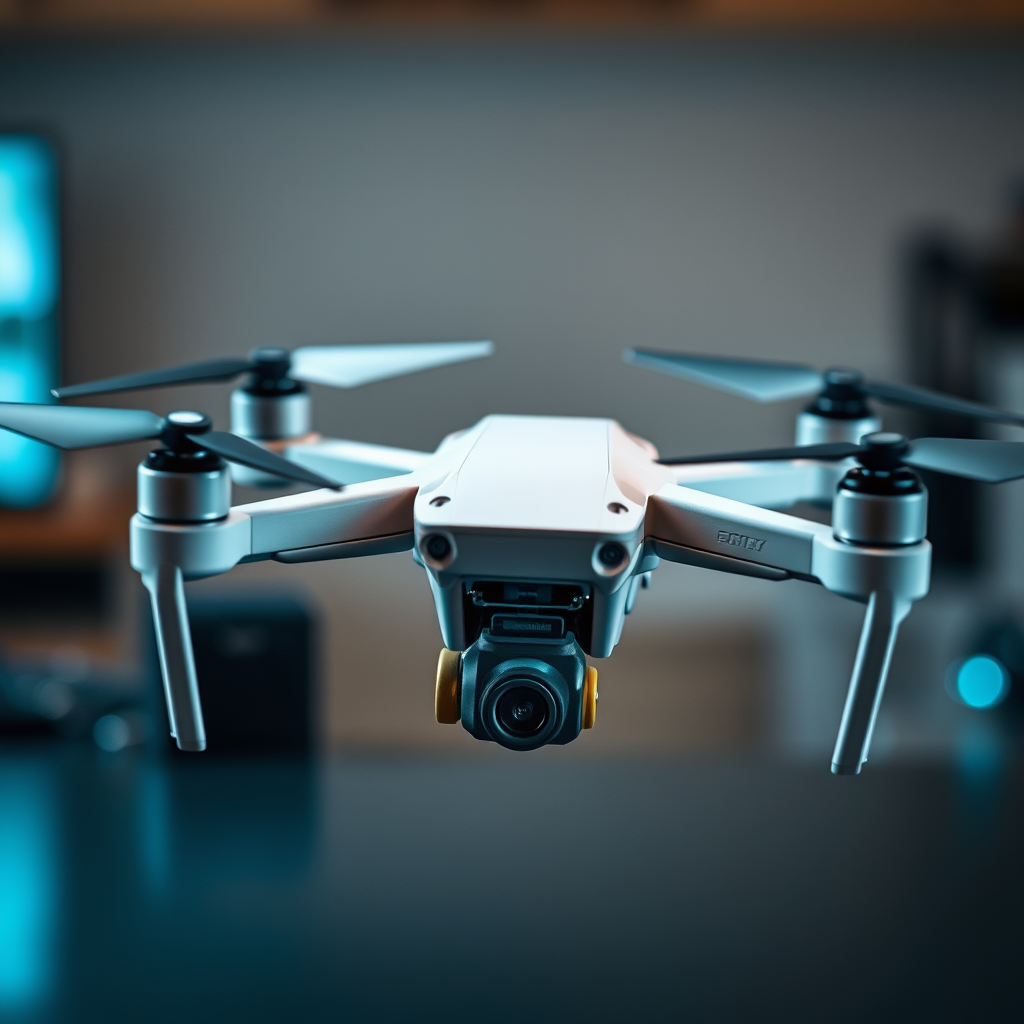
While it may seem logical to oil the motors of your DJI drone to maintain performance, the truth is that DJI drone motors do not require oiling. In fact, doing so may cause more harm than good. Understanding the engineering behind these motors is crucial for drone enthusiasts and professionals alike, as improper maintenance can lead to performance issues or even damage. This article will explore why oiling is unnecessary, how to care for your drone motors, and what to do if you suspect issues.
Understanding DJI Drone Motor Design
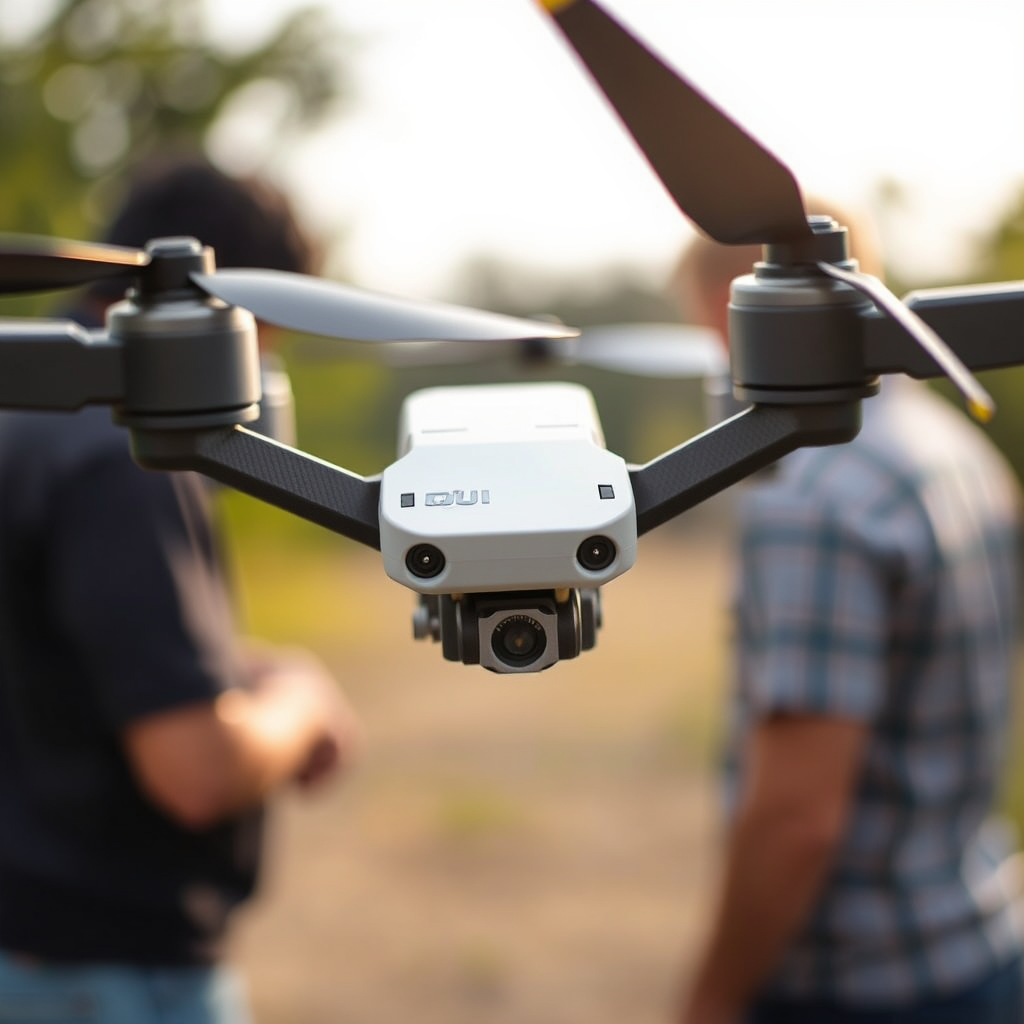
DJI motors are intricately designed with sealed components that prevent the entry of dust, debris, and moisture. This sealing not only protects the internal mechanisms but also ensures that the motors can operate efficiently under various conditions. The materials used in their construction, such as high-grade metals and composite materials, are specifically engineered to minimize friction without the need for additional lubrication. This design philosophy allows for a lightweight and compact motor structure, which is essential for the overall performance of the drone. Therefore, introducing oil into these motors could disrupt their delicate balance, potentially leading to overheating or attracting unwanted contaminants.
Signs That Your Drone Motors Need Attention
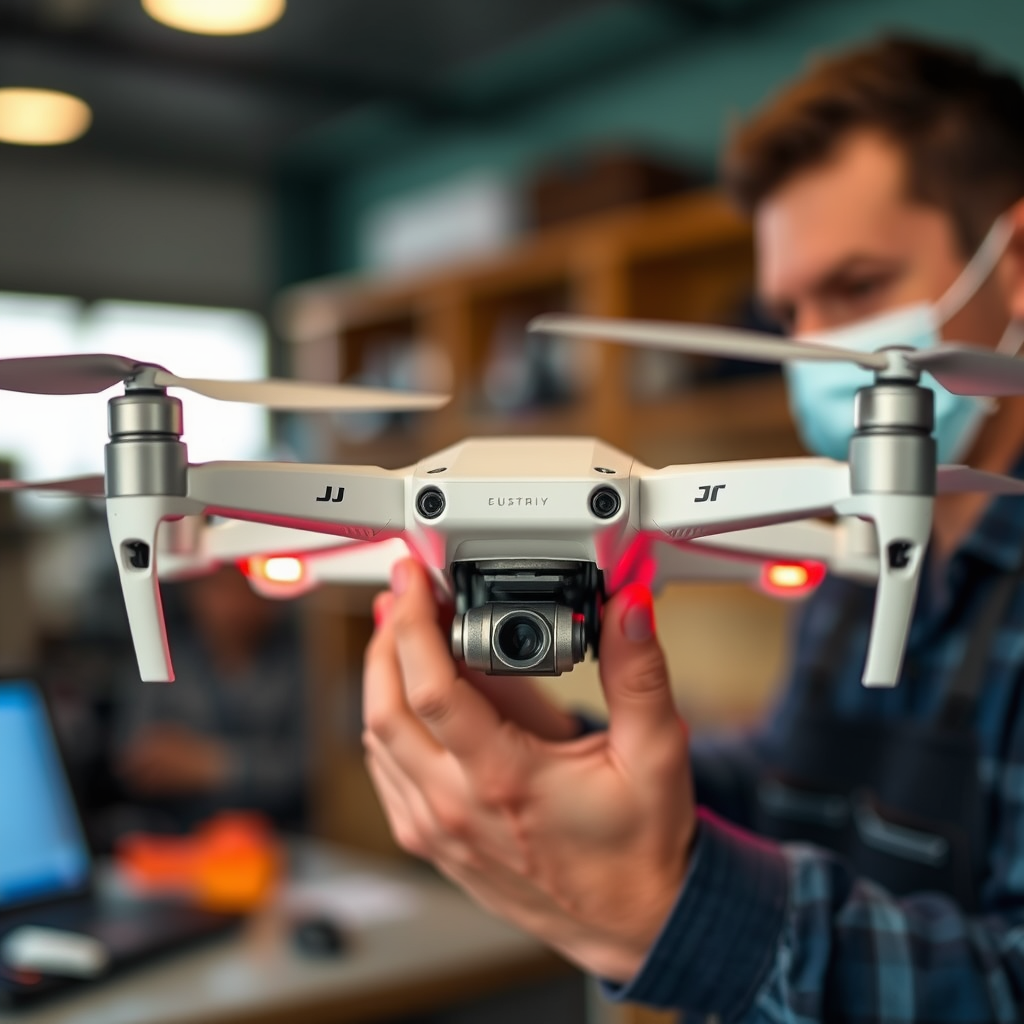
Even though DJI motors do not require oiling, there are still signs you should look out for that indicate your motors may need attention. Unusual noises, such as grinding or clicking, during operation can signal that the motor is struggling or that there is some sort of obstruction. Additionally, decreased performance or erratic behavior—like the drone drifting unexpectedly or having difficulty ascending—might be an indication of motor issues. Regular monitoring of your drone’s performance can help you catch these problems early and address them before they escalate.
Proper Maintenance Practices for Drone Motors
Proper maintenance is crucial for ensuring the longevity and performance of your DJI drone motors. One essential practice is to regularly check for dirt and debris accumulation around the motors and propellers. Even a small amount of dirt can affect motor efficiency and lead to performance issues. After each flight, it’s advisable to gently clean the motors with a soft brush or cloth to remove any residue.
Furthermore, ensuring that the drone is stored in a clean, dry place is equally important. Exposure to humidity or dust while in storage can lead to environmental damage, which could compromise the sealed components of the motors. Implementing a storage routine that includes a protective case or bag can significantly minimize the risk of damage when the drone is not in use.
What to Avoid When Caring for DJI Drone Motors
While proper care can enhance the performance of your DJI drone, there are several practices you should strictly avoid. Never apply any oils or lubricants to the motors, as this can attract dirt and cause wear over time. The introduction of any foreign substance can interfere with the precision engineering of the motors, leading to more serious mechanical failures.
Additionally, avoid exposing the motors to moisture. Water can lead to electrical failures or corrosion, jeopardizing not just the motors but the entire drone. If your drone does come into contact with water, it’s crucial to dry it thoroughly and allow it to air out before attempting to operate it again.
Troubleshooting Common Motor Problems
In the unfortunate event that you experience motor problems, it’s essential to have a systematic approach to troubleshooting. If you find that the motors are unresponsive, the first step should be to check the battery connections and power supply. A loose connection or a depleted battery can often be the culprits behind unresponsive motors.
For overheating issues, allow the motors to cool down before further investigation. Overheating can occur due to extended use or blockages preventing airflow. Inspect the motors for any visible blockages and ensure that the cooling vents are unobstructed. Regular inspection and maintenance can help mitigate these issues and keep your drone flying smoothly.
Seeking Professional Help
If you notice persistent problems with your DJI drone motors, it may be time to seek professional help. Contacting DJI support can provide you with specific guidance tailored to your model and situation. Alternatively, visiting an authorized repair center can ensure that any repairs or replacements are handled by trained professionals using genuine parts.
Moreover, regular professional inspections can help prolong your drone’s lifespan and performance. Just as you would take a car in for routine maintenance, your drone can benefit from periodic check-ups, especially if it experiences heavy usage. This proactive approach can prevent minor issues from escalating into significant, costly repairs.
Maintaining your DJI drone’s motors is crucial for optimal performance, and understanding their design means you won’t need to oil them. Proper care, regular inspections, and avoidance of harmful practices can significantly enhance your drone experience. For more tips on drone care and performance, stay informed and check back for expert advice.
Frequently Asked Questions
Do DJI drone motors require oiling for maintenance?
No, DJI drone motors do not require oiling as part of their maintenance routine. These motors are designed to operate efficiently without lubrication, as applying oil can attract dirt and debris, potentially leading to motor damage. Instead, regular cleaning and inspection of the motors and propellers are recommended to ensure optimal performance.
How can I tell if my DJI drone motors need maintenance?
Signs that your DJI drone motors may need maintenance include unusual noises, decreased performance, or overheating during flight. If you notice any of these symptoms, it’s essential to inspect the motors for dirt, debris, or damage. Additionally, check the propellers for any bends or chips, as they can affect motor performance and overall flight stability.
Why is it important to maintain DJI drone motors?
Regular maintenance of DJI drone motors is crucial for ensuring safe and reliable flight performance. Well-maintained motors help prevent malfunctions that could lead to crashes or loss of control. Furthermore, keeping motors clean and free of debris enhances their lifespan and efficiency, ultimately leading to better flight experiences.
What is the best way to clean DJI drone motors?
The best way to clean DJI drone motors is to use a soft brush or compressed air to gently remove dust and debris from the motor housing and around the propeller mounts. Avoid using liquids or solvents, as these can damage the electrical components. Regularly inspecting and cleaning the motors after each flight can help maintain optimal performance.
Which DJI drone models are known for better motor performance?
DJI models such as the Mavic Air 2 and the Phantom 4 Pro are known for their superior motor performance, offering durability and efficiency in various flying conditions. These models feature advanced motor technology and optimized designs that enhance flight stability, making them popular choices among enthusiasts and professionals alike. Always refer to the manufacturer’s specifications for maintenance tips tailored to your specific model.
References
- Drone
- Unmanned Aircraft Systems (UAS) | Federal Aviation Administration
- https://www.nerdwallet.com/article/investing/drones-guide
- https://www.dronepilotgroundschool.com/drone-maintenance/
- https://www.techradar.com/news/how-to-maintain-your-drone
- https://www.theverge.com/2020/2/26/21152378/dji-drone-maintenance-motors-propellers-repair
