
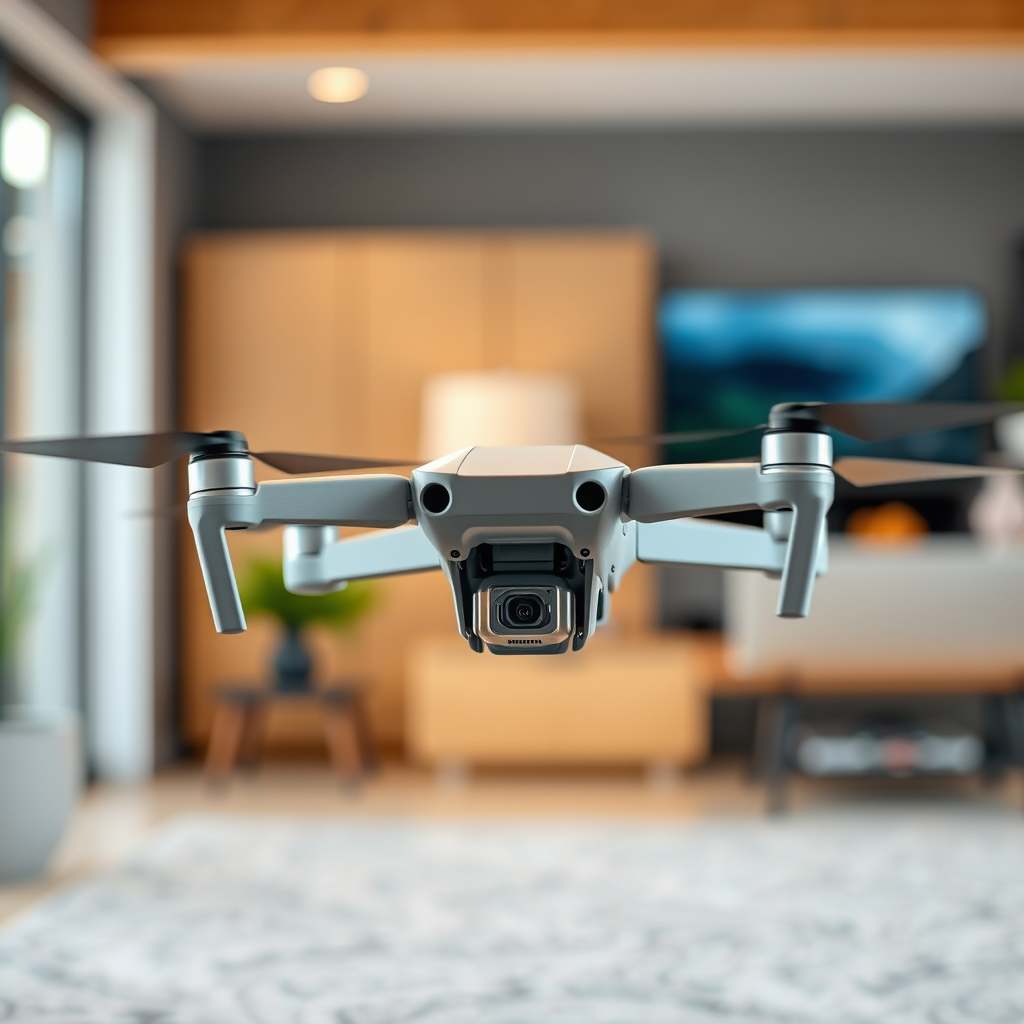
Yes, DJI drones do produce sound, primarily generated by their propellers and motors during flight. The noise levels can vary significantly based on the specific drone model and the surrounding environmental conditions. As drone technology continues to evolve, understanding the sound production from DJI drones becomes increasingly important for users, especially when considering applications in populated areas or sensitive environments. In this article, we will delve into how DJI drones generate sound, the various types of noise they create, and the implications for users and the environment.
Understanding Drone Noise
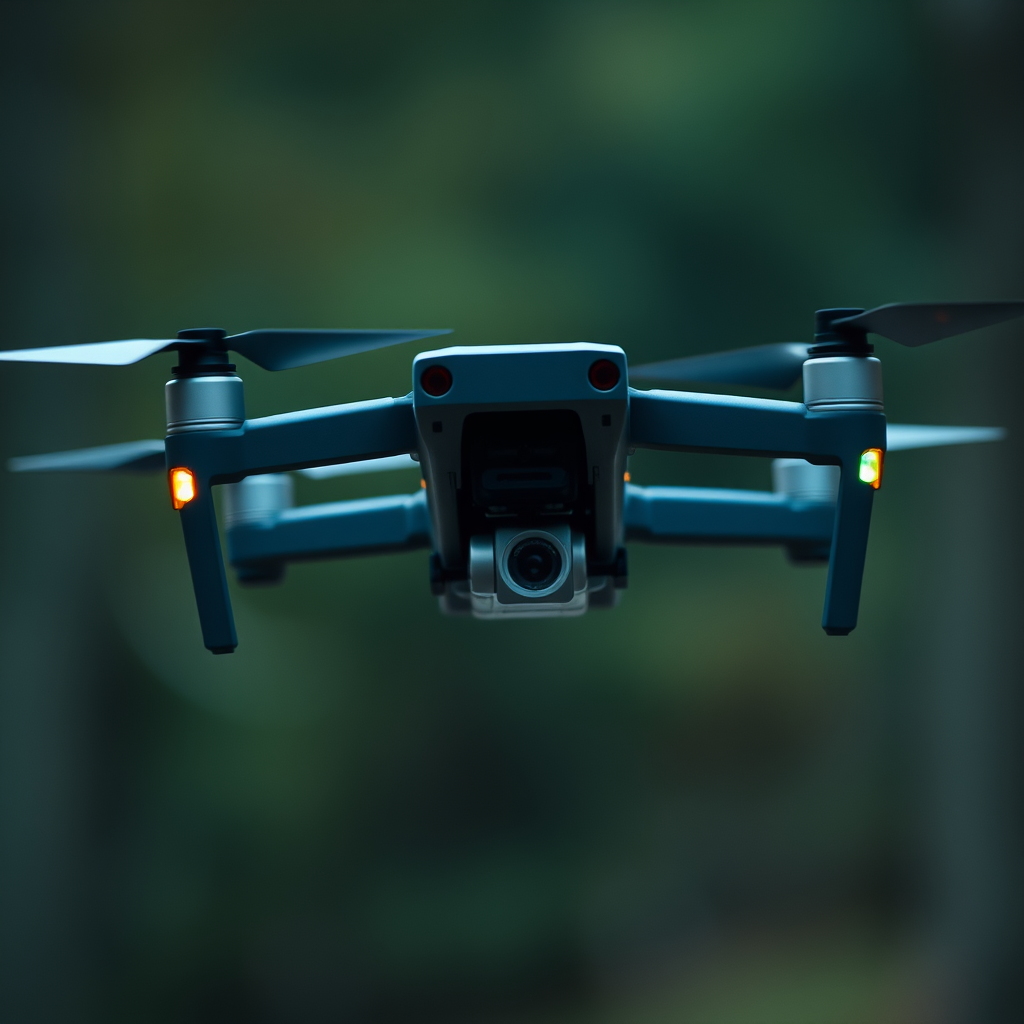
Drones produce sound primarily through two mechanisms: the rotation of their propellers and the operation of their motors. The noise generated can generally be classified into two categories: mechanical noise and aerodynamic noise.
Mechanical noise arises from the drone’s motors, which provide the necessary power for propulsion. This noise is often a low-frequency hum or buzz that can be more pronounced in larger drones with more powerful motors. For instance, the DJI Matrice series, known for its robust capabilities, tends to produce more mechanical noise compared to smaller models like the DJI Mini series.
Aerodynamic noise, on the other hand, is generated by the propeller blades as they slice through the air. This sound is typically higher in frequency and can vary with the speed of the propellers and the design of the blades. For example, DJI has incorporated advanced aerodynamic designs in its propellers to minimize noise without compromising performance, resulting in quieter flight operations compared to many other drones on the market.
Understanding these two types of noise is crucial for drone operators, as it allows them to anticipate how their drones will sound in different flying conditions and environments.
Factors Influencing Sound Levels
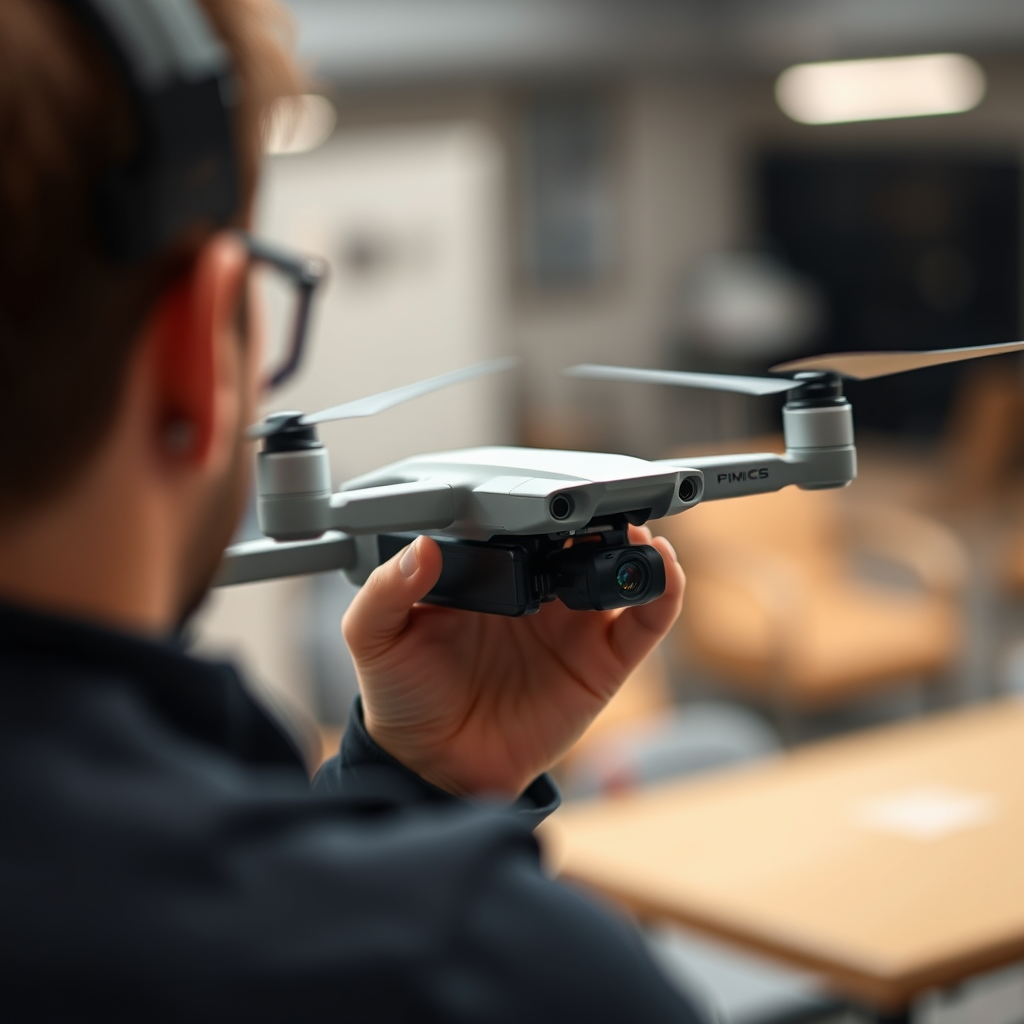
Several factors influence the sound levels produced by DJI drones, with design and environmental conditions playing pivotal roles.
The design and size of a drone are significant determinants of its noise output. Larger drones, such as the DJI Inspire series, generally produce more sound due to their greater size and more powerful motors. Conversely, smaller models, such as the DJI Mini 2, are engineered to be quieter, making them suitable for use in residential areas or near wildlife.
By recognizing these factors, drone operators can better manage their flight conditions to minimize noise disturbances.
Comparisons with Other Drones
When comparing DJI drones to other brands, it is clear that DJI has made significant strides in reducing noise levels. Many competitors, particularly older models, can produce more noise due to less refined engineering and design. For instance, while some racing drones are designed for speed and agility, they can be significantly louder due to their high-pitched motors and less aerodynamic propellers.
DJI’s focus on acoustics has led to innovations such as quieter propeller designs and more efficient motor systems. For example, the DJI Air 2S incorporates advanced noise-reduction technology that helps it operate more quietly than many of its competitors, making it a preferred choice for filmmakers and businesses that require discretion.
Understanding how DJI’s sound production compares to other brands can help potential users select the right drone for their specific needs, especially for applications where noise levels are a critical consideration.
Applications and Implications of Drone Sound
The sound produced by drones has far-reaching implications for their use in various applications, particularly in urban areas, wildlife monitoring, and film production. In densely populated regions, the noise from drones can be a source of disturbance, prompting local regulations that limit their operation. For example, in many cities, drone operators are advised to keep their flights at a distance from residential areas to minimize noise pollution.
In wildlife monitoring, drones are increasingly used to observe animal behavior without human interference. However, the sound produced by drones can disturb sensitive species, leading to potential changes in their behavior or habitat use. Thus, quieter drones are often preferred for ecological studies to ensure minimal disturbance.
In the realm of film production, sound considerations are paramount. Filmmakers often seek quieter drones to avoid disrupting the audio quality of their recordings. DJI has recognized this need and developed drones like the Mavic Air 2, which provides excellent performance while maintaining low noise levels, making it ideal for filmmakers and content creators.
Tips for Minimizing Drone Noise
Users looking to minimize the noise produced by their DJI drones can adopt several strategies. One effective technique is to adjust flight patterns. Flying at lower speeds or higher altitudes can significantly reduce the perceived noise levels. For instance, ascending quickly to cruising altitude before initiating filming can help keep the drone sound farther away from the ground.
Selecting quieter drone models is another practical approach. DJI has a range of options designed with noise reduction in mind, such as the DJI Mini SE, which is not only compact but also engineered to operate quietly.
Additionally, operators can explore sound-dampening accessories. Some aftermarket solutions, such as propeller modifications or noise-reducing attachments, are designed to minimize the sound produced during flight. These accessories can be especially beneficial for commercial operators who need to comply with strict noise regulations.
Regulatory Considerations
As drone usage becomes more widespread, regulatory considerations regarding drone noise levels are increasingly relevant. Many regions have established guidelines that govern acceptable noise levels for drone operations, particularly for commercial use. For instance, in some urban areas, noise regulations may limit drone flights to specific times of day to minimize disturbances to residents.
Understanding local laws is crucial for drone operators to avoid potential fines and ensure responsible operation. This knowledge not only helps in legal compliance but also promotes community acceptance of drone technology. Engaging with local authorities and communities can foster better relationships and pave the way for more flexible regulations that consider both innovation and public interest.
The sound produced by DJI drones is a significant factor for both users and the environment. By exploring how noise is generated and understanding its implications, drone operators can make informed decisions about their equipment and flying practices. For those interested in minimizing noise, consider researching quieter models or techniques to reduce sound output during flight. Ultimately, navigating the balance between technological advancement and environmental impact will be key to the future of drone utilization.
Frequently Asked Questions
Do DJI drones have built-in sound recording capabilities?
Most DJI drones do not come with built-in sound recording capabilities. While they excel in capturing high-quality video and images, the absence of an integrated microphone means that sound must be recorded separately. However, some users opt to use external microphones or audio recording devices to capture sound during their aerial shoots, which can later be synced with the video in post-production.
How noisy are DJI drones when flying?
DJI drones are generally considered to be relatively quiet compared to other drones on the market, but the noise level can vary depending on the model and the flying conditions. For instance, the DJI Mavic series is known for its quieter operation due to its efficient propeller design. While they produce some sound, most users find the noise level manageable, though it is advisable to be mindful of local noise regulations when flying in populated areas.
Why do DJI drones make noise while flying?
DJI drones generate noise primarily due to the rotation of their propellers and the operation of their motors. The sound is a byproduct of the aerodynamic forces acting on the propellers as they cut through the air. While noise can be a concern for some users, it’s important to note that the drone’s design aims to minimize sound output without compromising performance, making them suitable for various shooting scenarios.
What is the best way to capture sound while using a DJI drone?
The best way to capture sound while using a DJI drone is to use an external audio recording device, such as a portable digital recorder or a smartphone, in conjunction with the drone’s video footage. For optimal results, place the microphone close to the sound source you want to capture. After recording, you can synchronize the audio with the drone footage in video editing software, ensuring high-quality sound that enhances your overall production.
Which DJI drones are the quietest for filming in noise-sensitive environments?
The DJI Mavic Air 2 and the DJI Mini 2 are among the quietest models in DJI’s lineup, making them ideal for filming in noise-sensitive environments. These drones feature advanced propeller designs that significantly reduce noise output. Additionally, their compact size and lightweight construction contribute to quieter flights, which is beneficial when filming in residential areas, nature reserves, or during events where noise may be a concern.
References
- https://en.wikipedia.org/wiki/Drone_sound
- https://www.sciencedirect.com/science/article/abs/pii/S2352864817301610
- https://www.researchgate.net/publication/330568232_Acoustic_Analysis_of_Drones_Sounds
- https://www.nist.gov/news-events/news/2019/07/listening-drones-acoustic-sensor-technology
- https://www.theguardian.com/technology/2019/aug/20/drones-sound-technology-research
- https://www.ncbi.nlm.nih.gov/pmc/articles/PMC8010090/
- https://www.nature.com/articles/s41598-020-75406-7
