
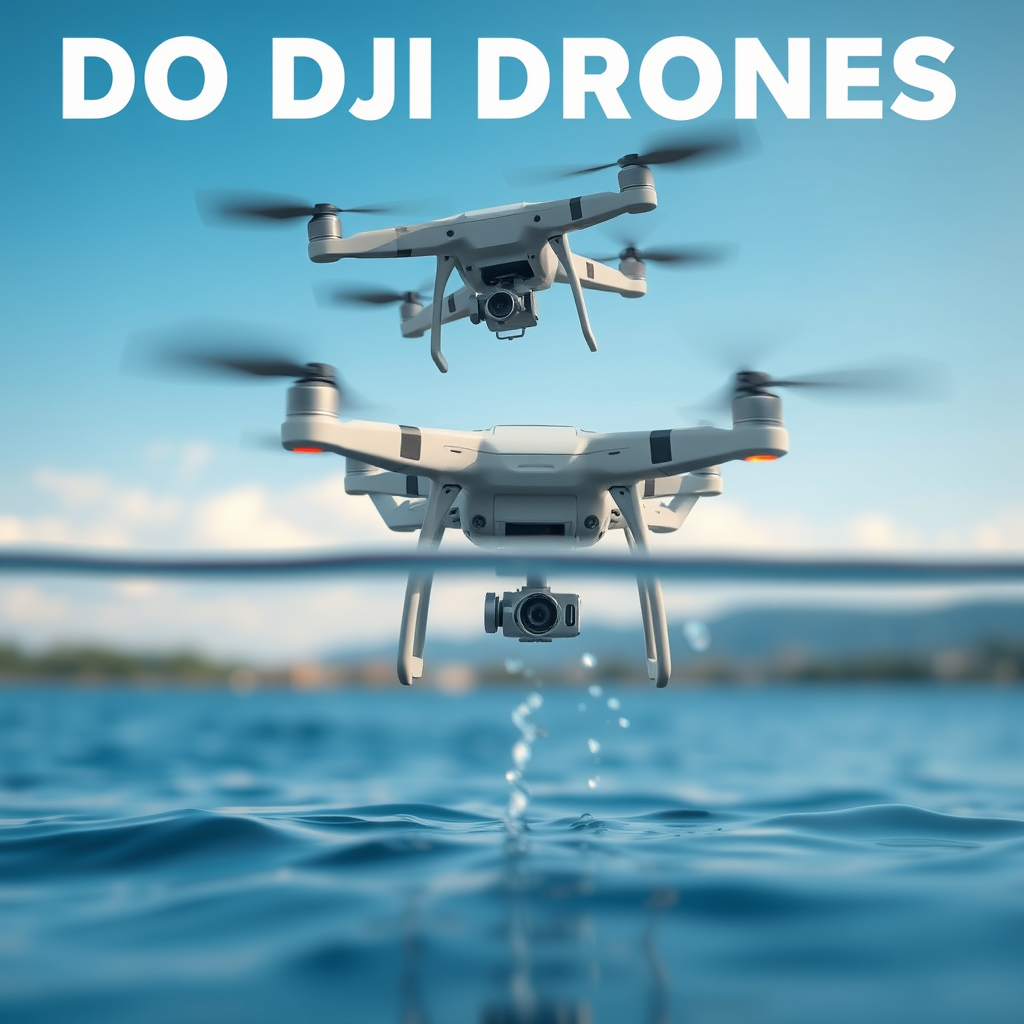
While most DJI drones are not designed to float on water, certain models offer some level of water resistance. This means that while they can withstand some exposure to moisture, they are not suitable for activities like flying over water or landing on wet surfaces without risk. In this article, we’ll explore the specifics of DJI drones and their capabilities regarding water exposure, including which models might handle water better than others and what precautions you should take.
Key Features of DJI Drones
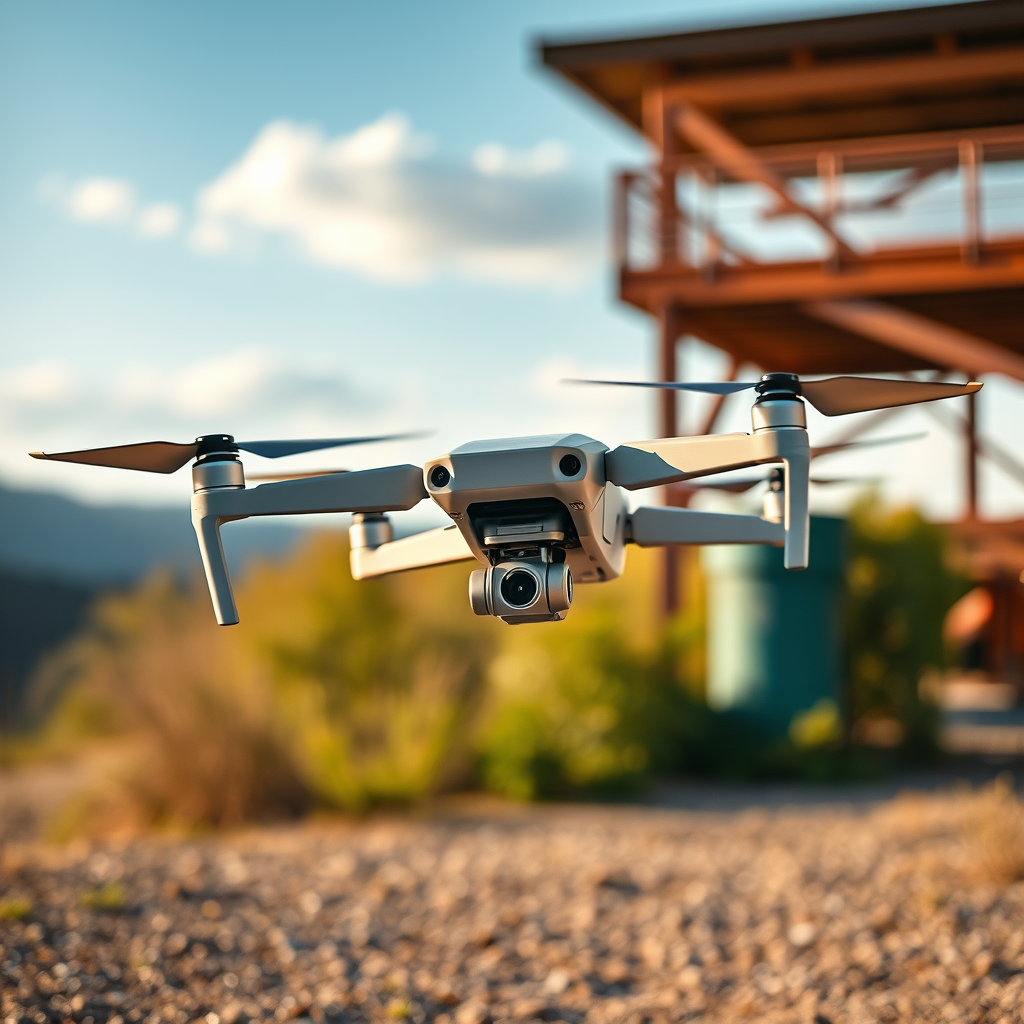
DJI has established itself as a leader in the drone industry, offering a variety of models tailored for different needs, from recreational flying to professional photography. Popular models such as the DJI Mavic Air 2, DJI Phantom 4 Pro, and DJI Mini 2 are known for their advanced features, including high-definition cameras, intelligent flight modes, and robust flight stability.
When discussing water resistance, it is essential to understand the different water resistance ratings that apply to drones. Most DJI drones do not have an official IP (Ingress Protection) rating, which is commonly used to classify the degree of sealing effectiveness of electrical enclosures against intrusion from foreign bodies and moisture. However, certain models are built with materials and designs that offer some protection against splashes and light rain, though they should not be submerged in water.
Water Resistance vs. Floatation
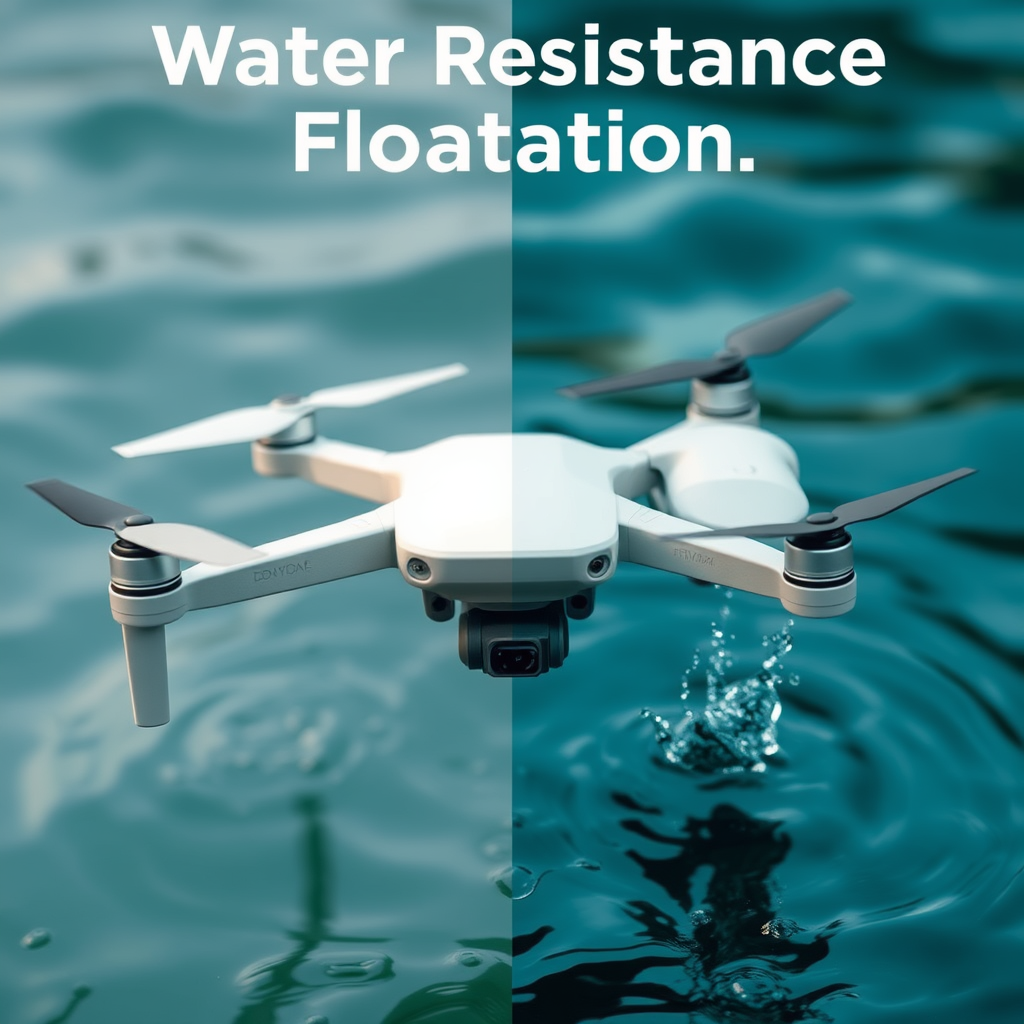
Water resistance refers to a drone’s ability to withstand moisture exposure without incurring damage, while floatation is the ability of an object to remain on the surface of the water without sinking. These two concepts are often conflated, but they are fundamentally different. A water-resistant drone might survive light rain or splashes, but that does not mean it will float if it lands in water.
Environments where water resistance is crucial include coastal areas, lakes, and rivers where unexpected weather changes may occur. For instance, flying a drone over a lake can expose it to unanticipated water splashes or mist, making it imperative for operators to consider a drone’s water resistance capabilities before taking to the skies.
Which DJI Drones Have Water Resistance?
While most DJI drones lack explicit water resistance ratings, a few models are recognized for their enhanced capabilities against moisture. For example, the DJI Mavic 3 is known for its advanced engineering, which includes sealed components to protect against light rain and splashes. Similarly, the DJI Phantom 4 Pro has been noted for its slightly better resistance due to robust build quality, making it suitable for flying in misty conditions.
These models may have features such as gaskets and reinforced seals that provide some degree of protection, but users should not confuse this with full waterproofing. When operating near water, it’s essential to understand these limitations and plan accordingly.
Precautions When Operating Drones Near Water
Flying drones near bodies of water presents unique challenges and risks. To minimize potential issues, operators should adhere to best practices. First, avoid flying during windy conditions, as gusts can lead to unintended landings in water. Second, maintain a safe distance from the water’s edge to reduce the risk of splashes.
Before flying, consider using a drone landing pad if you’re planning to take off or land near water. This will help ensure that your drone remains clean and reduce the risk of damage from wet surfaces. Additionally, be vigilant of local wildlife, as birds and other animals may react to the drone’s presence, potentially causing accidents.
What to Do if Your Drone Falls in Water
In the unfortunate event that your drone lands in water, immediate action is crucial to minimize damage. First, retrieve the drone as quickly as possible to prevent prolonged exposure to moisture. Once you have the drone, remove the battery immediately to cut off power and reduce the risk of short-circuiting.
Next, disassemble the drone as much as possible, including removing the camera and propellers. Dry the exterior carefully with a soft towel and, if possible, place the drone in a bag of uncooked rice or silica gel packets to absorb moisture. After drying, inspect all components for signs of corrosion or damage before attempting to power it back on.
Maintenance Tips for Water-Exposed Drones
Regular maintenance is vital for drones that have been exposed to water, even if they are water-resistant. After flying in wet conditions, clean your drone thoroughly to remove any residual moisture or debris. Use a soft brush and a microfiber cloth to wipe down the body, and ensure that the motors and propellers are free from water and debris.
For added protection, consider applying a water-repellent spray designed for electronics, ensuring it is compatible with your drone’s materials. Regularly check for any signs of wear or damage, especially in areas where water may have infiltrated. This proactive approach can help extend the lifespan of your drone and ensure it remains in optimal operating condition.
In summary, while DJI drones are not built to float, some models offer water resistance that can help in certain situations. Understanding the differences between water resistance and floatation is essential for safe operation near bodies of water. Always exercise caution when flying near water and be prepared with proper maintenance and recovery steps. For more insights on drone care and safety, consider following our blog for updates and tips.
Frequently Asked Questions
Do DJI drones float on water?
Most DJI drones are not designed to float on water. They are built primarily for aerial photography and videography, which means they lack buoyancy features. If a DJI drone lands in water, it can be severely damaged, and water exposure can cause significant electrical issues, so it’s important to avoid flying near large bodies of water unless you have a waterproof model or are prepared for potential crashes.
How can I make my DJI drone waterproof?
To make your DJI drone waterproof, you can use waterproofing kits or sprays designed for electronics, which can provide a certain level of water resistance. However, keep in mind that this is not a guaranteed solution, as most modifications may void the warranty. It’s always best to check with the manufacturer for any specific waterproof models, like the DJI Mavic 2 Enterprise, which offers some level of water resistance.
Why do DJI drones not float?
DJI drones do not float because they are not designed with buoyancy in mind. The materials and design of these drones prioritize lightweight construction and aerodynamics over flotation. Additionally, the internal components, such as batteries and electronic circuits, are not sealed against water, making them susceptible to damage if they come into contact with water.
What should I do if my DJI drone lands in water?
If your DJI drone lands in water, the first step is to retrieve it immediately to minimize damage. Once you have the drone, turn it off and remove the battery as quickly as possible. Allow the drone to dry thoroughly in a warm, dry place for at least 24-48 hours before attempting to power it on again, but keep in mind that water damage may be irreversible.
Which DJI drones are water-resistant or suitable for wet conditions?
The DJI Mavic 2 Enterprise and the DJI Matrice 200 Series are examples of DJI drones that offer some level of water resistance. These models are designed for industrial applications and can handle light rain or wet conditions, but they are not completely waterproof. Always refer to the manufacturer’s specifications and guidelines for safe flying conditions to ensure the longevity of your drone.
References
- DJI
- https://www.bbc.com/news/technology-58687098
- https://www.sciencedirect.com/science/article/pii/S0098306120304743
- https://www.nytimes.com/2021/04/30/science/drones-water.html
- https://www.nasa.gov/centers/langley/news/factsheets/2018.html
- https://www.cnet.com/tech/mobile/dji-mavic-mini-3-drone-review/
- https://www.faa.gov/uas/getting_started/what_is_a_drone/
- https://www.wired.com/story/dji-drone-water-resistance/
