
When it comes to DJI drones, many models are equipped with anti-collision lights designed to enhance visibility and safety during flight. These lights are particularly beneficial for nighttime flying or in low-light conditions, significantly aiding in the prevention of collisions and improving awareness of the drone’s position. With the increasing popularity of drone usage, understanding the features and importance of these anti-collision lights becomes essential for both recreational and professional pilots.
Understanding Anti-Collision Lights
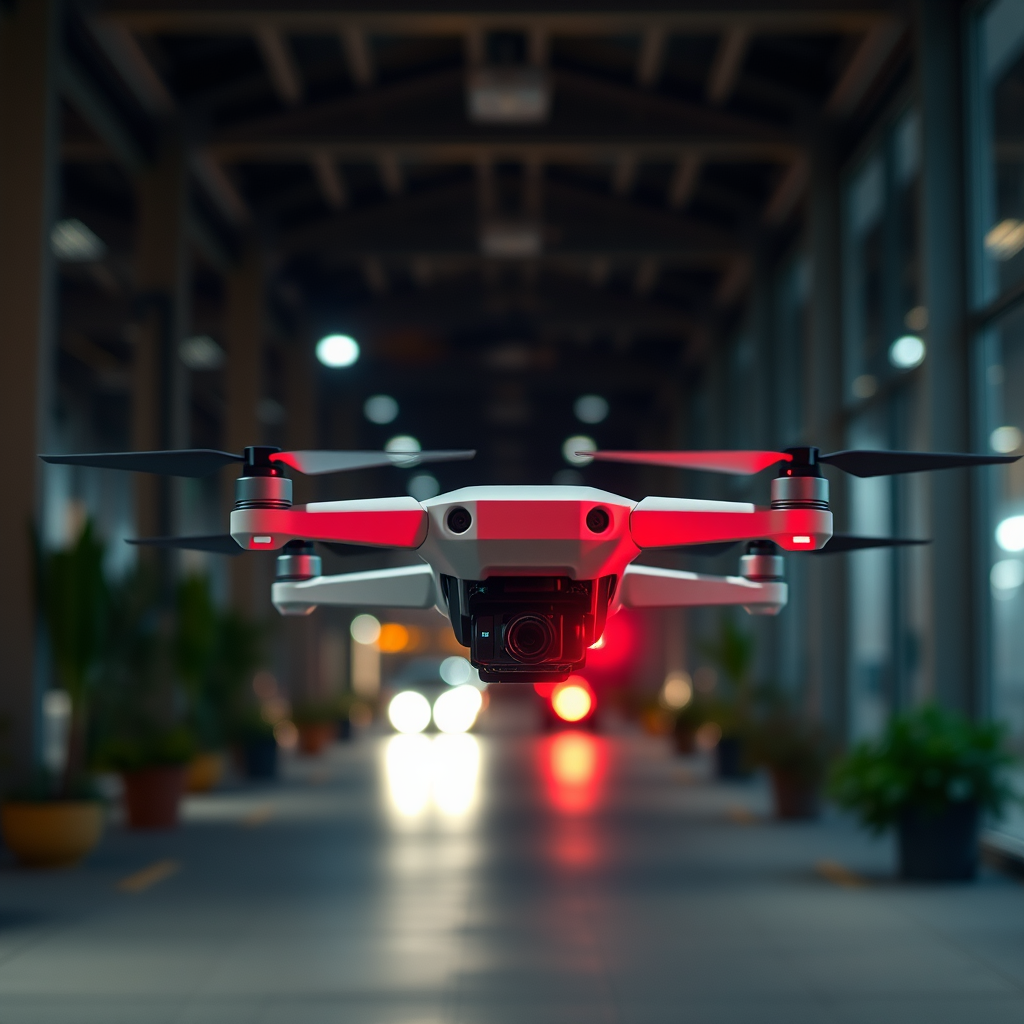
Anti-collision lights are specifically engineered to increase the visibility of drones to both other pilots and ground observers, thereby reducing the risk of accidents. These lights typically either flash or emit a steady beam of light, which aids in identifying the drone’s location and orientation in the sky. By making the drone more conspicuous, these lights help ensure that other aircraft and individuals on the ground can see the drone from a distance, particularly in challenging visibility conditions.
The technology behind these lights is often based on LED systems, which are known for their low power consumption and high brightness. This means that even at considerable distances, the drone can be easily spotted, providing an additional layer of safety during operations. In many models, the anti-collision lights are integrated into the drone’s body and are positioned to maximize visibility from various angles.
Importance of Anti-Collision Lights
The importance of anti-collision lights cannot be overstated, especially when considering the safety and compliance aspects of drone operation. First and foremost, these lights enhance safety by significantly reducing the risk of mid-air collisions, which can occur when drones are operating in shared airspace with other aircraft. By ensuring that a drone is visible to other pilots, anti-collision lights help mitigate dangerous situations that could lead to accidents.
Moreover, many aviation regulations across the globe require that drones operating after sunset or in low-light conditions be equipped with visibility aids, including anti-collision lights. Compliance with these regulations is not only a legal requirement but also reflects a pilot’s commitment to safety. For instance, in the United States, the Federal Aviation Administration (FAA) mandates that all unmanned aerial vehicles (UAVs) flying at night must have lights that allow for the drone to be seen from a distance.
DJI Models with Anti-Collision Lights
Several DJI models come standard with anti-collision lights, making them suitable for a range of nighttime operations. The DJI Mavic series, including the Mavic Air 2 and the Mavic 3, are equipped with these lights, enabling pilots to fly confidently in low-light conditions. The Mavic series is well-known for its compact design and advanced features, and the inclusion of anti-collision lights further enhances their value for both recreational and professional users.
Another prominent model featuring these lights is the DJI Phantom 4 Pro. This drone is widely used in commercial applications such as surveying, mapping, and videography, where operational safety is paramount. The anti-collision lights on the Phantom 4 Pro facilitate safe aerial operations during twilight and nighttime, ensuring that pilots can meet both regulatory requirements and safety standards.
In addition to these models, DJI continues to innovate and integrate safety features across its product lineup, so future releases may also include enhanced anti-collision technologies.
How Anti-Collision Lights Function
Most anti-collision lights on DJI drones utilize LED technology, which provides bright and efficient illumination while consuming minimal power. These lights are designed to operate automatically when the drone is powered on, ensuring that safety features are always engaged before takeoff. The lights can typically be observed from significant distances, depending on environmental factors such as weather conditions and surrounding terrain.
The functionality of these lights is often complemented by other onboard systems like GPS and obstacle detection sensors, which collectively work towards improving situational awareness for the pilot. When pilots activate their drones, the anti-collision lights serve as a visual cue for both the operator and others in the vicinity, helping maintain safe distances from other aircraft and obstacles.
Additionally, some models allow for customization of light settings, enabling pilots to adjust the brightness or flashing patterns based on specific flying conditions or personal preferences. This flexibility can be particularly useful in professional settings, where operational requirements may vary.
Regulatory Considerations
Drone pilots must be aware of the various regulations that govern the use of anti-collision lights, especially when flying at night. Different countries have different rules, and compliance with these regulations is critical for safe and legal drone operation. In the United States, for example, the FAA requires that drones used at night must be visible from at least three statute miles away, which is often achievable with properly functioning anti-collision lights.
In Europe, the European Union Aviation Safety Agency (EASA) also has specific regulations regarding visibility aids for drones, particularly for those classified as heavier UAVs. Understanding local laws is crucial for pilots, as violations can lead to hefty fines or, worse, accidents that could jeopardize public safety.
Before flying, pilots should familiarize themselves with their country’s specific requirements regarding drone visibility and anti-collision lights, ensuring they are well-informed and compliant with all safety measures.
Tips for Using DJI Drones at Night
When planning to operate DJI drones during nighttime, there are several best practices to consider to maximize safety and compliance. First and foremost, always check your drone’s light functionality before embarking on nighttime flights. This includes verifying that the anti-collision lights are functioning correctly and that there are no obstructions that could hinder their effectiveness.
Additionally, maintaining visual line-of-sight with your drone is essential, even when using anti-collision lights. Depending solely on the lights may lead to disorientation, especially if the drone is at a significant distance. Pilots should practice flying in low-light conditions during the day to become accustomed to the drone’s behavior and handling.
Moreover, consider flying in open areas with minimal obstacles to reduce the risk of collisions. It’s also advisable to inform others in your vicinity of your flying activities, as this can further enhance safety and awareness.
Lastly, utilizing drone apps that provide real-time data about airspace and weather conditions can be beneficial for planning night flights. These apps can help identify any potential hazards in the area, allowing pilots to make informed decisions.
In summary, many DJI drones come equipped with anti-collision lights that significantly enhance safety during flights, particularly at night. If you’re considering a DJI model for your next aerial adventure, make sure to check for these features to ensure compliance and safety. For more information on specific drone models and their capabilities, explore DJI’s official website or consult your local drone community.
Frequently Asked Questions
Do DJI drones come equipped with anti-collision lights?
Yes, many DJI drones, such as the Mavic series and Phantom models, are equipped with anti-collision lights. These lights are designed to enhance visibility, especially during low-light conditions or nighttime flights, helping to prevent collisions with other aircraft and obstacles. However, it’s important to check the specifications of the specific DJI model you are considering, as not all models may have this feature.
How do anti-collision lights work on DJI drones?
Anti-collision lights on DJI drones function by emitting bright, flashing lights that make the drone more visible to other pilots and observers. These lights typically operate in a specific color pattern, which can vary by model, to signal the drone’s position and movement. This visibility is crucial for safety, particularly when flying in crowded areas or near airports.
Why are anti-collision lights important for drone safety?
Anti-collision lights are vital for drone safety because they significantly reduce the risk of mid-air collisions. In many jurisdictions, regulations require drones to have lights when flying at night or in low visibility conditions. By ensuring that your DJI drone is equipped with these lights, you not only comply with legal requirements but also enhance overall flight safety for both the drone and surrounding air traffic.
What is the best practice for using anti-collision lights on a DJI drone?
The best practice for using anti-collision lights on a DJI drone includes ensuring that the lights are turned on during every flight, particularly in low-light conditions or at night. Additionally, familiarize yourself with the drone’s manual to understand the specific functionality of the lights, including different modes and colors, and always conduct a pre-flight check to confirm that the lights are operational before takeoff.
Which DJI drones have the best anti-collision light systems?
DJI models such as the Mavic Air 2, Mavic 3, and Phantom 4 Pro are known for having effective anti-collision light systems that enhance visibility. These drones come with bright, multi-directional lights that not only comply with aviation regulations but also provide excellent visual indicators during flight. When selecting a drone, consider these models for their advanced lighting systems and overall safety features.
References
- Drone
- https://www.faa.gov/uas/getting_started/drone_laws
- https://www.nasa.gov/feature/understanding-drone-traffic-management
- https://www.reuters.com/article/us-technology-drones-idUSKCN1VV0M8
- https://www.techrepublic.com/article/the-future-of-drones-what-you-need-to-know/
- https://www.sciencedirect.com/science/article/pii/S2352864819303198
