
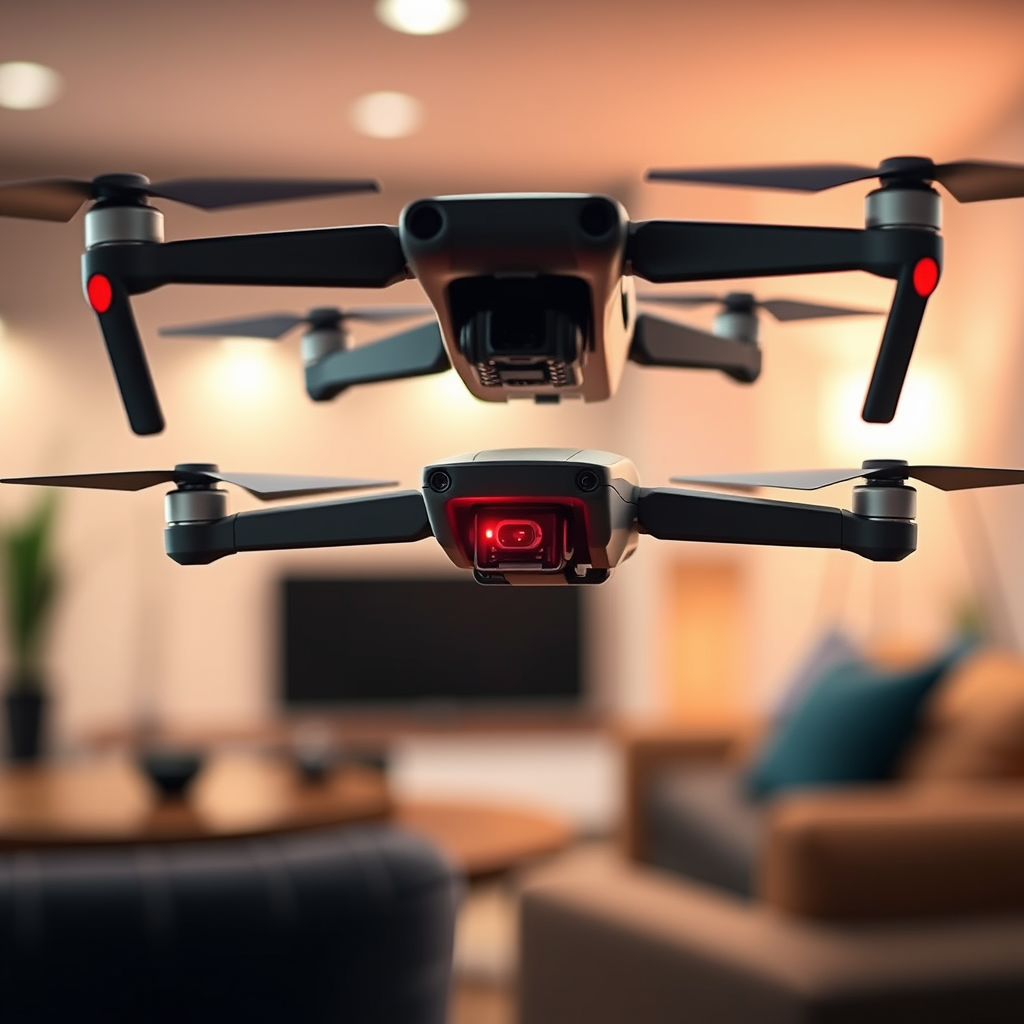
Yes, DJI drones use lithium batteries, specifically lithium polymer (LiPo) batteries, which are engineered to meet the demanding requirements of aerial photography and videography. These batteries are crucial for delivering high performance, efficiency, and reliability, essential for both hobbyists and professionals alike. In this article, we will delve deeper into the types of lithium batteries utilized in DJI drones, explore the benefits they offer, and discuss important considerations for their maintenance and safety.
Understanding Lithium Batteries in DJI Drones
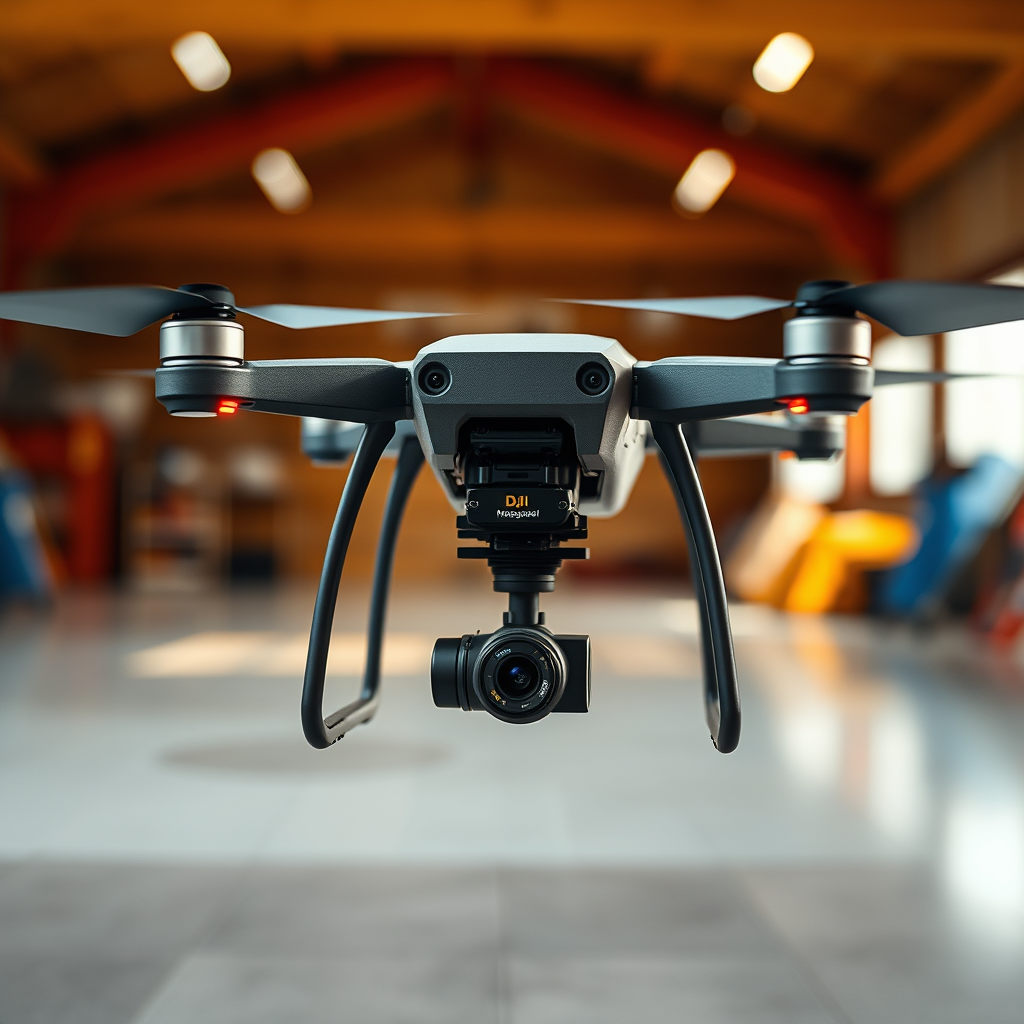
DJI primarily employs lithium polymer (LiPo) batteries across its range of drones. Unlike traditional lithium-ion batteries, LiPo batteries are specifically designed to provide a higher energy density, which is critical for achieving longer flight times and enhanced performance. This characteristic allows users to capture more footage on a single charge, making them ideal for professional applications where time in the air can significantly impact productivity.
Furthermore, the design of LiPo batteries facilitates a flatter and lighter profile, which helps in maintaining the overall weight and aerodynamics of the drone. As a result, DJI drones can achieve optimal flight characteristics, maneuverability, and stability, crucial for capturing high-quality images and videos.
Benefits of Lithium Batteries
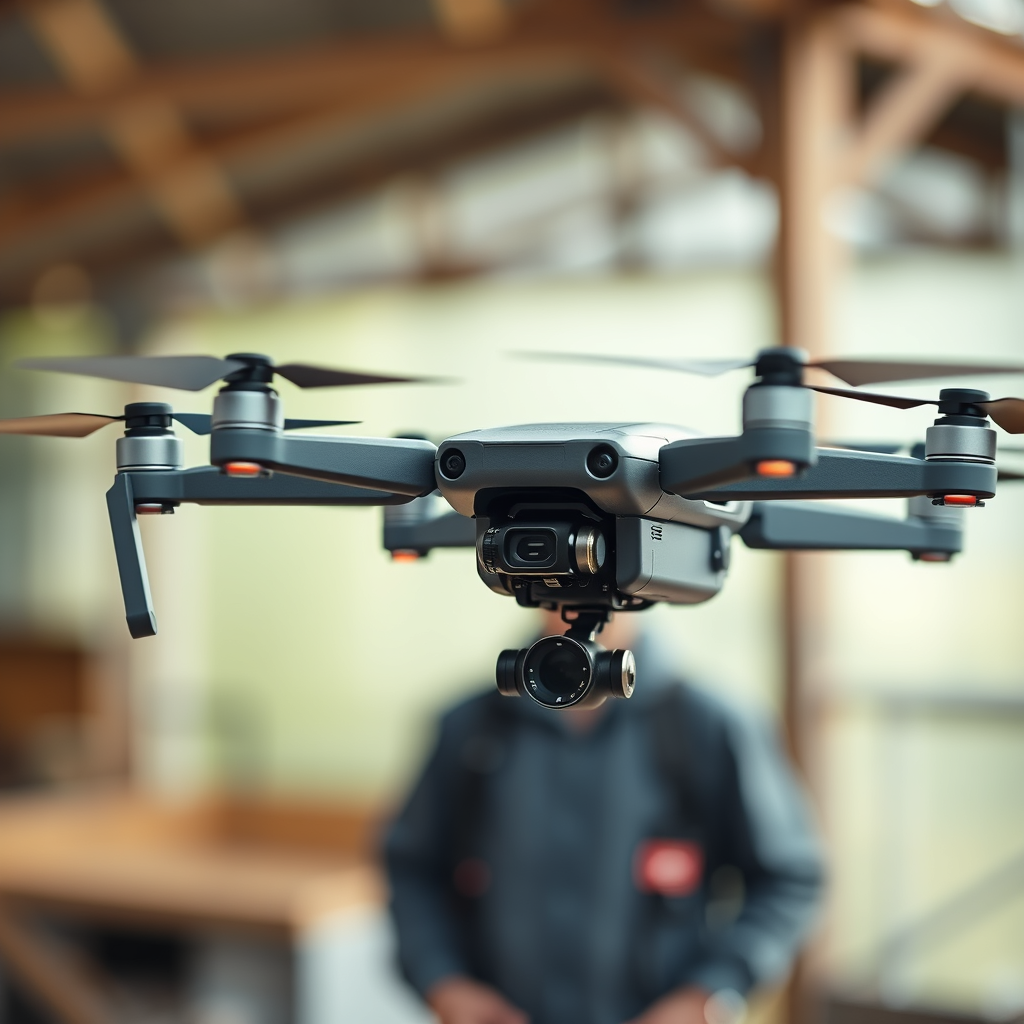
One of the standout advantages of lithium batteries, particularly LiPo batteries, is their lightweight design. This attribute contributes significantly to better flight efficiency, as lighter drones can ascend more rapidly and maintain stability during flight. For instance, a drone equipped with a lightweight battery can perform agile maneuvers, making it suitable for both racing and cinematic applications.
In addition to their lightweight nature, LiPo batteries also boast fast charging capabilities. Most DJI batteries can be charged quickly, allowing pilots to minimize downtime between flights. This rapid recharge feature is particularly beneficial for professional drone operators who need to maximize their operational time during shoots. For example, DJI’s Intelligent Flight Batteries can be charged to 80% in about 30 minutes, thus enabling quick turnarounds during busy shooting schedules.
Battery Specifications and Variants
Different DJI drone models come with specific battery capacities and voltages, which are critical factors in determining flight time and performance. For instance, the DJI Mavic Air 2 uses a 3500 mAh battery, while the Mavic Mini operates with a smaller 2400 mAh battery. Understanding these specifications allows users to select the appropriate battery for their specific drone model, ensuring optimal performance and safety.
Additionally, DJI has developed various battery types tailored for individual drone functionalities. For example, the DJI Phantom 4 series utilizes a 5350 mAh battery that supports intelligent battery management features, such as automatic discharge and power level monitoring. Familiarizing oneself with the specifications of each battery variant empowers users to make informed decisions that align with their flying needs.
Proper Battery Maintenance
To prolong the lifespan of lithium batteries, regular maintenance is essential. Users should routinely check the battery health by monitoring cycle counts and the overall condition of the battery casing. Storing batteries properly is equally important; they should be kept in a cool, dry place away from direct sunlight or extreme temperatures. DJI recommends storing batteries at around 50% charge if they are not going to be used for an extended period.
Following proper charging protocols is vital to prevent overcharging, which can lead to battery damage or even failure. Utilizing DJI-approved chargers ensures that the battery receives the correct voltage and current, minimizing the risk of mishaps. Additionally, users should avoid letting the battery completely discharge, as this can adversely affect its ability to hold a charge over time.
Safety Considerations
While lithium batteries provide remarkable performance, they can also be volatile if mishandled. Therefore, it is crucial to adhere to safety measures when using and storing these batteries. Users should always utilize DJI-approved chargers and avoid using third-party chargers that may not be compatible with the battery specifications.
Moreover, batteries should be stored in a fireproof container and kept away from flammable materials. Regular inspections for signs of damage, such as swelling or leakage, are necessary to prevent potential hazards. If any irregularities are detected, the battery should be disposed of according to local regulations.
Troubleshooting Common Battery Issues
Identifying signs of battery issues is essential for maintaining drone performance. Common indicators of battery problems include swelling, reduced performance, or failure to hold a charge. If users notice any of these signs, they should cease usage immediately and investigate further.
Calibration and resetting of the battery may also be required to ensure optimal performance. DJI drones often come with built-in features that allow users to calibrate their batteries through the DJI Go app, ensuring that the battery operates efficiently. Regular software updates can also improve battery management and performance, so users should keep their drone software current.
Future of Battery Technology in Drones
The future of battery technology in drones is promising, with ongoing research and development aimed at enhancing performance and efficiency. Innovations such as solid-state batteries and advanced lithium-sulfur technologies hold the potential to significantly increase energy density and reduce weight, further improving flight times and payload capacities.
Additionally, advancements in battery management systems may provide users with better monitoring capabilities, enhancing safety and performance. As these technologies evolve, they may redefine the standards of aerial operations, making drones even more integral to industries such as agriculture, filmmaking, and surveying.
In conclusion, DJI drones utilize lithium polymer batteries that are designed for high performance and efficiency, enabling longer flight times and better maneuverability. Proper maintenance, safety precautions, and staying informed about technological advancements are essential for ensuring optimal drone operation. By understanding battery specifications and adhering to best practices, users can maximize the potential of their DJI drones, enhancing their aerial experiences. For more insights and tips, consider subscribing to our blog or checking out the latest DJI drone models!
Frequently Asked Questions
Do DJI drones come with lithium batteries?
Yes, DJI drones are equipped with lithium polymer (LiPo) batteries, which are specially designed to provide high energy density and lightweight characteristics. These batteries are crucial for ensuring optimal flight time and performance during aerial photography, videography, and other applications. When purchasing a DJI drone, it’s important to check the battery specifications to understand its capacity and flight duration.
How long do lithium batteries in DJI drones last?
The lifespan of lithium batteries in DJI drones typically ranges between 300 to 500 charge cycles, depending on usage and care. Factors like temperature, storage conditions, and how deeply the battery is discharged can significantly affect longevity. To maximize battery life, it’s recommended to store the batteries at around 50% charge and avoid extreme temperatures.
Why are lithium batteries preferred for DJI drones?
Lithium batteries are preferred for DJI drones due to their lightweight nature, high energy density, and ability to deliver consistent power output. These attributes enable drones to achieve longer flight times and improved performance compared to other battery types. Additionally, lithium batteries have a lower self-discharge rate, making them ideal for quick deployments and reliability in the field.
What is the best way to maintain lithium batteries for DJI drones?
To maintain lithium batteries for DJI drones, ensure they are stored in a cool, dry place and avoid fully discharging them before recharging. Regularly check the battery’s health and perform periodic cycle charges to prevent “battery memory” effects. Using DJI’s recommended charging equipment and following their guidelines for battery care can significantly prolong the battery’s lifespan and overall performance.
Which DJI drones have the longest lithium battery life?
Among DJI’s lineup, the DJI Mavic 3 and the DJI Air 2S are known for having the longest lithium battery life, offering flight times of up to 46 minutes and 31 minutes, respectively. These drones utilize advanced battery technology and efficient power management systems to maximize flight duration. When selecting a DJI drone, it’s advisable to compare the specifications to find one that meets your flight time needs.
References
- DJI
- https://www.faa.gov/uas/for_recreational_fliers/
- https://www.theguardian.com/technology/2021/jun/09/dji-drone-battery-life
- https://www.sciencedirect.com/science/article/pii/S2351978921002999
- https://www.nasa.gov/aeroresearch/technology/energy-storage-lithium-ion-batteries
- https://www.abc.net.au/news/technology/2020-09-30/dji-drone-batteries-safety-concerns/12764376
