
Yes, DJI drones are equipped with Remote ID capabilities, which are essential for adherence to aviation regulations. This feature enables drones to transmit their identification and location information to nearby receivers, thereby enhancing safety and accountability in the airspace. As the landscape of drone operations evolves, understanding how Remote ID works with DJI drones becomes increasingly important for operators seeking to navigate compliance and safety in their flights. In this article, you’ll learn more about how Remote ID operates within DJI drones and its implications for drone users.
What is Remote ID?
Remote ID is a technology designed to provide real-time identification and tracking of drones as they fly. Similar to a digital license plate, it allows drones to broadcast their location, altitude, and identification information to nearby receivers, including other drones, manned aircraft, and authorities. The primary purpose of Remote ID is to enhance situational awareness and safety in the airspace, especially as drone usage increases in various sectors, from recreational flying to commercial applications.
The importance of Remote ID cannot be overstated. As drone technology continues to advance, regulators around the world are implementing rules to ensure safe operations. In the United States, the Federal Aviation Administration (FAA) has mandated Remote ID for most drones operating in controlled airspace, emphasizing the need for accountability. This requirement reflects a broader trend towards increased regulation of unmanned aerial vehicles (UAVs), ensuring that drone operators comply with safety standards and regulations.
DJI’s Remote ID Implementation
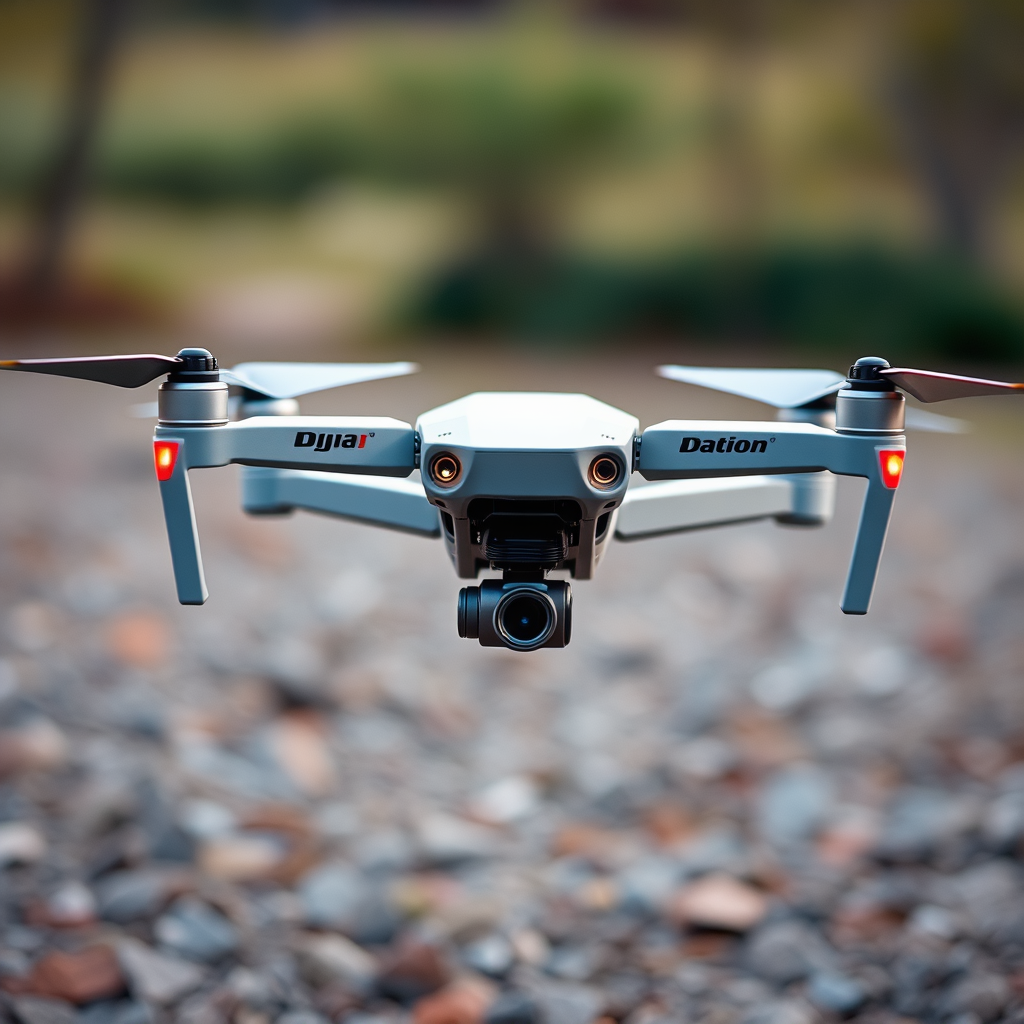
DJI has been a leader in the drone industry, consistently integrating cutting-edge technology into its products. Many of DJI’s latest models, such as the Mavic 3 series and the Air 2S, come equipped with Remote ID capabilities. This integration signifies DJI’s commitment to promoting safe and responsible drone usage.
DJI’s implementation of Remote ID involves a combination of hardware and software updates. The drones are designed to automatically transmit essential information, such as the drone’s unique identifier, position, velocity, and operational status. This data is sent via a secure radio frequency, ensuring that it can be received by registered users and authorities without compromising security or privacy. As part of this initiative, DJI has also rolled out firmware updates for older models, allowing a broader range of users to comply with Remote ID requirements.
Benefits of Remote ID for Drone Operators
The introduction of Remote ID technology offers several significant benefits for drone operators. First and foremost, it enhances safety and accountability. By broadcasting identification and location data, drone operators can ensure their flights are transparent, reducing the risk of collisions with other aircraft and allowing authorities to identify and monitor drone activities in real-time.
Additionally, Remote ID simplifies compliance with evolving local and national regulations. As governments worldwide continue to develop frameworks to govern drone use, having Remote ID capabilities can make it easier for operators to adhere to these rules. For instance, in regions where Remote ID is mandated, operators can avoid potential fines and penalties by ensuring their drones are equipped with this technology. This proactive approach not only fosters compliance but also builds public trust in drone operations, which is crucial for the industry’s long-term growth.
How Remote ID Works
Remote ID technology operates through a combination of GPS and radio frequency communication. The drone continuously collects data about its location, altitude, speed, and unique identification number using its onboard GPS system. This information is then transmitted via a secure radio signal to nearby receivers, including other drones, manned aircraft, and ground-based monitoring systems.
In terms of the information shared, Remote ID broadcasts key data such as the drone’s serial number, latitude and longitude coordinates, and altitude. This information is crucial for authorities and other airspace users to maintain situational awareness, thereby facilitating safe navigation in increasingly crowded skies. The architecture of Remote ID also allows for the potential integration of additional safety features, such as geofencing, which can prevent drones from entering restricted airspace.
Future of Remote ID in the Drone Industry
Looking ahead, the evolution of Remote ID technology is likely to influence the drone industry significantly. As more countries adopt similar regulations, the standardization of Remote ID protocols across manufacturers and models will become increasingly important. This could lead to the development of new features that enhance the effectiveness of Remote ID, such as real-time data sharing with air traffic control systems or integration with advanced air mobility solutions.
Moreover, the widespread adoption of Remote ID could usher in a new era of drone operations, where advanced analytics and artificial intelligence are used to monitor and optimize airspace usage. This shift could enhance operational efficiency, improve safety, and facilitate the integration of drones into the broader air traffic management system. However, these advancements will also raise important questions regarding privacy, data security, and the implications of surveillance in the airspace.
FAQs About DJI Drones and Remote ID
1. What DJI drone models have Remote ID capabilities?
Models such as the Mavic 3, Mavic Air 2S, and DJI Mini 3 are equipped with Remote ID technology. Older models may also receive firmware updates to enable this functionality.
2. Does Remote ID compromise my privacy?
Remote ID broadcasts only essential information about the drone’s identification and location. Personal data of the operator is not shared, mitigating privacy concerns while enhancing safety.
3. Are there legal implications for not using Remote ID?
Failure to comply with Remote ID requirements, where mandated, can result in fines or operational bans. It is critical for operators to stay informed about local regulations.
4. Can Remote ID be turned off?
Remote ID functions as a safety feature and cannot be disabled during operation. This ensures constant compliance with regulatory standards.
The integration of Remote ID into DJI drones marks a significant step forward in drone regulation and safety. By understanding these capabilities, operators can better navigate the evolving landscape of drone use and ensure compliance with necessary regulations. As Remote ID technology continues to develop, it will play a crucial role in the safe and responsible integration of drones into our airspace. For more detailed information, consider exploring specific DJI models or the latest regulations surrounding drone operations.
Frequently Asked Questions
Do DJI drones come with Remote ID capabilities?
Yes, many DJI drones, particularly the newer models such as the DJI Mavic 3, DJI Air 2S, and DJI Mini 3 Pro, are equipped with Remote ID capabilities. This feature is designed to comply with the FAA’s Remote Identification rule, which mandates that drones broadcast identification and location information to enhance safety and accountability in the airspace. As regulations evolve, DJI continues to update its fleet to ensure compliance.
How does Remote ID work on DJI drones?
Remote ID operates by using a drone’s built-in GPS and communication systems to transmit its identification, location, altitude, and speed to nearby receivers, including law enforcement and other authorized entities. This data helps create a safer airspace by allowing for real-time tracking of drone operations, thereby promoting responsible flying practices. Users can typically enable or manage Remote ID settings through the DJI Fly app or via firmware updates.
Why is Remote ID important for drone operators?
Remote ID is crucial for drone operators as it enhances safety and regulatory compliance in the increasingly crowded airspace. By broadcasting their information, drone pilots can help mitigate risks associated with unauthorized flight and potential collisions with manned aircraft. Furthermore, compliance with Remote ID regulations is necessary for legal flying in many regions, making it essential for hobbyists and commercial operators alike.
Which DJI drones are compliant with Remote ID regulations?
As of October 2023, several DJI drones meet Remote ID regulations, including the DJI Mavic 3, DJI Mini 2, DJI Air 2S, and the upcoming models in the DJI lineup. To ensure compliance, users should check for specific firmware updates or new releases from DJI that incorporate Remote ID technology. It’s advisable to stay updated with DJI’s official announcements for any changes or additions to their drone offerings.
What should I do if my DJI drone does not support Remote ID?
If your DJI drone model does not support Remote ID, you have a couple of options. First, consider upgrading to a newer model that includes this feature, ensuring compliance with current regulations. Alternatively, you may also explore Remote ID add-on devices that some manufacturers are developing, although these solutions may vary in compatibility and functionality. Always check the latest guidelines from the FAA or local aviation authorities for the most accurate compliance information.
References
- Remote Identification of Drones | Federal Aviation Administration
- https://www.faa.gov/uas/remote_id
- https://www.wired.com/story/the-faa-just-finalized-its-remote-id-rules-for-drones/
- https://www.reuters.com/technology/us-faa-finalizes-remote-id-rules-drones-2021-12-28/
- https://www.theguardian.com/technology/2021/dec/28/us-drone-remote-id-rules-faa
- https://www.nytimes.com/2021/12/28/us/drone-remote-id-rules.html
- https://www.dronepilotgroundschool.com/what-is-remote-id/
- https://www.ama-usa.org/remote-id-what-you-need-to-know/
