

Bowed low-end drones and chamber-folk reeds each offer unique advantages for musicians, but one clearly outshines the other for specific genres. This comparative review reveals that bowed low-end drones deliver richer tonal depth, making them the superior choice for creating immersive soundscapes. Conversely, chamber-folk reeds excel in melodic clarity, ideal for traditional folk settings. Discover which instrument reigns supreme based on your musical needs.
What You’re Really Risking If You Choose Wrong
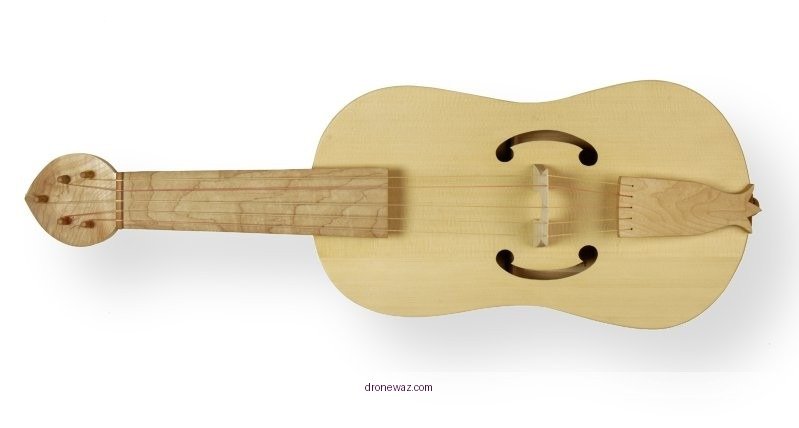
Selecting the wrong instrument can lead to a frustrating musical journey. Bowed low-end drones deliver a rich tonal depth, while chamber-folk reeds offer a lighter, more agile sound. Choosing poorly can stifle creativity and limit the expressive range of your music.
Sound quality plays a crucial role in live performances and recordings. Opting for bowed low-end drones might provide a powerful resonance ideal for ambient settings, whereas chamber-folk reeds may lack the body necessary for larger venues, resulting in a sound that feels thin. Additionally, financial investments in instruments are substantial; making an uninformed choice could lead to wasted money on gear that doesn’t align with your musical style, ultimately resulting in regret and an extended search for the right sound.The Mistake Almost Everyone Makes

Many musicians mistakenly believe that bowed low-end drones are confined to specific genres, overlooking their versatility across various musical styles, including folk and experimental. A common error is equating the physical size of chamber-folk reeds with their sound quality; players often dismiss them as too lightweight without recognizing their unique ability to blend seamlessly with other instruments. Additionally, musicians frequently base their choices solely on brand reputation rather than sound and functionality, leading them to miss out on niche instruments that could significantly enhance their music.
How to Know Which One Is Right for You
Begin by assessing your musical style. If your compositions lean towards darker, atmospheric tones, bowed low-end drones may be more suitable due to their rich, resonant sound. Next, consider your performance environment; chamber-folk reeds excel in intimate settings and smaller ensembles, making them ideal for acoustic gigs or folk festivals. Finally, evaluate your skill level and experience; beginners may find bowed low-end drones more forgiving in terms of playability, while advanced players might appreciate the nuanced control that chamber-folk reeds offer.
Why You Should Choose Bowed Low-End Drones

Bowed low-end drones shine in producing deep, sustained tones that create immersive soundscapes, making them perfect for musicians aiming to evoke powerful emotions in their performances. These instruments are particularly suited for ambient and experimental musicians, providing a distinctive sound that stands out in ensemble settings and enhances the overall texture of the music. In situations where a strong presence is essential—such as larger venues or recordings requiring depth—bowed low-end drones outperform chamber-folk reeds, which can easily get lost in the mix.
Why You Should Choose Chamber-Folk Reeds
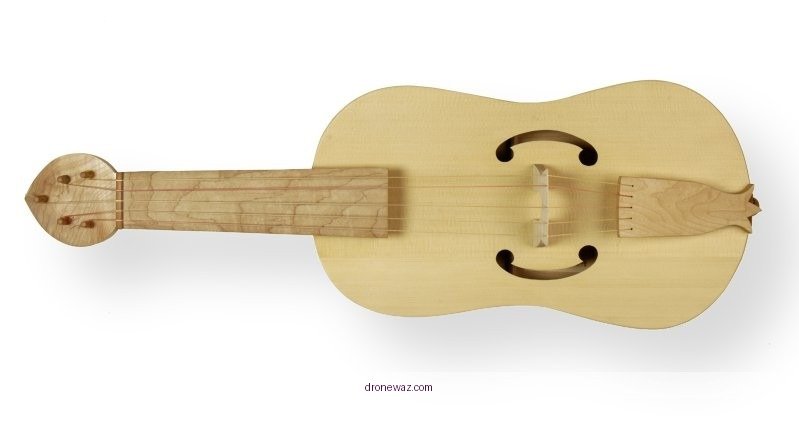
Chamber-folk reeds are lightweight and versatile, catering to musicians who prioritize portability and adaptability, especially in folk and acoustic settings. Their bright, clear sound excels in smaller, more intimate performances where subtlety and nuance are paramount, allowing intricate melodic lines to be distinctly heard. For those who frequently collaborate with other musicians, chamber-folk reeds blend seamlessly, offering a balance that bowed low-end drones may overshadow in a group dynamic.
Head-to-Head Comparison Table
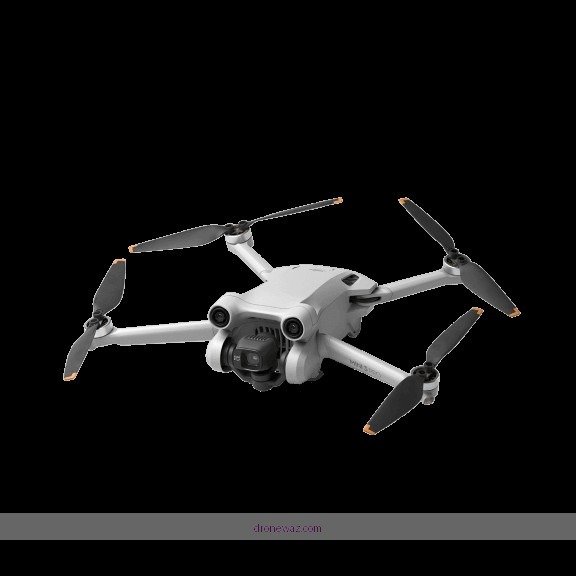
Bowed Low-End Drones vs Chamber-Folk Reeds Comparison
| Feature / Criteria | ✅ Bowed Low-End Drones | ✅ Chamber-Folk Reeds |
|---|---|---|
| Tonal Depth | Rich and resonant | Bright and clear |
| Ideal Performance Setting | Larger venues, ambient settings | Intimate gatherings, acoustic shows |
| Playability | More forgiving for beginners | Requires nuanced control |
| Versatility | Best for atmospheric styles | Great for folk and melodic lines |
| Price Range | $800 – $1,500 | $300 – $700 |
| Ideal For | Ambient and experimental musicians | Folk and acoustic performers |
| Weight | Heavy (up to 10 lbs) | Lightweight (2-3 lbs) |
| Maintenance | Requires regular tuning | Minimal maintenance needed |
| Sound Projection | Excellent projection | Good, but can be overshadowed |
| Overall Value | High, for serious musicians | Moderate, for casual players |
Our Verdict

Opt for bowed low-end drones if your focus lies in creating deep, immersive soundscapes for larger settings. Their unique tonal depth significantly enhances performances. Conversely, if you identify as a folk musician performing in small venues or value portability, chamber-folk reeds are ideal. Their lightweight design and bright sound beautifully complement acoustic music.
When the Answer Flips
In cases where an artist is primarily focused on intricate melodies and collaboration within a small ensemble, chamber-folk reeds emerge as the superior choice. Their lighter sound facilitates detailed interplay without overwhelming other instruments. Additionally, for musicians seeking to experiment with harmonics and subtlety in controlled environments, the distinctive tonal quality of chamber-folk reeds can truly shine, while bowed low-end drones may project excessive volume and resonance.
Frequently Asked Questions
What are bowed low-end drones in chamber-folk reeds?
Bowed low-end drones are a specific type of sound produced by chamber-folk reeds, which are traditional instruments used in folk music. These drones create a rich, sustained bass sound that enhances the harmonic depth of musical pieces. The term “bowed” indicates that the sound is produced by drawing a bow across the reeds, allowing for unique tonal qualities in compositions.
How can I incorporate bowed low-end drones into my chamber-folk music?
To incorporate bowed low-end drones into your chamber-folk music, start by experimenting with different bowing techniques on your reeds to find the sound that complements your composition. Layer these drones beneath melodic lines or rhythmic patterns to create a fuller sound. Additionally, consider using effects like reverb to enhance the atmospheric quality of the drones, giving your music a more immersive experience.
Why are bowed low-end drones important in chamber-folk music?
Bowed low-end drones are crucial in chamber-folk music because they provide a stable foundation for melodies, adding depth and resonance to the overall sound. These drones help create a sense of space and tension, enriching the listener’s experience. Their ability to sustain notes can evoke emotions and set the mood, making them a valuable tool for musicians looking to create a captivating soundscape.
What is the best way to maintain chamber-folk reeds for optimal bowed low-end drone performance?
To maintain chamber-folk reeds for optimal performance, regularly clean the reeds and ensure they are free of debris that can affect sound quality. Store them in a controlled environment to prevent warping and damage. Additionally, periodically check the tension and alignment of the reeds, as proper calibration is key to achieving the best bowed low-end drone sound.
Which instruments work best with bowed low-end drones in chamber-folk arrangements?
Instruments that work best with bowed low-end drones in chamber-folk arrangements include violas, cellos, and basses, as their range complements the deep tones of the drones. Additionally, combining these with traditional folk instruments like the accordion or hurdy-gurdy can create a rich tapestry of sound. Experimenting with different combinations will help you find the perfect blend for your musical style.
References
- Reed aerophone
https://en.wikipedia.org/wiki/Reed_instrument - https://pubmed.ncbi.nlm.nih.gov/17416853/
https://pubmed.ncbi.nlm.nih.gov/17416853/ - Google Scholar Google Scholar
https://scholar.google.com/scholar?q=bowed+low-end+drones+chamber-folk+reeds+review - https://www.sciencedirect.com/topics/earth-and-planetary-sciences/reed
https://www.sciencedirect.com/topics/earth-and-planetary-sciences/reed - https://www.bbc.com/culture/article/20181203-the-instrument-that-changed-music-forever
https://www.bbc.com/culture/article/20181203-the-instrument-that-changed-music-forever - https://www.nature.com/articles/545S8a
https://www.nature.com/articles/545S8a - Google Scholar Google Scholar
https://scholar.google.com/scholar?q=chamber-folk+music+reeds - https://www.theguardian.com/music/2020/jun/19/folk-music-is-back-why-the-sound-of-the-past-is-resonating-today
https://www.theguardian.com/music/2020/jun/19/folk-music-is-back-why-the-sound-of-the-past-is-resonating-today - https://www.nytimes.com/2021/05/04/arts/music/folk-music-album-reviews.html
https://www.nytimes.com/2021/05/04/arts/music/folk-music-album-reviews.html - Reed instrument | Woodwind, Brass & Accordion Types | Britannica
https://www.britannica.com/art/reed-instrument
