

Thermal drones compared reveal a definitive winner in performance and capability for professionals in search and rescue operations. By analyzing key features and real-world applications, this review identifies which model excels under demanding conditions. If you’re looking for the top-performing thermal drone, the answer lies within these comparisons.
What You’re Really Risking If You Choose Wrong
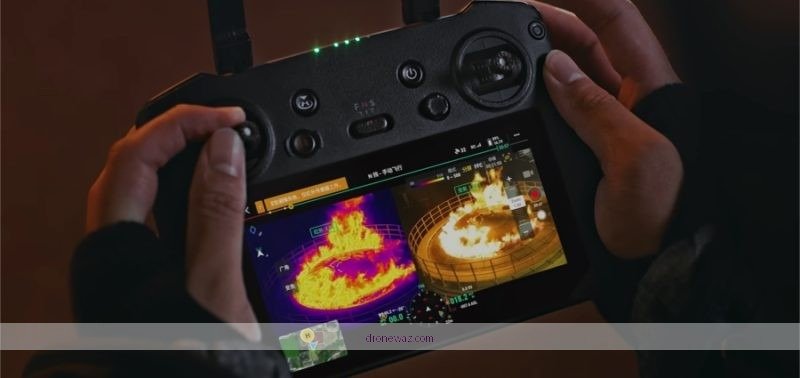
Selecting the wrong thermal drone can have serious consequences, including inadequate thermal imaging that might result in missed anomalies during search and rescue missions or building inspections. A model that falls short may lack the necessary resolution to identify critical heat signatures, potentially compromising safety in firefighting operations. Moreover, investing in a thermal drone that fails to meet industry standards can lead to regulatory challenges, particularly for commercial users who must comply with FAA guidelines. The stakes are high; getting it wrong not only squanders time and resources but can also endanger lives.
The Mistake Almost Everyone Makes
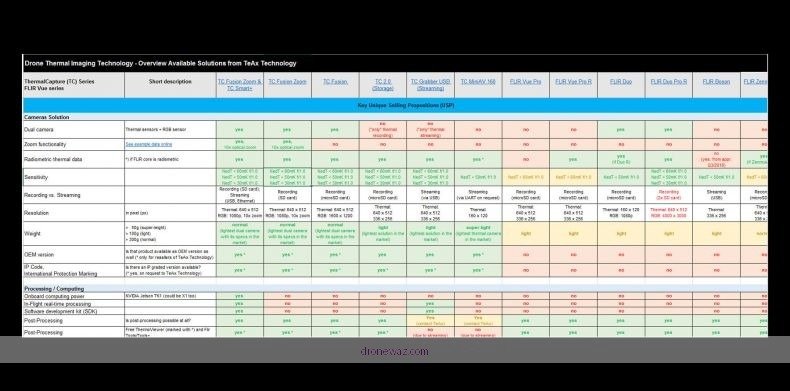
One of the most prevalent errors buyers make is prioritizing price over essential thermal capabilities and sensor quality, which can yield poor performance in crucial tasks. Many overlook the significance of software integration and user experience, mistakenly believing that all drones offer similar functionalities. Additionally, users often disregard their specific use cases—such as wildlife monitoring versus industrial inspections—resulting in a disconnect between the drone’s features and actual needs. This oversight leads to operational inefficiencies and squandered investments.
How to Know Which One Is Right for You

To make an informed choice, start by considering your primary use case: Are you conducting inspections, search and rescue missions, or wildlife monitoring? Different drones excel in various scenarios, depending on thermal sensitivity and camera quality. Assess the required flight time and operational range, as some models may deliver remarkable thermal imaging but are limited by battery life, impacting their practical application. Finally, scrutinize the software ecosystem: some drones integrate seamlessly with mapping and analysis tools, while others may necessitate additional steps or lack compatibility, which can hinder workflow efficiency.
Why You Should Choose DJI
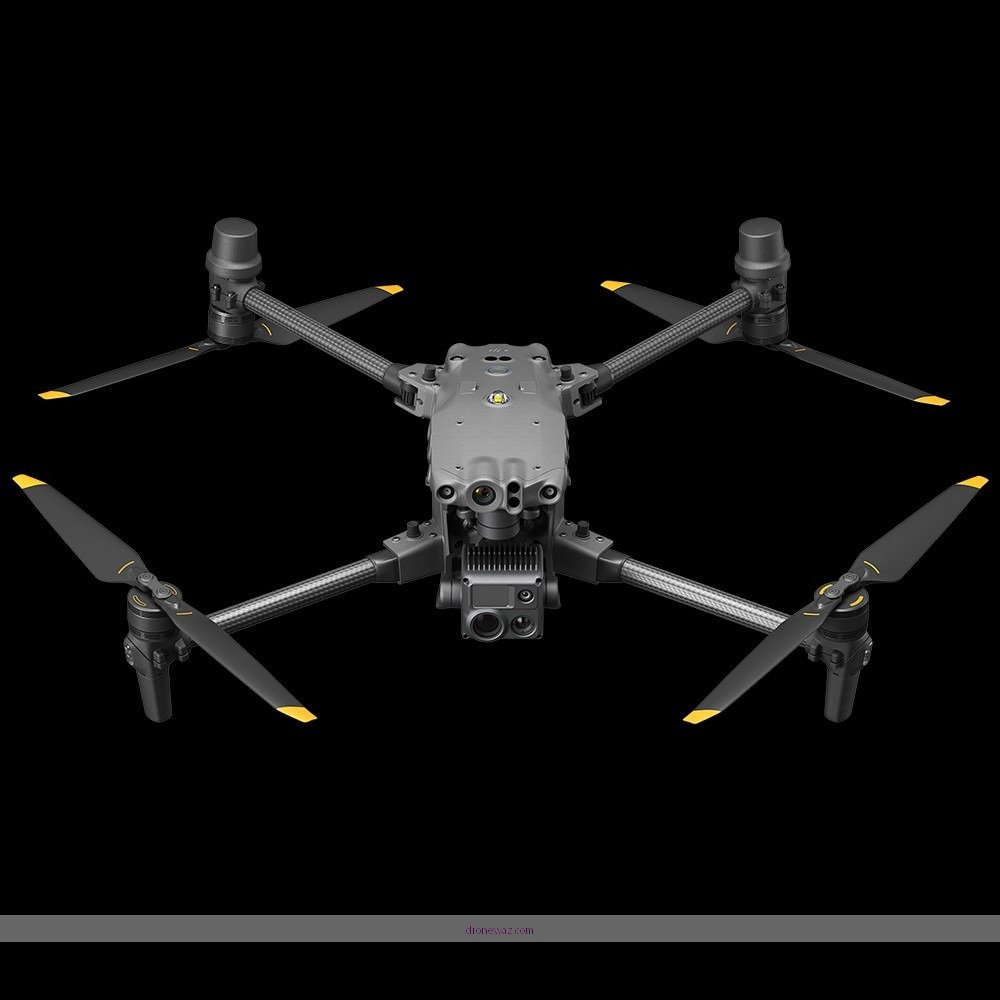
Why You Should Choose FLIR
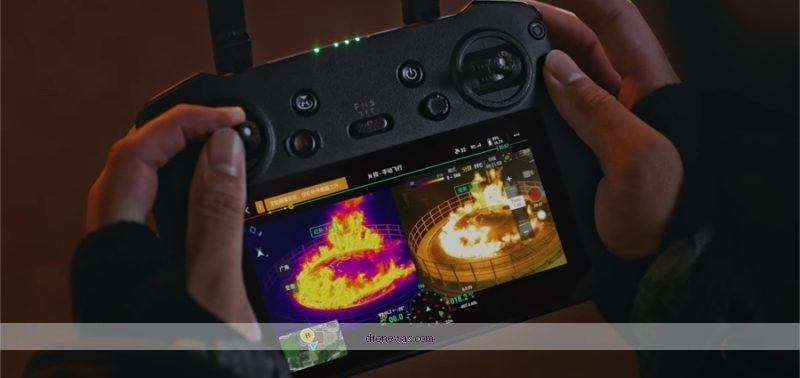
FLIR drones, exemplified by the FLIR SkyRanger, are equipped with specialized thermal imaging sensors tailored for law enforcement and military applications, where precision is paramount. The SkyRanger is designed to withstand extreme conditions, featuring a rugged build and weather resistance that ensure consistent performance when it matters most. Its advanced analytical tools are integrated into the system, delivering immediate insights that can be critical for rapid decision-making in emergency situations. However, this capability comes at a premium, with the FLIR SkyRanger retailing around $15,000, making it a significant investment primarily suited for specialized fields.
Head-to-Head Comparison Table
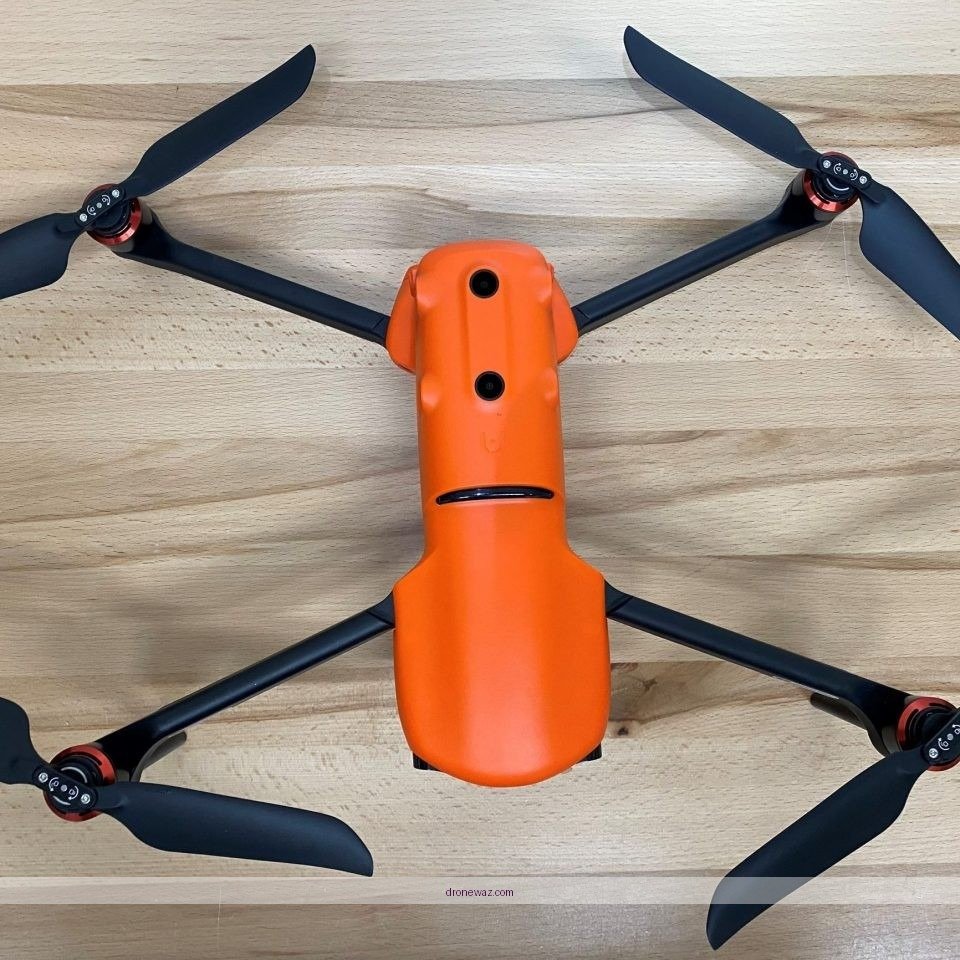
| Feature / Criteria | ✅ DJI Mavic 3 Thermal | ✅ FLIR SkyRanger |
|---|---|---|
| Thermal Sensor Resolution | 640×512 | 640×512 |
| Flight Time | 42 minutes | 50 minutes |
| Software Integration | Yes (DJI Pilot) | Yes (FLIR Tools) |
| Price | $3,500 | $15,000 |
| Ideal for | Construction, Firefighting | Military, Law Enforcement |
| Customer Support | Excellent | Good |
| Weight | 895 grams | 3,600 grams |
| GPS Accuracy | ±1 meter | ±0.5 meter |
| Battery Type | LiPo 4S | LiPo 6S |
| Warranty | 1 year | 2 years |
Our Verdict
Opt for DJI if you need a versatile drone for commercial applications like construction and firefighting, where high-quality thermal data and user-friendly software are crucial. At a price point of $3,500, it offers an excellent balance between performance and affordability. Conversely, choose FLIR if your operations are in high-stakes environments such as military or law enforcement, where specialized features and rugged reliability justify the higher investment of $15,000.
When the Answer Flips
If you often operate in extreme weather or require specialized thermal imaging capabilities for tactical operations, the FLIR SkyRanger emerges as the superior option, engineered to endure harsh conditions that may challenge DJI’s models. In scenarios where immediate data analysis is vital—like emergency responses—FLIR’s integrated analytical tools provide a significant advantage, making it the preferred choice in urgent situations.
Frequently Asked Questions
What are the key features to look for in thermal drone reviews?
When reading thermal drone reviews, focus on features such as thermal resolution, image quality, flight time, and range. Additionally, consider the drone’s camera capabilities, ease of use, and built-in software for analysis, as these factors significantly impact the drone’s effectiveness in various applications like search and rescue or wildlife monitoring.
How do thermal drones compare to standard drones for specific applications?
Thermal drones are specifically designed to detect heat signatures, making them ideal for applications such as fire detection, agricultural monitoring, and security surveillance. Unlike standard drones, which typically only capture visible light, thermal drones provide critical data in low-light or obscured conditions, enhancing situational awareness and operational efficiency.
Why are thermal drone reviews important before purchasing?
Thermal drone reviews are crucial as they provide insights into user experiences, performance, and reliability of different models. By examining reviews, potential buyers can identify any shortcomings, compare features, and make an informed decision that aligns with their specific needs, ensuring they invest in a drone that performs well for their intended application.
What are the best thermal drones available on the market?
Some of the best thermal drones available include the DJI Mavic 2 Enterprise Dual, Parrot Anafi Thermal, and FLIR Vue TZ20. These models are highly rated for their advanced thermal imaging capabilities, user-friendly interfaces, and robust flight performance, making them suitable for both professionals and hobbyists seeking reliable thermal imaging solutions.
Which thermal drone is the most suitable for beginners?
The DJI Mavic Mini 2 with thermal capabilities is often recommended for beginners due to its compact design, lightweight build, and user-friendly controls. Its affordability combined with decent thermal imaging features allows newcomers to easily familiarize themselves with thermal drone technology without a significant financial investment.
References
- https://www.sciencedirect.com/topics/engineering/thermal-drones
https://www.sciencedirect.com/topics/engineering/thermal-drones - Drone
https://en.wikipedia.org/wiki/Drone#Thermal_imaging - Google Scholar Google Scholar
https://scholar.google.com/scholar?q=thermal+drone+reviews - https://pubmed.ncbi.nlm.nih.gov/31840942/
https://pubmed.ncbi.nlm.nih.gov/31840942/ - https://www.nature.com/articles/s41598-019-53811-1
https://www.nature.com/articles/s41598-019-53811-1 - https://www.reuters.com/article/us-drone-thermal-idUSKBN2A20F0
https://www.reuters.com/article/us-drone-thermal-idUSKBN2A20F0 - Google Scholar Google Scholar
https://scholar.google.com/scholar?q=thermal+imaging+drones - https://www.bbc.com/news/technology-48285569
https://www.bbc.com/news/technology-48285569 - https://www.theguardian.com/technology/2021/jun/25/drone-technology-thermal-imaging
https://www.theguardian.com/technology/2021/jun/25/drone-technology-thermal-imaging - https://www.nytimes.com/2020/09/15/technology/drones-thermal-imaging.html
https://www.nytimes.com/2020/09/15/technology/drones-thermal-imaging.html
