
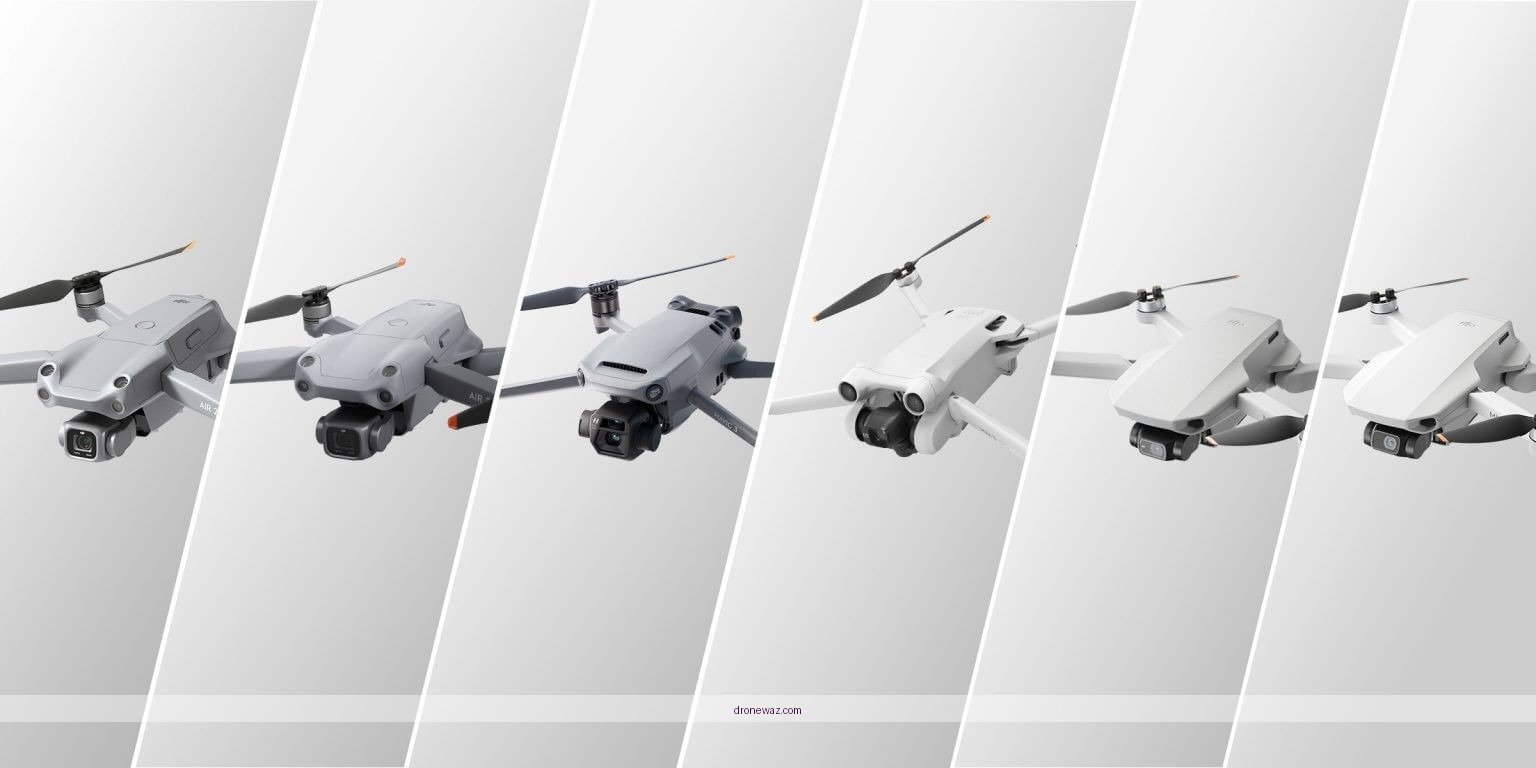
The DJI Mavic stands out against its competitors when it comes to value for both amateur and professional drone users. This review answers the crucial question: which drone delivers superior performance, features, and price? By comparing the Mavic to its rivals, we reveal the clear winner that maximizes your investment. Prepare to discover the drone that offers the best balance of quality and affordability.
What You’re Really Risking If You Choose Wrong
Selecting the wrong drone can significantly compromise the quality of your footage, a critical concern for content creators who depend on high-resolution imagery. A substandard drone may lack essential features like obstacle avoidance or GPS stability, increasing the risk of crashes or lost devices, especially in challenging environments. Additionally, poor battery life or limited flight time can prevent you from capturing all the shots you desire in a single flight, leading to frustration and missed opportunities.
The Mistake Almost Everyone Makes
Many users overlook the importance of understanding their specific needs. For instance, do you prioritize portability or advanced camera capabilities? A common misstep is focusing solely on price rather than assessing the long-term value of features that enhance usability and image quality. Furthermore, some consumers fail to consider the support and software ecosystem provided by the manufacturer, which can significantly impact overall user experience and ease of use.
How to Know Which One Is Right for You
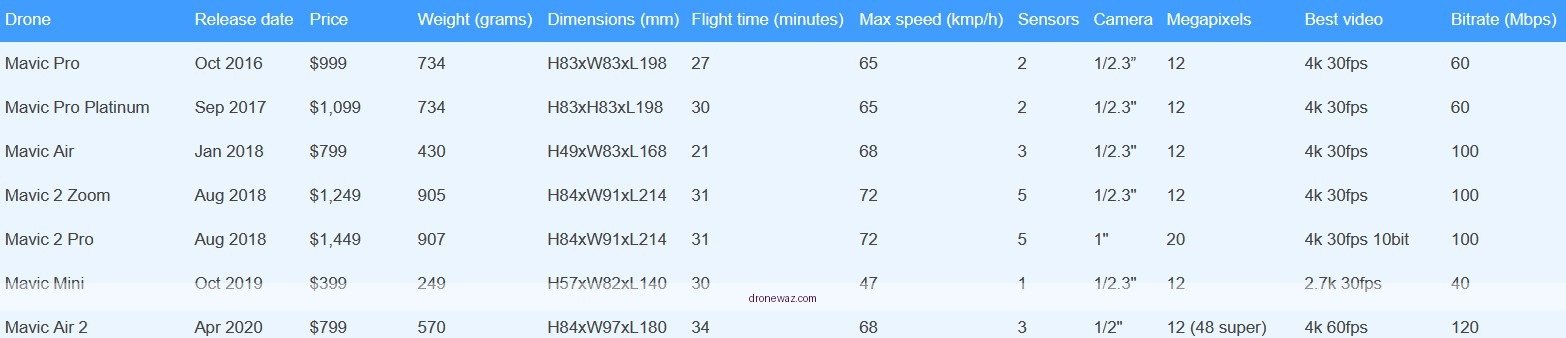
Begin by assessing your primary use case: Are you a hobbyist seeking simple aerial shots, or are you a professional in need of advanced features for commercial projects? Consider your experience level as well. Beginners might benefit from the Mavic Air’s user-friendly features, while seasoned users may prefer the extensive capabilities of the Mavic Pro. Finally, evaluate your budget against the must-have features, such as camera quality or flight stability, to identify which drone provides the best value for your needs.
Why You Should Choose Mavic Air
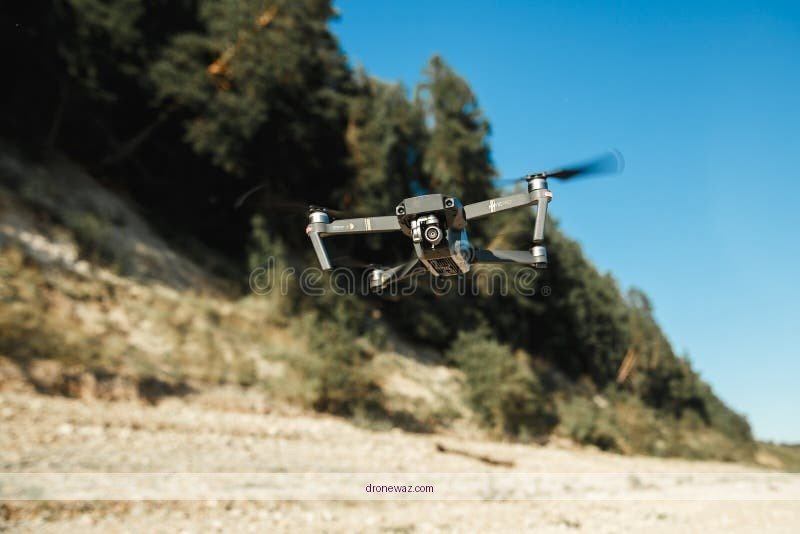
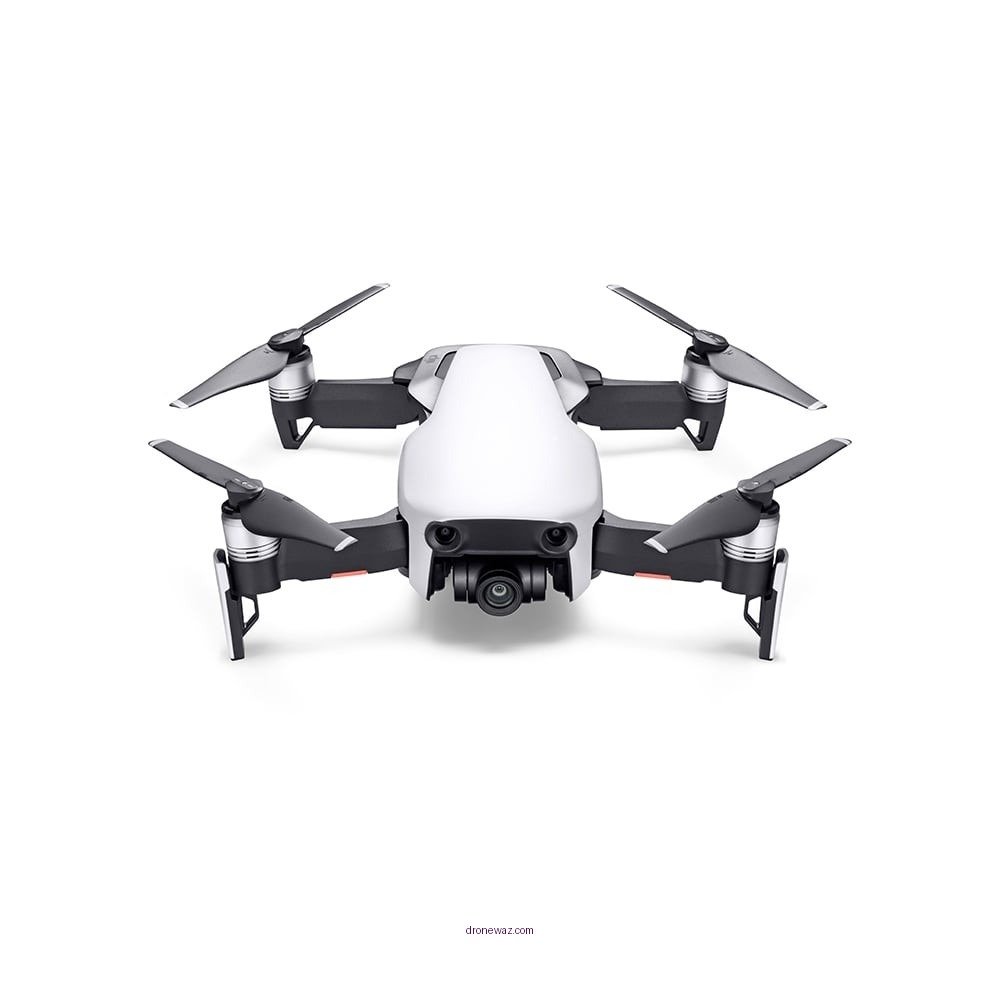
The Mavic Air is both compact and lightweight, making it an excellent choice for travelers and casual users who value portability without sacrificing quality. It offers intelligent shooting modes like QuickShot, which simplifies the process of capturing cinematic footage, appealing particularly to those new to drone photography. With its competitive pricing and robust feature set—including 4K video and 12MP stills—the Mavic Air represents outstanding value for hobbyists seeking quality without overspending.
The drone boasts a maximum flight time of 21 minutes and an operational range of 4 kilometers, making it suitable for leisurely outings. Its user-friendly app ensures intuitive control and effortless content sharing. Moreover, the three-directional obstacle avoidance system provides an additional layer of safety for inexperienced pilots. For those eager to take to the skies and start capturing breathtaking moments, the Mavic Air is a clear choice.
Why You Should Choose Mavic Pro
In contrast, the Mavic Pro offers superior camera capabilities, featuring a 1-inch sensor that captures stunning 4K video at 60fps, catering to professional videographers. Its longer flight time of 27 minutes and enhanced five-directional obstacle avoidance system make it ideal for complex projects, ensuring reliability even in demanding conditions. For users requiring advanced features such as a 7km transmission range and various intelligent flight modes, the Mavic Pro delivers unparalleled performance and flexibility.
Additionally, the Mavic Pro enables users to take advantage of advanced shooting options like ActiveTrack and TapFly, allowing for dynamic filming scenarios. Its robust build and superior image processing capabilities make it a favorite among seasoned professionals who prioritize high-quality output. If you are serious about drone videography or need specialized features for commercial use, investing in the Mavic Pro is a wise decision.
Head-to-Head Comparison Table
DJI Mavic Air vs Mavic Pro: Feature Comparison
| Feature / Criteria | ✅ Mavic Air | ✅ Mavic Pro |
|---|---|---|
| Camera Resolution | 12MP, 4K @ 30fps | 20MP, 4K @ 60fps |
| Flight Time | 21 minutes | 27 minutes |
| Range | 4km | 7km |
| Obstacle Avoidance | 3-directional | 5-directional |
| Intelligent Flight Modes | QuickShot | ActiveTrack, TapFly |
| Price | Approximately $799 | Approximately $999 |
| Weight | 430 grams | 743 grams |
| User Skill Level | Beginner to Intermediate | Intermediate to Advanced |
| Best For | Casual Users | Professional Videographers |
| Verdict | Great Value | Best Performance |
Our Verdict
For casual users and travelers, the DJI Mavic Air emerges as the optimal choice due to its blend of portability, user-friendliness, and exceptional value. Conversely, professionals seeking top-tier video quality and advanced features will find the Mavic Pro to be the standout option, justifying its higher price tag with superior capabilities. Therefore, if you prioritize portability and fundamental functionalities, opt for the Mavic Air; however, if you demand professional-level results, the Mavic Pro is the clear winner.
When the Answer Flips
If your projects require capturing high-resolution footage in demanding environments, the Mavic Air may not meet your needs, making the Mavic Pro a more suitable choice despite its higher cost. In situations where extended flight time is crucial—such as lengthy commercial shoots or expansive landscapes—the Mavic Pro’s superior battery life can significantly enhance your workflow. Additionally, if you’re an experienced drone pilot aiming to explore the limits of aerial photography, the advanced features of the Mavic Pro offer substantial advantages over the Mavic Air.
In conclusion, both drones excel in their respective niches, but understanding your specific needs and conditions is key to making the right choice. Whether you lean toward the Mavic Air’s user-centric design or the Mavic Pro’s professional capabilities, choose wisely. Your aerial adventures await.
Frequently Asked Questions
What are the key features of the DJI Mavic drone series?
The DJI Mavic drone series is known for its compact design, excellent camera quality, and advanced flight features. Key features include 4K video recording, a 3-axis gimbal for stabilization, and intelligent flight modes like ActiveTrack and Waypoints. Additionally, the Mavic drones boast impressive flight times of up to 30 minutes and obstacle avoidance sensors for safer flying.
How does the Mavic Air compare to the Mavic Pro in terms of performance?
The Mavic Air offers a more compact and portable design compared to the Mavic Pro, making it ideal for travel. However, the Mavic Pro has a larger sensor and superior camera capabilities, which provide better low-light performance and image quality. Both drones feature intelligent flight modes, but the Mavic Pro has a longer flight range and more robust features for professional use.
Why should I choose the Mavic Mini for my first drone?
The Mavic Mini is an excellent choice for beginners due to its user-friendly interface, lightweight design, and affordability. It features a 2.7K camera and offers a flight time of up to 30 minutes, making it perfect for casual photographers and new drone users. Additionally, its compact size means it can be easily transported, allowing you to capture aerial footage wherever you go.
What is the best way to maintain my Mavic drone for optimal performance?
To maintain your Mavic drone, regularly check and clean the propellers, gimbal, and camera lens to ensure clear footage. It’s also important to update the firmware and software to the latest versions for enhanced functionality and safety. Finally, store the drone in a dry place and keep the batteries charged and properly maintained to extend their lifespan.
Which Mavic model is best for professional photographers and videographers?
The DJI Mavic 3 is widely considered the best model for professional photographers and videographers due to its dual-camera system, which includes a Hasselblad 4/3 CMOS sensor for stunning image quality. It offers 5.1K video recording, advanced obstacle sensing, and extended flight times, making it ideal for capturing high-quality aerial footage in various conditions.
References
- Drone
https://en.wikipedia.org/wiki/Drone - https://www.bbc.com/news/technology-48937413
https://www.bbc.com/news/technology-48937413 - https://www.theguardian.com/technology/2020/jun/16/drones-nature-photography-review
https://www.theguardian.com/technology/2020/jun/16/drones-nature-photography-review - https://www.nytimes.com/2018/11/06/technology/drones-review.html
https://www.nytimes.com/2018/11/06/technology/drones-review.html - https://pubmed.ncbi.nlm.nih.gov/32854677/
https://pubmed.ncbi.nlm.nih.gov/32854677/ - https://www.sciencedirect.com/science/article/pii/S1367578817301170
https://www.sciencedirect.com/science/article/pii/S1367578817301170 - https://www.reuters.com/article/us-tech-drones-idUSKBN2A30HK
https://www.reuters.com/article/us-tech-drones-idUSKBN2A30HK - Google Scholar Google Scholar
https://scholar.google.com/scholar?q=Mavic+drone+review - Google Scholar Google Scholar
https://scholar.google.com/scholar?q=drone+reviews - Google Scholar Google Scholar
https://scholar.google.com/scholar?q=Mavic+drone+performance+evaluation
