

Drones are generally prohibited in state parks to protect wildlife, preserve natural landscapes, and ensure the safety of visitors. These regulations play a crucial role in maintaining the integrity of these public spaces, ensuring that they remain a sanctuary for both nature and people. As drone technology continues to evolve, understanding the rationale behind these restrictions is essential for enthusiasts and casual visitors alike. In this article, we will explore the reasons behind the ban and its implications.
Regulations Governing Drone Use
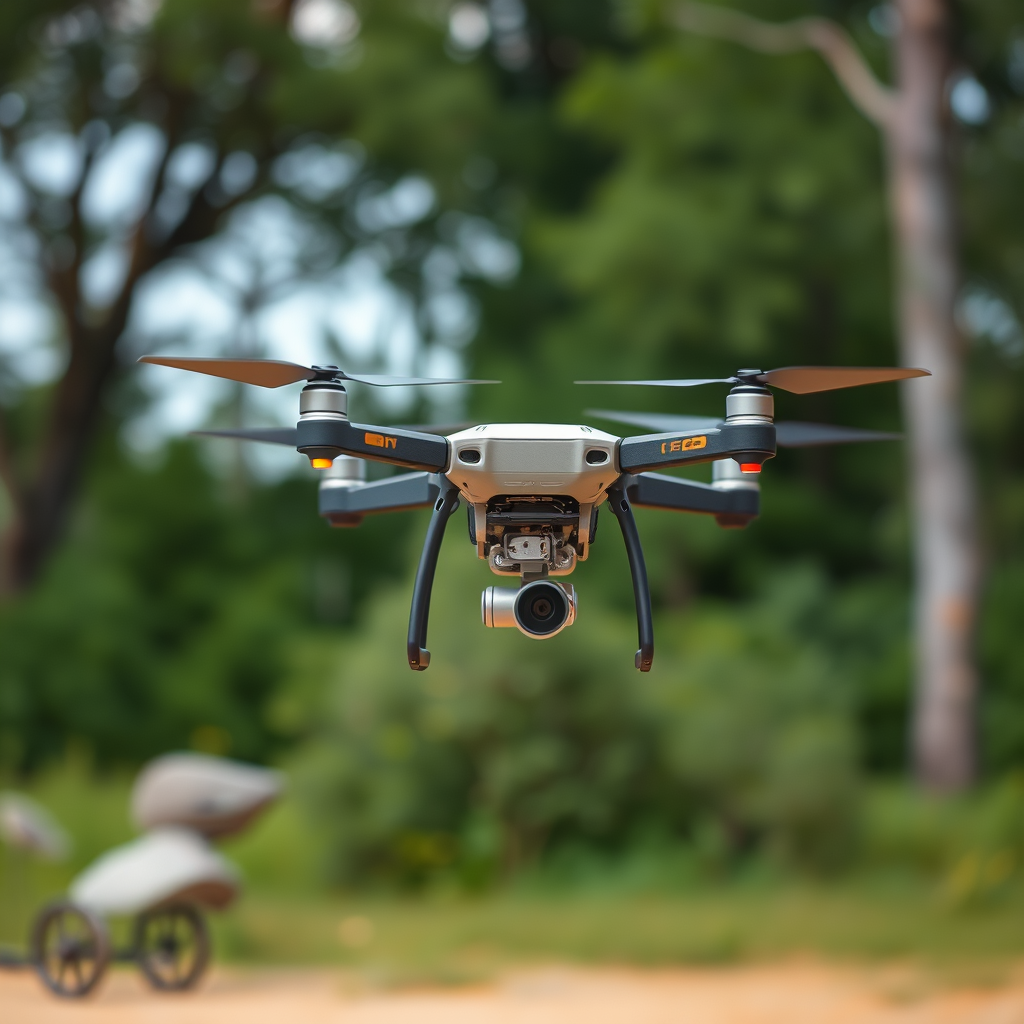
Drone usage is subject to a complex framework of federal and state regulations designed to ensure public safety and environmental protection. The Federal Aviation Administration (FAA) oversees drone operations across the United States, establishing guidelines that restrict where and how drones can be flown. For example, the FAA mandates that drones must not operate above 400 feet and must remain within the visual line of sight of the operator.
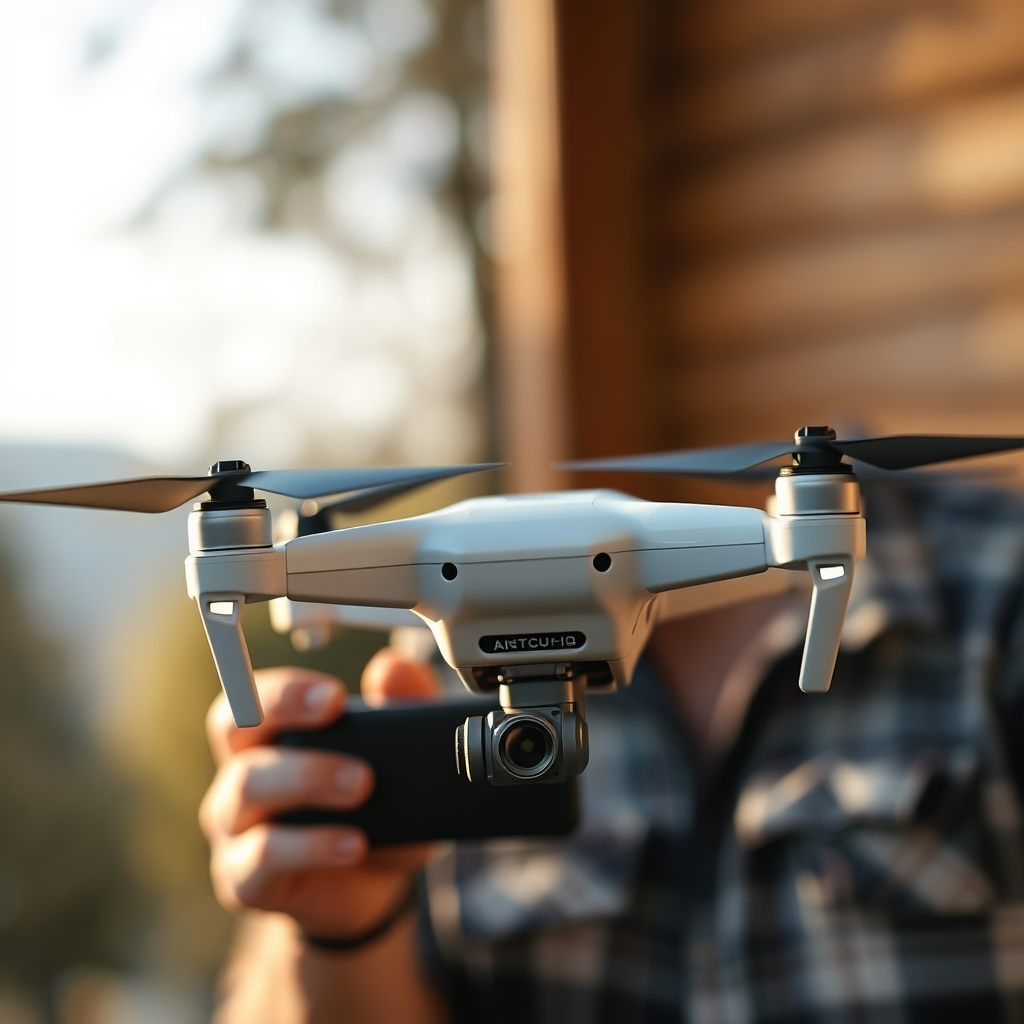
In addition to federal regulations, many states have enacted specific laws that further restrict drone operations in state parks. These laws often stem from a desire to protect local wildlife and habitats, as well as to mitigate potential conflicts between drone operators and park visitors. For instance, numerous state parks across the U.S. explicitly ban drone usage in their official regulations, citing concerns related to wildlife disturbance and visitor safety. Understanding these legal frameworks is essential for drone enthusiasts who may be considering flying in these protected areas.
Impact on Wildlife
One of the primary concerns regarding drone operations in state parks is their potential impact on wildlife. Drones can cause significant disturbances to animals, particularly during sensitive periods such as breeding and nesting seasons. The loud noise generated by drones can scare animals away from their habitats, disrupt feeding patterns, and lead to increased stress levels among wildlife.
For example, studies have shown that the presence of drones can alter the behavior of birds, forcing them to abandon nests or reduce foraging activity. Species such as the American woodcock and various shorebirds are particularly vulnerable to such disturbances. The risk of interference extends beyond just birds; mammals such as deer and coyotes may also be affected, leading to changes in their natural behaviors. By prohibiting drones in state parks, regulations seek to minimize these risks and protect wildlife from unnecessary disruptions.
Preservation of Natural Landscapes
Drones have the potential to cause environmental damage that may not be immediately visible but can have long-lasting effects on natural landscapes. The ability of drones to access remote and pristine areas raises concerns about littering, habitat degradation, and the introduction of pollutants. For instance, drones that crash or are improperly handled can leave behind debris that disrupts the ecological balance of delicate ecosystems.
Moreover, the mere presence of drones can detract from the natural beauty of state parks. Visitors seek out these spaces for their tranquility and unspoiled landscapes, and the sight and sound of drones can significantly detract from that experience. Maintaining the natural aesthetics of state parks is essential not just for wildlife but also for the overall enjoyment and well-being of park visitors. Regulations banning drones help preserve the integrity and beauty of these essential natural resources.
Visitor Safety Concerns
Safety is another critical concern regarding drone use in crowded areas, such as state parks. Drones can pose risks to both the operators and the public. Accidents can occur if a drone malfunctions or if the operator loses control, leading to potential injuries or even fatalities. There have been documented cases of drones crashing into people, vehicles, or park property, highlighting the hazards associated with flying in populated areas.
Furthermore, the operation of drones can lead to distractions that affect the overall park experience. Visitors may feel uneasy or unsafe if drones buzz overhead, which can be disruptive to families, hikers, and those seeking a peaceful outdoor experience. By banning drones in state parks, authorities aim to create a safer environment for all visitors, preventing accidents and ensuring that everyone can enjoy the beauty of nature without distraction or fear.
Alternatives for Aerial Photography
Despite the restrictions on drone usage in state parks, there are still legal and ethical options for capturing aerial views. For those interested in aerial photography, several alternatives exist that allow individuals to enjoy stunning vistas without violating regulations. One option is to use traditional photography techniques, such as climbing to higher elevations or utilizing long lenses to capture expansive landscapes from a distance.
Additionally, professional drone services offer a viable solution for those seeking high-quality aerial photography. Many companies specialize in drone photography and are well-versed in local regulations, ensuring that they operate within the law. Hiring a licensed and insured drone operator can provide breathtaking aerial views while respecting the legal boundaries set in place to protect state parks.
Community and Ethical Considerations
The role of community feedback is instrumental in shaping the regulations surrounding drone use in state parks. Public opinion often influences policymakers, particularly as drone technology becomes more accessible. Community discussions about the balance between recreational drone use and environmental preservation are essential for developing informed regulations that reflect the values of local residents.
Moreover, ethical considerations play a key role in the responsibilities of drone operators in public areas. It is vital for drone enthusiasts to recognize their impact on the environment and to operate their drones with respect and care. This includes following local laws, maintaining a safe distance from wildlife, and being considerate of fellow park visitors. Ethical drone operation not only protects the environment but also fosters a positive relationship between drone users and the broader community.
Future of Drone Regulations in State Parks
As drone technology continues to evolve, so too do the discussions surrounding regulations in state parks. Policymakers are faced with the challenge of adapting to advancements in drone capabilities while still prioritizing environmental protection and public safety. This may lead to potential changes in laws, including designated areas for drone usage within certain parks or the implementation of stricter operational guidelines.
Ongoing discussions among stakeholders, including environmental advocates, drone enthusiasts, and park management, will be crucial in shaping the future of drone regulations. By fostering a collaborative dialogue, it is possible to develop solutions that both support the responsible use of drone technology and protect the natural resources that state parks embody.
In conclusion, while flying drones may seem like a fun activity, the restrictions in state parks are essential for protecting wildlife, preserving landscapes, and ensuring visitor safety. Understanding these regulations can help drone enthusiasts find alternative ways to enjoy aerial photography while respecting nature. By recognizing the importance of these regulations and adhering to them, we can all contribute to the preservation of our cherished natural spaces.
Frequently Asked Questions
Why are drones prohibited in state parks?
Drones are often prohibited in state parks primarily to protect wildlife and preserve natural landscapes. The noise and disturbance caused by drones can disrupt animal habitats and stress wildlife, particularly during sensitive breeding seasons. Additionally, state parks aim to maintain a tranquil and natural environment for visitors, which can be compromised by the presence of drones.
What are the consequences of flying a drone in a state park?
Flying a drone in a state park can lead to various consequences, including fines and legal repercussions. Each state may have specific regulations regarding drone usage, and violating these rules can result in citations ranging from monetary penalties to potential confiscation of the drone. Furthermore, repeated violations may lead to stricter regulations and enforcement in the area.
How can I find out if drone flying is allowed in a specific state park?
To determine if flying a drone is permitted in a specific state park, you should check the official website of the park or the governing state agency. Most state parks provide guidelines on drone usage, including any restrictions or designated areas for drone flying. Additionally, you can contact the park’s visitor center directly for the most accurate and up-to-date information regarding drone regulations.
What are some alternatives to flying drones in state parks for capturing aerial footage?
If flying drones in state parks is prohibited, consider alternatives such as using handheld cameras or smartphones for photography and videography from the ground. Another option is to hire a licensed drone operator who has obtained the necessary permissions for filming in the area. You can also explore nearby locations where drone use is permitted, such as open fields or designated drone parks.
Which state parks have specific regulations regarding drone usage?
Many state parks across the United States have specific regulations regarding drone usage, often outlined on their official websites. Notable examples include Yosemite National Park, where drones are completely banned, and various parks in Florida that allow drone flying with restrictions. It’s essential to research the regulations of each park individually, as policies can differ significantly based on local wildlife considerations, park management objectives, and visitor safety.
References
- https://www.nps.gov/articles/drone-use-in-national-parks.htm
- https://www.nps.gov/subjects/drones/index.htm
- https://www.faa.gov/uas/resources/publications/
- https://www.nytimes.com/2021/04/06/us/drones-national-parks.html
- https://www.theguardian.com/environment/2021/nov/12/drones-national-parks-usa-faa
- https://www.sciencedirect.com/science/article/pii/S0304380020300723
- https://www.usgs.gov/mission-areas/science-analytics-data/science/using-drones-science
- https://www.wildlife.org/drones-in-wildlife-research-and-management/
