
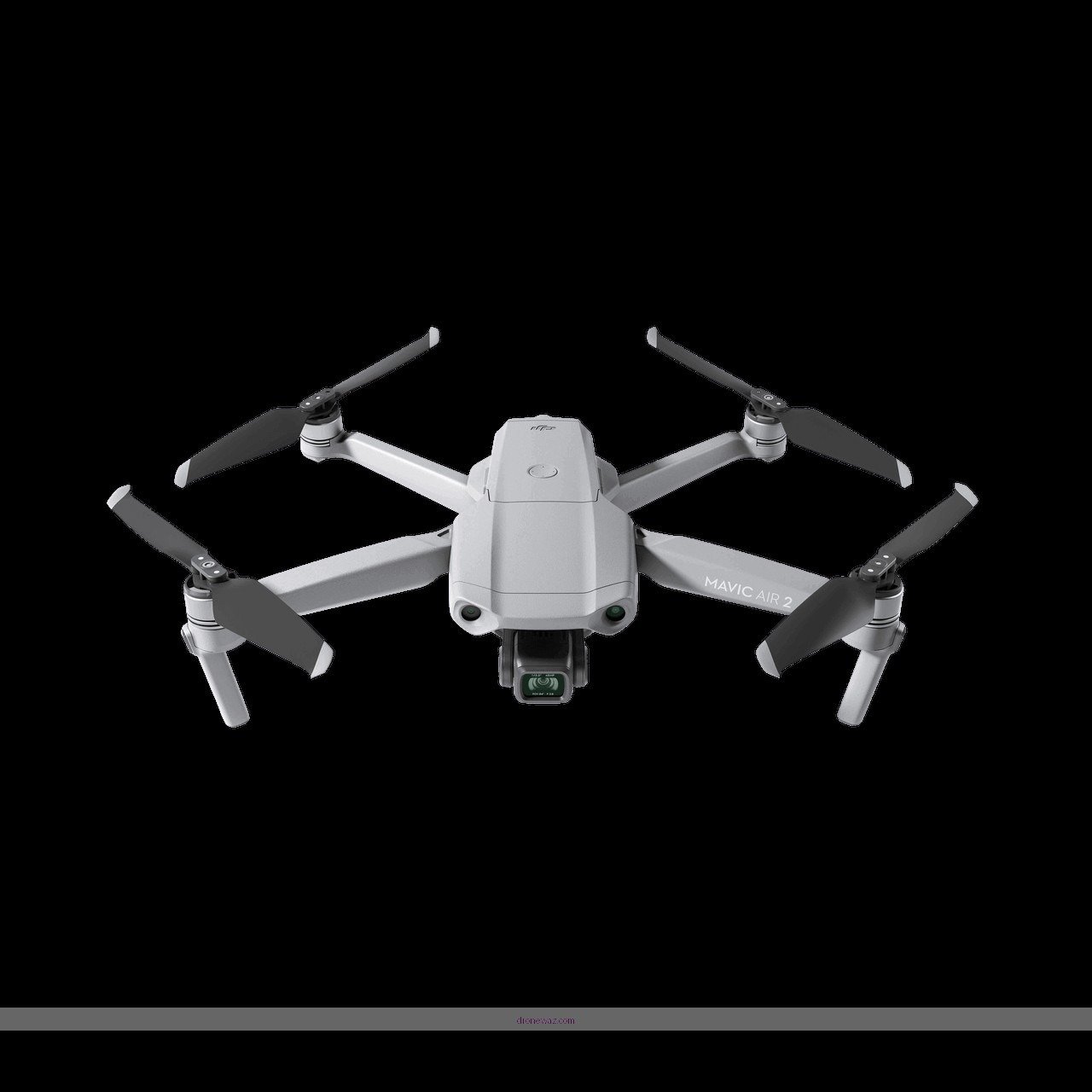
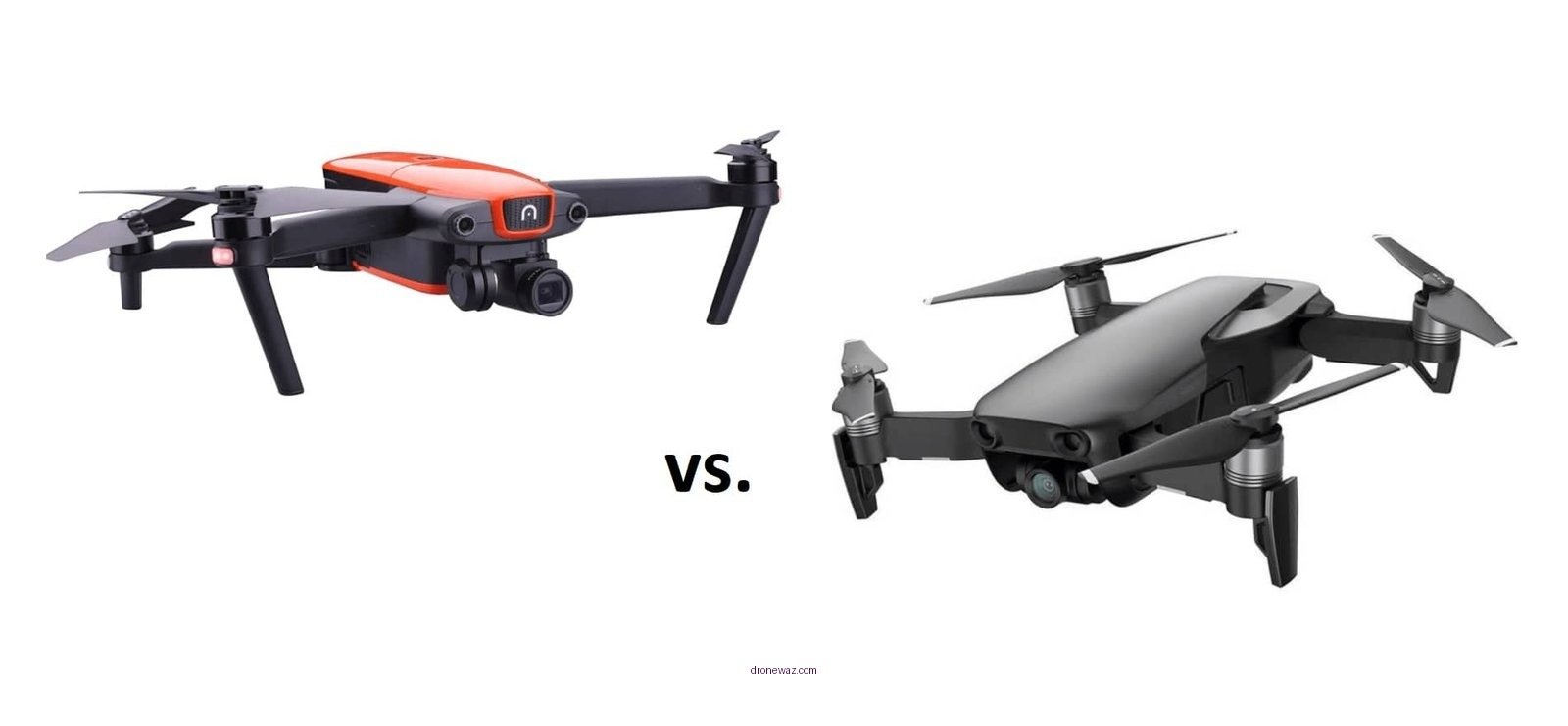
DJI Mavic Air 2 outperforms Autel EVO Lite for most users looking for a balance of portability, camera quality, and smart features. This comparison reveals which drone reigns supreme for aerial photography and ease of use. If you’re deciding between these two models, you’ll find a clear recommendation based on your specific needs.
What You’re Really Risking If You Choose Wrong
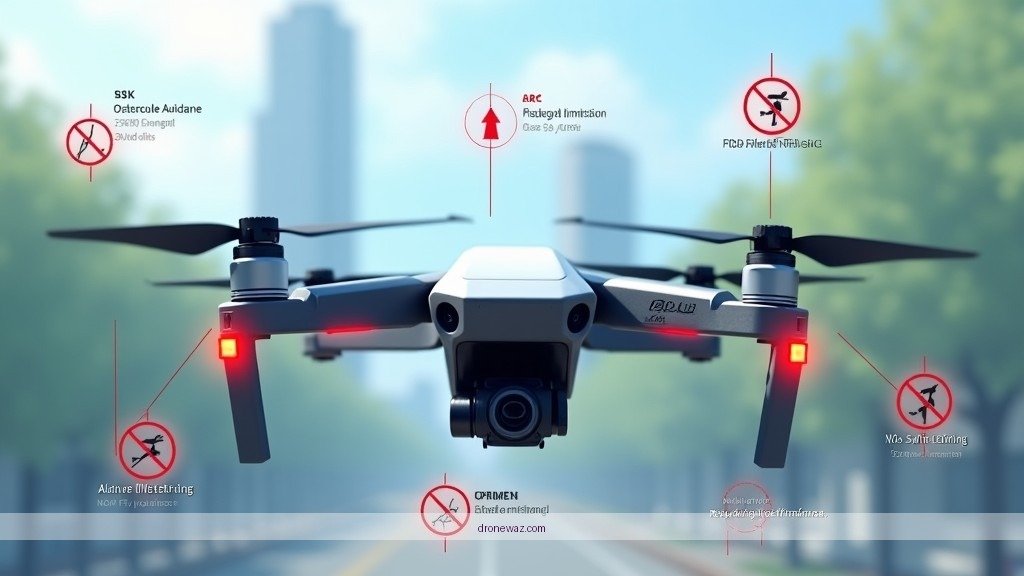
Investing in the wrong drone can lead to significant financial waste, particularly if you end up purchasing accessories or upgrades that are incompatible with your choice. A poor selection may not only result in subpar aerial footage, affecting your professional reputation as a content creator, but also diminish personal enjoyment. Moreover, the wrong drone can pose safety concerns, such as difficulty in control or low durability, potentially leading to accidents and damage to property or individuals.
The Mistake Almost Everyone Makes
Many users make the mistake of focusing solely on specifications like camera quality or flight time, often neglecting how these specs translate to real-world usage scenarios. A common oversight is failing to consider user experience and support; buyers frequently overlook the importance of how easy it is to learn and operate the drone. Additionally, users often do not assess their specific needs, such as portability for travel or ruggedness for outdoor adventures, which results in choosing a drone that doesn’t align with their lifestyle.
How to Know Which One Is Right for You
To make an informed decision, start by assessing your primary use: Are you a casual flyer, a photographer, or a professional videographer? This distinction significantly influences which drone is more suitable for you. Next, consider the flight conditions—evaluate whether you’ll be flying in windy areas or indoors, as these factors can impact stability and performance. Lastly, analyze your budget and long-term costs; take into account not just the initial purchase price but also potential expenses for batteries, maintenance, and software updates.
Why You Should Choose DJI Mavic Air 2
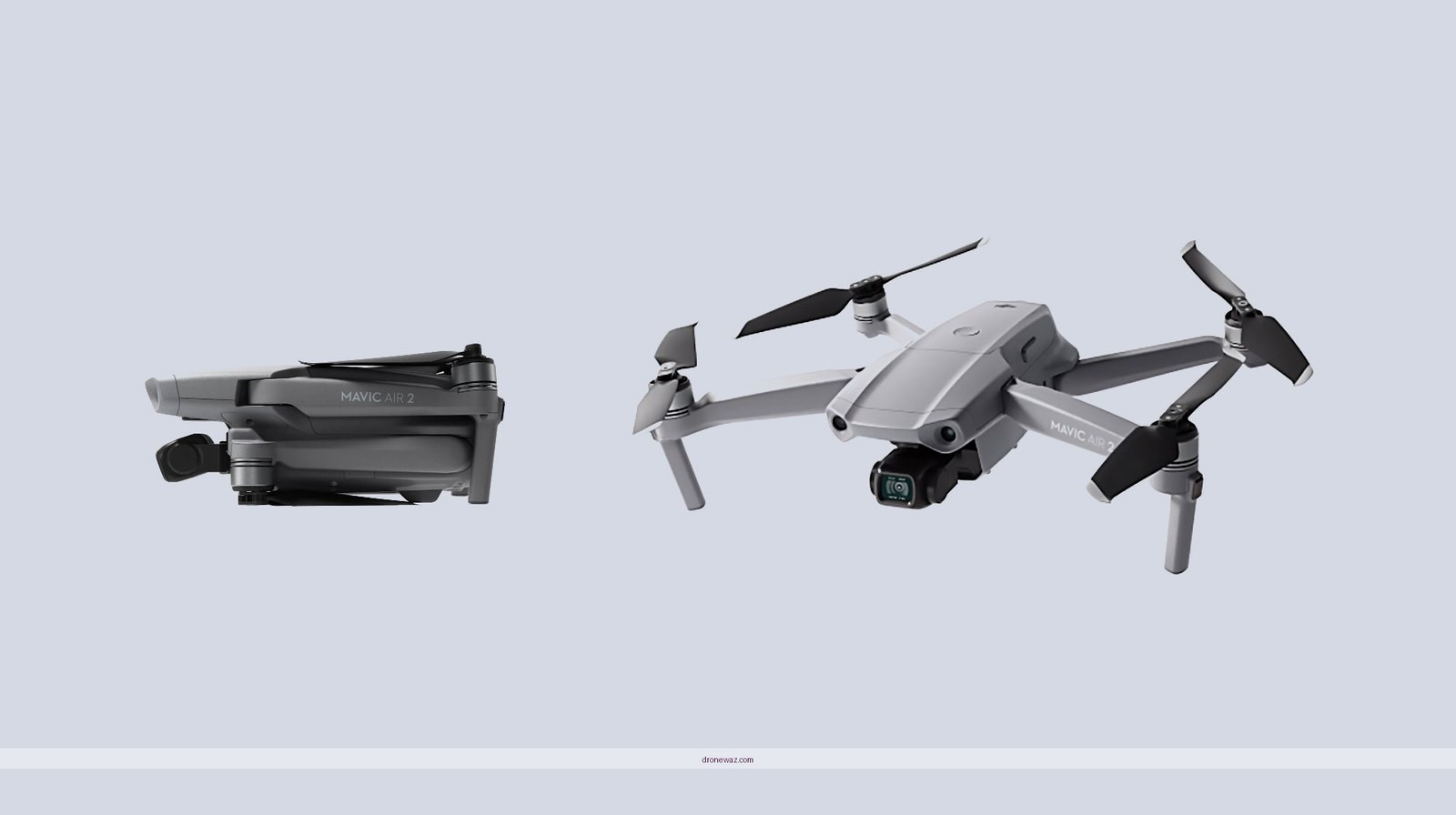
The Mavic Air 2 stands out for its camera capabilities, featuring a 48 MP sensor and 4K video, making it ideal for photographers and videographers seeking high-quality content. Its user-friendly design includes features like QuickShots and SmartPhoto, which are perfect for beginners or those who wish to capture stunning footage without extensive piloting experience. With a longer flight time of up to 34 minutes, the Mavic Air 2 is particularly advantageous for extended shooting sessions, especially in remote locations where changing batteries may not be feasible.
Why You Should Choose Autel EVO Lite
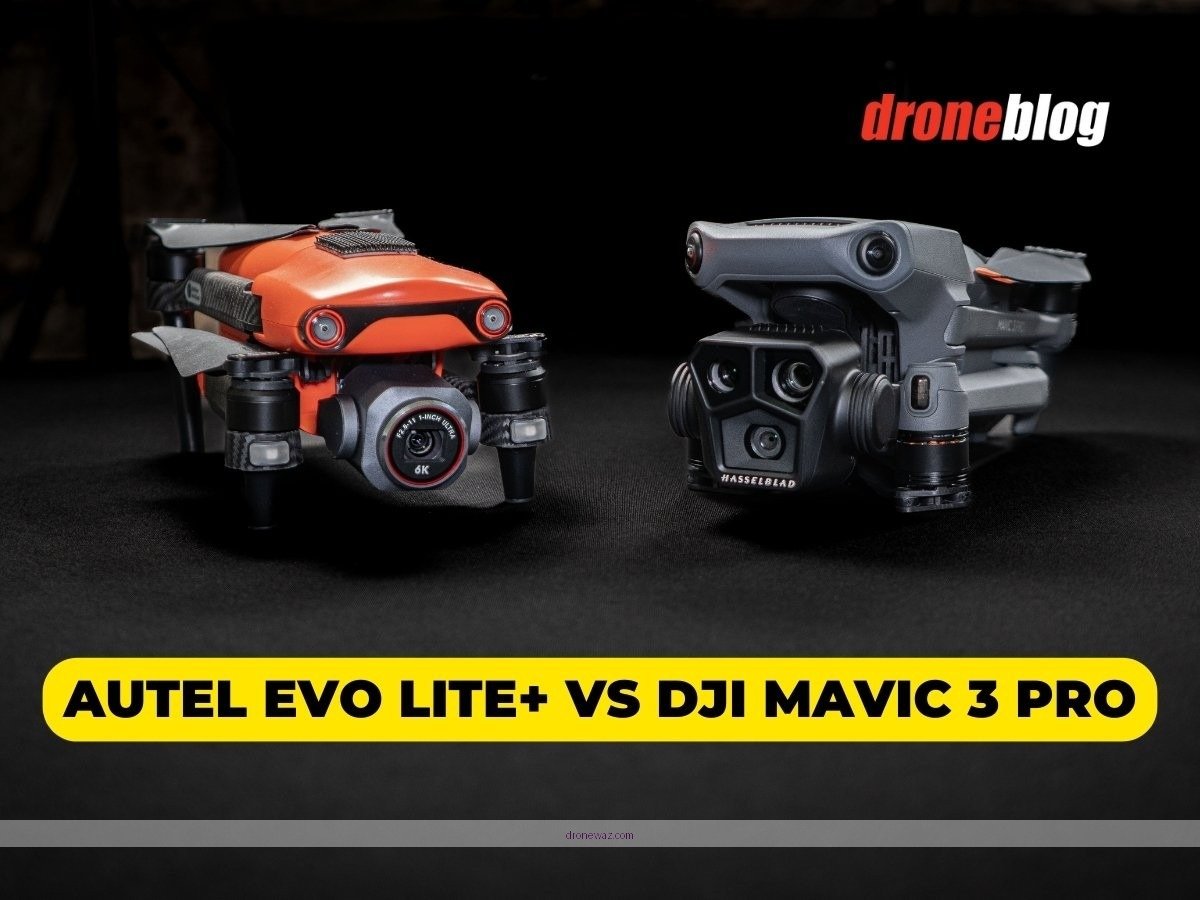
On the other hand, the Autel EVO Lite excels in low-light performance, making it the preferred choice for night-time or low-light photography. Its customizable settings empower more experienced pilots to fine-tune performance, enhancing the flying experience for hobbyists who appreciate a hands-on approach. With a robust 40 minutes of flight time and a larger camera sensor, the EVO Lite is ideal for users seeking maximum autonomy in diverse conditions.
Head-to-Head Comparison Table
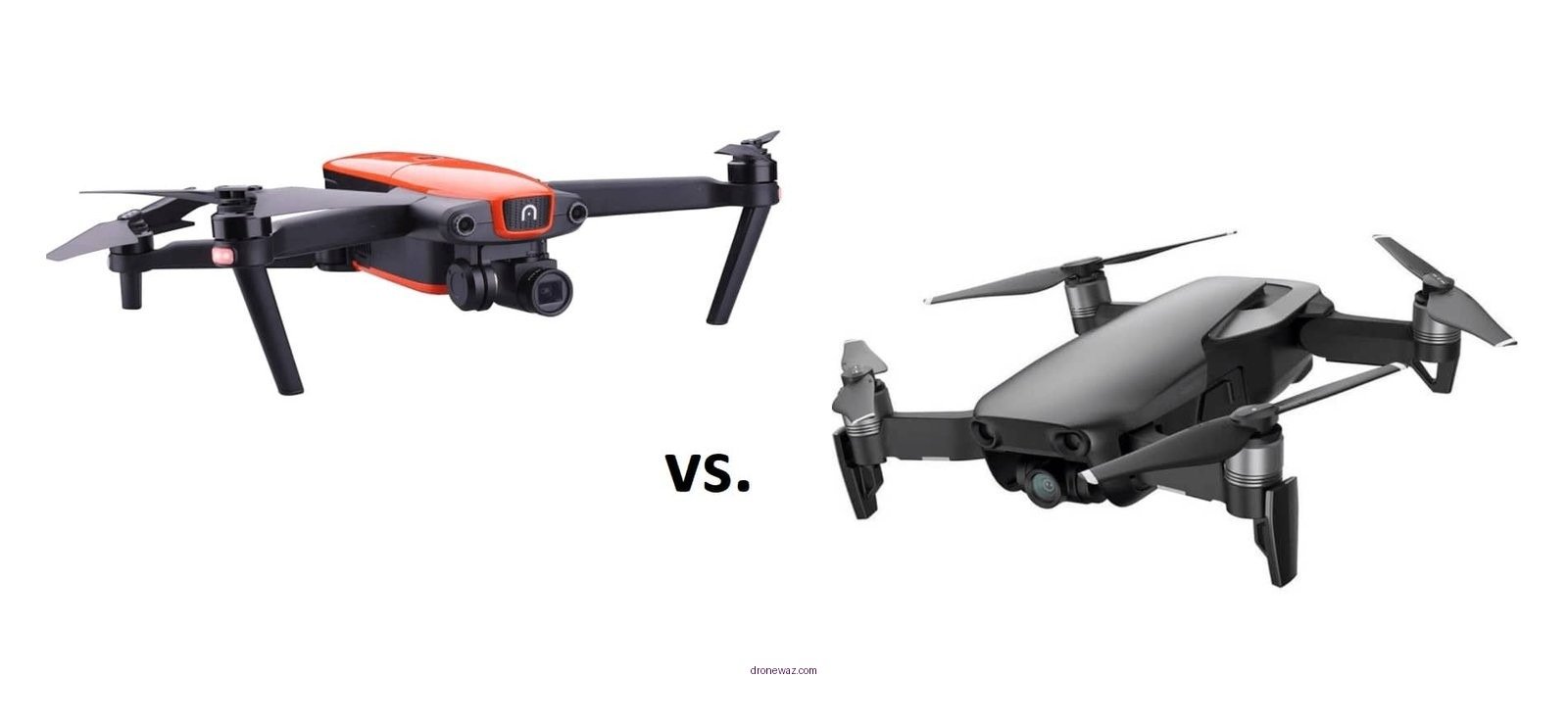
| Feature / Criteria | ✅ DJI Mavic Air 2 | ✅ Autel EVO Lite |
|---|---|---|
| Camera Resolution | 48 MP | 50 MP |
| Video Resolution | 4K @ 60fps | 4K @ 60fps |
| Flight Time | 34 minutes | 40 minutes |
| Weight | 570 grams | 795 grams |
| Max Range | 10 km | 9 km |
| Low Light Performance | Good | Excellent |
| Price | $799 | $949 |
Our Verdict
Choose the DJI Mavic Air 2 if you are a casual user or beginner focused on ease of use and overall value. Its intuitive controls and high-quality output make it an excellent choice for those just starting out or looking for a dependable drone for general use. Conversely, if you are a professional photographer who requires superior low-light performance and longer flight times, the Autel EVO Lite is the better option.
When the Answer Flips
If your primary shooting environment involves low-light conditions, such as dusk or indoor settings, the Autel EVO Lite’s advanced sensor technology stands out as the superior choice. Furthermore, in scenarios where maximum customization and manual control are critical for experienced users, the EVO Lite’s features effectively cater to those needs, whereas the Mavic Air 2’s automated features may not suffice.
In conclusion, both drones offer unique advantages tailored to specific user needs. By understanding your priorities and preferences, you can confidently choose the drone that will enhance your aerial photography or videography experience.
Frequently Asked Questions
What are the key features of the x drone that set it apart from competitors?
The x drone boasts several standout features, including an impressive camera with 4K video capability, advanced obstacle avoidance sensors, and a long flight time of up to 30 minutes. Additionally, it offers an intuitive app interface that enhances user experience and allows for easy flight planning and live streaming.
How does the x drone perform in various weather conditions?
The x drone is designed to handle mild weather conditions, including light winds and occasional rain. However, its performance can be impacted by strong winds and heavy rain, which may affect stability and battery life. Users are advised to check weather conditions before flying to ensure a safe experience.
Why should I choose the x drone for aerial photography?
The x drone is an excellent choice for aerial photography due to its high-resolution camera and image stabilization technology, which ensures clear and professional-quality images. Its versatile shooting modes, including panoramic and time-lapse, allow photographers to capture stunning visuals from unique angles.
What is the battery life of the x drone, and how does it compare to other models?
The x drone offers a battery life of approximately 30 minutes per charge, which is competitive when compared to similar models in its price range. This extended flight time allows users to capture more footage without the frequent need for recharging, making it a practical option for extended shooting sessions.
Which accessories are recommended for enhancing the x drone experience?
To enhance your x drone experience, consider investing in additional batteries for longer flight times, propeller guards for added safety, and a carrying case for easy transport. Additionally, a set of ND filters can help improve video quality by reducing glare and managing exposure during bright conditions.
References
- Drone
https://en.wikipedia.org/wiki/Drone - https://www.sciencedirect.com/topics/engineering/drone
https://www.sciencedirect.com/topics/engineering/drone - https://pubmed.ncbi.nlm.nih.gov/?term=drone+review
https://pubmed.ncbi.nlm.nih.gov/?term=drone+review - https://www.nature.com/articles/s41598-021-89147-7
https://www.nature.com/articles/s41598-021-89147-7 - https://www.bbc.com/news/technology-50601042
https://www.bbc.com/news/technology-50601042 - https://www.theguardian.com/technology/2020/aug/18/drone-technology-review
https://www.theguardian.com/technology/2020/aug/18/drone-technology-review - https://www.reuters.com/technology/drones-are-changing-way-war-is-fought-2021-09-01/
https://www.reuters.com/technology/drones-are-changing-way-war-is-fought-2021-09-01/ - Google Scholar Google Scholar
https://scholar.google.com/scholar?q=drone+review - Google Scholar Google Scholar
https://scholar.google.com/scholar?q=drone+technologies+review - https://www.cdc.gov/nceh/lead/prevention/drones.html
https://www.cdc.gov/nceh/lead/prevention/drones.html
