
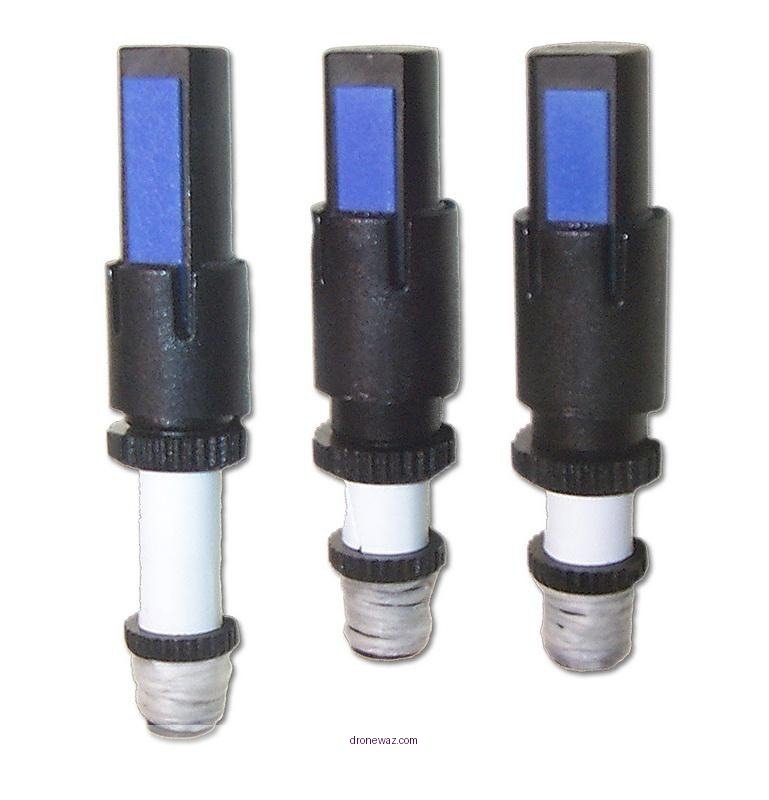
Bagpipe drone reeds can drastically alter your sound, and choosing the right one is crucial for achieving the tone you desire. This review compares various drone reeds to determine which delivers the richest sound for traditional playing versus contemporary styles. Discover which reed stands out as the clear winner based on performance and versatility.
What You’re Really Risking If You Choose Wrong
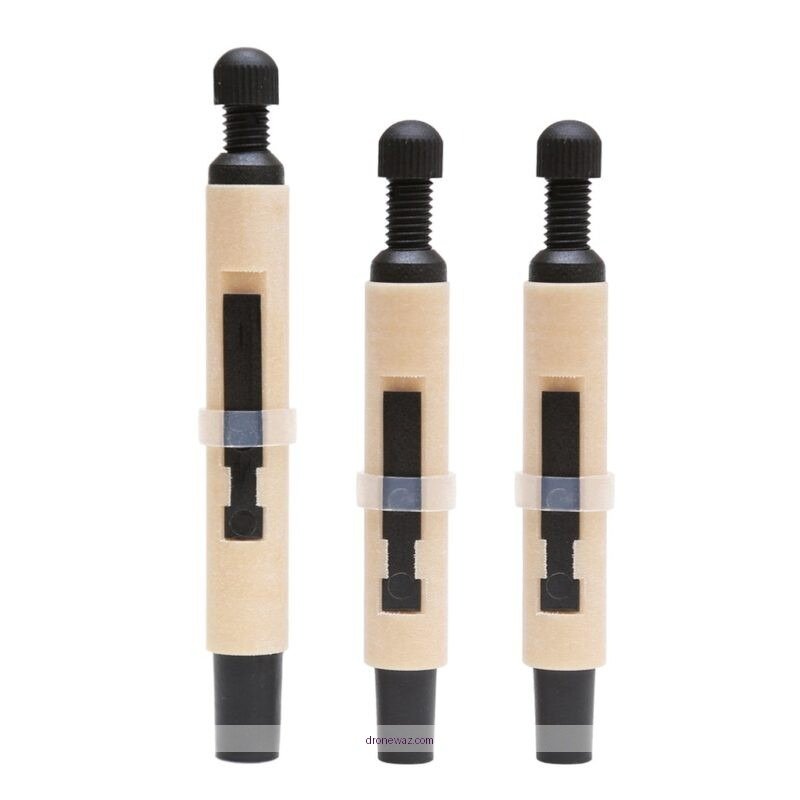
Choosing the wrong bagpipe drone reeds can lead to disappointing tonal quality, frustrating both the player and the audience. This misstep ultimately affects performance quality. The incorrect reed material can result in excessive tuning issues and unstable drones, making it hard to maintain a consistent sound during practice or performances. Additionally, misjudging the reed type may lead to unexpected costs for replacements, as poorly performing reeds tend to wear out faster or require frequent adjustments, impacting your overall budget for bagpipe maintenance.
The Mistake Almost Everyone Makes
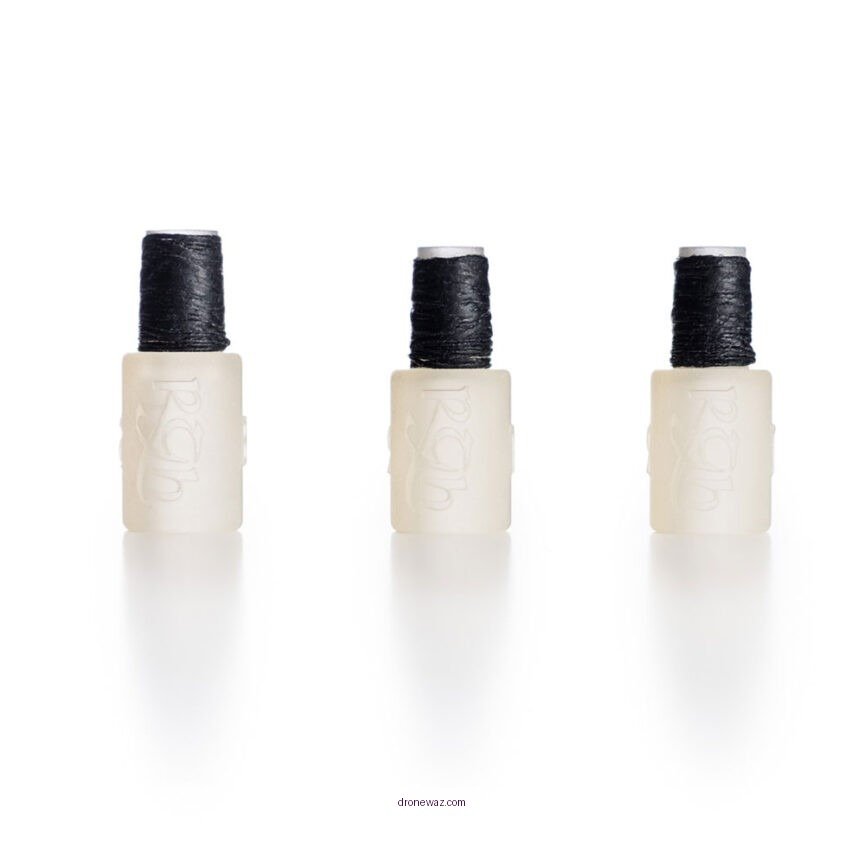
A common pitfall among players is the assumption that all drone reeds sound alike. This oversimplification neglects the significant differences that arise from material variations, such as synthetic versus natural, which can dramatically alter tonal output. Furthermore, many players fail to test reeds in different environmental conditions, overlooking how humidity and temperature can drastically affect performance. Beginners, in particular, often overlook the importance of reed compatibility with their specific bagpipe model, leading to frustration when the reeds do not fit or perform as expected.
How to Know Which One Is Right for You
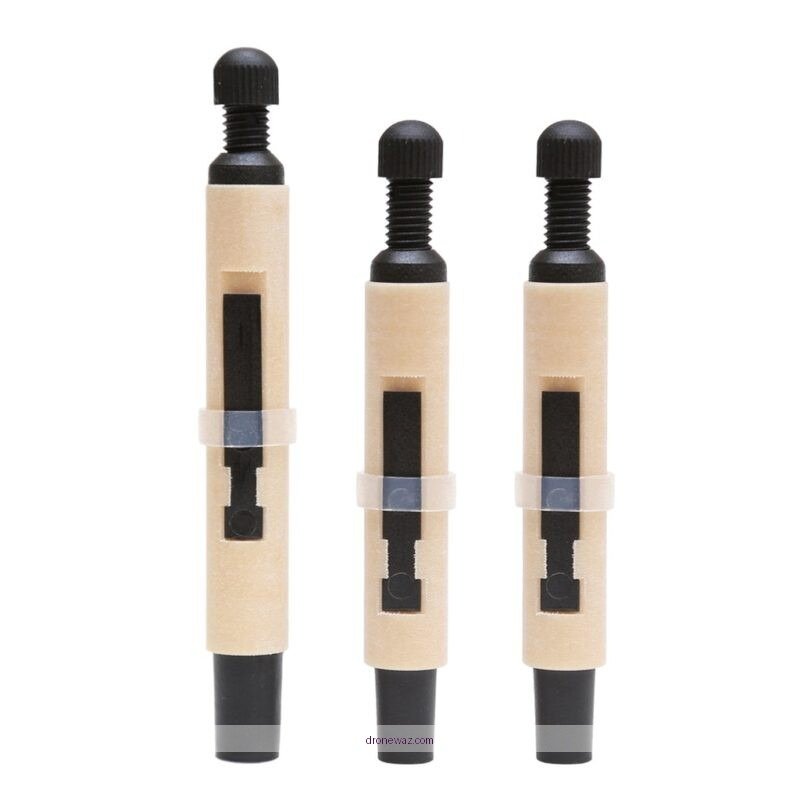
Start by assessing your playing environment. If you frequently perform outdoors, consider how fluctuations in humidity and temperature might impact reed performance. Next, evaluate your skill level: Beginners may find synthetic reeds beneficial for their consistent behavior, while advanced players might prefer the nuanced sound that natural reeds provide. Finally, reflect on your sound preference. Do you lean toward a warmer, traditional tone (natural reeds) or a more reliable, steady sound (synthetic reeds)?
Why You Should Choose Synthetic Reeds
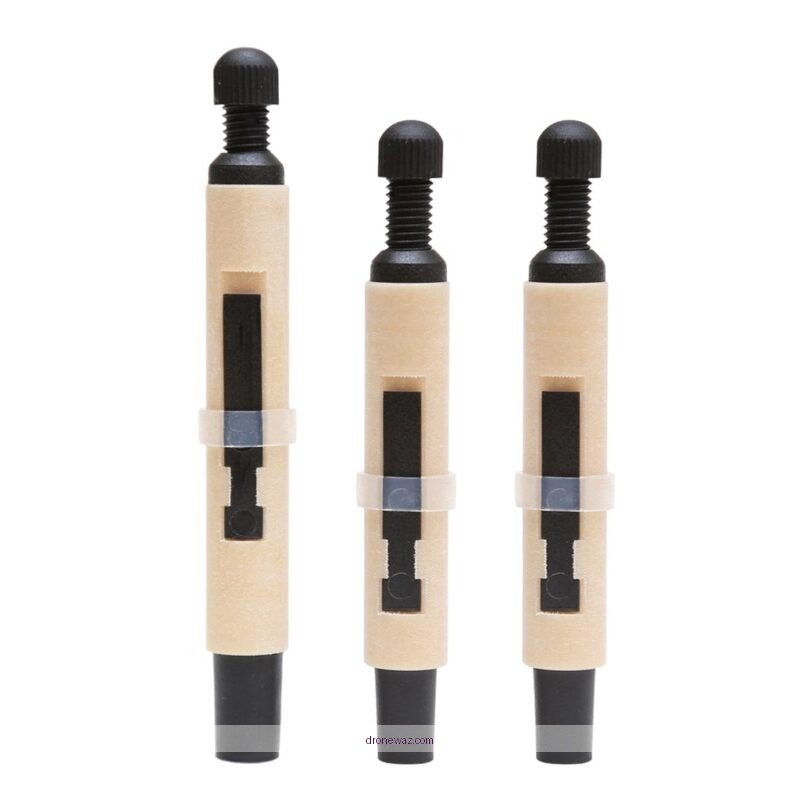
Synthetic reeds are engineered for stability and consistency, making them ideal for players who often perform in variable environmental conditions. They require less maintenance than their natural counterparts, which makes them particularly suitable for beginners or those with busy schedules who may not have time for regular adjustments. Additionally, synthetic materials typically produce a cleaner, more focused drone sound, enhancing overall clarity during performances, especially in ensemble settings.
Why You Should Choose Natural Reeds
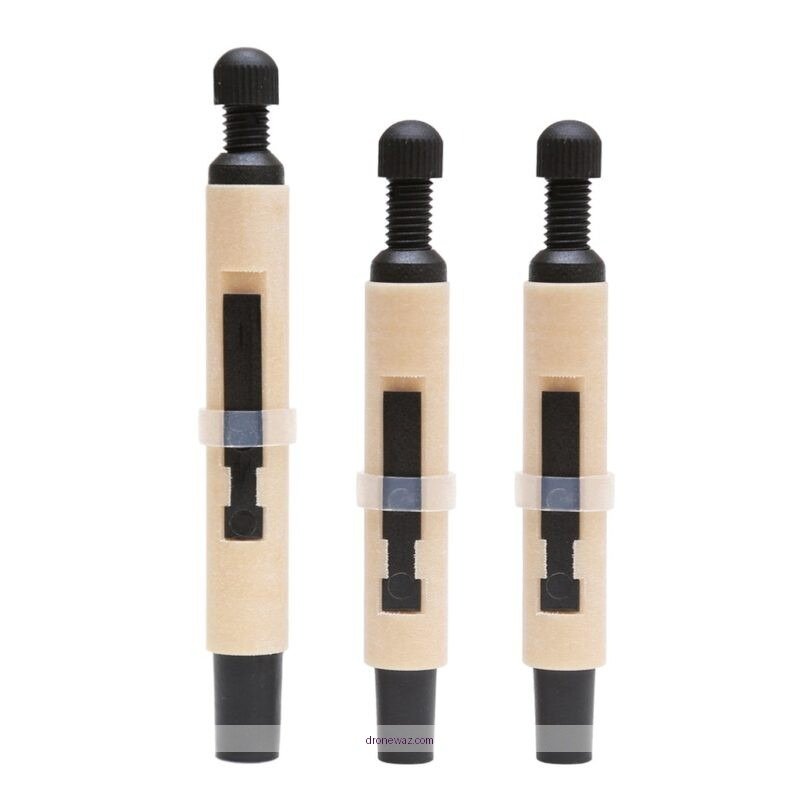
Natural reeds are renowned for delivering a rich, traditional sound that many seasoned players prefer. Their tonal quality is often described as more ‘alive’ or ‘organic’ compared to synthetic options. These reeds can offer a broader tonal range, enabling skilled players to manipulate sound dynamics more effectively during performances. Purists and those who value historical authenticity often gravitate toward natural reeds, as they have been the standard in bagpipe playing for centuries.
Head-to-Head Comparison Table
| Feature / Criteria | ✅ Synthetic Reeds | ✅ Natural Reeds |
|---|---|---|
| Stability | High; consistent performance | Variable; affected by humidity |
| Maintenance | Low; minimal adjustments required | High; regular care and tuning needed |
| Sound Quality | Clean and focused | Rich and warm |
| Longevity | Long-lasting | Shorter lifespan |
| Cost | Generally more affordable ($20-$30) | Typically more expensive ($30-$50) |
| Best For | Beginners, outdoor performances | Advanced players, traditionalists |
| Verdict | Reliable and consistent | Rich, nuanced sound |
Our Verdict
For beginners or players seeking reliability and low maintenance, synthetic reeds are the clear choice. Their stability and ease of use contribute to consistent performance. Conversely, advanced players who desire a fuller, more nuanced sound should opt for natural reeds. These provide superior tonal quality during performances, allowing for greater dynamic expression.
When the Answer Flips
In extreme weather conditions, such as high humidity or temperature fluctuations, synthetic reeds may outperform natural ones, maintaining their performance despite environmental changes. Additionally, if quick setups are essential—such as during impromptu performances or competitions—synthetic reeds offer the reliability needed without the constant adjustments that natural reeds might require.
In conclusion, understanding the differences between synthetic and natural reeds is essential for any bagpipe player. By carefully assessing your playing style, environment, and sound preferences, you can make an informed decision that will significantly enhance your playing experience.
Frequently Asked Questions
What are the best bagpipe drone reeds for beginners?
The best bagpipe drone reeds for beginners are typically synthetic reeds like the G1 or the McCallum drone reeds. These options offer stability and consistency, making them easier to manage for new players. Additionally, synthetic reeds are durable and require less maintenance than traditional cane reeds, allowing beginners to focus on developing their skills.
How do I choose the right drone reeds for my bagpipes?
Choosing the right drone reeds for your bagpipes depends on several factors, including your playing style, the type of bagpipes you own, and the sound you desire. Consider trying a few different brands and materials, such as cane versus synthetic reeds, to see which produces the tone you prefer. It’s also helpful to consult with experienced players or instructors who can recommend reeds based on your specific needs.
Why do bagpipe drone reeds require regular maintenance?
Bagpipe drone reeds require regular maintenance because factors like humidity, temperature, and usage can affect their performance. Over time, cane reeds may warp or deteriorate, impacting the sound quality and pitch stability. Regularly checking and adjusting your reeds, as well as cleaning them, ensures they perform optimally and prolongs their lifespan.
What are the benefits of using synthetic drone reeds over cane reeds?
The benefits of using synthetic drone reeds include greater durability, consistent performance across varying weather conditions, and reduced maintenance needs. Unlike cane reeds, which can be sensitive to humidity changes, synthetic reeds maintain their sound quality and tuning more reliably. This makes them an excellent choice for both beginners and seasoned players looking for hassle-free options.
Which brands are most reputable for high-quality bagpipe drone reeds?
Some of the most reputable brands for high-quality bagpipe drone reeds include G1, McCallum, and Kinnaird. These brands are known for their craftsmanship and attention to detail, offering a variety of reeds that cater to different skill levels and preferences. Investing in reeds from these trusted manufacturers can significantly enhance your playing experience and sound quality.
References
- Bagpipes
https://en.wikipedia.org/wiki/Bagpipes - https://www.sciencedirect.com/topics/engineering/bagpipe
https://www.sciencedirect.com/topics/engineering/bagpipe - Google Scholar Google Scholar
https://scholar.google.com/scholar?q=bagpipe+drone+reeds+review - https://pubmed.ncbi.nlm.nih.gov/
https://pubmed.ncbi.nlm.nih.gov/ - https://www.bbc.com/culture/article/20160128-the-bagpipe-what-is-it-about-this-instrument
https://www.bbc.com/culture/article/20160128-the-bagpipe-what-is-it-about-this-instrument - https://www.jstor.org/stable/10.5325/jmusicalinstudieduc.1.1.0025
https://www.jstor.org/stable/10.5325/jmusicalinstudieduc.1.1.0025 - https://www.nature.com/articles/s41598-018-31404-4
https://www.nature.com/articles/s41598-018-31404-4 - Google Scholar Google Scholar
https://scholar.google.com/scholar?q=bagpipe+reeds+performance - https://www.theguardian.com/music/2017/dec/21/why-bagpipes-are-the-most-hated-instrument-in-the-world
https://www.theguardian.com/music/2017/dec/21/why-bagpipes-are-the-most-hated-instrument-in-the-world - https://www.ethnomusicology.org/page/Bagpipes
https://www.ethnomusicology.org/page/Bagpipes
