

Most drones are required to be registered, particularly those weighing over 0.55 pounds (250 grams) in the United States. This registration plays a pivotal role in promoting safety, accountability, and responsible operation within the airspace. As the popularity of drones continues to soar, understanding the nuances of the registration process is essential for both novice and experienced drone operators. In this article, we will explore the requirements for drone registration, exceptions, and the implications of failing to register your drone.
Understanding Drone Registration Requirements
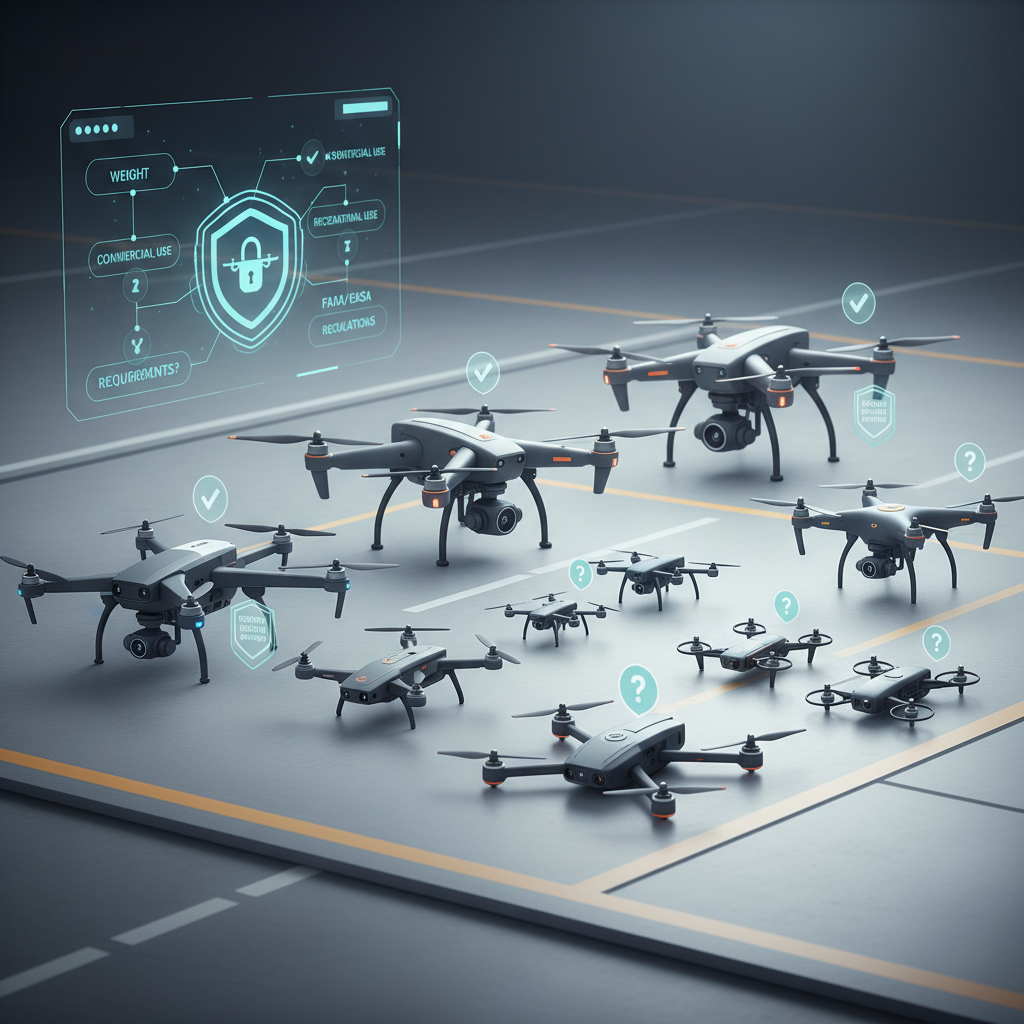
In the United States, the Federal Aviation Administration (FAA) mandates that drones weighing over 0.55 pounds must be registered. The registration process is relatively straightforward and can be completed online through the FAA’s official website. Once registered, the drone operator receives a unique registration number that must be affixed to the drone. Registration is valid for three years and comes at a nominal fee of $5. This system ensures that drone operators can be traced in the event of accidents, unauthorized flights, or other safety-related issues.
For commercial drone pilots, the registration requirements are similar, but the stakes are higher. Commercial operators must comply with stricter regulations under the FAA’s Part 107 rules, which govern commercial drone operations, including the need for additional certifications and adherence to specific operational guidelines. This distinction underscores the importance of understanding one’s role as a drone operator, whether for leisure or commercial purposes.
Exceptions to Registration
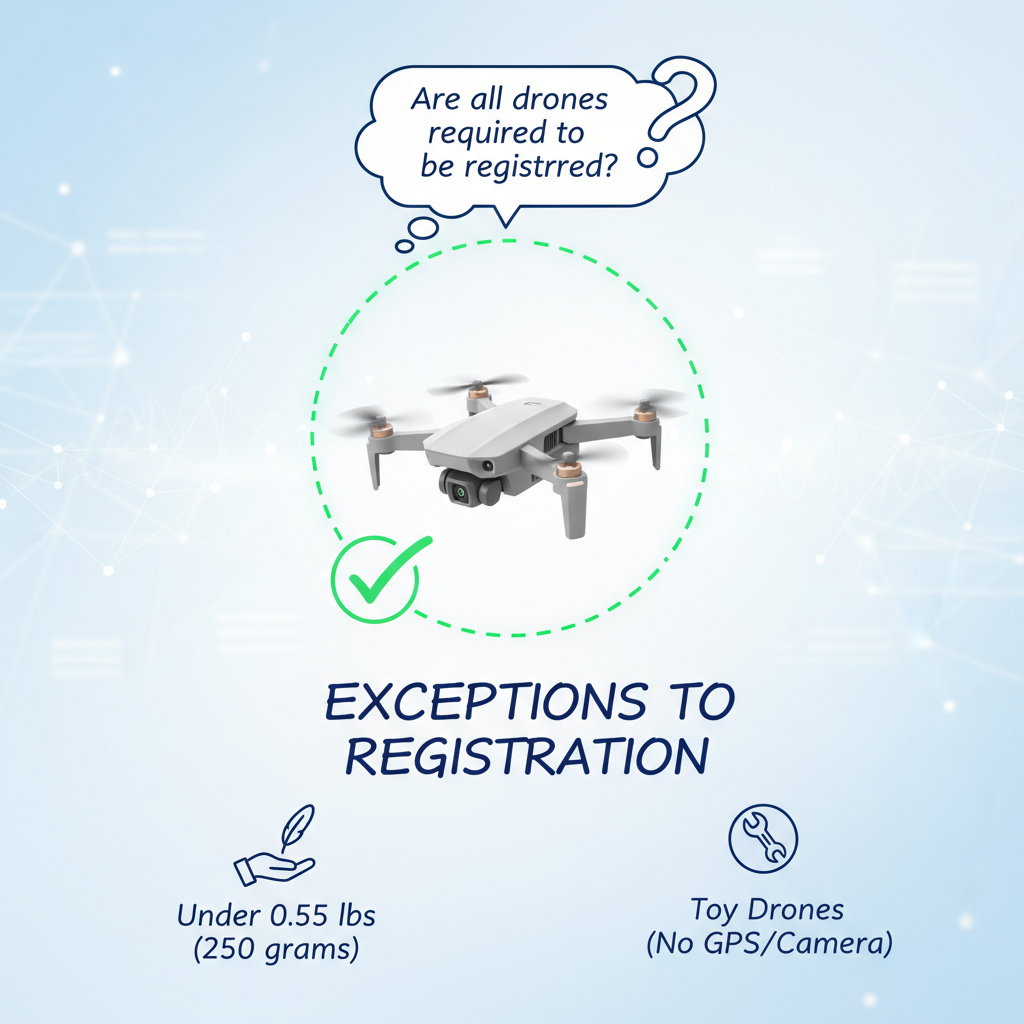
While the majority of drones fall under the registration requirement, there are notable exceptions to consider. Drones weighing less than 0.55 pounds (250 grams) are not required to be registered with the FAA. This exemption is particularly relevant for smaller consumer drones, which often appeal to hobbyists and entry-level users. However, just because registration is not mandated does not mean that operators should disregard safety and local laws when flying these lighter drones.
In addition to weight exemptions, certain government and military drones may also be subject to different regulations. These drones are often operated under specific guidelines that take into account their intended use, technological capabilities, and operational environment. Thus, operators of such drones should consult with relevant authorities to ensure compliance with all applicable regulations.
Benefits of Drone Registration
The advantages of registering a drone extend beyond mere compliance with regulations. First and foremost, registration enhances accountability and safety in the airspace. By requiring drone operators to register, the FAA can maintain a database of drone users, which is invaluable in promoting responsible flying practices and mitigating risks associated with drone operations.
Furthermore, registered drones are more likely to be recovered in the event of loss or theft. The unique registration number allows authorities to trace the drone back to its owner, facilitating a smoother recovery process. This is particularly important as incidents of stolen or lost drones continue to rise, posing risks not only to the owner but also to public safety.
Moreover, registration can foster a greater sense of responsibility among drone operators. Knowing that their identity is linked to the drone may encourage operators to adhere to safety guidelines, respect privacy, and avoid hazardous flying conditions. Ultimately, these benefits contribute to a safer and more responsible drone community.
How to Register Your Drone
Registering your drone is a simple process that can be completed in just a few steps. To start, visit the FAA’s official website and navigate to the drone registration section. Here, users will be prompted to create an account or log in if they already have one.
Once logged in, provide necessary information, including the drone’s make, model, and weight, along with the operator’s name, address, and email. After completing the required fields, the operator will be prompted to pay the $5 registration fee. Upon successful payment, the FAA will issue a unique registration number that must be clearly marked on the drone.
It’s important to note that drone operators must always carry proof of registration while flying. This can be a digital or printed copy of the registration certificate. Additionally, operators should keep abreast of any changes in regulations or guidelines that may affect their registration status.
Consequences of Not Registering
Failing to register a drone can result in significant consequences. The FAA has established penalties for non-compliance, with fines reaching up to $27,500 for individual operators and $250,000 for organizations. Such fines serve as a deterrent against irresponsible flying and encourage compliance with safety regulations.
In addition to financial penalties, unregistered drones may be subject to seizure by law enforcement or regulatory agencies. In some cases, operators may also face criminal charges if their drones are involved in incidents that jeopardize public safety. The repercussions extend beyond legal penalties; an unregistered drone can lead to damage to the operator’s reputation and trustworthiness within the drone community.
State-Specific Regulations
In addition to federal regulations set by the FAA, some states may have additional laws regarding drone registration and operation. These state-specific regulations can vary widely and may impose further restrictions on drone use, including where drones can be flown, privacy concerns, and even additional registration requirements.
For instance, states like California and New York have implemented stringent laws governing drone flights in urban areas, emphasizing the need for drone operators to stay informed about local legislation. Before flying a drone, it is crucial for operators to research and understand the specific laws that apply to their location, ensuring compliance with both federal and state regulations.
The Future of Drone Registration
The landscape of drone registration is continually evolving, with ongoing discussions about potential changes to existing requirements. As drone technology advances and more users enter the market, regulatory bodies are exploring ways to streamline the registration process. The potential introduction of automated registration systems or integration with drone identification technologies may simplify compliance for operators.
Moreover, as the industry grows, the FAA and other regulatory entities are likely to adapt their policies to address emerging challenges. This could include regulations related to air traffic management for drones, privacy concerns, and environmental impacts. Staying informed about these developments will be essential for drone operators looking to navigate the changing regulatory environment effectively.
In conclusion, while most drones must be registered, there are specific exceptions and regulations that vary by location. It’s crucial for drone operators to stay informed to ensure compliance and promote safe flying practices. If you own a drone, take the necessary steps to register and follow local laws to avoid penalties. Understanding the implications of drone registration not only safeguards your interests but also contributes to the overall safety of the skies.
Frequently Asked Questions
Are all drones required to be registered with the FAA?
Not all drones are required to be registered with the Federal Aviation Administration (FAA). According to FAA regulations, drones weighing more than 0.55 pounds (250 grams) must be registered before they can be flown in the United States. Registration helps ensure safety in the airspace and accountability for drone operators, so it’s essential to check the weight of your drone and understand your responsibilities as a pilot.
How do I register my drone with the FAA?
To register your drone with the FAA, you must visit the FAA’s official drone registration website. The process involves providing your name, address, and email, as well as information about your drone. After paying a registration fee of $5, you’ll receive a registration number that must be displayed on your drone. This registration is valid for three years and allows you to fly your drone legally in compliance with FAA regulations.
Why do I need to register my drone?
Registering your drone is crucial for several reasons. Firstly, it promotes accountability among drone operators and helps the FAA manage and maintain safe airspace. Additionally, if your drone is lost or involved in an incident, having a registration number can facilitate the return of your equipment and help resolve any legal issues. It’s also a step towards responsible flying, contributing to the overall safety of both manned and unmanned aircraft.
Which drones are exempt from FAA registration?
Drones that weigh less than 0.55 pounds (250 grams) are exempt from FAA registration. This exemption includes smaller recreational drones that are typically used for hobby flying. However, it’s important to note that even exempt drones must still adhere to safety guidelines and local regulations, so operators should familiarize themselves with applicable laws to avoid potential penalties.
What are the consequences of not registering my drone?
Failing to register your drone can lead to significant consequences, including fines and legal action from the FAA. The penalties for not registering can reach up to $27,500 for civil violations or even criminal penalties of up to $250,000, depending on the severity of the offense. Additionally, flying an unregistered drone can result in the confiscation of your equipment, making it critical for drone operators to comply with registration requirements to avoid these repercussions.
References
- https://www.faa.gov/uas/getting_started/registration
- https://www.faa.gov/uas/registration/
- https://www.faa.gov/uas/faq/
- https://www.nytimes.com/2021/04/20/business/drone-registration.html
- https://en.wikipedia.org/wiki/Unmanned_aerial_vehicle#Regulation
- https://www.nasaa.org/education/drone-registration-requirements/
- https://www.theguardian.com/technology/2022/jan/01/drone-registration-rules-us-uk
