
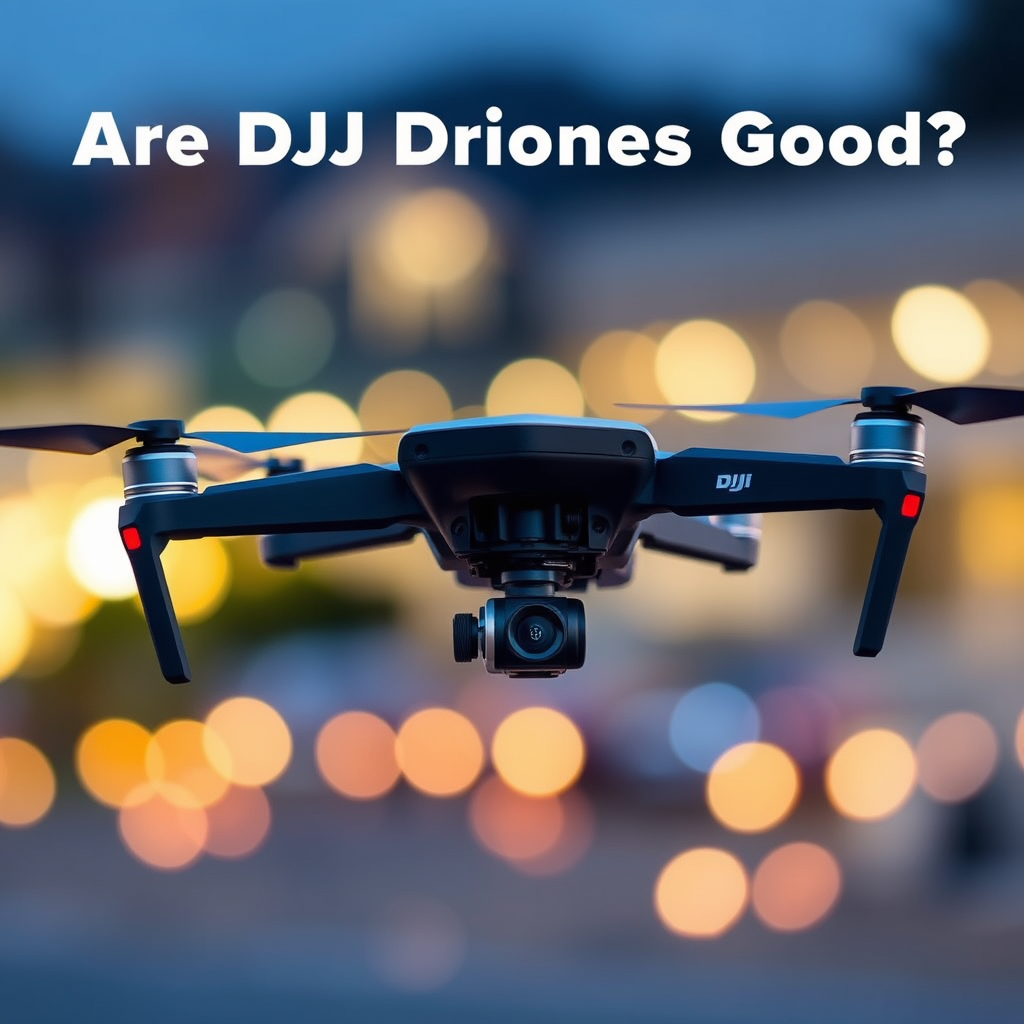
DJI drones are widely regarded as some of the best in the market, offering great performance, innovative features, and user-friendly designs. Their reputation stems from a combination of advanced technology, exceptional build quality, and a broad range of applications that cater to hobbyists, professional filmmakers, and commercial users alike. In this article, we will explore the reasons why DJI drones are a top choice across various user demographics, as well as some potential drawbacks to consider before making a purchase.
Overview of DJI Drones
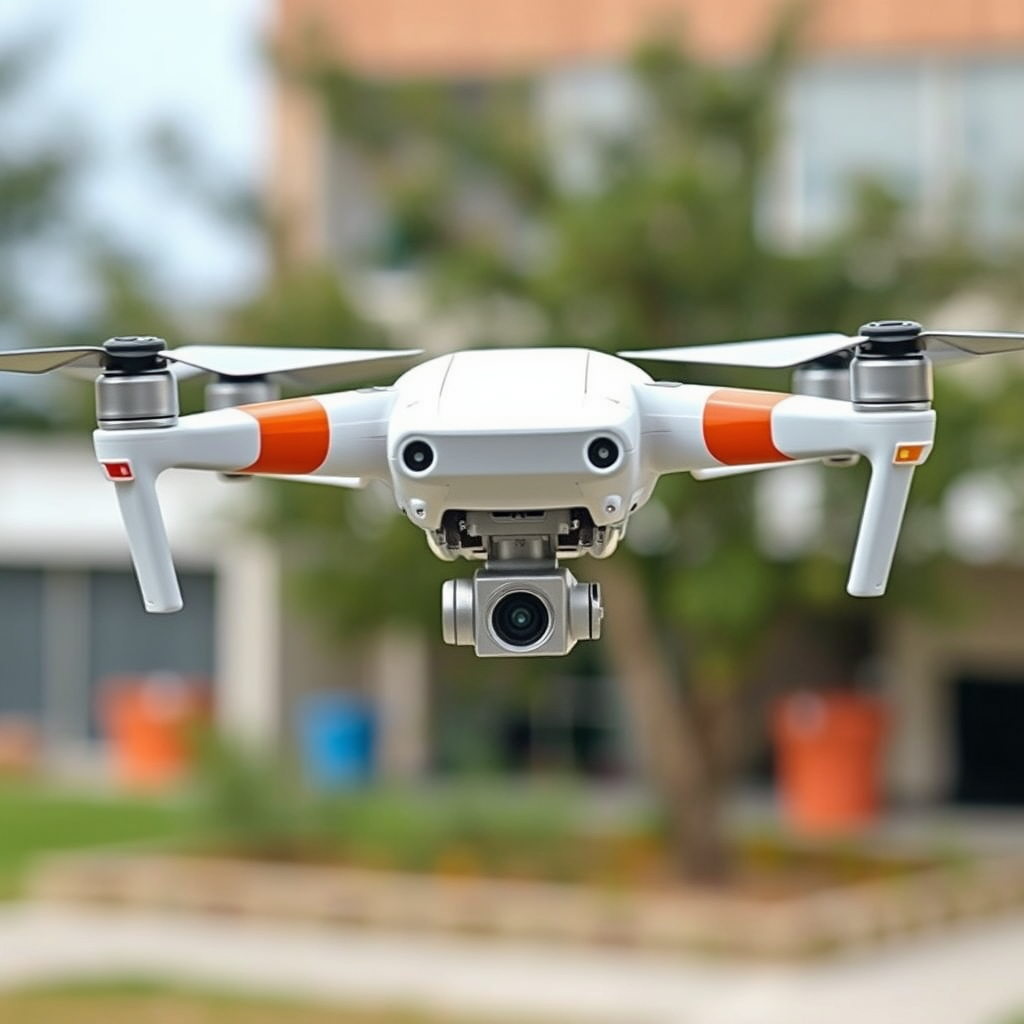
DJI has established itself as a dominant player in the drone industry since its inception in 2006. The company has consistently pushed the boundaries of drone technology, leading to innovations that have set industry standards. Popular models like the DJI Mavic Air 2, DJI Mini 2, and DJI Phantom 4 Pro each come equipped with unique features tailored to different user needs. For instance, the Mavic Air 2 boasts a 48MP camera and advanced obstacle sensing capabilities, making it ideal for capturing high-quality aerial images and videos. Meanwhile, the Mini 2 is celebrated for its portability and ease of use, making it a great option for beginners. DJI’s commitment to continuous improvement and user-centric design ensures that their drones remain at the forefront of the market.
Performance and Quality
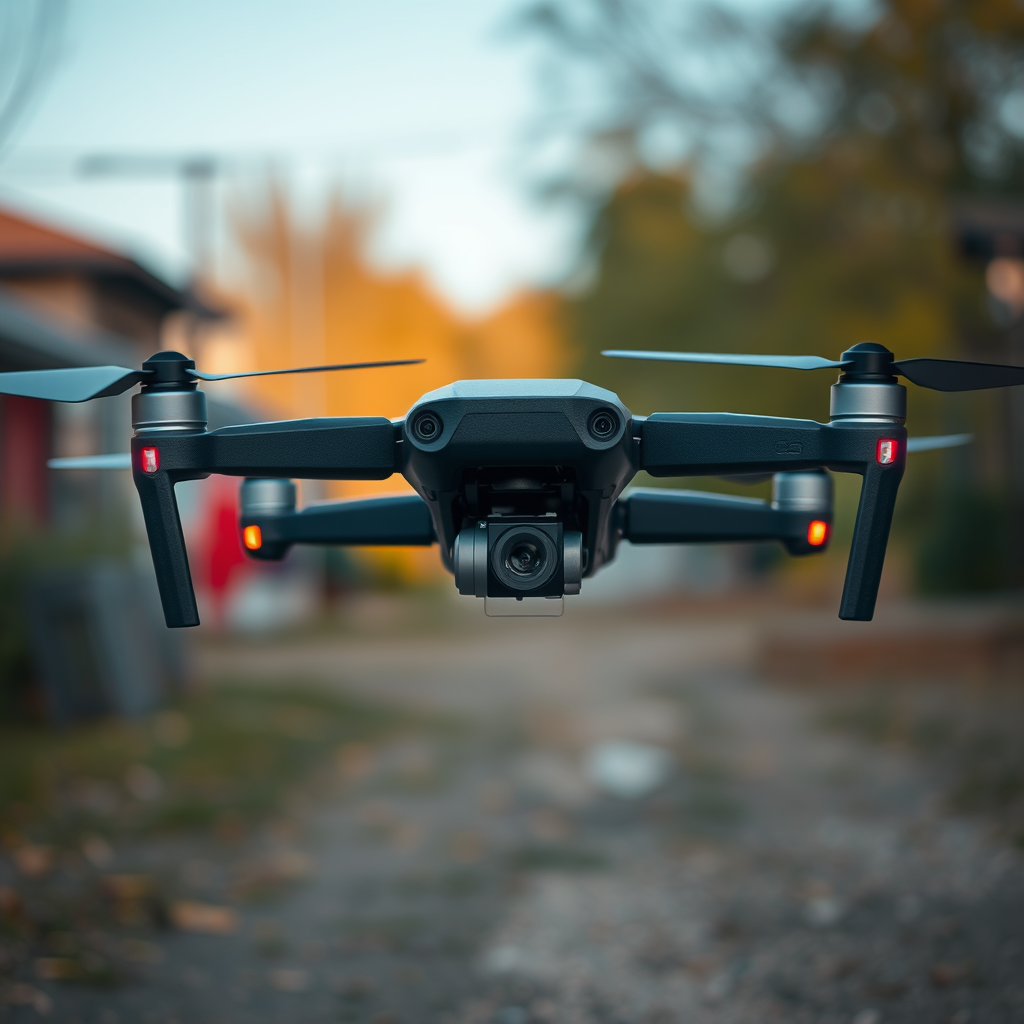
When it comes to performance and quality, DJI drones excel in several key areas. High-quality cameras and sensors are a hallmark of their products, capable of capturing stunning visuals that rival professional cameras. For example, the DJI Mavic 3 features a dual-camera system that includes a 4/3 Hasselblad sensor, allowing for exceptional low-light performance and image quality. Additionally, DJI drones are engineered for stable flight performance, thanks to advanced stabilization technology like the 3-axis gimbal system. This ensures that users can achieve smooth video footage even in windy conditions.
The battery life of DJI drones is another strong point, with models like the Mavic Air 2 offering up to 34 minutes of flight time on a single charge. This extended battery life allows users to maximize their shooting opportunities without the constant need for recharging, further enhancing the overall user experience.
User Experience
User experience is a critical factor that sets DJI drones apart from competitors. The intuitive controls and user-friendly interfaces make it easy for both novices and experienced pilots to navigate. The DJI Fly app, for example, provides a streamlined interface that offers real-time flight data, an easy-to-use camera control system, and various intelligent flight modes such as QuickShots and ActiveTrack.
Moreover, DJI places a strong emphasis on customer support and resources. The company offers comprehensive tutorials, forums, and customer service, ensuring users have access to the assistance they need. For those just starting, the wealth of educational content available greatly enhances the learning curve associated with flying drones.
Versatility and Applications
One of the standout features of DJI drones is their versatility, accommodating a wide range of applications. From professional photography and cinematography to aerial mapping and agricultural monitoring, DJI drones are equipped to handle diverse use cases. For example, the DJI Matrice 300 RTK is designed for industrial applications, featuring advanced AI capabilities and robust payload options, making it suitable for surveying, inspection, and search-and-rescue missions.
On the recreational side, hobbyists can use models like the DJI Mini SE for breathtaking landscape photography. The ease of use and portability of these drones allows amateurs to explore aerial photography without a steep learning curve. Whether for professional or personal use, DJI drones provide the flexibility to adapt to various needs and environments.
Price and Value
Price is always a consideration when purchasing a drone, and DJI offers a range of products to suit different budgets. Lower-end models like the DJI Mini SE are priced around $299, while high-end options such as the DJI Mavic 3 can cost over $2,000. Despite the varying price points, DJI drones are generally recognized for their exceptional value. Users receive a well-engineered product packed with features that enhance usability and performance, making them a worthwhile investment.
When assessing value for money, it’s important to consider the features and performance relative to the price. For instance, the Mavic Air 2 provides 4K video capabilities, obstacle avoidance, and intelligent shooting modes at a competitive price, making it a favorite among both amateurs and professionals. This balance of quality and affordability contributes to DJI’s reputation as a leader in the drone market.
Customer Feedback and Reviews
Customer feedback plays a significant role in evaluating the overall satisfaction with DJI drones. Many users praise the exceptional camera quality, ease of use, and reliability of these drones. Testimonials often highlight the stunning aerial imagery and video capabilities, which have exceeded user expectations. Additionally, experts frequently commend DJI for its innovation and attention to detail in design and functionality.
However, some common complaints include issues related to customer support, particularly regarding warranty claims and repairs. Additionally, some users have expressed concerns about the price of replacement parts and accessories. Despite these drawbacks, the overwhelming majority of feedback remains positive, reinforcing DJI’s status as a leading brand.
Alternatives to DJI Drones
While DJI drones are widely considered the gold standard, several alternatives exist in the market. Brands such as Autel Robotics, Parrot, and Skydio offer competitive models that cater to various user needs. For example, the Autel EVO Lite series is known for its impressive camera capabilities and longer flight times, while the Skydio 2 is renowned for its autonomous flying capabilities, making it a strong contender for users focused on automated filming.
When considering alternatives, it’s essential to assess key differences such as camera quality, flight time, software capabilities, and price. Some users may prefer a drone that specializes in a specific feature, while others might prioritize overall versatility. Conducting thorough research and comparing specifications can help buyers make an informed decision.
DJI drones are often praised for their superior technology, ease of use, and versatility, making them a solid choice for many users. However, it’s essential to consider personal needs and preferences when selecting a drone. If you’re interested in exploring the world of drone photography or videography, DJI drones are definitely worth considering. Their combination of performance, quality, and user support establishes them as a leading choice in the drone market, providing significant value to both casual users and professionals alike.
Frequently Asked Questions
Are DJI drones worth the investment for beginners?
Yes, DJI drones are often seen as a worthwhile investment for beginners due to their user-friendly interfaces, reliable performance, and extensive features. Models like the DJI Mini 2 offer excellent flight stability, high-quality cameras, and intuitive controls, making them ideal for newcomers to aerial photography and videography. Additionally, DJI provides comprehensive tutorials and support, which can significantly enhance the learning curve for first-time drone pilots.
What are the main advantages of using DJI drones compared to other brands?
DJI drones are renowned for several advantages, including superior camera quality, advanced stabilization technology, and a robust ecosystem of accessories and software. Their drones typically feature high-resolution cameras with 4K video capabilities, making them perfect for professional use and hobbyists alike. Additionally, DJI’s intelligent flight modes and obstacle avoidance systems enhance safety and ease of use, setting them apart from many competitors.
How do I choose the best DJI drone for my needs?
To choose the best DJI drone for your needs, consider factors such as your budget, intended use (e.g., photography, racing, or surveying), and portability. If you’re a casual user or a beginner, the DJI Mini series is a great option due to its lightweight design and ease of use. Conversely, if you require advanced features for professional work, models like the DJI Mavic Air 2 or DJI Phantom 4 Pro may be better suited due to their superior camera capabilities and extended flight times.
Why do some users complain about DJI drones losing signal?
Users may experience signal loss with DJI drones due to factors like interference from other electronic devices, obstructions such as trees or buildings, or flying beyond the drone’s maximum range. Additionally, environmental conditions such as weather or electromagnetic interference can affect signal strength. To mitigate these issues, it’s essential to fly in open areas, maintain a clear line of sight, and regularly update the drone’s firmware for optimal performance.
Which DJI drone is best for aerial photography?
The DJI Mavic 3 is widely regarded as one of the best drones for aerial photography due to its impressive camera specifications and advanced features. It boasts a dual-camera system with a 4/3 CMOS sensor, allowing for stunning 20MP still images and 5.1K video recording. Its extended flight time and robust obstacle sensing capabilities also make it a reliable choice for professional photographers seeking high-quality aerial shots.
References
- DJI
- https://www.bbc.com/news/technology-46884243
- https://www.reuters.com/technology/dji-drone-report-2020-11-30/
- https://www.sciencedirect.com/science/article/pii/S2210670721000244
- https://www.nytimes.com/2020/01/18/technology/dji-drone.html
- The best drone: top aerial cameras that we’ve tested and reviewed | TechRadar
- https://www.nationalgeographic.com/science/article/how-to-choose-a-drone-what-you-need-to-know
- Information Technology Innovation
- Find and contact elected officials | USAGov
