

Drones manufactured by DJI are not illegal in the U.S., but their use is subject to specific regulations set by the Federal Aviation Administration (FAA) and other authorities. As the popularity of drone technology continues to rise, understanding the legal landscape surrounding these devices is crucial for both recreational and commercial users. This article will clarify the legal status of DJI drones, the regulations that govern their use, and important considerations for drone operators in the United States.
Understanding FAA Regulations
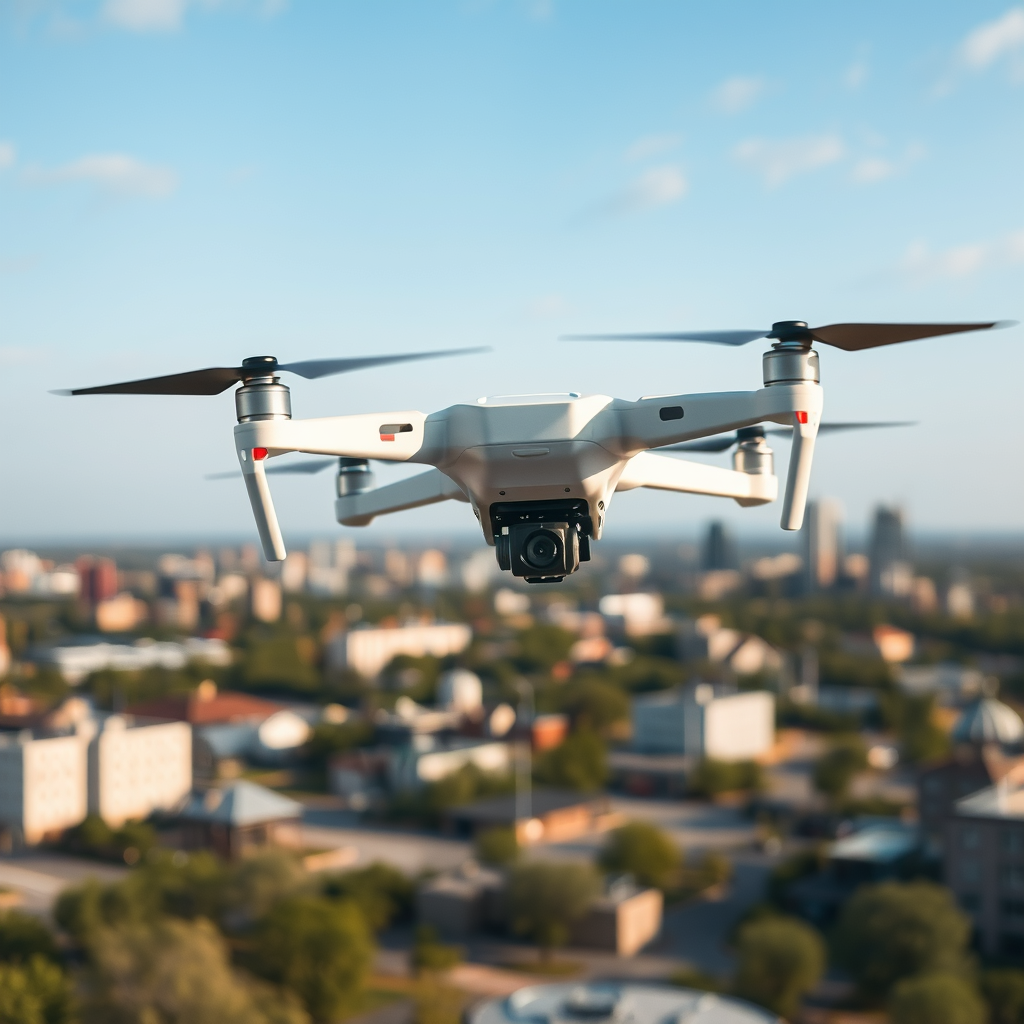
The FAA regulates all unmanned aerial vehicles (UAVs) in U.S. airspace, ensuring that they are operated safely and responsibly. According to FAA guidelines, any drone that weighs more than 0.55 pounds (250 grams) must be registered with the agency. This registration process is straightforward and can be completed online, requiring the operator to provide basic information about the drone and pay a nominal fee. Failure to register can result in fines and penalties, making compliance essential for drone enthusiasts.
In addition to registration, the FAA has set forth operational guidelines that all drone pilots must adhere to. These include flying below 400 feet, maintaining visual line of sight at all times, and avoiding flying over people not involved in the operation. The FAA also restricts drone use in certain airspace classes, particularly near airports and other critical infrastructure. It is vital for operators to familiarize themselves with these regulations to ensure safe and legal flight.
DJI Drones and National Security Concerns
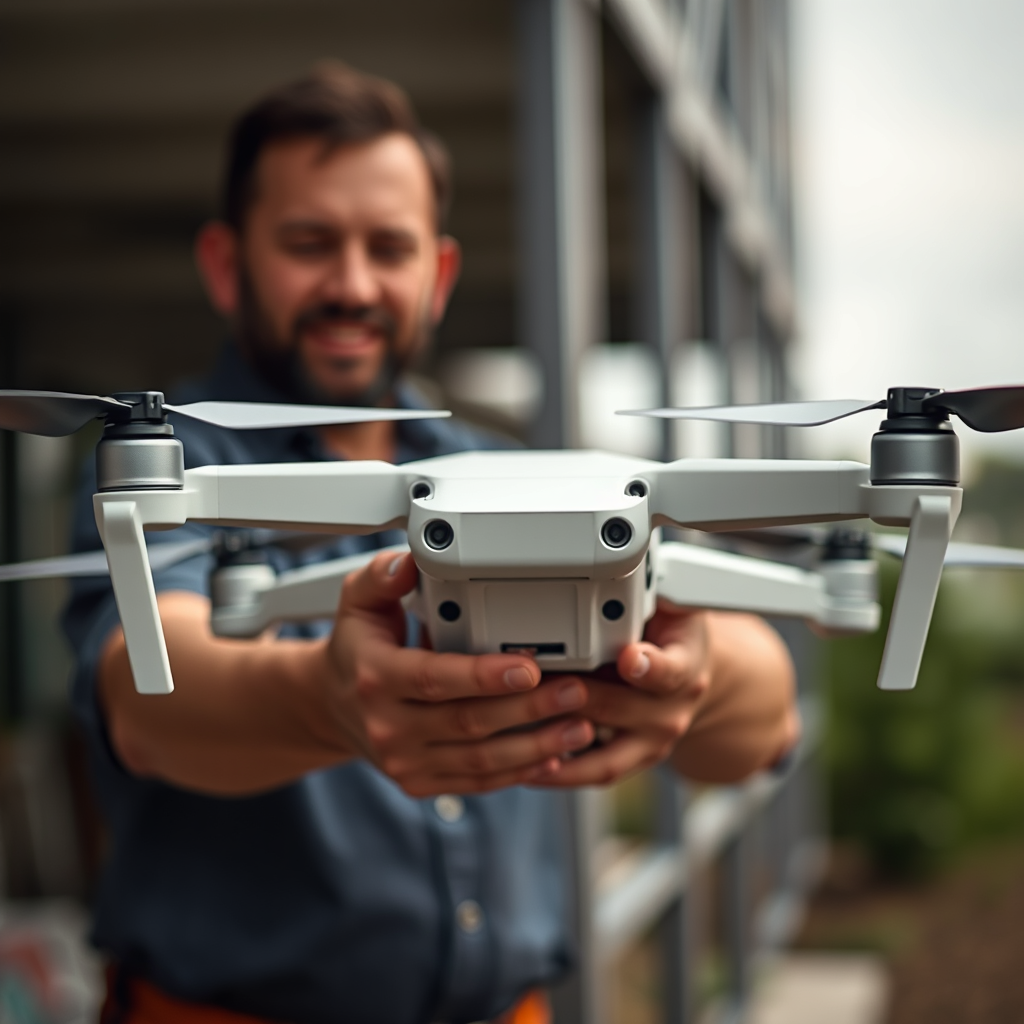
Despite their widespread use, DJI drones have come under scrutiny due to concerns over national security and data privacy. Some government agencies have raised alarms regarding the potential for data collection and surveillance capabilities inherent in these devices. For instance, certain federal entities, including the Department of Defense and Homeland Security, have restricted the use of DJI drones on government property, citing fears that the data captured by these drones could be accessed by foreign governments or malicious actors.
These concerns have prompted discussions about the need for enhanced security measures and regulatory oversight. In response, DJI has implemented various features aimed at mitigating these risks, such as geofencing technology that prevents drones from entering restricted areas. Nevertheless, potential users should remain informed about current government policies and any restrictions that may affect their ability to operate DJI drones, particularly in sensitive locations.
Recreational vs. Commercial Use
The regulations governing the use of drones differ significantly between recreational and commercial applications. Recreational drone users must comply with specific guidelines established by the FAA. These include maintaining an altitude below 400 feet, flying within visual line of sight, and avoiding restricted airspace. Additionally, recreational users are prohibited from flying drones for commercial purposes unless they obtain the necessary certifications.
On the other hand, commercial drone use requires operators to hold a Remote Pilot Certificate issued by the FAA. This certification process involves passing a written knowledge test that covers various topics, including airspace classification, FAA regulations, and safety procedures. Commercial operators must also adhere to stricter operational guidelines, such as conducting thorough pre-flight checks and maintaining detailed records of their flights. Understanding these distinctions is crucial for anyone looking to use a DJI drone for professional purposes.
Local and State Regulations
In addition to federal regulations, drone operators must also be aware of local and state laws that may impose additional restrictions on where and how drones can be flown. These regulations can vary significantly by jurisdiction, with some cities and states enacting ordinances that restrict drone use in public parks, near schools, or in densely populated areas. For example, New York City has specific rules prohibiting drone flights over certain areas, and violators can face substantial fines.
To avoid legal issues, it is essential for drone operators to check local ordinances before flying. Many municipalities provide resources online that outline their specific regulations, and some even require permits for drone operation in certain areas. Staying informed about local laws can help operators avoid fines and ensure a positive flying experience.
Airspace Restrictions
Airspace restrictions are a critical consideration for any drone operator, as certain areas are designated as no-fly zones. These include regions near airports, military bases, and other sensitive locations that pose safety risks or national security concerns. The FAA categorizes airspace into different classes, each with its own rules regarding drone operation.
Operators can utilize various apps and online resources to check for restricted airspace before their flights. Tools such as the FAA’s “B4UFLY” app provide real-time information on airspace restrictions and help users plan their flights accordingly. Understanding airspace limitations is essential not only for compliance but also for ensuring the safety of all airspace users.
Best Practices for DJI Drone Operators
To promote safe and responsible drone operation, DJI drone users should adopt several best practices. Before each flight, conducting a thorough pre-flight check is essential. This includes inspecting the drone for any physical damage, ensuring that the battery is fully charged, and verifying that all software is up to date. Taking these precautions can help prevent accidents and enhance overall flight safety.
Additionally, operators should stay updated on evolving regulations, as drone laws can change frequently. Joining local drone clubs or online forums can provide valuable insights into best practices and regulatory updates. Furthermore, engaging in responsible flying practices, such as respecting the privacy of others and avoiding crowded areas, will contribute to a more positive perception of drone technology in the community.
In conclusion, DJI drones are not illegal in the United States, but their operation is governed by a complex set of regulations that all operators must follow. Understanding FAA guidelines, being aware of national security concerns, and differentiating between recreational and commercial use are critical for responsible drone flying. Additionally, local regulations and airspace restrictions play an essential role in determining where and how drones can be operated safely. By adhering to best practices and staying informed about regulatory changes, drone operators can enjoy their hobby or business while ensuring compliance and safety. For further information, consider referring to the FAA’s official website and local resources to stay abreast of the latest regulations.
Frequently Asked Questions
Are DJI drones illegal to fly in the US?
No, DJI drones are not illegal to fly in the United States. However, drone operators must adhere to the regulations set forth by the Federal Aviation Administration (FAA), which includes registering their drone if it weighs over 0.55 pounds, flying below 400 feet, and staying away from restricted airspace. Compliance with local laws and regulations is also necessary, as some areas may have specific restrictions on drone usage.
What are the legal requirements for flying a DJI drone in the US?
To legally fly a DJI drone in the US, operators must register their drone with the FAA if it weighs more than 0.55 pounds. They should also obtain a Remote Pilot Certificate if flying for commercial purposes. Additionally, operators must follow FAA guidelines, including flying during daylight hours, maintaining visual line-of-sight, and avoiding restricted areas, among other rules.
Why do some people think DJI drones are illegal in the US?
The confusion surrounding the legality of DJI drones often stems from the strict regulations imposed by the FAA and the negative media coverage regarding reckless drone use. Incidents involving drones can lead to public apprehension, causing some individuals to mistakenly believe that all drones, including those from DJI, are illegal. It’s important to understand that while regulations exist, DJI drones themselves are not prohibited.
Which DJI drones are legal to fly in the US?
All DJI drones that comply with FAA regulations can be flown legally in the US. This includes popular models like the DJI Mavic Air 2, DJI Phantom 4, and DJI Mini series, provided they are registered and operated within the legal guidelines. The key is ensuring that the drone’s specifications and the operator’s actions adhere to local and federal laws.
How can I ensure that I am flying my DJI drone legally in the US?
To ensure you are flying your DJI drone legally in the US, start by registering your drone with the FAA if it meets the weight requirement. Familiarize yourself with the FAA’s rules for recreational and commercial drone use, including altitude limits and no-fly zones. Additionally, consider using apps or websites that provide real-time information about airspace restrictions and guidelines to stay compliant.
References
- https://en.wikipedia.org/wiki/Drone_regulations_in_the_United_States
- https://www.faa.gov/uas/getting_started/registration
- https://www.faa.gov/uas/guides_part_107/
- https://www.nytimes.com/2021/04/19/us/drones-regulations.html
- Page Not Found | GovInfo
- https://www.reuters.com/business/aerospace-defense/us-faa-issues-new-drone-rules-2021-01-15/
- https://www.nationalgeographic.com/science/article/how-to-fly-a-drone-legally-in-the-us
