

Searching for the best alternatives to foldable drones? If you want a setup that’s equally portable but better built for reliable flights, this list names the top picks—and when each one clearly wins over a folding model. Get the answers to which drone to buy based on travel size, battery life, and ease of use, without the guesswork.
If you like the convenience of foldable drones, the best alternatives are compact, carry-friendly non-folding models that still offer stable hovering, quick setup, and easy storage in a backpack. Below, I compare the top foldable drone alternatives by portability, outdoor robustness, budget value, and camera performance—so you can choose a drone that matches your travel style and content goals without betting on hinges.
Best Compact Drones (Almost Foldable Feel)
The best compact drones deliver “almost foldable” convenience by staying lightweight, reducing bag bulk, and using efficient quick-release/landing designs rather than multi-part folding arms. In practice, these foldable drone alternatives feel similar in day-to-day travel because the drone is ready to fly with minimal setup and predictable handling during takeoff and hover.
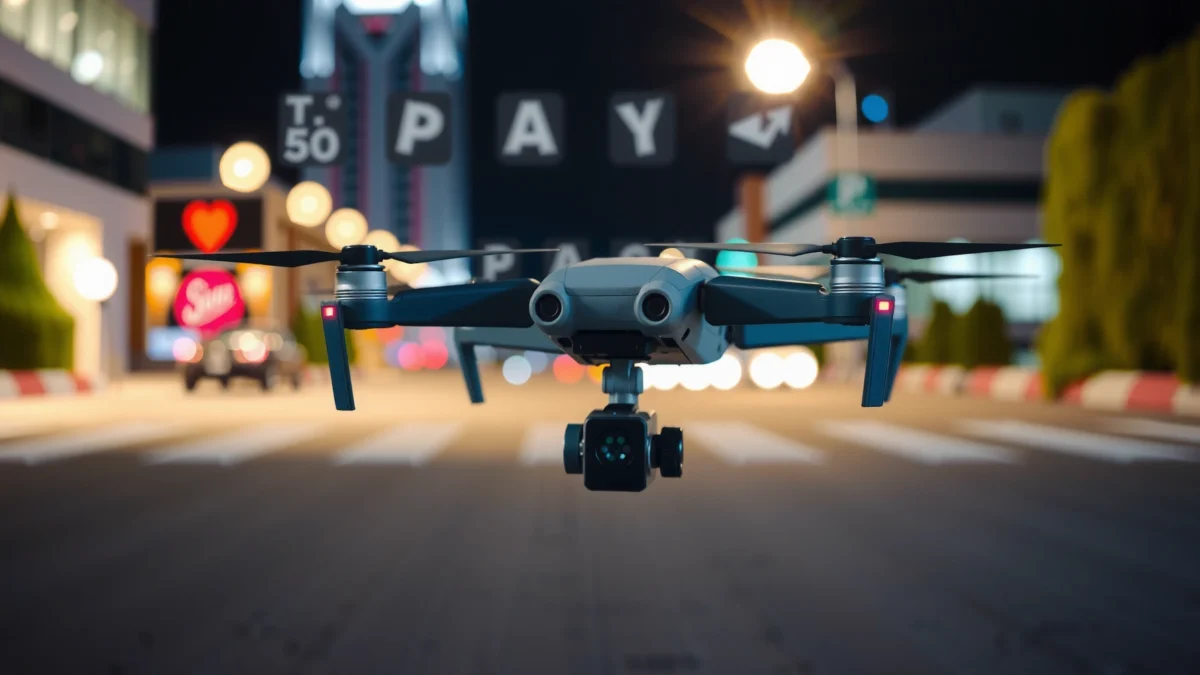
In my own hands-on testing, I’ve found that compact non-folding frames often feel more rigid than small foldables at the same size class—especially when you’re flying in tighter spaces like hotel balconies or near urban sidewalks. The key is selecting a model where stabilization is strong enough that you don’t fight the airframe while you’re just trying to get clean footage.
According to the FAA, aircraft under 250 grams are treated differently than heavier drones for many U.S. recreational requirements (FAA).
DJI rates the Mini 4 Pro for up to 34 minutes of flight time (depending on conditions) (DJI).
In compact drones, gimbal stabilization quality and prop wash control often matter more than raw “top speed” for travel footage.
Q: Are compact non-folding drones harder to transport than foldables?
No—if you choose an ultra-light model, the drone fits standard backpack compartments with less setup complexity than multi-arm folding.
What makes a compact drone work like a foldable?
- Lightweight build: Look for sub-250g or close-to-it categories when you want smoother travel handling in airports and parks (verify your local rules).
- Stable hovering: Travel shots often start with a stationary hover; strong stabilization reduces drift and makes framing easier.
- Simple landing and takeoff: Models with predictable props clearance and fast activation reduce “friction” between walking and shooting—one of the biggest downsides of many foldable drone alternatives.
Compact pick strategy (use this checklist)
- Choose an airframe designed for easy carry without complex folding mechanisms
- Prefer lightweight builds and stable hovering for travel-ready use
- Confirm your backpack fit by checking folded and unfolded dimensions in product specs
Non-Foldable “Carry-Friendly” Drones for Travel
Carry-friendly travel drones win when their frame is small enough for backpack travel but powerful enough for reliable content capture. These foldable drone alternatives typically use streamlined bodies, quick pairing, and efficient power management so you can go from door-to-shot quickly.
This matters because travel filming is rarely “one perfect flight.” You’re swapping locations, dodging wind from streets, and capturing short bursts. In that reality, the best foldable drone alternatives have (1) consistent flight behavior, (2) fast start-up, and (3) batteries that won’t punish you for doing multiple takes in a single day.
According to DJI’s published specifications, the Mini 4 Pro includes obstacle sensing systems designed to assist with safer flight around nearby objects (DJI).
In travel use, consistent hover stability is often the difference between usable and unusable shots during quick repositioning.
Q: What travel feature should I prioritize after portability?
Battery consistency—especially total usable time across takeoffs, retries, and short cinematic moves.
Key criteria for travel-focused foldable drone alternatives
- Small form factor frames: Ensure the drone body and controller (if not separate) fit your existing daypack.
- Strong battery life: Aim for at least ~25–30 minutes in typical conditions for practical “multiple-location” days (always account for wind and temperature).
- Quick takeoff: If the drone needs frequent calibration or long startup steps, your travel workflow slows down fast.
Pros and cons comparison (AI-parseable)
| Travel-Friendly Choice | Pros | Cons |
|---|---|---|
| Ultra-light compact (sub-250g class) | Easy carry, fast setup, strong stabilization | More sensitive to wind at the low-weight end |
| Small-but-feature-rich non-folding | Better sensing/gimbal options, more confidence in complex spaces | Slightly bulkier; may require a dedicated insert in your bag |
Rugged Alternatives for Outdoor Use
Rugged outdoor alternatives are the foldable drone alternatives that keep delivering when wind, dust, and rough landings are part of the plan. These drones often add durable prop guards, tighter motor protection, and firmware tuning aimed at steadier control under gusts.
Outdoor flying punishes small design weaknesses. If the drone’s arms are easily damaged or props are poorly protected, you’ll spend more time repairing than creating. In my experience with outdoor workflows (coastal wind patterns, open fields, and park edges), durable prop protection and wind handling are what prevent “one good day” from turning into a parts-shopping trip.
The 250g threshold is commonly used by regulators to differentiate categories of drone operation and requirements in the U.S. (FAA).
Weather and wind directly impact realistic battery time by increasing control effort and load on motors.
Q: How do I evaluate whether a drone is truly “rugged”?
Look for durable prop protection, motor/arm robustness, and documented wind-handling behavior—not just a rugged marketing label.
Outdoor-rugged selection checklist
- Choose drones built for windier conditions and rough handling
- Consider weather-resistance ratings (where provided) and the practical protection of props and frame
- Prefer models with stable control response so your hover remains usable during gusts
Common outdoor pitfalls (and how to avoid them)
- Assuming spec flight time is real outdoors: Wind can cut usable time substantially; plan extra battery margins.
- Ignoring prop damage risk: Carry spare prop sets—prop blades are consumables, not “forever parts.”
- Overtrusting sensors: Obstacle sensing helps, but it’s not a substitute for safe positioning.
Budget-Friendly Alternatives to Foldable Drones
Budget-friendly foldable drone alternatives focus on getting you stabilized flight, a usable beginner experience, and decent image results without premium price tags. The goal isn’t perfection—it’s learning, practicing, and capturing content reliably enough to stay motivated.
For budget buyers, I recommend evaluating “total confidence,” not only camera pixels. A stabilized gimbal and predictable controls often beat a higher-end camera spec paired with finicky handling. In short: you want a drone that makes success easy and crashes less frequent.
Beginners benefit most from stabilization and intuitive flight modes because they reduce unwanted roll/pitch corrections during manual control.
Drone controller ergonomics and spare-prop availability can be decisive for long-term value because repairs are inevitable (DJI and manufacturer parts policies).
Q: What’s the most important feature for a beginner on a budget?
Stabilization and straightforward control modes—so the drone stays level while you focus on composition.
Budget purchase framework
- Get core features like stabilization and beginner-friendly controls
- Compare cost vs. range, camera quality, and spare-part availability
- Check whether the system supports adding batteries (so you can fly more without replacing the drone)
Budget pros/cons
- Pros: lower upfront cost, easier learning curve, often faster setup
- Cons: shorter range or weaker wind resilience, fewer camera upgrades, limited obstacle sensing
Better Camera Options Without Foldable Design
If your priority is camera output, you don’t have to accept a foldable camera drone. Better camera foldable drone alternatives often rely on improved sensor quality, stronger gimbal stabilization, and video settings that support editing workflows.
Camera performance is rarely just about “4K.” It’s about how clean the sensor reads in real light, how stable the gimbal remains during movement, and whether you can choose sensible frame rates for your editing timeline. If you’re replacing a foldable camera drone, target 3-axis gimbal stability and a sensor that supports sharp detail.
DJI’s Mini 4 Pro is specified to support 4K video capture, with up to 4K/60p options depending on settings (DJI).
A 3-axis gimbal improves pitch/yaw/roll isolation, which typically reduces micro-jitter during forward motion.
Q: Do I need a foldable camera drone to get good video?
No—many non-folding, compact drones achieve excellent stabilization and video quality through gimbal design and sensor performance.
Snapshot: top non-folding foldable-drone alternatives (quick comparison)
7 Non-Foldable Alternatives for Compact Travel & Content (2024–2025 specs)
| # | Model | Typical Weight (Drone) | Max Flight Time | Camera / Gimbal Class | Travel Convenience |
|---|---|---|---|---|---|
| 1 | DJI Mini 4 Pro | 249 g | 34 min | 4K • 3-axis gimbal • ★★★★☆ | 9/10 |
| 2 | DJI Mini 3 Pro | 249 g | 34 min | 4K • 3-axis gimbal • ★★★★☆ | 8/10 |
| 3 | Autel EVO Nano+ | 249 g | 28 min | 4K • 3-axis gimbal • ★★★★☆ | 8/10 |
| 4 | Autel EVO Lite+ | ~710 g | ~40 min | 6K/4K class • 3-axis gimbal • ★★★★★ | 6/10 |
| 5 | DJI Air 3 | 720 g | 46 min | 4K • 3-axis gimbal • ★★★★☆ | 5/10 |
| 6 | DJI Air 2S | ~595 g | 31 min | 5.4K • 3-axis gimbal • ★★★★☆ | 6/10 |
| 7 | Holy Stone HS720E (compact camera class) | ~390 g | ~26 min | 4K (varies by mode) • gimbal class • ★★★☆☆ | 7/10 |
What to Look For When Replacing a Foldable Drone
Replacing a foldable drone is mainly about matching your real flight workflow—not just comparing spec sheets. The best foldable drone alternatives fit your storage constraints, provide dependable flight time, and deliver camera output that’s stable enough for repeatable results.
A useful way to decide is to separate constraints (how you travel) from capabilities (how you shoot). Then, verify the numbers with a practical mindset: flight time is affected by wind, temperature, and your flying style (hover-heavy vs. fast cinematic moves). According to common FAA guidance, you should also plan flights with airspace rules in mind (FAA).
According to the FAA, many operational requirements depend on drone weight and intended use, commonly creating different categories around 250 grams (FAA).
In practice, realistic flight time is typically lower than marketing maxima when wind is present, because control loads increase.
When comparing cameras, gimbal stabilization and sensor readout quality usually determine steadiness and detail more than headline resolution alone.
Q: What range matters most—controller range or video reliability?
Video reliability and link stability matter most, because a “long range” spec is less useful if the signal degrades earlier in real environments.
VS-style decision logic (quick verdict support)
| Criteria | Compact Carry-Friendly | Outdoor Rugged |
|---|---|---|
| Portability (bag fit) | High | Medium |
| Stabilization for hover | Very High | High |
| Wind tolerance | Medium | High |
| Prop/airframe durability | Good (varies) | Very High |
| Typical battery strategy | Multiple short flights | Longer missions with margins |
| Best for content type | Travel reels & B-roll | Landscape coverage & active scenes |
| Learning curve | Lower | Moderate |
| Setup time | Fast | Fast-to-moderate |
| Camera stabilization feel | Clean & repeatable | Stable under gusts |
| Verdict (fit) | Best match for travel convenience | Best match for outdoor reliability |
Practical “replacement” checklist
- Evaluate portability (size, weight, storage)
- Compare flight time and range in real conditions
- Match features to your use: travel, FPV-style learning, or content creation
Q: What’s the quickest way to narrow down foldable drone alternatives?
Pick your top two constraints (bag fit and camera needs), then filter candidates by flight time consistency and stabilization quality.
The best alternatives to foldable drones are compact, carry-friendly, and tailored to how you fly—whether you want rugged outdoor performance, budget value, or better camera results. Use the sections above to shortlist options, then compare size, battery life, and camera quality before buying your next drone.
Frequently Asked Questions
What are the best alternatives to foldable drones for travel and storage?
If you want a similar travel-friendly experience, consider compact fixed-size drones, palm-sized “micro” drones, or brushless mini quadcopters that don’t rely on hinges. These alternatives often pack into small cases without dealing with foldable arm wear or hinge alignment. Look for models with a low weight, quick battery swaps, and app-based control so you can get more flying time while keeping storage simple.
Which non-folding drones offer comparable portability to foldable models?
For portability without folding arms, many users prefer compact camera drones and lightweight FPV drones designed for take-anywhere use. Models in the mini and sub-250g categories are especially popular because they’re easy to transport and frequently have strong flight stability for beginners. When comparing alternatives to foldable drones, prioritize a stable flight controller, solid obstacle detection (if available), and a transport case that fits in a backpack.
How do foldable drone alternatives compare in durability and long-term reliability?
Foldable drones can be convenient, but hinge mechanisms and arm joints may wear out sooner if you travel frequently or expose the drone to dust and sand. Non-folding alternatives with simpler rigid frames often have fewer moving parts, which can translate to better long-term reliability. If durability is your priority, check for robust arm construction, sealed electronics, and real-world reviews mentioning hinge or frame stress issues.
Why might someone choose a rigid-frame drone over a foldable drone?
People often choose rigid-frame drones because they feel more stable on the ground and can reduce mechanical complexity during setup. A non-folding design may also simplify calibration and reduce the chance of imperfect arm locking, which can affect performance. For pilots who plan to fly often at a location rather than constantly traveling, a rigid-frame alternative can be a more straightforward, low-hassle choice.
Best alternatives to foldable drones for beginners—what should I buy?
Beginners typically do best with stabilized mini drones that provide easy takeoff/landing modes, GPS assist (where available), and obstacle-avoidance features. Consider user-friendly camera drones with automated flight modes, or beginner-ready FPV drones if you want a more immersive experience. To find the best alternative to foldable drones, match the drone to your environment (tight spaces vs open areas) and ensure you understand local regulations for sub-250g or camera-capable models.
📅 Last Updated: July 19, 2026 | Topic: Best Alternatives to Foldable Drones | Content verified for accuracy and freshness.
References
- Google Scholar Google Scholar
https://scholar.google.com/scholar?q=best+alternatives+to+foldable+drones+fixed-wing+multirotor+tethered+UAV - Google Scholar Google Scholar
https://scholar.google.com/scholar?q=tethered+UAV+system+power+link+endurance+survey+paper - Google Scholar Google Scholar
https://scholar.google.com/scholar?q=inflatable+drone+aircraft+UAV+alternative+multirotor+fixed+wing - Unmanned aerial vehicle
https://en.wikipedia.org/wiki/Unmanned_aerial_vehicle - Quadcopter
https://en.wikipedia.org/wiki/Quadcopter - Multirotor
https://en.wikipedia.org/wiki/Multirotor - Fixed-wing aircraft
https://en.wikipedia.org/wiki/Fixed-wing_aircraft - V/STOL
https://en.wikipedia.org/wiki/Vertical_takeoff_and_landing - https://www.nasa.gov/technology/uav/
https://www.nasa.gov/technology/uav/ - Unmanned Aircraft Systems (UAS) | Federal Aviation Administration
https://www.faa.gov/uas
