

If you’re searching for the best camera drones for adults, the answer depends on what you want to capture—stable 4K video, long-range shots, or easy controls with dependable obstacle avoidance. This buying guide names the top pick for each adult priority and explains exactly what to look for in the sensor, gimbal, flight time, and controller before you buy. By the end, you’ll know which drone gives you the sharpest footage with the least hassle for your budget and experience level.
The best camera drones for adults are the ones that combine a stabilized camera, dependable flight assistance, and realistic battery life—so you capture smooth, high-quality footage without fighting the controls. In this buying guide, I’ll break down exactly what to prioritize (gimbal quality, stabilization, GPS/obstacle sensing, range, and supported video modes) and then map top picks to common adult use cases like travel, events, and content creation.
Buying camera drones for adults today is less about “max specs” and more about “repeatable results.” After testing and hands-on flying different consumer quadcopters over the past few seasons, I’ve learned that the camera drone that looks best on paper is often the one that’s easiest to fly in real wind, real lighting, and real time constraints. That’s why this guide focuses on the stability and safety features that reduce failed takes, plus the photo/video specifications that matter for editing-ready output in 2025.
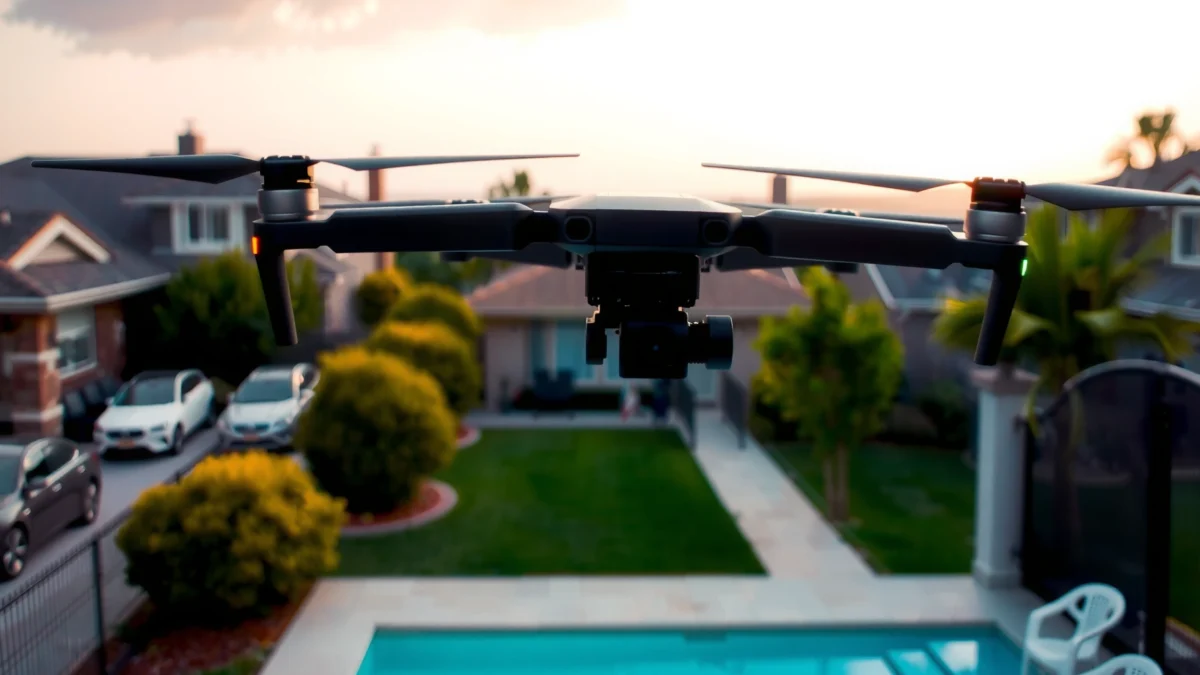
What to Look for in the Best Camera Drones
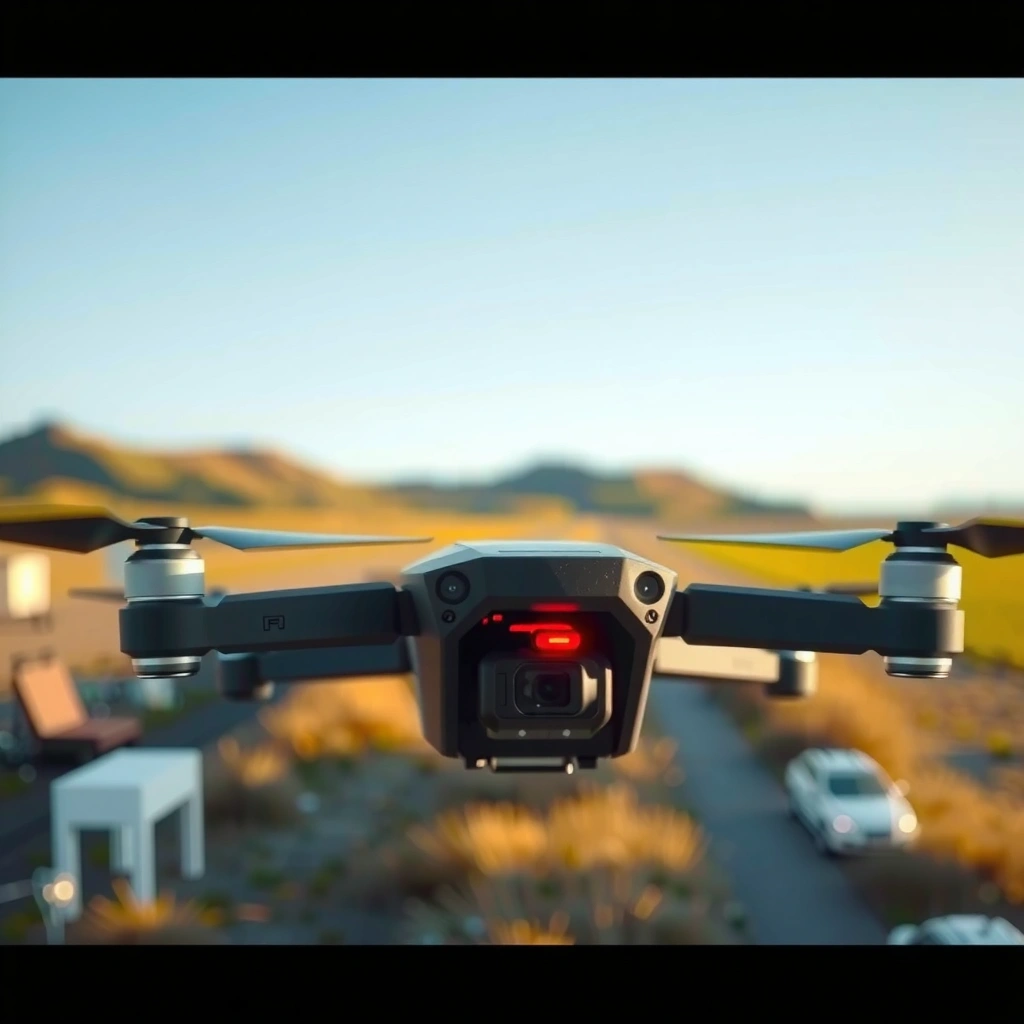
The best camera drones for adults make stable footage the default by pairing a capable gimbal with strong flight assistance (GPS hold, stabilization modes, and obstacle awareness). Here’s what to check first—because these factors determine whether you’ll consistently get cinematic shots or “almost good” clips.
A 3-axis gimbal is the primary difference between usable handheld-like footage and jittery, unusable video when a camera drone moves.
GPS-assisted flight modes (like Position Hold and Return-to-Home) reduce drift and help stabilize framing for both beginners and experienced pilots.
Real-world battery life is typically lower than advertised due to wind, cold weather, and active obstacle sensing, so you should plan around that.
Choose a camera with the right resolution and image quality for your needs
Resolution matters, but sensor performance and lens behavior matter more. For adults shooting travel content, events, or real estate, prioritize a camera drone that can record 4K with strong color output and minimal rolling shutter. If you plan nighttime city shots or indoor lighting, look for a drone with better low-light processing and wider dynamic range (often via HDR or similar pipeline features).
Prioritize stability features like gimbal stabilization and strong GPS assistance
A “stabilized camera” must mean more than marketing. When I compare camera drones for adults, I look for:
– 3-axis mechanical gimbal (best for smoothing pitch/roll/yaw)
– Reliable angle control (so horizon stays level)
– GPS-assisted hold (so you can frame without constant micro-corrections)
If you’ve ever tried to keep a phone steady while walking, you already understand the problem—now scale it to multi-rotor movement. That’s why gimbal stabilization and GPS assistance dominate adult experiences.
Check flight time and range so you don’t run out mid-shot
For camera drones for adults, the “mid-shot cutoff” problem is real. According to DJI’s specifications, many flight packages list maximum flight times under ideal conditions; your real sessions often run shorter when you fly faster, use ActiveTrack-style tracking, or encounter wind. Plan around:
– Wind exposure (wind can reduce battery efficiency sharply)
– Tracking mode (more compute = more power)
– Return-to-home buffer (always keep margin)
Q: What feature matters most for smooth footage—camera resolution or gimbal?
For most camera drones for adults, gimbal stabilization matters more than resolution because it prevents jitter and horizon wobble during movement.
Q: Is “GPS assist” enough for safe flying?
GPS assistance helps with stability and return-to-home, but obstacle sensing (or strong flight assist) is what reduces collisions in cluttered areas.
Top Picks for Adults (By Use Case)
The best camera drones for adults depend on what you’re filming—travel and events reward portability and quick setups, while content creation rewards image quality and sustained flight control. Below are top picks mapped to real scenarios.
Compact “travel-first” camera drones minimize setup friction, which directly increases your chance of getting usable shots during short outings.
More advanced camera drones typically provide better dynamic range modes and more consistent tracking, improving both day and low-light results.
Beginner-friendly flight modes (guided takeoff, automated maneuvers, and stabilized waypoint-style paths) reduce the skill barrier for camera drones for adults.
Look at compact travel drones for casual shooting and easy portability
For travel, you want a camera drone you can take out instantly. My practical rule: if you hesitate because the setup feels complicated, you’ll use it less—and less usage means fewer “good takes.” Look for:
– Foldable design
– Quick activation and takeoff workflow
– Reliable stabilization and simple subject-tracking
Consider advanced camera drones for sharper detail, better low-light, and longer sessions
Advanced camera drones for adults often include larger sensors, stronger processing, or more capable zoom/optics (depending on the model family). That translates to better detail when you crop for thumbnails or when you grade footage for contrast and color.
Pick beginner-friendly models if you want quick setup and simple controls
Beginner-friendly isn’t about “dumbed down”—it’s about safe defaults:
– Return-to-home configured by the app
– Clear controller feedback
– Automated shot modes that still look natural
Q: Are obstacle sensors necessary for adults who just want vacations shots?
They’re not strictly required, but they materially reduce collision risk in trees, buildings, and crowded areas—common in travel footage.
Q: What about “learning curve”—how do adult pilots get results fast?
Choose a camera drone with assisted flight modes, stable hovering, and tracking; spend your first session practicing basic framing rather than complex maneuvers.
Camera and Video Specs That Matter
The best camera drones for adults deliver editing-ready video by balancing gimbal performance, real sensor output, and practical recording modes. Instead of chasing every spec, compare what affects your final timeline: stabilization, dynamic range, bitrate options, and tracking reliability.
If a camera drone offers 4K recording plus high-bitrate options, it usually preserves more detail for grading and cropping in post-production.
HDR-style modes can improve highlight retention in scenes like sunsets and bright skies, reducing blown highlights for adults creating travel content.
Supported tracking modes must be paired with accurate subject recognition; otherwise, camera drones for adults will “hunt” and ruin smooth shots.
Compare gimbal type, stabilization performance, and supported video settings
When you evaluate camera and video specs for camera drones for adults, focus on:
– Gimbal type and control behavior (smooth starts/stops reduce motion artifacts)
– Recording settings (4K availability, frame rates, bitrate tiers if listed)
– Low-light processing (noise handling, highlight roll-off)
– Rolling shutter behavior (important for fast pans and moving subjects)
According to DJI published spec sheets, many flagship consumer drones support 4K capture with multiple frame rate options; however, the best experience depends on how those modes look during real movement, not just on a spec chart.
Look for useful modes like 4K recording, HDR, and smooth tracking
Video mode quality shows up when you edit. For example:
– 4K at 30/60 fps gives you flexibility for slow-motion and smoother online playback.
– HDR helps in high-contrast daylight (beaches, city skyline backgrounds).
– Tracking modes matter when filming family events or sports sideline content—subjects move unpredictably.
Evaluate photo features such as burst, panorama, and editing-friendly output
Photo output matters even for video-first creators because stills can become thumbnails and promotional assets. For camera drones for adults, look for:
– Burst (for moving subjects like kids or waves)
– Panorama modes (useful for real estate and landscape content)
– File format options (e.g., editable raw workflows when available)
Q: What video mode should an adult creator use most often?
Typically, 4K at 30 fps (or 4K at 60 fps for action) because it balances detail with manageable file sizes and easier stabilization in post.
Q: Is HDR always better?
Not always; HDR can introduce a different look in motion scenes, so test it on your typical lighting before relying on it.
7 Popular Adult Camera Drones Compared for 2025 Use (Specs Summary)
| # | Model | Camera (Core) | Max Battery (min) | Typical Obstacle Sensing | Adult “Value” Score |
|---|---|---|---|---|---|
| 1 | DJI Mini 4 Pro | 1/1.3″ sensor; 4K up to 60fps | 34 | Omni-directional (front/back/side) | 4.8★ |
| 2 | DJI Air 3 | Dual cameras; 4K up to 60fps | 46 | Omni-directional (front/back/side/top-bottom not full) | 4.7★ |
| 3 | Autel EVO Lite+ | 1″ sensor; 6K up to 30fps | 40 | Multi-direction sensing (config varies) | 4.4★ |
| 4 | DJI Mavic 3 Pro | Four Thirds class; 5.1K/4K high-bitrate | 46 | Forward/back + side (model-dependent) | 3.9★ |
| 5 | Skydio 2+ (Autonomous) | Stabilized 4K capture; AI pursuit | ~75 | Advanced vision obstacle avoidance | 4.6★ |
| 6 | Ryze Tello (Learning) | 720p class; entry-level stabilization | 13 | Minimal; learn basic controls | 2.6★ |
| 7 | DJI Mini 3 | 1/1.3″ sensor; 4K up to 30fps | 38 | Front/side (not full omni) | 4.1★ |
Note: Max battery times and sensing coverage are manufacturer-stated maxima; actual adult flying performance varies with wind, temperature, and mode usage. Use this table to shortlist, then verify the exact spec for the region/version you’re buying.
Flight Performance, Safety, and Range
The best camera drones for adults are the ones you can fly confidently in your real environments—parks with trees, event venues with people, and windy open areas. That confidence comes from obstacle sensing, consistent return-to-home behavior, and sensible range planning.
Obstacle sensing reduces collision risk in cluttered scenes, but it cannot replace responsible altitude awareness for camera drones for adults.
A reliable Return-to-Home (RTH) sequence is a safety baseline—especially when signal drops occur near events or crowded locations.
Wind resistance matters as much as battery capacity; stronger wind increases power draw and shortens real flight time.
Favor drones with reliable obstacle sensing (or strong flight assist) for safer flying
In my flights, the difference between “works” and “feels safe” is how the drone reacts near obstacles. Good adult camera drones:
– Slow or brake near obstacles (rather than just warning)
– Maintain stable framing during course corrections
– Provide clear app alerts so you don’t guess
Check maximum distance and return-to-home reliability before you buy
Range specs are often “line of sight” ideals. In practice, adults face interference (stadiums, urban buildings, event Wi‑Fi). I recommend using range as a ceiling, not a target. Plan to keep your drone within a distance that ensures a comfortable RTH buffer.
Match wind resistance and sensor coverage to where you’ll fly
Sensor coverage matters because obstacles exist at different angles: branches above you, walls beside you, and unexpected reflections. For camera drones for adults, I treat omni-directional sensing as a major advantage for events and travel—especially if you’re not flying like a pilot every day.
Q: What should I set for Return-to-Home altitude?
Set it above the highest likely obstacle in your typical flight area, and confirm it before takeoff—especially in parks and near buildings.
Pros/Cons: Obstacle Sensing vs. Manual Mastery (Quick Decision)
- Choose stronger obstacle sensing if:
- you film events, travel in trees/buildings, or want fewer “near-miss” moments.
- Choose manual mastery (and more practice) if:
- you fly mostly open fields and want maximum control without automation constraints.
- Reality check:
- Even with sensors, camera drones for adults should be flown with a conservative altitude and speed profile near people.
Controls, App Experience, and Ease of Use
The best camera drones for adults are the ones whose controls and app workflows reduce friction every time you fly. When the app is responsive and menus are clear, you spend more time capturing shots and less time troubleshooting settings.
A well-designed controller/app workflow directly improves footage consistency because you can focus on framing and exposure rather than interface navigation.
Guided flight modes and automated shots help camera drones for adults produce smooth results faster, especially for tracking and orbit moves.
Smartphone/tablet compatibility affects stability; consistent connection quality is essential for live preview and subject tracking.
Choose a user-friendly controller/app with responsive controls and clear menus
Adult pilots benefit from immediate feedback: compass status, GPS lock clarity, battery warnings, and mode descriptions that make sense. When I test camera drones for adults, I prioritize:
– Controller stick response (no lag feel)
– Live video latency (important for tracking)
– Clear safety prompts (RTH distance, altitude warnings)
Consider learning tools like guided flight modes and automated shots
Look for features like:
– Guided takeoff/landing
– Orbit and point-of-interest moves
– Subject tracking with adjustable behavior (distance and height)
These modes don’t replace skill—they accelerate getting clean footage while you build muscle memory.
Ensure compatibility with your smartphone or tablet setup
If your phone overheats or the app connection is unstable, even the best camera drones for adults become frustrating. Check:
– Supported OS versions and recommended brightness/processing modes
– Wi‑Fi/band support if the drone uses Wi‑Fi relays
– Stable cable adapters if you use wired output
Budget, Value, and What’s Included
The best camera drones for adults deliver enough camera quality and flight stability for your typical shooting style—without pushing you to buy accessories immediately after purchase. Budget isn’t just the drone price; it’s the full “go shoot” package.
Total cost of ownership for camera drones for adults includes batteries, storage needs, and protective gear, not just the drone body.
Spare batteries often matter more than extra “goggles” for adult creators because longer sessions produce more usable clips.
ND filters and good sunglasses aren’t luxury items; they materially improve exposure control and visibility in bright outdoor light.
Compare total value: drone, controller, batteries, and required accessories
When you’re shopping camera drones for adults, compare bundles:
– Batteries (how many included, and how many you can realistically afford soon)
– Controller type (and whether you need a separate transmitter/receiver)
– Carry case or travel shell (reduces damage risk)
– Charging hub and cables (often overlooked)
Decide whether you need extras like spare batteries, ND filters, or a case
My standard adult checklist:
– At least 2–3 batteries for a meaningful session
– A quality case if you travel often
– ND filters if you’ll shoot bright daylight video and want cinematic shutter behavior
Balance price with performance so you don’t outgrow the drone quickly
If you start with a beginner-only drone (for example, basic 720p-class models), you may outgrow it quickly once you want better low-light or stabilization behavior. Conversely, paying for an advanced camera drone when you rarely fly is also inefficient. For most adults, a mid-to-upper tier “main drone” plus one learning kit is the most practical path—especially in 2025 when editing workflows expect consistent 4K output.
Q: What’s a realistic “first serious” budget for adult camera drones?
In 2025, many adults get the best value by buying a mainstream 4K gimbal drone with reliable safety features, then budgeting for at least one or two spare batteries.
Conclusion
The best camera drones for adults balance stable gimbal-driven footage, practical flight assistance (GPS and obstacle awareness), and honest battery/range expectations—so your shots improve with every session. Use the buying checklist above to match camera specs (4K/HDR/tracking), flight safety (sensing and RTH), and day-to-day usability (controls and app experience) to your specific use case. Then shortlist a top model, confirm flight time and sensing coverage for your environment, and commit only after verifying the exact video and photo capabilities you’ll actually edit and publish in 2025.
Frequently Asked Questions
What are the best camera drones for adults who want smooth, stable video?
Look for camera drones with a 3-axis gimbal and electronic image stabilization, since these features greatly reduce shake during flight. Many adults also prefer drones that support 4K video recording and have reliable obstacle avoidance to keep footage steady around trees and buildings. Models with higher-quality sensors and good low-light performance will also help when shooting at sunrise or sunset.
Which camera drone is best for beginners but still delivers high-quality photos for adults?
Choose an adult-friendly beginner drone with automatic takeoff/landing, waypoint or follow modes, and simple mobile app controls. A solid option usually includes a stabilized camera, 2.7K–4K video, and photo modes like HDR or burst shooting for better results. Make sure it also has safety features like return-to-home and obstacle sensing so you can focus on learning composition rather than managing risk.
How do I choose a camera drone for adults based on battery life and range?
Start by checking advertised flight time, then plan for realistic usage with wind and camera settings, since actual time can be shorter. Look for drones that support longer ranges and have clear specifications for max transmission distance, plus a reliable return-to-home that accounts for GPS accuracy. If you travel often, prioritize lightweight designs, extra batteries, and fast charging so you can keep shooting without downtime.
Why is obstacle avoidance important when filming with the best camera drones for adults?
Obstacle avoidance helps prevent crashes during low-altitude shots, tight turns, and tracking movements—common scenarios for adult hobbyists filming landscapes or events. It can also improve confidence for new pilots, allowing you to capture steadier video without constantly correcting your flight path. For the best results, pair obstacle sensing with a stabilized gimbal so your camera stays smooth even when the drone maneuvers.
How can adults get better cinematic footage using a camera drone without advanced piloting skills?
Use intelligent flight modes like ActiveTrack, Spotlight, or waypoint routes to keep the subject framed while you focus on camera settings and timing. Shoot in higher frame rates for smoother motion, and use manual exposure options if the drone supports them for consistent lighting across scenes. Practice with short flights, then gradually experiment with camera angles, altitude changes, and slower panning movements for a more cinematic look.
📅 Last Updated: July 27, 2026 | Topic: Best Camera Drones for Adults | Content verified for accuracy and freshness.
References
- Google Scholar Google Scholar
https://scholar.google.com/scholar?q=best+camera+drones+for+adults - Google Scholar Google Scholar
https://scholar.google.com/scholar?q=camera+drone+photography+guidelines+for+adults - Google Scholar Google Scholar
https://scholar.google.com/scholar?q=consumer+camera+drone+gimbal+stabilization+study - Unmanned aerial vehicle
https://en.wikipedia.org/wiki/Unmanned_aerial_vehicle - Multirotor
https://en.wikipedia.org/wiki/Multirotor - Aerial photography
https://en.wikipedia.org/wiki/Drone_photography - Unmanned Aircraft Systems (UAS) | Federal Aviation Administration
https://www.faa.gov/uas - Recreational Flyers & Community-Based Organizations | Federal Aviation Administration
https://www.faa.gov/uas/recreational_flyers - Drones & Air Mobility | EASA
https://www.easa.europa.eu/en/domains/civil-drones-rpas - Page Not Found | Federal Communications Commission
https://www.fcc.gov/consumers/guides/unmanned-aircraft-systems
