

Yes, a drone can typically be a carry-on item when flying, but there are specific regulations and guidelines that vary by airline and country. Understanding these rules is essential for a hassle-free travel experience with your drone. As the popularity of drones continues to rise among both hobbyists and professionals, it’s crucial to navigate the complexities of air travel with these devices. This article will delve into airline regulations, size and weight limitations, battery regulations, security screening procedures, international travel considerations, insurance and liability, and practical tips for ensuring your drone travels smoothly alongside you.
Airline Regulations on Drones
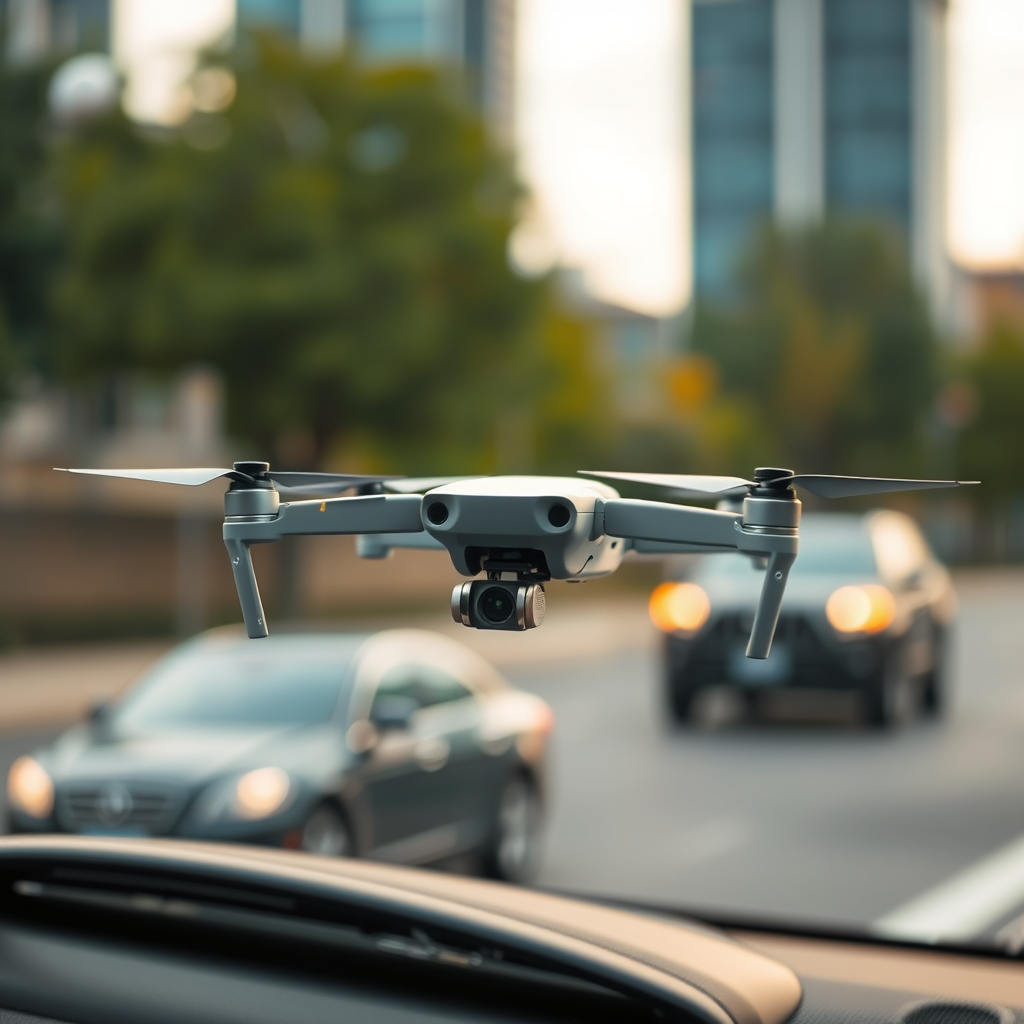
Different airlines have varying policies regarding the transportation of drones, and these can change frequently. Major airlines like American Airlines, Delta, and United Airlines usually permit drones as carry-on items, but each has its own set of rules. For instance, Southwest Airlines explicitly states that drones can be packed in carry-on luggage as long as they meet size and weight restrictions. Conversely, some budget airlines may have stricter regulations due to space limitations. Always check the specific airline’s website for updated rules on carry-on items before your flight. This proactive approach will save you from potential headaches at the airport.
Additionally, it’s important to consider any additional fees that might apply. Some airlines may classify drones under special sports equipment, which could incur extra charges. By familiarizing yourself with these policies in advance, you can better plan your travel itinerary and avoid unexpected costs.
Size and Weight Limitations
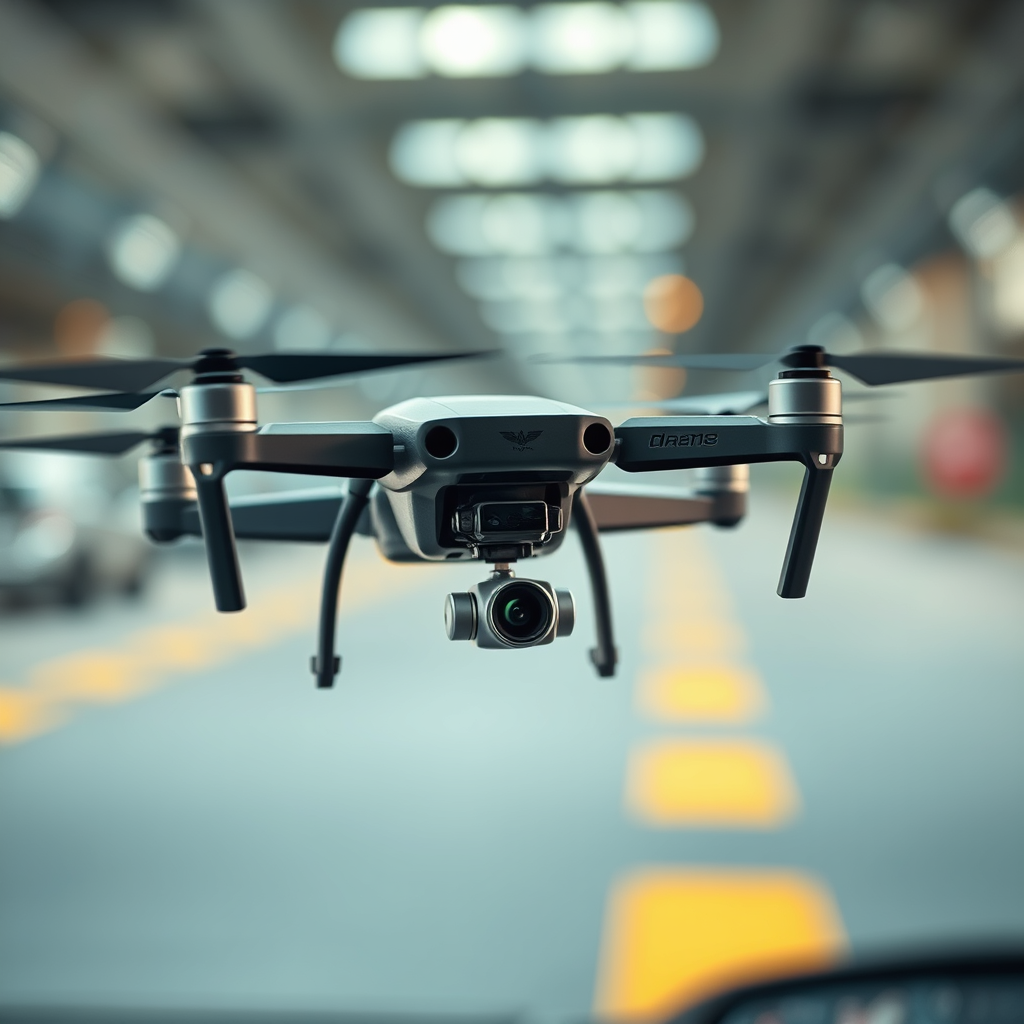
Most airlines have size and weight restrictions for carry-on luggage, which may affect drone compatibility. Typically, the maximum dimensions for carry-on bags hover around 22 x 14 x 9 inches, and weight limits can vary from 15 to 30 pounds. Before your trip, measure your drone and its carrying case to ensure it fits within these parameters. If your drone exceeds the carry-on limits, you may face checked baggage fees or, worse, be forced to leave it behind.
For instance, the DJI Mavic Air 2, which is quite popular among travelers, measures 7.2 x 3.2 x 3.3 inches when folded, making it a viable option for carry-on travel. On the other hand, larger drones like the DJI Phantom 4 can measure up to 15 x 12 x 8 inches, which may require additional consideration for packing. Always ensure your drone fits within these dimensions to avoid checked baggage fees and to facilitate smoother boarding processes.
Battery Regulations
Lithium batteries, commonly used in drones, have specific restrictions due to safety concerns, particularly regarding fire hazards. The Federal Aviation Administration (FAA) and other international regulatory bodies have set guidelines for transporting lithium batteries on flights. Typically, batteries under 100 watt-hours (Wh) can be carried onboard without major restrictions. However, if you’re carrying batteries rated between 100-300 Wh, you may need airline approval, and limits on the number of batteries you can carry may apply.
For example, a standard lithium-polymer battery for a drone like the DJI Mavic Pro is around 43 Wh, well within the safe range for carry-on luggage. However, larger drones might have batteries that exceed this threshold, requiring you to do additional research. Always check the watt-hour (Wh) rating limits for batteries allowed in carry-on luggage to ensure compliance and to avoid confiscation at security checkpoints.
Security Screening Procedures
Be prepared for additional screening at security checkpoints, as drones may require manual inspection. Security personnel may ask you to remove the drone from its case for closer examination. Keeping your drone accessible is crucial for a seamless security process. It’s advisable to place your drone in an easily reachable spot within your carry-on bag.
Furthermore, inform the security staff that you’re carrying a drone when you approach the screening area. This proactive communication can expedite the inspection process and reduce the likelihood of delays. It’s also wise to arrive at the airport earlier than usual to accommodate any unexpected security procedures.
International Travel Considerations
Different countries may have distinct laws regarding drone usage and transportation. Some countries have stringent regulations that may require permits or registration before you can legally fly a drone. For instance, in countries like Canada and Australia, travelers must comply with specific drone regulations that govern altitude limits, no-fly zones, and more. Research the destination’s regulations thoroughly to avoid legal issues upon arrival.
It’s also advisable to check if your drone is compliant with the local regulations of the country you’re visiting. In some cases, you may need to adjust settings or even modify your drone to align with local laws. Websites like the International Civil Aviation Organization (ICAO) and local aviation authorities can provide essential information on drone regulations worldwide.
Insurance and Liability
Consider purchasing travel insurance that covers drone-related incidents. Many insurance policies may not cover drone damage or liability during travel, so it’s critical to find a suitable option that protects your investment. Look for insurance plans specifically designed for drone owners, which may cover theft, damage during transit, and potential liability if your drone causes property damage or injury.
Understanding liability concerns is particularly important if you’re traveling with a high-value drone. If your drone is involved in an accident or causes damage, you could be held financially responsible. Therefore, having insurance can provide peace of mind while you focus on enjoying your travels and capturing stunning aerial footage.
Tips for Traveling with Your Drone
Traveling with a drone can be straightforward if you follow a few practical tips. First, use a sturdy case to protect your drone during transit. A well-padded, hard-shell case not only guards against physical damage but also keeps your drone secure from moisture and the elements.
Additionally, pack extra batteries safely and comply with airline guidelines. It’s wise to carry spare batteries in their original packaging or in a protective case designed for lithium batteries. This practice can help you avoid potential issues during security checks and ensure your batteries remain secure and intact.
Lastly, remember to familiarize yourself with the flight restrictions at your destination. Many popular tourist locations have specific rules governing drone use, so checking this information in advance can save you from fines or confiscation of your equipment.
Traveling with a drone can be enjoyable and straightforward if you know the rules. By preparing in advance and adhering to airline and regulatory guidelines, you can ensure a smooth journey with your drone in tow. Happy flying!
Frequently Asked Questions
Can I bring my drone as a carry-on item when flying?
Yes, you can typically bring your drone as a carry-on item when flying, but it’s essential to check the specific airline’s regulations before your flight. Many airlines allow drones in carry-on luggage, but restrictions may apply to battery sizes and types. Ensure that the drone is packed securely and that you are aware of any local regulations regarding drone use at your destination.
What are the rules for carrying drone batteries on a plane?
When carrying drone batteries on a plane, most airlines require that lithium-ion batteries be stored in your carry-on luggage rather than checked baggage. Generally, batteries must not exceed 100 watt-hours, and you may be limited to a certain number of spare batteries (often two). It’s crucial to protect the terminals of the batteries and ensure they are not damaged, as this can pose a fire hazard.
How do I prepare my drone for air travel?
To prepare your drone for air travel, start by checking the airline’s specific guidelines regarding drones and batteries. Remove any propellers and pack the drone in a sturdy case or backpack designed for drones to protect it from damage. Additionally, fully charge your batteries before travel, as some airlines may require you to show them during security checks.
Why might an airline deny my drone as carry-on luggage?
An airline may deny your drone as carry-on luggage for several reasons, including non-compliance with their size and weight restrictions or if the drone’s batteries exceed the acceptable watt-hour limit. Additionally, if the airline has specific policies against carrying drones due to safety or security concerns, they may not allow it on board. Always review the airline’s regulations ahead of your flight to avoid issues.
Which drones are best suited for travel as carry-on items?
When selecting a drone for travel, consider compact and lightweight models that easily fit into your carry-on luggage. Popular travel-friendly drones include the DJI Mavic Air 2 and the DJI Mini 2, both of which fold down to a compact size and have excellent flight capabilities. Look for drones with removable batteries to comply with airline regulations and ensure convenient transport.
References
- https://en.wikipedia.org/wiki/Drone
- https://www.faa.gov/uas/
- https://www.tsa.gov/travel/security-screening/whatcanibring/items/drone
- https://www.theguardian.com/us-news/2021/oct/18/drone-airlines-carry-on-baggage
- https://www.nytimes.com/2021/06/15/travel/drones-carry-on-luggage.html
- https://www.reuters.com/business/aerospace-defense/drones-baggage-can-you-bring-them-on-plane-2021-06-14/
