
Drone bees cannot sting. Only female bees, such as worker bees and queens, possess stingers. Understanding the biology and role of drone bees is essential for anyone interested in beekeeping or the ecology of bee populations. This article delves into the characteristics of drone bees, their function within the hive, and addresses common misconceptions surrounding these fascinating insects.
What Are Drone Bees?
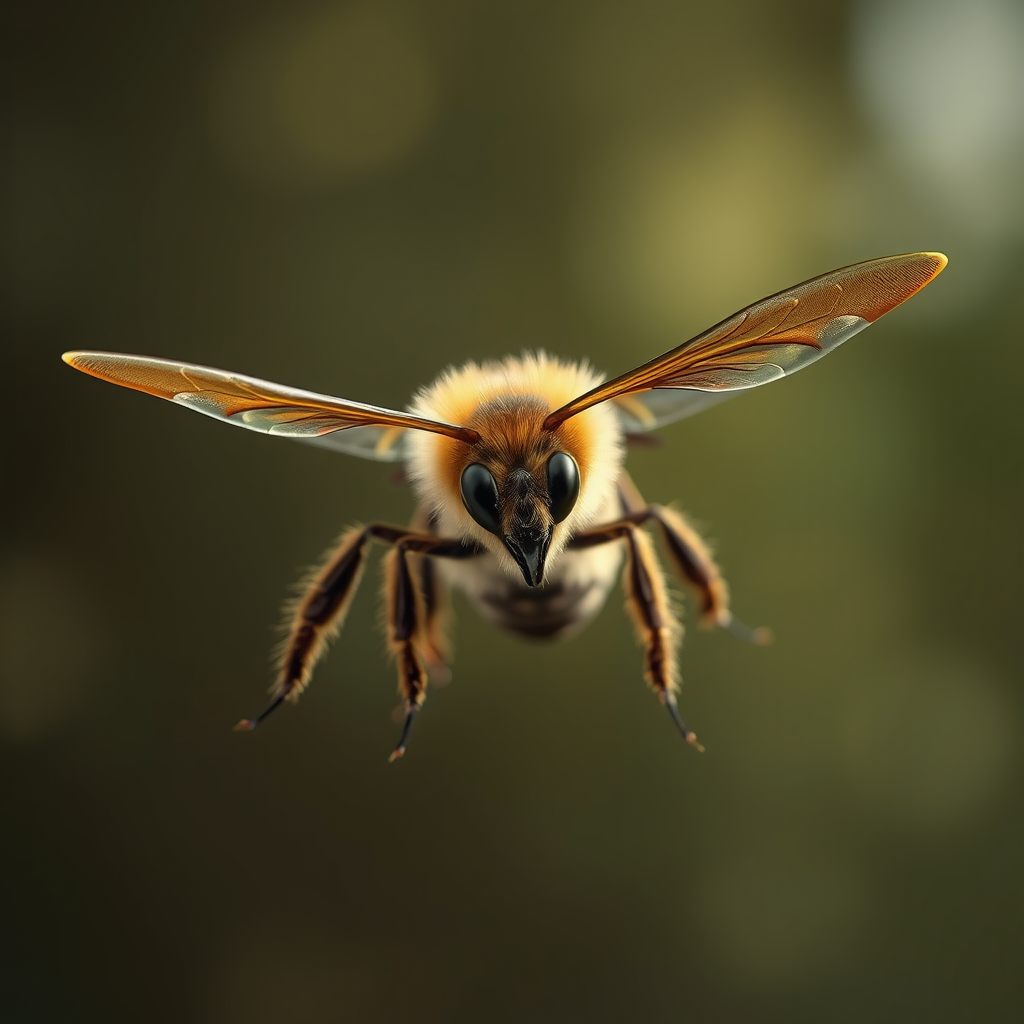
Drone bees are the male members of a honeybee colony, distinct from their female counterparts, the worker bees and the queen. Drones are produced from unfertilized eggs and primarily exist for one crucial purpose: to mate with a queen during the breeding season. This mating typically occurs during a specific time of year, particularly in late spring and early summer when conditions for reproductive activities are optimal. Unlike worker bees, which have multiple roles within the hive, drones focus solely on reproduction and do not gather nectar or pollen, nor do they partake in hive maintenance.
One interesting fact about drone bees is that they have a short lifespan, generally lasting only a few weeks to a couple of months. Their existence is largely dependent on the reproductive needs of the queen; if the colony does not require drones, they are often expelled from the hive, especially as winter approaches. This seasonal cycle demonstrates the hive’s adaptability and efficiency in maintaining its population dynamics.
The Anatomy of Drone Bees
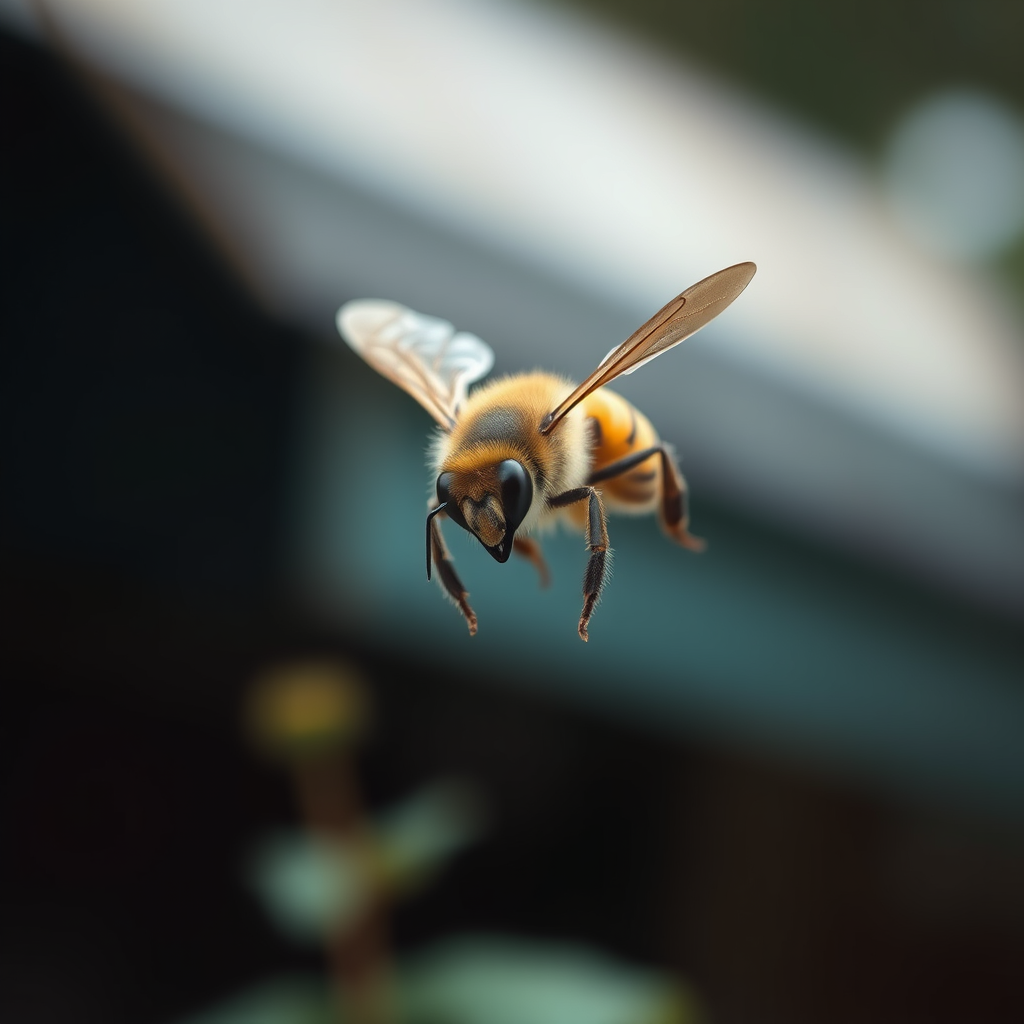
The anatomy of drone bees reflects their singular role within the hive. Drones are typically larger than worker bees, with robust bodies that facilitate their primary function—mating. They have large, rounded abdomens, which house their reproductive organs, including large testicles that produce sperm. Unlike worker bees, drones lack a stinger, a feature that directly correlates with their non-defensive role in the hive. This absence of a stinger means that drones are not equipped to protect the hive, which is a critical function fulfilled by worker bees.
Drones also have larger eyes than worker bees, which enhance their ability to spot queens during mating flights. This adaptation is crucial for successful reproduction, as the ability to locate a queen in flight is essential for the continuation of the hive’s genetic lineage. The physical characteristics of drone bees, from their size to their eye structure, underscore their specific role in the colony’s reproductive strategy.
The Role of Drones in the Hive
Drones play a vital role in maintaining the genetic diversity of the bee population. By mating with queens from various colonies, drones help ensure a healthy mix of genetic material, which can make the colony more resilient to diseases and environmental changes. This genetic diversity is essential for the long-term survival of bee populations, especially given the numerous threats they face today, including habitat loss, pesticide exposure, and climate change.
During the mating season, drones will leave the hive to participate in “drone congregation areas,” where they gather to wait for queens to fly by. This behavior highlights the importance of drones in the reproductive cycle of bees, as they are not only the male counterparts but also key players in the propagation of the species. However, as autumn approaches and the hive prepares for winter, drones are often expelled from the colony. This expulsion is a survival strategy, as the hive must conserve resources during the colder months when food is scarce, and drones do not contribute to foraging or hive upkeep.
Differences Between Drones and Worker Bees
The differences between drone bees and worker bees are stark and significant. Worker bees are females and possess stingers, which they use to defend the hive from threats. In contrast, drones, being male, do not have this defensive capability. Worker bees perform a variety of critical tasks within the hive, including foraging for nectar and pollen, building and maintaining the hive structure, and caring for the brood.
The varied roles of worker bees are essential for the hive’s overall functionality. They work tirelessly to ensure the hive remains healthy and productive, while drones simply fulfill their reproductive role during a limited time frame. This division of labor is a prime example of how honeybee colonies operate as superorganisms, where different castes take on specialized functions to ensure the survival and prosperity of the colony as a whole.
Implications for Beekeeping
For beekeepers, understanding drone behavior is crucial for effective hive management. The presence of drones can indicate a healthy colony, especially during the mating season when queens are actively breeding. However, the absence of drones during certain seasons can signal potential issues within the hive, such as poor queen health or a lack of resources.
Beekeepers can also manage drone populations within their hives to optimize reproduction and colony health. By monitoring the number of drones and their activities, beekeepers can make informed decisions about hive interventions, such as introducing new queens or adjusting foraging practices to ensure the colony remains strong. Additionally, understanding the life cycle and behaviors of drones can help beekeepers anticipate changes in hive dynamics, leading to more successful hive management strategies.
Common Misconceptions About Drone Bees
Many people mistakenly believe that all bees can sting, which leads to misunderstandings about the role and behavior of drone bees. This misconception often results in a negative perception of drones, viewing them as pests rather than recognizing their vital contributions to the hive’s genetic diversity and reproductive success.
Drones are often seen as non-essential, especially since they do not engage in foraging or hive maintenance. However, this perspective overlooks their important role in the reproductive process. By educating the public about the differences between drones and worker bees, we can foster a greater appreciation for all members of a bee colony and the intricate relationships that sustain their communities.
In addition to addressing misconceptions, it is essential to highlight the ecological importance of drones. Their role in mating contributes to the health of bee populations, which is critical for pollination and maintaining biodiversity in our ecosystems. Understanding and respecting the role of drone bees can promote better practices in beekeeping and enhance public interest in bee conservation efforts.
In conclusion, while drone bees are an essential part of the hive’s ecosystem, they lack the ability to sting and primarily serve a reproductive purpose. Understanding their role can enhance our appreciation for these fascinating insects. By recognizing the differences between drone bees and other members of the hive, we can foster a greater respect for their contributions and the intricate dynamics of bee populations. If you want to learn more about bees and their behaviors, consider exploring additional resources on beekeeping!
Frequently Asked Questions
Can a drone bee sting humans or animals?
No, drone bees cannot sting humans or animals. Unlike female worker bees and queens, male drone bees do not possess a stinger. Their primary role in the hive is to mate with a queen during the breeding season, and they do not have the defensive capabilities that worker bees do, making them harmless to humans.
Why do drone bees exist if they cannot sting?
Drone bees exist primarily for reproductive purposes within a bee colony. Their main function is to mate with a queen bee to help ensure the continuation of the hive’s genetic lineage. The absence of a stinger allows drones to focus solely on mating without the need to defend the hive, which is the role of the worker bees.
What should I do if I see a drone bee near me?
If you see a drone bee near you, there’s no need to worry, as they cannot sting. Drones are generally less aggressive than worker bees and are more focused on mating than interacting with humans. However, if you’re allergic to bee stings or are concerned about being near any type of bee, it’s best to calmly move away from the area.
How can I distinguish a drone bee from a worker bee?
You can distinguish a drone bee from a worker bee by their size and appearance. Drones are typically larger and more robust than worker bees, with a rounder body and larger eyes. They also lack the stinger that worker bees have, which is a crucial factor in their inability to defend the hive.
Which types of bees are most likely to sting?
Worker bees are the most likely to sting since they have a stinger and are responsible for defending the hive from threats. Queen bees can also sting, primarily to eliminate rival queens or defend their territory. Drones, on the other hand, do not pose a threat, as they are not equipped to sting. Understanding these differences can help you feel more at ease around bees in general.
References
- https://en.wikipedia.org/wiki/Bee#Drones
- https://www.sciencedirect.com/science/article/pii/S0022191018300003
- https://www.bbc.com/news/science-environment-48613593
- https://www.nationalgeographic.com/animals/invertebrates/facts/honeybees
- https://www.abc.net.au/news/science/2020-01-02/what-does-a-bee-sting-feel-like/11840112
- https://entomology.ca.uky.edu/ef636
- https://www.ars.usda.gov/news-events/news/research-news/2021/bee-drones-are-harmless-to-humans/
- https://www.frontiersin.org/articles/10.3389/fvets.2022.891369/full
