
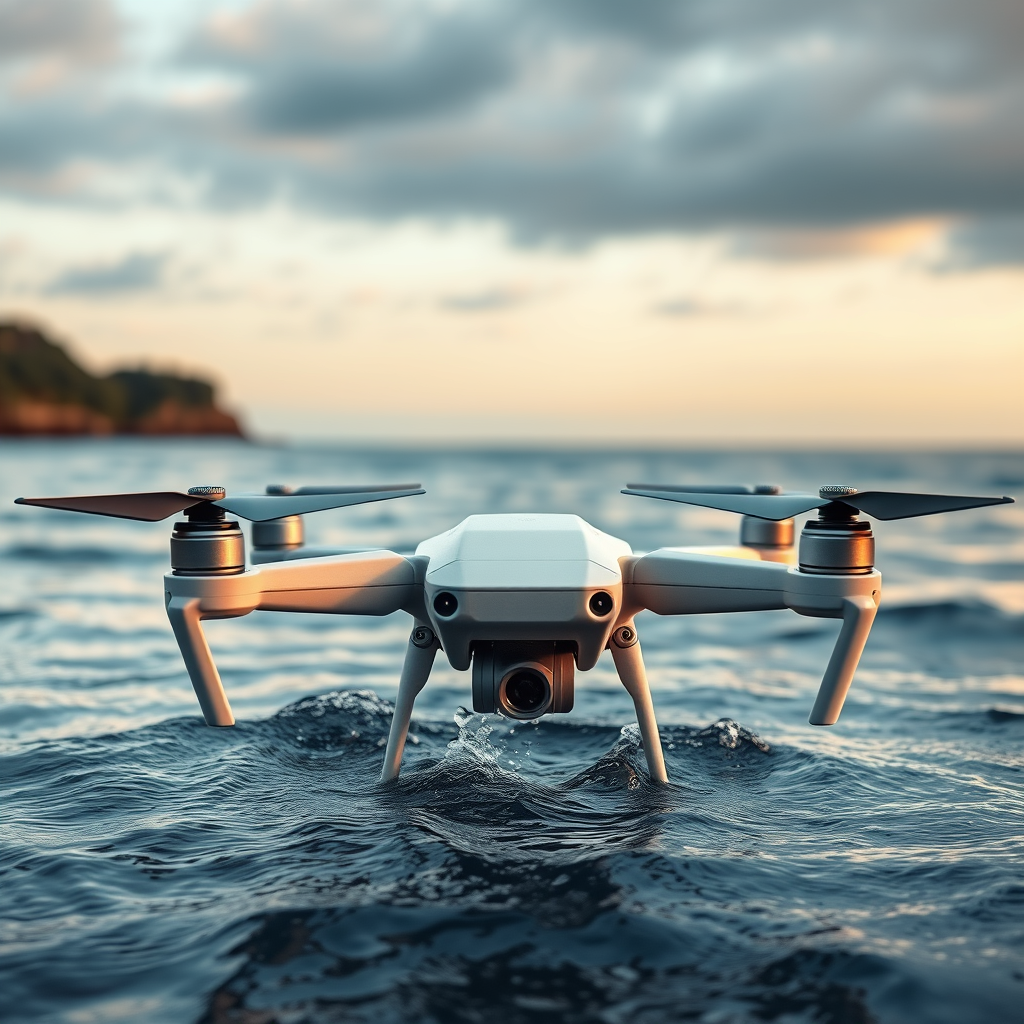
Yes, some drones can survive water exposure, particularly those designed for waterproof or water-resistant operation. However, the survivability largely depends on the drone’s design, materials, and intended use. Drones that are specifically engineered to handle wet environments often incorporate advanced sealing technologies and corrosion-resistant materials. In this article, we will explore the various factors that determine a drone’s ability to withstand water, the risks associated with water exposure, types of drones designed for aquatic environments, and essential precautions to consider when flying in wet conditions.
Understanding Drone Waterproofing
Drones are classified based on their ability to resist water, which is indicated by their Ingress Protection (IP) rating. These ratings provide a standardized way to measure the degree of protection offered against solids and liquids. For example, an IP65 rating means the drone is completely dust-tight and can withstand water jets from any direction, while an IP67 rating indicates that the drone can be submerged in water up to 1 meter for 30 minutes without sustaining damage.
Materials play a crucial role in the waterproofing of drones. Waterproof drones typically feature sealed components, which prevent water from entering sensitive areas such as the motors and electronics. Manufacturers often use specialized water-resistant casings made from materials like high-grade plastics or silicone-based compounds that further enhance the drone’s ability to endure wet conditions. Brands like DJI offer models such as the Phantom 4 RTK, which is designed with water-resistant features, making it suitable for flying in light rain or over water bodies.
Risks of Water Exposure
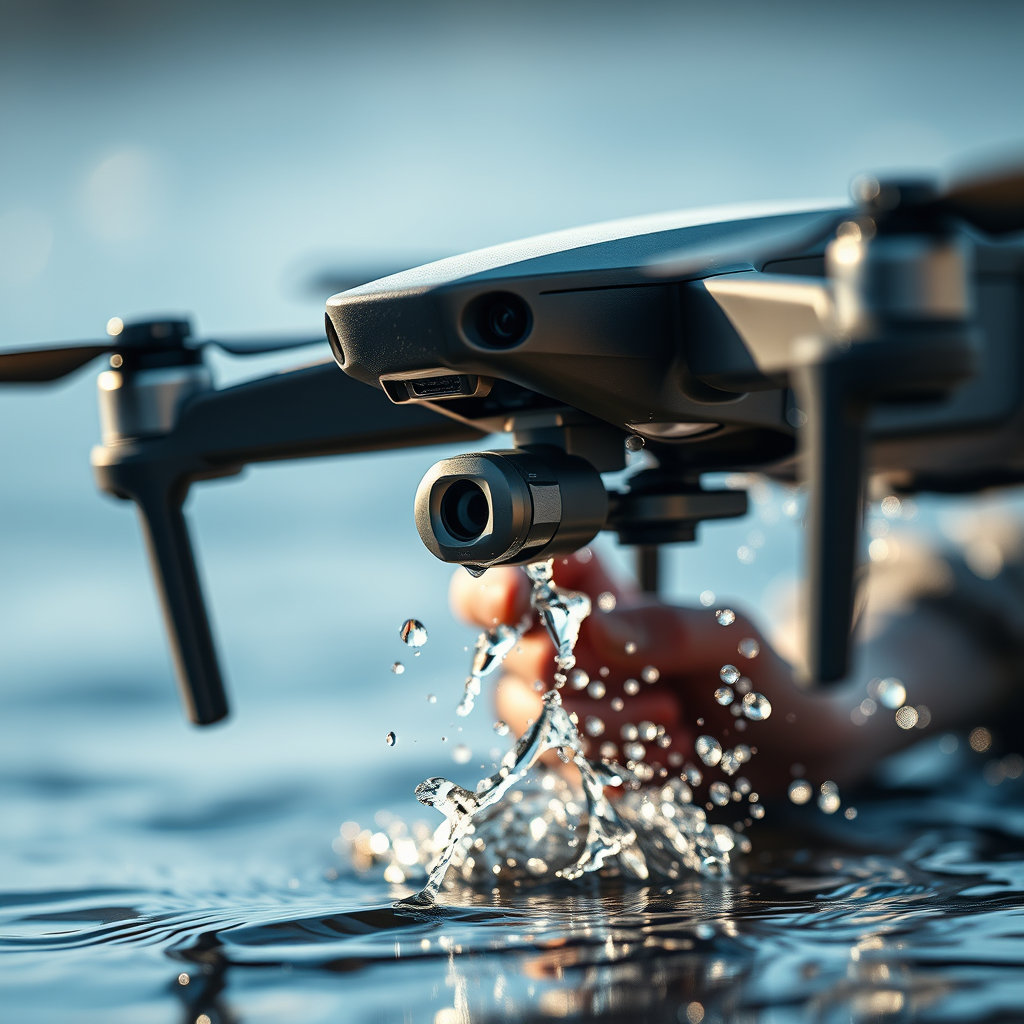
Despite advancements in drone waterproofing technology, water exposure still poses significant risks. One of the primary concerns is the potential damage to the electronics and motors. Even drones that boast a high IP rating can suffer from water intrusion if they are not properly sealed, especially if they experience pressure changes during flight that can force water into vulnerable areas.
Additionally, water exposure can drastically affect battery life and performance. Lithium polymer (LiPo) batteries, commonly used in drones, are sensitive to moisture. When wet, they can experience short-circuiting, reduced capacity, and even swelling, which can render the drone unusable. Prolonged exposure to water may also lead to corrosion of electrical components, further decreasing the drone’s operational lifespan.
Types of Drones Designed for Water
There are various drones specifically designed for aquatic environments, each tailored for different applications. For instance, the Swellpro Splash Drone 4 is a fully waterproof drone capable of landing on water and retrieving payloads from aquatic sites, making it popular in fishing and search-and-rescue operations. Another example is the GRIFF 300, which is designed for marine research and can operate in rough water conditions.
When comparing waterproof drones to traditional drones, the benefits are clear. Waterproof drones offer peace of mind in wet environments, while traditional drones may require strict adherence to weather conditions, limiting their usability. However, the drawbacks of waterproof drones include potentially higher costs and additional weight due to enhanced materials and sealing technologies. Understanding these differences can help users choose the right drone for their specific needs.
Precautions for Flying Near Water
Flying drones near water requires careful planning to minimize the risk of water exposure. Best practices include maintaining a safe distance from water surfaces and avoiding flying in heavy rain or high winds that may cause splashing. Additionally, pilots should be aware of their drone’s IP rating and how it correlates with their planned flight environment.
Weather conditions play a significant role in a drone’s performance. For example, flying over a calm lake may present a lower risk than navigating strong ocean currents. Moreover, the surface type—whether it’s a still pond or a turbulent sea—can affect landing and takeoff stability. Pilots should familiarize themselves with the local environment and adjust their flight plans accordingly.
What to Do if a Drone Falls in Water
If a drone accidentally falls into water, immediate action is crucial to minimize damage. First, retrieve the drone as quickly as possible to prevent prolonged exposure to moisture. After retrieval, power down the drone immediately if it is still on.
Next, disassemble the drone as much as possible to allow for thorough drying of components. Remove the battery and any other removable parts such as propellers and memory cards. Gently rinse the drone with fresh water to remove salt or chemicals if it fell into seawater or a chemically treated pool. Then, use a soft cloth to wipe down the exterior and interior components.
To dry electronic parts, place them in a bag of uncooked rice or silica gel packets, both of which help absorb moisture. Allow the drone to dry for at least 24 to 48 hours before attempting to power it back on. Following these steps can significantly improve the chances of recovery after water exposure.
Alternatives to Water-Resistant Drones
For those who wish to operate drones in wet environments but do not want to invest in a waterproof model, there are alternatives. One option is the use of protective housings or waterproof cases designed specifically for your drone model. These cases can provide a layer of protection without sacrificing functionality.
Additionally, certain drones are better suited for aquatic environments, even if they are not fully waterproof. Models like the DJI Mavic Air 2, while not explicitly designed for water exposure, can still handle light rain and splashes due to their relatively sealed design. Choosing the right drone and protective accessories can allow operators to explore diverse environments without the worry of water damage.
In conclusion, while certain drones are built to survive water exposure, not all can handle it. Understanding your drone’s specifications, including its IP rating and materials, is essential for determining its water-resistant capabilities. Following safety precautions and knowing what to do in the event of accidental water exposure can help protect your investment and ensure a successful flight experience. By considering the tips provided in this article, drone operators can navigate wet conditions with greater confidence and safety.
Frequently Asked Questions
Can a drone survive water exposure?
Generally, most consumer drones are not designed to survive water exposure, as they lack waterproof seals and can suffer from internal damage if submerged. However, some high-end drones come with water-resistant features, allowing them to withstand light rain or splashes. It’s crucial to check the manufacturer’s specifications for water resistance ratings and ensure proper care is taken to dry any drone that has been exposed to water.
What should I do if my drone lands in water?
If your drone lands in water, the first step is to retrieve it as quickly as possible to minimize damage. Once you have it out, immediately power it off, remove the battery, and dry the exterior with a soft cloth. To further prevent corrosion, consider placing the drone in a container of uncooked rice or silica gel packets for at least 24-48 hours to absorb moisture before attempting to power it back on.
How can I make my drone more resistant to water?
To enhance a drone’s resistance to water, you can use waterproofing sprays designed for electronics, which provide a protective coating that can help repel water. Additionally, consider using drone skins or covers that are specifically designed for waterproofing. It’s essential to note, however, that while these methods can reduce the risk of water damage, they do not guarantee complete protection against immersion in water.
Why are most drones not waterproof?
Most consumer drones are not waterproof primarily due to design and manufacturing considerations, including weight, cost, and complexity. Waterproofing adds extra weight and requires additional materials that can increase production costs, which may not be justifiable in the mass consumer market. As a result, manufacturers often prioritize flight performance, battery life, and affordability over water resistance.
Which drones are designed for water use?
Drones specifically designed for water use typically fall into categories such as aquatic drones or those built for marine applications. Examples include the Swellpro Splash Drone series, which is fully waterproof and can land on water, and the PowerVision PowerEgg X, which is designed for both land and water use. When selecting a drone for water use, look for features like waterproof ratings, buoyancy, and the ability to operate in wet conditions.
References
- https://en.wikipedia.org/wiki/Drone
- https://www.sciencedirect.com/science/article/pii/S235286481730355X
- https://www.nytimes.com/2022/10/11/technology/drone-water-resistance.html
- https://www.reuters.com/technology/how-drones-are-helping-respond-water-disasters-2021-10-18/
- https://www.ncbi.nlm.nih.gov/pmc/articles/PMC7357564/
- https://www.theguardian.com/technology/2021/mar/23/drone-water-rescue-technology
- https://www.nasa.gov/feature/nasa-s-drones-are-taking-to-the-skies-to-assist-in-water-research
- https://www.usgs.gov/news/feature-story/drones-help-scientists-better-understand-water-resources
