
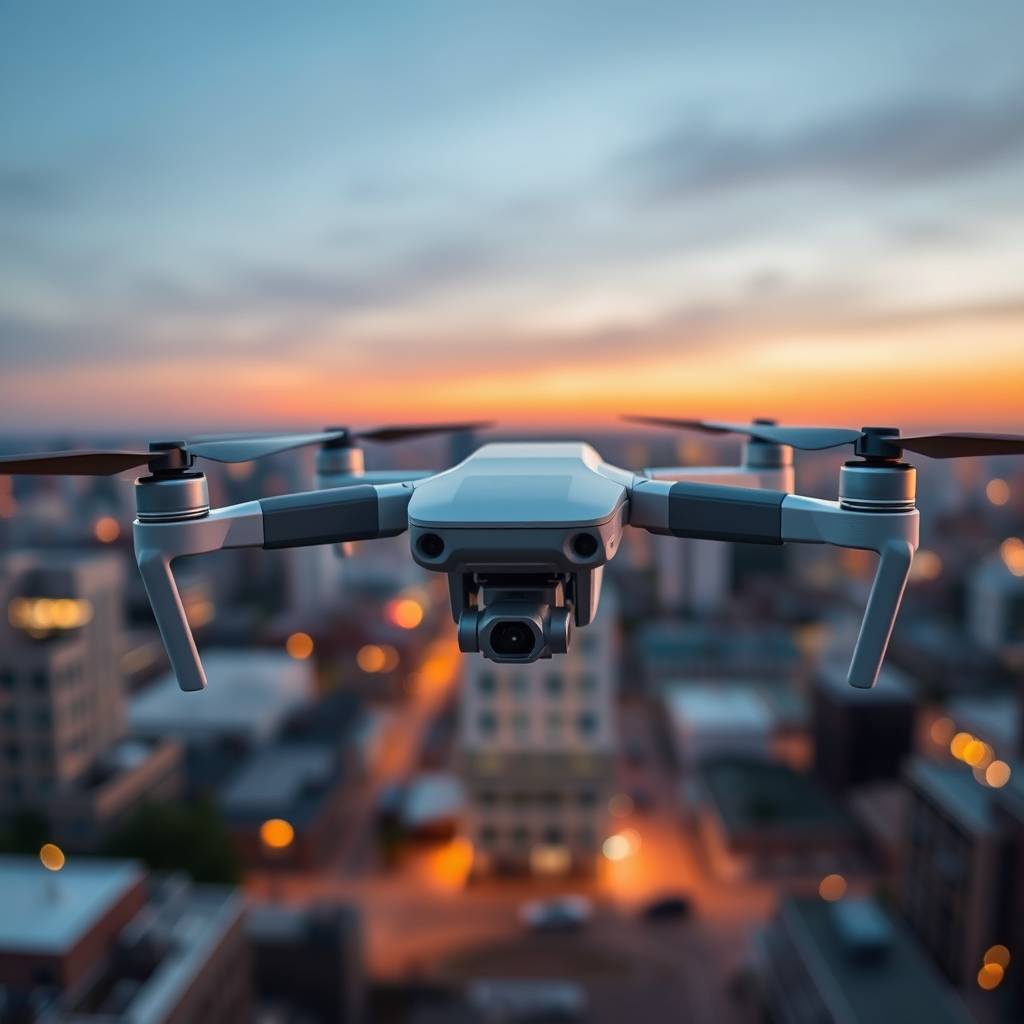
Yes, DJI can control your drone, but this control primarily pertains to the software and firmware that govern its functions. DJI, a leader in drone technology, has developed advanced systems that ensure both performance and safety. This article delves into how DJI manages the operation of its drones, the underlying technology, and the implications for users navigating the skies with these sophisticated machines.
How DJI Controls Drone Functionality
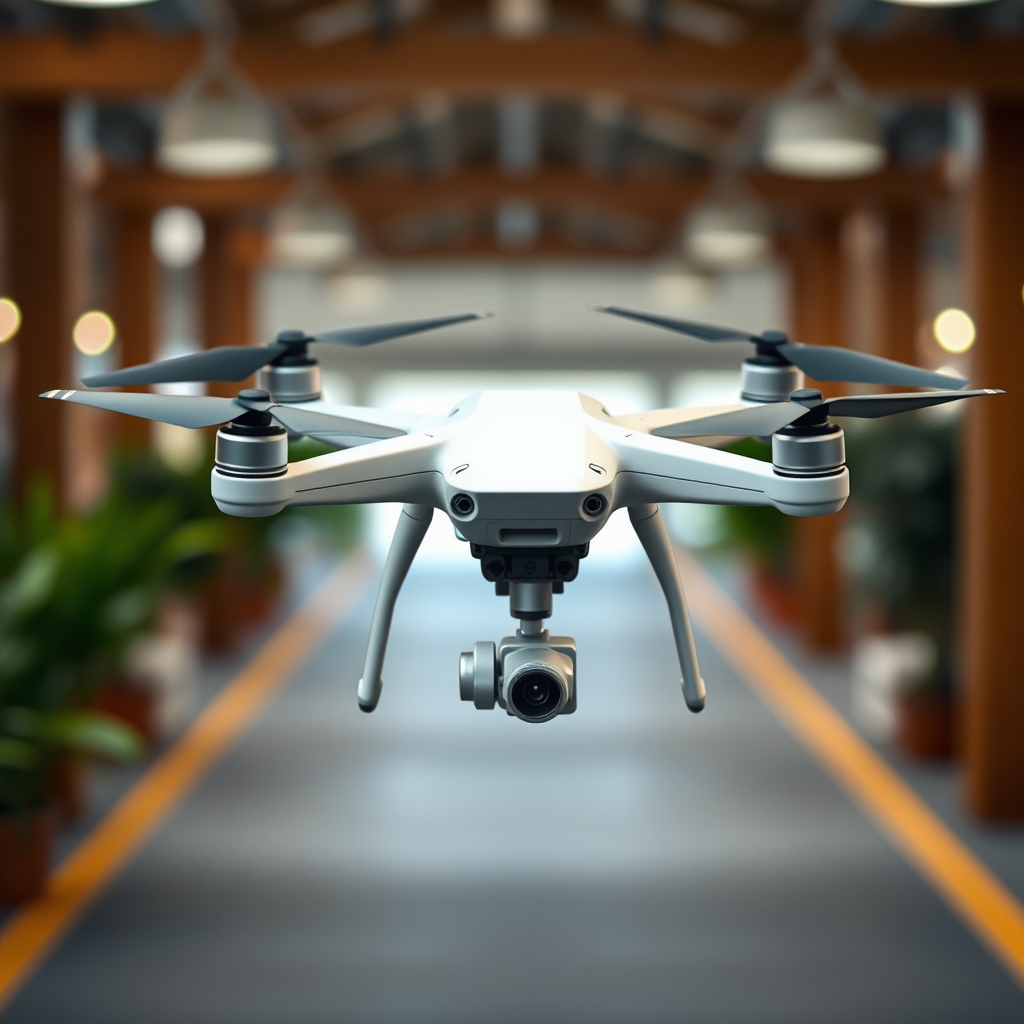
DJI drones are equipped with proprietary flight control systems that serve as the central nervous system for these aerial devices. The flight control system manages various aspects of the drone’s operation, including altitude, speed, and stability. This sophisticated technology allows for smooth flight experiences and enhances the overall reliability of the drone.
Moreover, DJI regularly releases firmware updates that can significantly enhance drone performance. These updates may introduce new features, improve battery efficiency, or enhance the drone’s responsiveness to user inputs. For example, a firmware update could add intelligent flight modes like “ActiveTrack,” which allows the drone to autonomously follow a subject while avoiding obstacles. This not only improves the user experience but also showcases DJI’s commitment to innovation and user satisfaction.
The ability to control drone functionality through software means that DJI can address any emerging issues swiftly. If a bug is reported or a security vulnerability is detected, DJI can issue a firmware update to rectify the problem, ensuring that users have the best possible experience with their devices.
Remote Control and App Integration
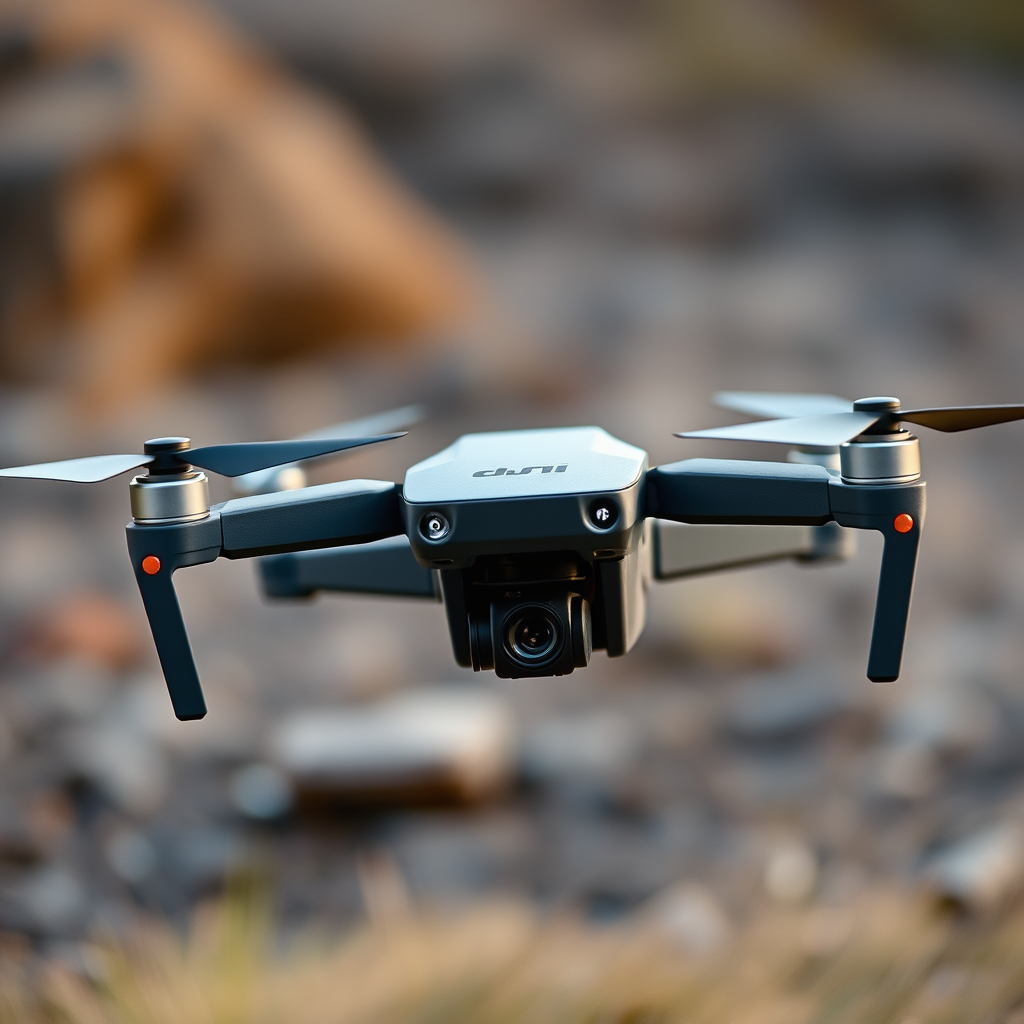
DJI’s mobile applications play a crucial role in user engagement and control of their drones. These apps, available for both iOS and Android, provide a user-friendly interface that allows operators to manage their drones effectively. Users can access various settings, view real-time telemetry data, and even stream live video feeds directly from the drone’s camera.
One of the standout features of DJI’s app integration is the ability to adjust flight paths and camera settings dynamically. For instance, users can modify the gimbal angle, change the camera resolution, and set specific flight parameters before takeoff. This level of control facilitates more creative possibilities, enabling users to capture stunning aerial photography and videography.
Additionally, the apps incorporate various intelligent flight modes that enhance the user’s flying experience. Modes such as “Waypoints” allow users to pre-program flight paths, while “QuickShots” enable automated cinematic shots. Such features not only simplify the flying experience for novices but also provide advanced users with tools to enhance their aerial content.
Safety Features and Restrictions
Safety is a paramount concern for drone operators, and DJI has incorporated numerous safety features into its drones to promote responsible flying. One of the most significant safety mechanisms is geofencing, which utilizes GPS data to restrict drone flights in specific areas. For instance, drones are automatically restricted from flying in no-fly zones such as airports, military bases, and densely populated urban areas. This feature helps prevent accidents and ensures compliance with local regulations.
Moreover, DJI’s firmware updates often include enhancements to safety protocols. For example, the addition of the “Return to Home” (RTH) feature ensures that the drone will autonomously return to its launch point in the event of a low battery or loss of signal. This feature not only safeguards the drone but also protects the investment of the user.
DJI also emphasizes the importance of user education regarding regulations and safe flying practices. The company provides resources and guidelines to ensure that users are aware of their responsibilities when flying drones, which is crucial in maintaining a positive image for drone operators in the public eye.
User Permissions and Customization
While DJI offers a range of customizable settings within its apps, some features remain locked behind the company’s control to ensure safety and compliance. For instance, certain advanced features may require users to complete training or certification before they can be unlocked. This approach serves as a safeguard against inexperienced operators using potentially hazardous capabilities.
Users can adjust various flight settings, such as maximum altitude, flight speed, and even the sensitivity of the controls. However, restrictions on specific capabilities may be implemented to prevent misuse. For example, features that allow for extreme maneuvers might be limited in certain modes to promote safer flying practices.
Additionally, DJI’s control over its software means that updates and improvements can be rolled out to enhance user experience while maintaining safety standards. This balance of user empowerment and necessary restrictions is crucial for fostering responsible drone operation.
Community and Support Resources
DJI recognizes the importance of community and support in enhancing the user experience. The company offers extensive resources, including comprehensive manuals, tutorials, and customer support to assist users in navigating their drone’s features and troubleshooting issues. The DJI forum serves as a platform where users can share experiences, seek advice, and exchange tips on drone operation.
This community aspect not only fosters a sense of belonging among users but also allows for the sharing of best practices and innovative uses of DJI products. Engaging with fellow drone enthusiasts can help users learn more about their equipment and improve their flying skills, ultimately leading to better and safer drone experiences.
Moreover, DJI regularly hosts webinars and workshops to educate users about new features, updates, and best practices in drone operation. By providing these resources, DJI empowers users to make the most of their drones and encourages responsible flying.
Future Developments in Drone Control
As drone technology continues to evolve, DJI is at the forefront of innovation, with a clear focus on integrating smarter artificial intelligence and enhancing user interfaces. Future developments may include advanced obstacle avoidance systems, improved flight autonomy, and even more intuitive app features that simplify the user experience.
One area of potential growth is the integration of machine learning algorithms that can analyze flight data and optimize performance based on user behavior. This could lead to more personalized flying experiences, where the drone learns the preferences of the user and adjusts its settings accordingly.
Additionally, as regulatory frameworks around drone usage become more defined, DJI is likely to adapt its software to ensure compliance while expanding user control. This balance will be vital in maintaining safety while fostering creativity and innovation in drone applications.
In summary, DJI’s control over its drones is a delicate balance of empowering users while implementing necessary restrictions to ensure safety and compliance. By understanding the operational aspects of DJI drones, users can maximize their flying experience, be it for recreational or professional purposes. Engaging with DJI’s resources, connecting with the community, and staying informed about updates will enhance your drone flying experience, allowing you to explore the skies with confidence and creativity.
Frequently Asked Questions
Can DJI remotely control my drone without my consent?
No, DJI cannot remotely control your drone without your consent. While DJI does have the capability to access certain data from their drones for maintenance and safety purposes, users maintain full control over their devices during operation. It’s important to understand the privacy policies and data handling practices outlined in DJI’s terms of service.
How does DJI ensure safe and responsible drone operation?
DJI employs several safety features to ensure responsible drone operation, including geofencing, altitude limits, and no-fly zones integrated into their software. These mechanisms prevent users from flying in restricted areas or at unsafe altitudes, promoting safer flying practices. Additionally, DJI provides regular firmware updates to enhance safety features and address potential vulnerabilities.
What should I do if my DJI drone is unresponsive?
If your DJI drone becomes unresponsive, first ensure that it has sufficient battery life and is within range of the remote controller. Try restarting both the drone and the controller, and check for any firmware updates that may need to be applied. If the problem persists, consult the DJI support website for troubleshooting tips or contact their customer support for further assistance.
Why is my DJI drone not connecting to the app?
There are several reasons your DJI drone may not connect to the app, such as outdated app versions, connectivity issues, or problems with the drone’s firmware. Ensure that both the app and the drone are updated to the latest versions and that your mobile device’s Bluetooth and Wi-Fi settings are properly configured. If issues continue, consider reinstalling the app or consulting the DJI support resources for more detailed troubleshooting steps.
Which DJI drones offer the best user control features?
DJI offers several models with advanced user control features, but the DJI Mavic 3 and the DJI Air 2S stand out due to their intuitive controls, obstacle avoidance systems, and customizable flight modes. These drones allow users to have extensive control over their flight paths and camera settings, making them ideal for both beginners and professional aerial photographers. Always check the specifications and reviews to find the best fit for your specific needs.
References
- https://en.wikipedia.org/wiki/Drone#Control
- Unmanned Aircraft Systems (UAS) | Federal Aviation Administration
- https://www.techcrunch.com/2021/04/09/dji-drone-control/
- https://www.theguardian.com/technology/2021/jul/07/dji-drone-privacy-issues
- https://www.reuters.com/technology/dji-drone-control-issues-2021-05-25/
- https://www.wired.com/story/dji-drone-control-privacy-concerns/
- https://www.bbc.com/news/technology-56823051
- https://www.nytimes.com/2021/06/05/technology/dji-drone-control.html
