

Yes, DJI drones can indeed fly at night, but there are important regulations and safety considerations to keep in mind. As drone technology advances, DJI has equipped many of its models with features that facilitate nighttime operation, allowing for stunning aerial photography and videography in low-light conditions. However, it is essential to understand the legal requirements and safety protocols to ensure a secure flying experience after dark.
Understanding DJI Drones’ Night Flight Capabilities
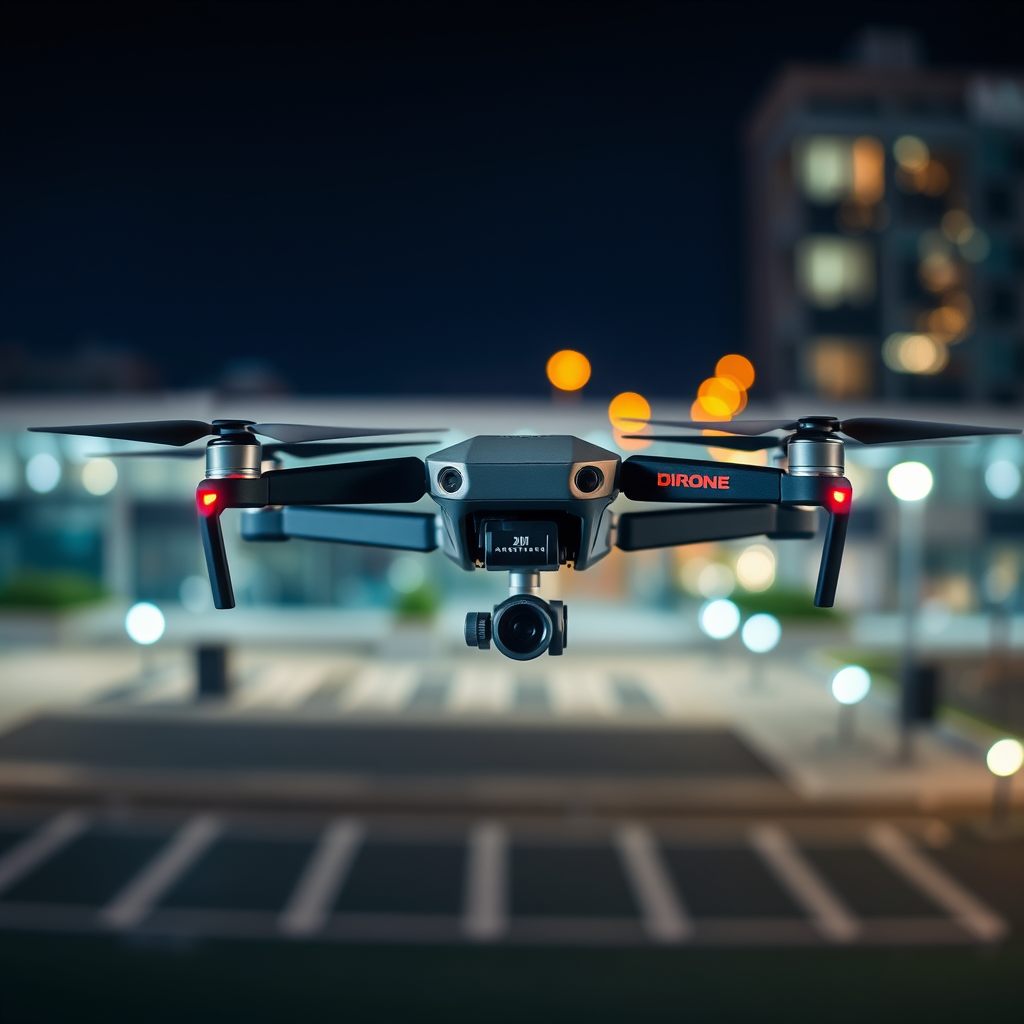
Many DJI models, including the Mavic series and the Phantom series, are designed with advanced lighting systems that enhance visibility during nighttime operations. These built-in LED lights not only help pilots keep track of their drones but also make them more visible to others in the area. This is crucial for maintaining safety, as it reduces the risk of mid-air collisions or accidents.
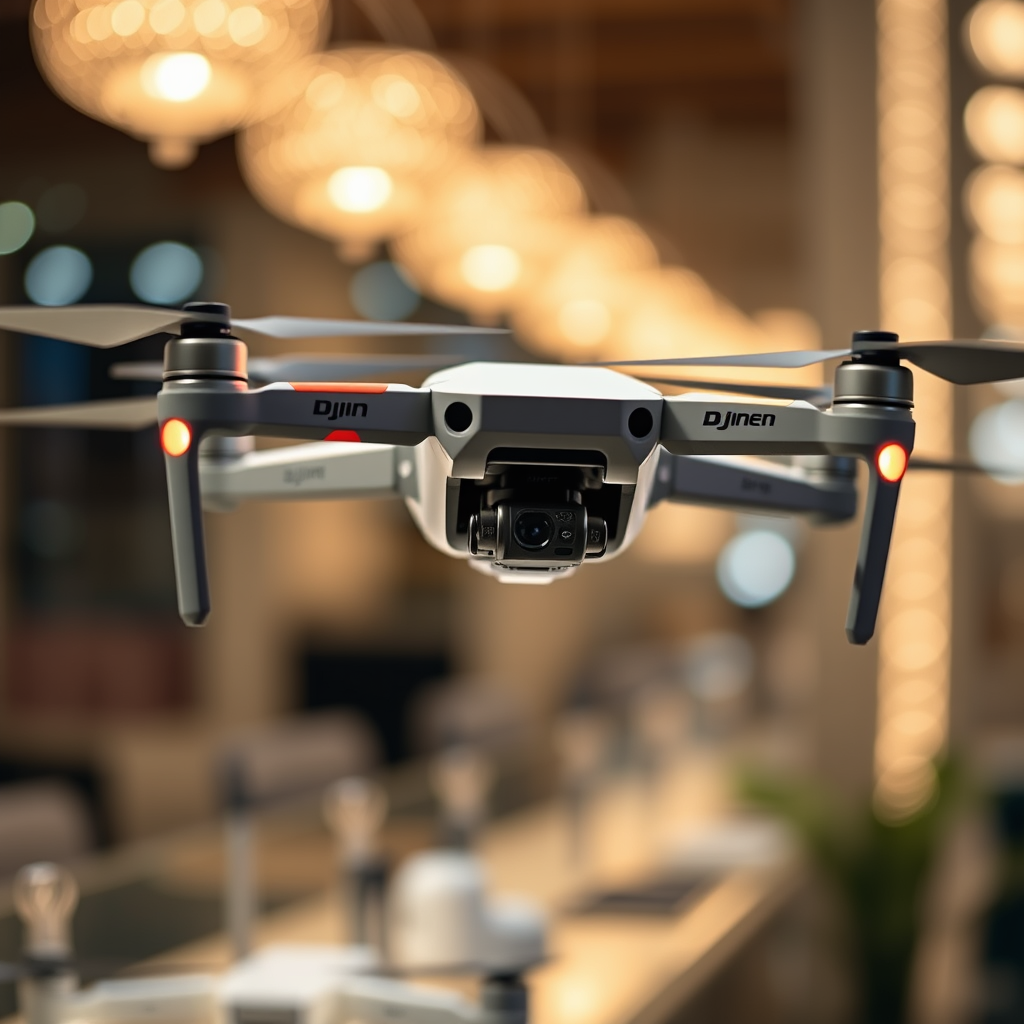
Moreover, the cameras on these drones often feature impressive low-light performance, enabling them to capture high-quality imagery even in dim conditions. Some models, like the DJI Mavic 3, come equipped with larger sensors that excel in low-light scenarios, providing clearer and more detailed footage than ever before. This capability allows drone operators to explore creative opportunities, such as capturing illuminated cityscapes or mesmerizing night landscapes.
Legal Regulations for Night Flying
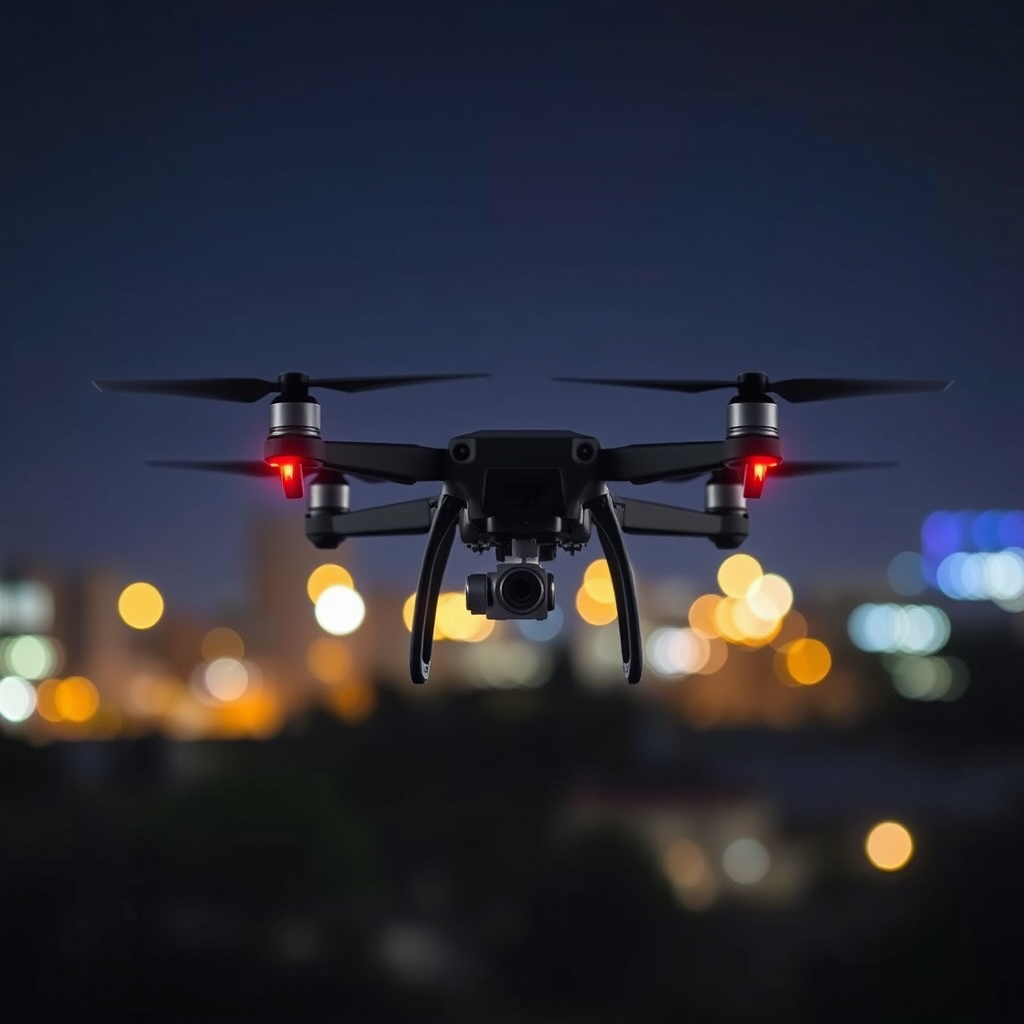
Operating drones at night is subject to specific regulations set forth by the Federal Aviation Administration (FAA) in the United States. To fly a drone after dark, pilots must possess a valid Part 107 Remote Pilot Certificate, which requires knowledge of airspace regulations, weather, and operational limitations. This certification ensures that pilots are adequately trained to handle the unique challenges associated with nighttime flying.
Additionally, the FAA mandates that drones must be equipped with anti-collision lights that are visible for at least three statute miles. These lights help other aircraft and individuals in the vicinity to see the drone, which is vital for safety. Compliance with these regulations is not only a legal obligation but also a best practice for responsible drone operation.
Safety Considerations for Night Flights
Safety should always be a top priority when flying drones, especially at night. Before taking off, pilots should meticulously check weather conditions to avoid flying in unfavorable circumstances such as high winds or precipitation, which can impair visibility and control.
Maintaining visual line of sight (VLOS) with the drone is another critical safety consideration. At night, this can be challenging due to reduced visibility. Pilots should ensure they can always see their drone without relying solely on cameras or monitors. Utilizing a spotter can also be beneficial, as they can help monitor the drone’s position while the pilot focuses on flying.
Tips for Flying DJI Drones at Night
To ensure a successful night flight, pilots should take several proactive steps. First, it is advisable to familiarize oneself with the area during daylight hours prior to attempting night flights. Understanding the terrain and potential obstacles can significantly reduce the risk of accidents.
Additionally, consider using supplementary lighting equipment, such as LED spotlights or floodlights, to improve visibility. These lights can help illuminate the area around the drone and provide better situational awareness. Another useful tip is to practice flying in various lighting conditions to gain confidence and experience, which can be invaluable when navigating the challenges of flying at night.
Benefits of Night Flying with Drones
Night flying offers several unique advantages that can elevate the drone flying experience. One of the most notable benefits is the opportunity to capture breathtaking aerial photography and videography that would be impossible during the day. The interplay of lights from buildings, vehicles, and streetlamps creates a visually stunning backdrop for drone footage, allowing creators to produce captivating content.
Moreover, night flying often comes with fewer distractions and less air traffic. This quieter environment can enhance the overall flying experience, providing pilots with more freedom to explore and capture their surroundings without the typical hustle and bustle found during the day.
Common Challenges Faced When Flying at Night
Despite the benefits, night flying does come with its own set of challenges. Reduced visibility can make navigation more complicated, leading to potential disorientation. Pilots may find it difficult to gauge altitude and distance accurately, which can increase the risk of crashes or mishaps.
Another significant challenge is the increased risk of losing the drone. If it strays out of sight, it can be challenging to retrieve it, especially in unfamiliar areas. To mitigate this risk, pilots should maintain a clear understanding of their drone’s location and operational limits, as well as familiarize themselves with the drone’s return-to-home (RTH) features.
Conclusion
Flying DJI drones at night is not only possible but can also be a rewarding experience when conducted responsibly. By adhering to legal regulations, prioritizing safety, and preparing adequately, pilots can enjoy the unique opportunities that nighttime flying offers. Whether capturing stunning visuals or simply exploring the skies, understanding the capabilities and challenges of night flying is essential for a successful and enjoyable experience. Always stay informed, practice good safety measures, and you will find that nighttime drone operation can be both thrilling and fulfilling.
Frequently Asked Questions
Can DJI drones fly at night without any special equipment?
Yes, many DJI drones are equipped with built-in lights that allow them to fly at night, but it’s important to check local regulations. In some areas, flying drones after dark may require specific permissions or the use of additional lighting equipment to enhance visibility. Always ensure you comply with the FAA rules or your local aviation authority’s guidelines regarding nighttime drone operations.
What are the best DJI drones for flying at night?
The DJI Mavic Air 2 and the DJI Phantom 4 Pro are among the best options for nighttime flying due to their advanced camera capabilities and onboard stabilization systems. These drones feature robust lighting and can capture high-quality images in low-light conditions. It’s essential to consider drones with good night vision and strong battery life for extended flights after sunset.
How can I ensure safe night flying with my DJI drone?
To ensure safe night flying, always pre-plan your flight route and familiarize yourself with the area. Utilize your drone’s lights for visibility and consider adding additional lighting if necessary. Additionally, keep your drone within visual line of sight and be aware of any obstacles or hazards in the environment to mitigate risks associated with low visibility.
Why are there restrictions on flying drones at night?
Restrictions on flying drones at night are primarily due to safety concerns. Reduced visibility can make it challenging to maintain control and awareness of the drone’s surroundings, increasing the risk of accidents. Regulations often require pilots to maintain visual line of sight and avoid congested areas, which is more difficult to achieve in the dark.
What should I check before flying my DJI drone at night?
Before flying your DJI drone at night, check the weather conditions, ensuring that visibility is adequate for safe operation. Verify that your drone’s battery is fully charged and that its lights are functioning properly. Additionally, review local laws regarding nighttime flying, as some jurisdictions may have specific requirements or restrictions that you must follow.
References
- https://en.wikipedia.org/wiki/Drone#Regulations
- https://www.faa.gov/uas/getting_started/fly_for_work/part_107/
- https://www.faa.gov/uas/recreational_flyers/
- https://www.nytimes.com/2020/12/04/technology/drones-night-flying.html
- https://www.cnet.com/news/faa-issues-new-guidance-for-flying-drones-at-night/
- https://www.nationalgeographic.com/science/article/drones-night-flying-regulations-safety
