
Yes, drone bees can fly, and they are renowned for their impressive flying capabilities. Unlike the worker bees that are integral to the hive’s daily operations, drone bees have specialized roles primarily centered around mating. Equipped with strong, robust bodies, they are built to travel considerable distances in search of queens. This article delves into the unique flight characteristics of drone bees, their essential roles within the hive, and the various factors that affect their flying abilities.
The Anatomy of Drone Bees
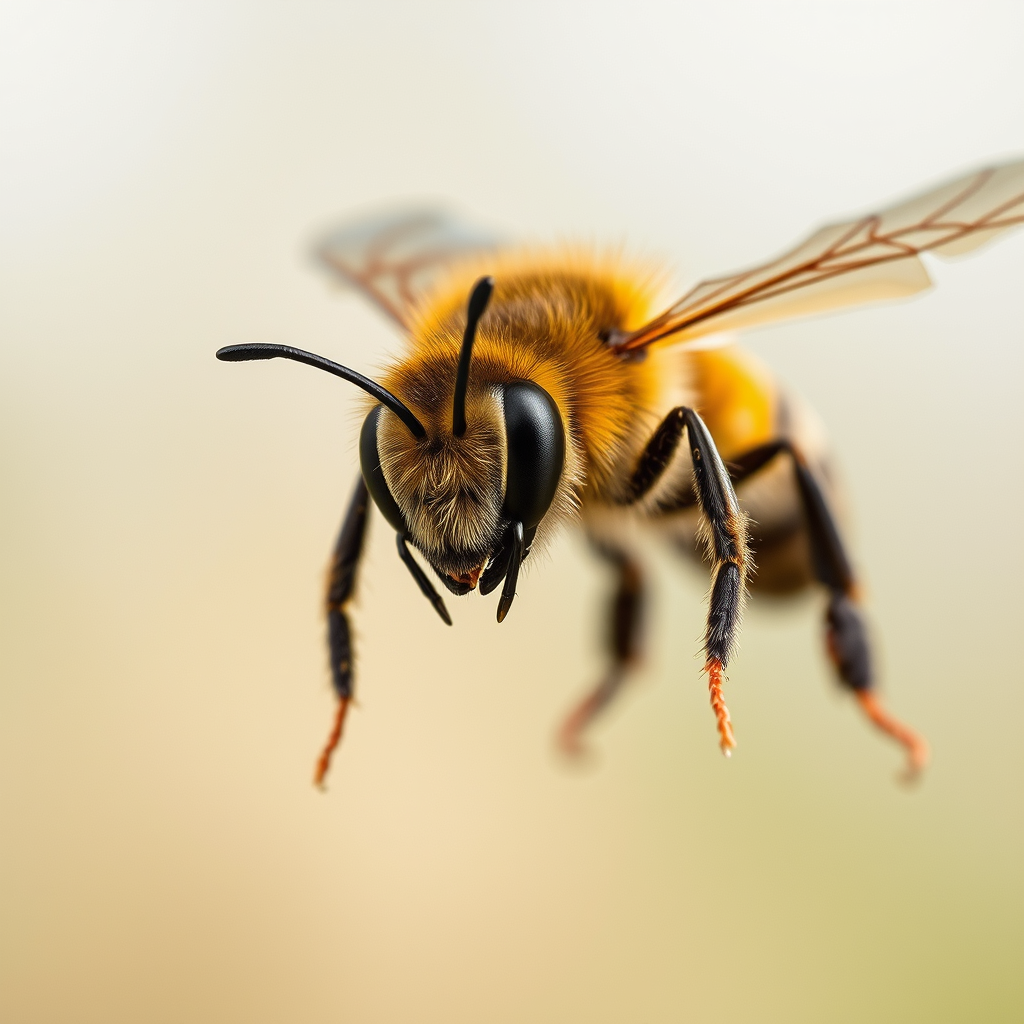
Drone bees are distinct from their worker counterparts in both size and function. They are generally larger than worker bees, measuring about 15% more in length. This increased size is complemented by a robust body structure, which is specifically designed to enhance their flying capabilities. Drones possess large, powerful wings that are proportionately larger than those of worker bees, allowing for greater lift and maneuverability in the air. The muscle structure in their thorax is also adapted for long-distance flight, enabling drones to cover large areas in search of a mating opportunity. Their anatomy plays a pivotal role in their ability to fly efficiently, which is critical given the limited time frame they have for mating during the breeding season.
The Role of Flight in Drone Bees
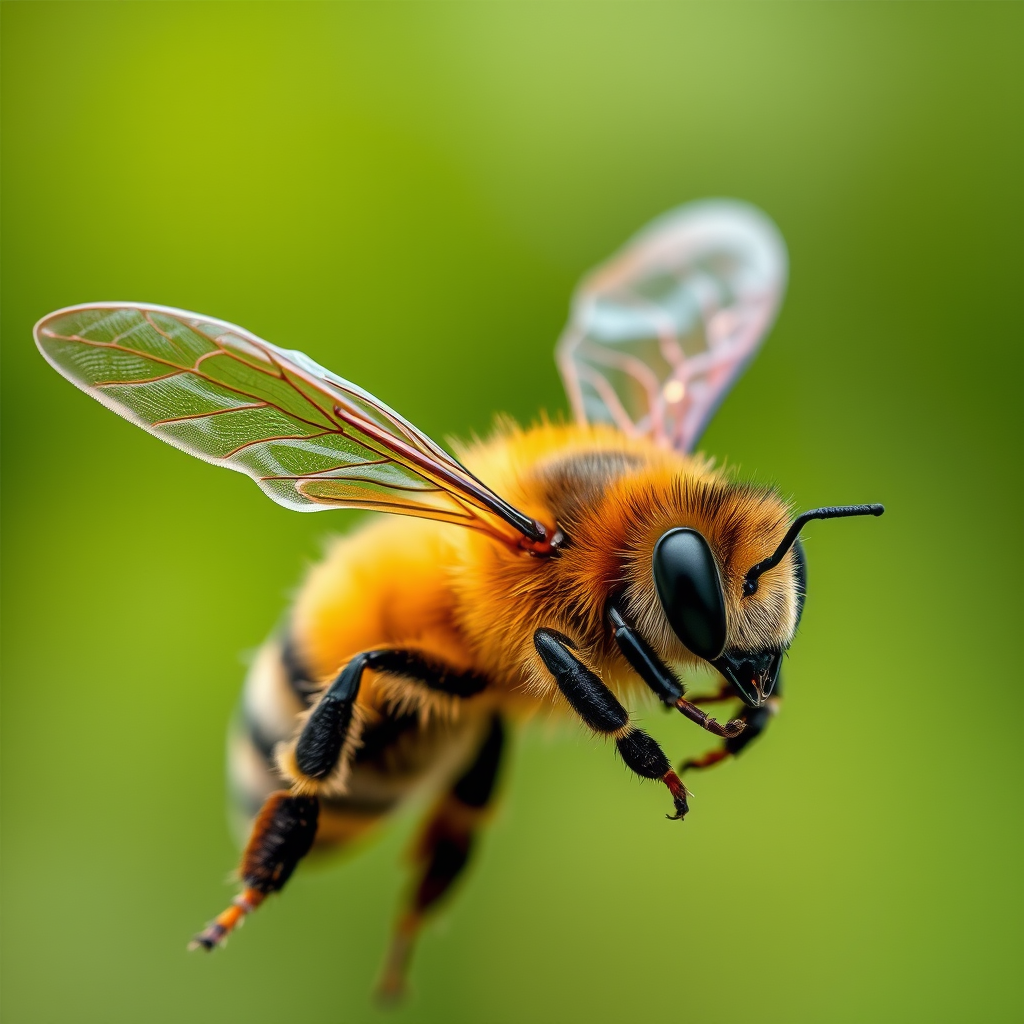
The primary purpose of drone bees is to mate with a queen during the breeding season, which typically occurs in late spring and summer. Flight plays a crucial role in this process, as drones must be able to travel great distances to locate a queen. The mating ritual begins when drones take to the skies, often attracted by the pheromones released by a virgin queen. These pheromones serve as chemical signals that draw drones towards the queen, guiding them to potential mating sites. This reliance on pheromones not only underscores the importance of flight in the reproduction of bee colonies but also highlights the intricate communication methods within the hive, showcasing the complex social structure of bees.
Flight Patterns and Behavior
Drone bees exhibit specific flight patterns that further enhance their mating success. They are most active on warm, sunny days when flying conditions are optimal, which allows them to maximize their chances of encountering a queen. During the breeding season, drones often gather in designated “drone congregation areas,” which are specific locations where multiple drones await the arrival of a queen. This behavior serves to increase the likelihood of mating, as several drones can compete for the attention of a queen, ensuring genetic diversity within the hive. These congregation areas are often located in open spaces, away from obstructions, allowing for unhindered flight and visibility.
Factors Affecting Flight Ability
Several environmental factors can significantly influence the flight abilities of drone bees. Weather conditions, such as wind speed and temperature, are critical determinants of their flying efficiency. For example, strong winds can hinder flight, making it difficult for drones to navigate and maintain stability. Conversely, optimal temperatures facilitate better energy usage, allowing drones to fly longer distances with less fatigue. Additionally, the availability of food sources plays a critical role in their energy levels and flight endurance. Drones rely on nectar and pollen collected by worker bees to replenish their energy reserves, which are essential for prolonged flight. A scarcity of food resources can lead to decreased flight activity and reduced mating opportunities.
The Lifecycle of Drone Bees
Drones are produced only during specific times of the year, usually in the spring and summer when the hive is thriving and resources are plentiful. Their lifecycle begins when fertilized eggs develop into drone larvae, which are nurtured by worker bees until they emerge as adults. Unlike worker bees, drones do not engage in foraging or hive maintenance tasks. Their sole focus is on mating, which means they do not contribute directly to the hive’s daily activities. This specialized role often leads to a large number of drones being produced during peak breeding times, with the hive’s reproductive needs guiding the population dynamics of drones.
The Impact of Hive Dynamics on Drone Flight
The dynamics within a hive can significantly impact the flight patterns and behaviors of drone bees. As autumn approaches and resources become scarce, drones are often expelled from the hive. This is a survival mechanism; as the hive prepares for winter, it prioritizes its resources for the worker bees and the queen. Consequently, the health and population of the hive can dictate not only the number of drones produced but also their flight activity. A healthy, thriving hive is likely to produce more drones, whereas a struggling hive may reduce drone production, thereby limiting mating opportunities and influencing the overall genetic diversity of future generations.
In conclusion, drone bees can indeed fly and are equipped with the necessary physical attributes to do so effectively. Their specialized anatomy, coupled with their unique roles within the hive, emphasizes the importance of flight in their mating behaviors. Understanding the factors that affect their flight ability, as well as the dynamics of their lifecycle, provides valuable insights into the complex interactions within bee colonies. For those interested in further exploring the fascinating world of bees, consider delving into related topics such as pollination practices and effective hive management techniques.
Frequently Asked Questions
Can drone bees fly, and if so, how far can they travel?
Yes, drone bees can fly, and they are known for their impressive flying abilities. Drone bees can typically fly up to 3 miles (4.8 kilometers) away from their hive in search of mating opportunities. Their flight patterns are generally dictated by the location of available queens, making their ability to fly a crucial aspect of their reproductive role in the hive.
What is the purpose of drone bees flying in a hive?
The primary purpose of drone bees flying within a hive is to mate with a queen bee during the breeding season. Drones do not collect nectar or pollen, nor do they perform hive maintenance. Instead, their role is to leave the hive and engage in mating flights to ensure the continuation of the bee colony by fertilizing a queen, which is essential for hive population growth and health.
How do drone bees differ from worker bees in terms of flight?
Drone bees differ from worker bees primarily in their size and purpose regarding flight. Drones are larger and have larger wings, which allow them to fly longer distances. While worker bees can fly to gather nectar and pollen for the hive, drones primarily fly for mating and do not participate in foraging or hive maintenance, making their flight behavior very specialized.
Why do drone bees fly in specific patterns?
Drone bees fly in specific patterns, often referred to as “drone congregation areas,” to increase their chances of mating with a queen. These patterns are typically circular or oval-shaped and are strategically located in open areas where multiple drones can congregate and wait for a queen to fly by. This behavior maximizes their reproductive success while minimizing energy expenditure.
What environmental factors influence the flying behavior of drone bees?
Several environmental factors influence the flying behavior of drone bees, including temperature, wind conditions, and the availability of resources. Ideal flying conditions for drone bees are warm, calm days with minimal wind, as these conditions provide optimal visibility and energy efficiency for their mating flights. Additionally, the presence of flowering plants can attract drones to forage before engaging in mating flights.
References
- https://en.wikipedia.org/wiki/Drone_bees
- https://www.sciencedirect.com/science/article/pii/S0003347222000839
- https://www.nature.com/articles/s41598-018-21802-6
- https://www.bbc.com/news/science-environment-53053891
- https://www.frontiersin.org/articles/10.3389/fbioe.2020.00011/full
- https://www.researchgate.net/publication/335450802_Morphological_Adaptations_of_Bee_Anatomy_to_Flight
- https://www.ars.usda.gov/oc/br/2010/august/drone-bees/
- https://www.abc.net.au/news/2021-01-04/what-is-a-drone-bee/13028634
