
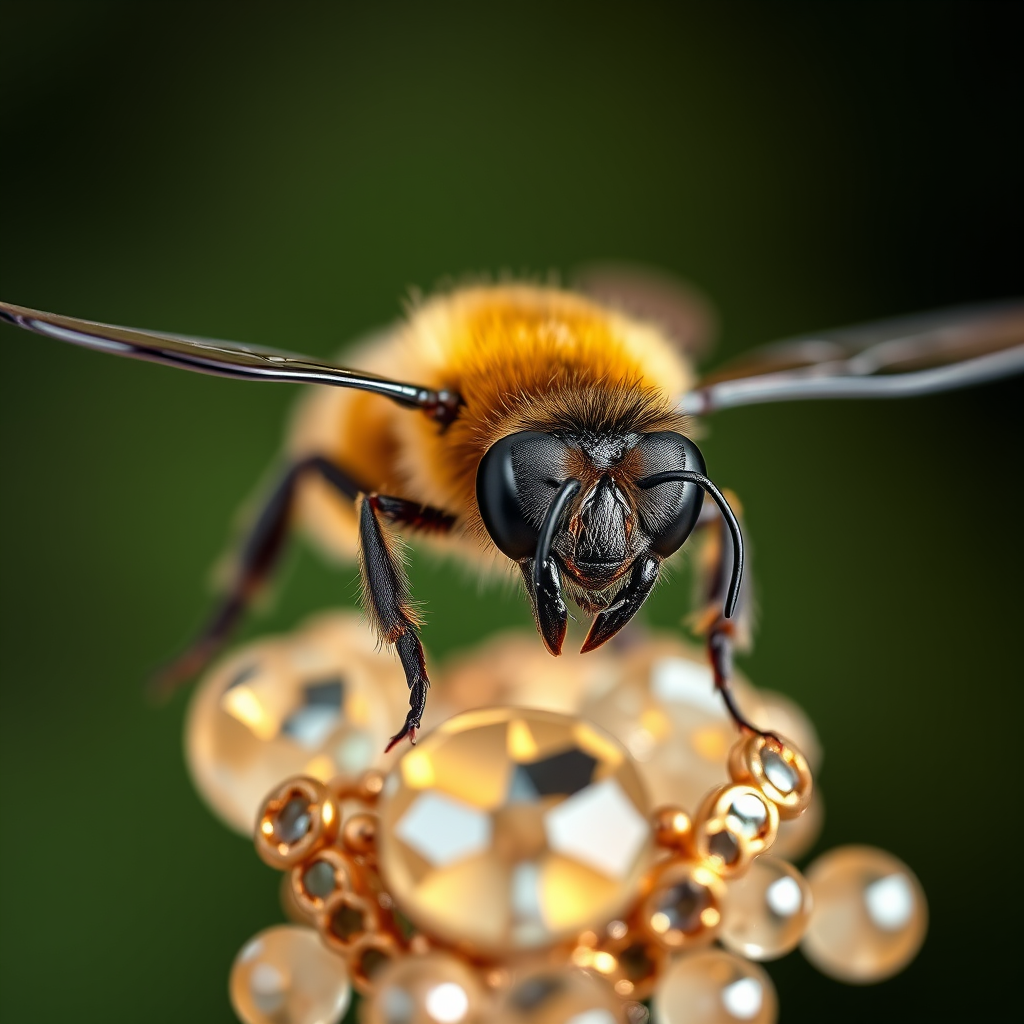
Drone bees cannot sting, as they lack the necessary anatomy to do so. Unlike worker bees, which are equipped with stingers for defense, drone bees focus primarily on mating and do not have the ability to defend the hive. This distinction is crucial for understanding the various roles that bees play within their colonies, as well as dispelling common misconceptions about their behavior. In this article, we will delve deeper into the characteristics and behaviors of drone bees to understand this phenomenon better.
Understanding Bee Castes
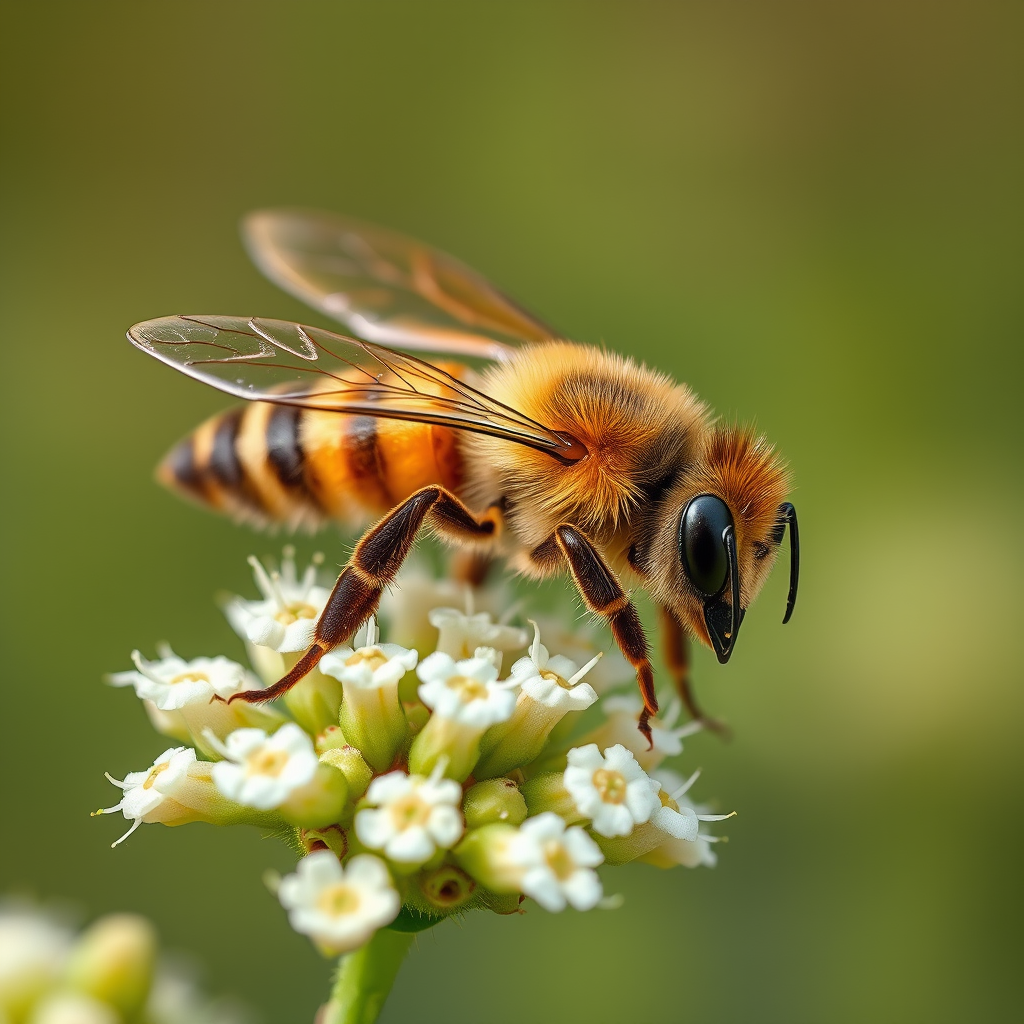
In a honeybee colony, there are three main types of bees: queens, workers, and drones. Each caste plays a vital role in maintaining the hive’s overall health and productivity.
Queens are the reproductive females responsible for laying eggs; they can lay thousands of eggs per day and are essential for the hive’s continuity. Worker bees are non-reproductive females who perform a variety of tasks, including foraging for nectar and pollen, caring for the queen’s offspring, and defending the hive from potential threats. Drones, on the other hand, are the male bees whose primary role is to mate with a queen.
These distinct castes are not only differentiated by their roles but also by their physical attributes. For instance, worker bees are smaller and have specialized anatomy for tasks like stinging and gathering food, while drones are larger and are equipped with reproductive organs rather than stingers. This division of labor is essential for the hive’s efficiency and survival, highlighting the complexity of bee social structure.
The Role of Drone Bees
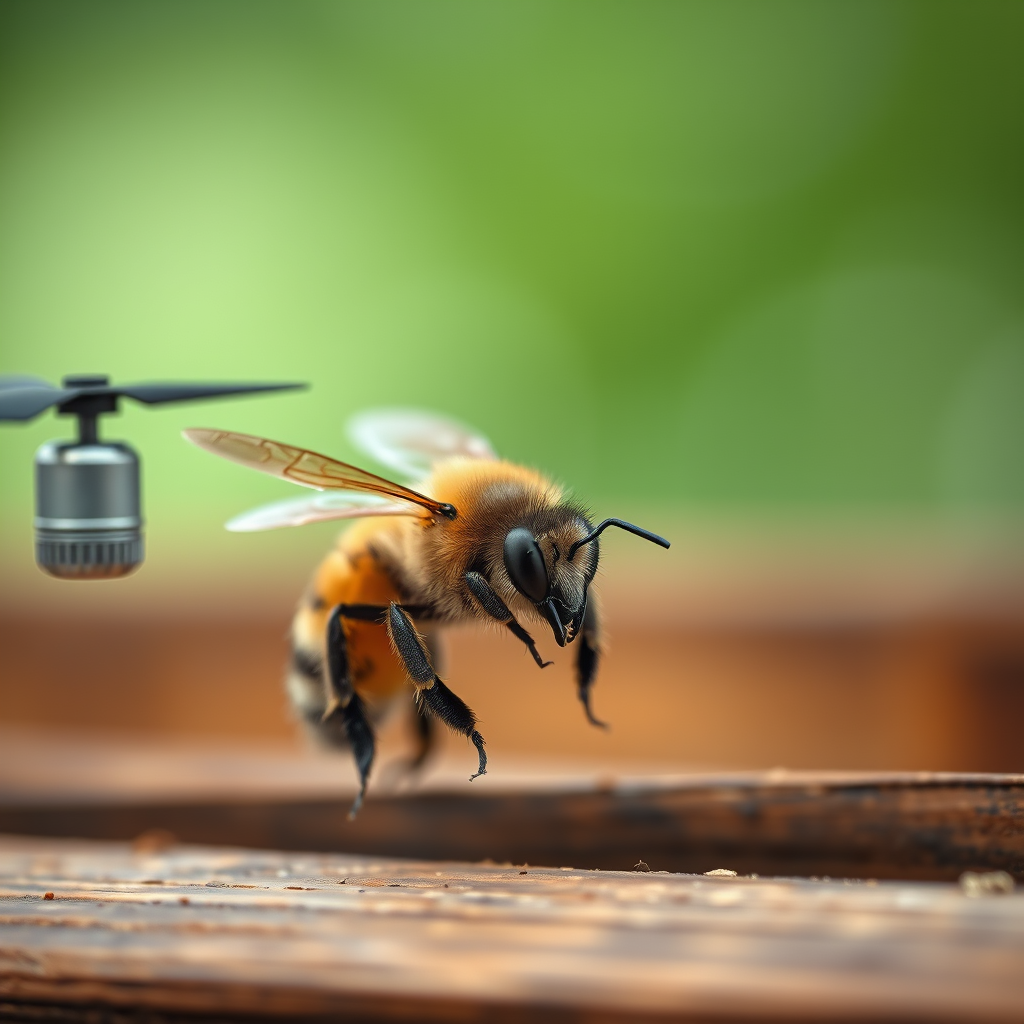
Drones serve a singular purpose in the hive: mating with a queen. Their life revolves around this critical function, which typically occurs during a designated mating flight. In many cases, drones will leave the hive and gather in specific areas known as drone congregation areas, where they wait for a queen to arrive.
Once a queen arrives, drones compete for the opportunity to mate. The mating process is intense; a drone will mate with a queen mid-flight, after which he will die, having fulfilled his biological purpose. This mating behavior is crucial for genetic diversity, as drones from various colonies may mate with a queen, enhancing the overall health and adaptability of future generations.
Notably, drones do not contribute to other hive activities. They do not collect nectar or pollen, nor do they participate in hive maintenance or defense. Instead, they are often viewed as dependents within the hive, relying on worker bees for sustenance and care.
Anatomy of Drone Bees
Drones are characterized by their larger bodies compared to worker bees, which can be attributed to their reproductive role. They possess large, rounded abdomens that house their developed reproductive organs, which are essential for mating.
One of the most significant differences between drones and worker bees is the absence of a stinger in drones. While worker bees are equipped with a stinger that can be used for defense, drones do not have this capability. This lack of a stinger underscores their non-defensive role in the hive, further emphasizing that their primary function is reproductive.
The physical attributes of drones also include large compound eyes, which are crucial for spotting queens during mating flights. These eyes are relatively larger than those of worker bees, enhancing their ability to navigate in flight and locate potential mates.
Comparison with Worker Bees
The contrast between drone bees and worker bees is stark and highlights the specialization within bee colonies. Worker bees, which are female, possess stingers and serve as the hive’s defense mechanism. They are also responsible for a myriad of tasks, including foraging for food, cleaning the hive, feeding larvae, and maintaining the overall structure of the colony.
In terms of behavior, worker bees exhibit a high level of cooperation and communication. They perform complex dances to indicate the location of food sources and work together to defend the hive from intruders. In contrast, drones are solitary in their purpose and engage primarily in mating.
The differences in anatomy also reflect their respective roles. While worker bees are smaller and possess a stinger, allowing them to protect the hive, drones are larger and lack this defense mechanism, which aligns with their non-aggressive nature. This division of labor is essential for the hive’s overall health, as it allows each caste to focus on its specific responsibilities, ensuring the survival and success of the colony.
Myths and Misconceptions
A common myth surrounding bees is the belief that all bees can sting. This misunderstanding often leads to unnecessary fear and anxiety among individuals who encounter bees. It is essential to clarify that only female bees, specifically worker bees, possess stingers.
Drones, as previously mentioned, do not have stingers and cannot defend themselves or the hive. This distinction is critical in educating the public about bee behavior and the ecological importance of these creatures. By understanding the differences between the castes, individuals can appreciate the vital roles that bees play in pollination and maintaining biodiversity.
Furthermore, the fear of bees often overshadows their positive contributions to the environment. Bees are responsible for pollinating a significant portion of the plants that produce fruits, vegetables, and nuts, making them indispensable to agriculture and ecosystems. By dispelling myths about bees, we can foster a more positive relationship with these essential pollinators.
Importance of Drones in the Hive
Despite their limited role, drones are vital for the genetic health of bee populations. By mating with queens from other colonies, they contribute to genetic diversity, which is crucial for the resilience of bee populations against diseases and environmental changes.
The presence of drones helps ensure that a queen can produce healthy offspring with a diverse genetic background. This genetic diversity enhances the adaptability of bee populations, allowing them to thrive in various environments and respond to challenges like climate change and habitat loss.
Moreover, the seasonal dynamics of drone populations also reflect the overall health of the hive. During times when resources are abundant, a hive will produce more drones, whereas during times of scarcity, the number of drones may decrease. This adaptability is a testament to the hive’s ability to respond to environmental conditions and maintain its stability.
Conclusion
In summary, drone bees do not sting, as they lack the capability to do so. Understanding the unique roles and functions of different bee types is essential for appreciating their contributions to our ecosystem. Drones play a critical role in maintaining genetic diversity, which is vital for the health of bee populations. By educating ourselves about the distinctions between drone bees, worker bees, and queens, we can foster a greater respect for these remarkable creatures. If you’re interested in learning more about bees and their behaviors, consider exploring further educational resources or local beekeeping workshops to deepen your understanding of these essential pollinators.
Frequently Asked Questions
Can drone bees sting humans or other animals?
No, drone bees cannot sting humans or other animals. Drones are male bees whose primary role is to mate with a queen bee. Unlike worker bees, drones lack a stinger; they do not possess the necessary anatomy to defend the hive or themselves, which is a common misconception about bee behavior.
Why do drone bees exist in a bee colony?
Drone bees exist primarily for reproduction. Their main purpose is to mate with a queen during the mating flights that typically occur in the spring and early summer. Having drones in the colony ensures genetic diversity and helps the hive thrive, as the queen needs to mate with multiple drones to fertilize her eggs for the colony’s future.
How do drone bees differ from worker bees in terms of behavior?
Drone bees and worker bees exhibit significantly different behaviors and roles within a hive. While worker bees are responsible for gathering nectar, foraging, and protecting the hive, drones do not contribute to these tasks. Instead, drones primarily focus on mating with a queen and are expelled from the hive in the fall when their role is no longer needed, showcasing their seasonal lifecycle in the colony.
What happens to drone bees after mating?
After mating, drone bees typically die shortly afterward. The mating process is physically taxing, and the drone’s reproductive organs are often left behind in the queen, leading to its death. This short life cycle highlights the drone’s primary purpose in the hive: reproduction, rather than survival or labor.
Which type of bees are most likely to sting and why?
Worker bees are the most likely to sting, as they possess stingers and defend the hive against threats. Worker bees sting to protect their colony, especially when they feel threatened or if their hive is disturbed. Understanding the roles of different types of bees can help alleviate fears and misconceptions about bee behavior, especially regarding the non-stinging nature of drone bees.
References
- https://en.wikipedia.org/wiki/Bee#Drones
- https://www.sciencedirect.com/science/article/pii/S0022191017313045
- https://www.abc.net.au/news/2019-02-25/why-drones-dont-sting-their-role-in-the-beehive/10843898
- https://www.beesource.com/resources/bee-facts/what-is-a-drone-bee/
- https://www.nationalgeographic.com/animals/article/bee-drones-role-in-the-hive
- https://entomologytoday.org/2020/07/21/drone-bees-male-bees-facts/
- https://www.bbc.co.uk/news/science-environment-54146097
- https://www.theguardian.com/environment/2020/aug/29/the-humble-drone-bee-what-is-it-and-why-is-it-important
