
Drones cannot fit through a queen excluder. These devices are specifically designed to prevent drones, which are larger than worker bees, from passing through while allowing the smaller worker bees to move freely. Understanding the dimensions and purpose of queen excluders, as well as the role of drones in the hive, is crucial for effective beekeeping practices. This article will delve into the specifics of queen excluders, the size and functions of drones, and the implications for beekeeping strategies.
Understanding Queen Excluders
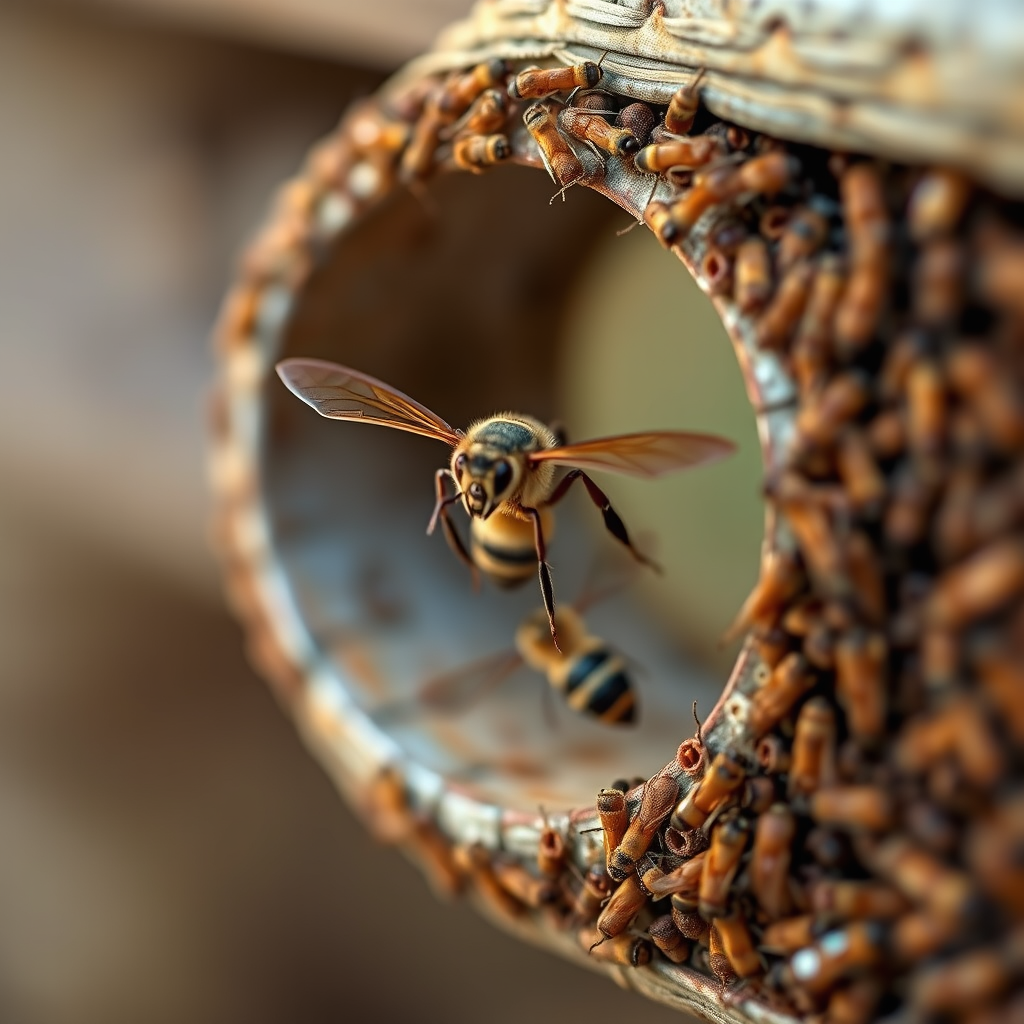
A queen excluder is a crucial tool in beekeeping, serving as a barrier that selectively allows worker bees to pass while blocking the larger drones and the queen bee. Typically made from materials such as plastic or metal, these devices feature a grid or mesh design with openings that are just large enough for worker bees to navigate through.
The dimensions of a standard queen excluder typically measure around 43 x 43 cm (17 x 17 inches) with a mesh size of approximately 4.1 mm (0.16 inches) to 4.5 mm (0.18 inches). This size is intentional, as it aligns closely with the average size of worker bees, which range from 12 to 15 mm in width, allowing them to move freely without obstruction. However, the larger drones, which can measure up to 20 mm in width, are effectively barred from passing through, ensuring that the breeding activities remain regulated within the hive.
The Size of Drones
Drones are the male bees in a colony and are significantly larger than their worker counterparts. On average, drones measure between 15 and 20 mm in length and have a broader body structure, making them incapable of fitting through the small openings of a queen excluder. This size discrepancy is a significant factor in their exclusion from specific areas of the hive.
Physically, drones exhibit distinct characteristics that differentiate them from worker bees. Drones possess larger eyes, which are essential for spotting queens during mating flights, and lack the stinger that worker bees have. The combination of their size and unique physical features effectively prevents them from passing through the mesh of a queen excluder, thus maintaining the integrity of the colony’s structure and function.
The Role of Drones in a Hive
Within the hive, drones serve a vital purpose, primarily centered around reproduction. Their main function is to mate with a queen during her mating flights. This reproductive role is crucial for genetic diversity within the bee population, which can enhance the resilience of the colony. Drones typically do not participate in foraging, hive maintenance, or other tasks that worker bees perform, making their role more specialized.
The presence of drones impacts hive dynamics significantly. During the peak of the season, a healthy hive can contain hundreds to thousands of drones, contributing to the colony’s reproductive success. However, as the season wanes and resources become scarce, worker bees will often evict drones from the hive to conserve food and resources. This natural cycle emphasizes the importance of drones for reproduction while highlighting the need for careful management within beekeeping practices.
Implications for Beekeeping
The use of queen excluders can greatly influence hive management strategies. By controlling the movement of drones and the queen, beekeepers can ensure that honey production remains efficient, as queen excluders prevent the queen from laying eggs in honey supers, which can lead to contamination and lower honey quality. This separation allows for better management of honey yields while also maintaining the necessary breeding conditions.
However, managing drone populations effectively is crucial. Beekeepers must balance the benefits of having drones for genetic diversity and reproduction against the potential for resource depletion, especially during late summer and fall. Strategies may include monitoring drone cells, controlling the timing of their emergence, and ensuring a healthy ratio of drones to workers to support both hive health and productivity.
Alternative Solutions
Innovative designs for bee excluders have emerged in recent years, some of which accommodate drones while still providing a degree of separation from the queen. For instance, adjustable excluders allow for modifications in mesh size, accommodating the needs of both drones and workers based on the season and specific hive conditions.
Moreover, beekeepers can employ other methods to control drone populations without relying solely on excluders. Techniques such as drone trapping, where drone brood cells are removed strategically, can help manage the number of drones without affecting the overall hive structure. Additionally, fostering a balanced environment with abundant resources can naturally regulate drone populations as worker bees determine the necessity of drone presence based on available resources.
Best Practices for Beekeepers
To maximize the effectiveness of queen excluders in managing bee colonies, beekeepers should consider several best practices. Firstly, regular inspections of the hive are essential to assess the health of both workers and drones. This helps in determining whether adjustments to the excluder are necessary to maintain optimal hive conditions.
Secondly, beekeepers should maintain a healthy balance between drones and workers. This includes monitoring the drone population and ensuring that there are enough worker bees to support the colony’s needs. Providing ample food resources and managing the timing of inspections can also help in maintaining this balance.
Finally, beekeepers should stay informed about new developments in beekeeping technology and practices. Engaging with local beekeeping associations or attending workshops can provide valuable insights into innovative methods and tools that can enhance hive management.
In conclusion, while drones are unable to pass through queen excluders due to their size, understanding their role and the hive’s dynamics can help beekeepers manage their colonies more effectively. By exploring alternative solutions and implementing best practices, beekeepers can enhance their overall beekeeping experience and ensure healthy, productive hives.
Frequently Asked Questions
Can drones effectively fit through a queen excluder used in beekeeping?
Drones, the male bees in a hive, are typically larger than worker bees and are unable to fit through a queen excluder. A queen excluder is designed to allow only smaller worker bees to pass while preventing larger drones and the queen from moving through. Therefore, if you are considering using drones in conjunction with a queen excluder in your beekeeping practices, it’s important to understand that they will be restricted from accessing areas beyond the excluder.
Why are drones unable to pass through queen excluders?
Drones are larger than worker bees, measuring about 15% larger in size. Queen excluders are specifically constructed with openings sized to permit the smaller worker bees to pass while blocking the larger drones and the queen. This design helps maintain the hive’s structure and ensures that only worker bees can access certain areas, thereby facilitating effective hive management and preventing the queen from being interfered with by drones.
How does the size of drones compare to worker bees in relation to queen excluders?
Drones are approximately 1.5 times the size of worker bees, with a broader body and larger wings. This size difference is crucial when considering the function of a queen excluder, which has openings sized to permit the passage of worker bees, typically around 6-8 mm, while being too small for drones. Understanding these measurements is essential for beekeepers who want to manage their hives effectively.
What are the implications of drones being unable to pass through a queen excluder?
The inability of drones to pass through a queen excluder has significant implications for hive dynamics. It ensures that the queen remains protected and can lay eggs without disruption from drones. Additionally, by restricting drones, beekeepers can control population dynamics within the hive, helping to maintain balance as they manage resources and prevent overcrowding. This understanding is crucial for effective hive management and healthy bee populations.
Which alternatives can be used if queen excluders are not suitable for managing drones?
If queen excluders are not suitable for your beekeeping setup, consider alternatives like using drone frames specifically designed to encourage drone brood production, which can be removed to manage drone populations effectively. Another option is to use bottom screens or entrance reducers to limit drone access while allowing worker bees to continue their essential tasks. These methods can help you manage drone populations without the constraints of a queen excluder.
References
- https://en.wikipedia.org/wiki/Drone
- https://www.ars.usda.gov/
- https://www.nap.edu/catalog/25995/drone-technology-for-agriculture
- https://www.sciencedirect.com/science/article/pii/S2351978917300845
- https://www.frontiersin.org/articles/10.3389/fbioe.2020.00012/full
- https://www.theguardian.com/environment/2021/jul/12/drones-help-beekeepers-monitor-hives
- https://www.usda.gov/topics/farming/drones-agriculture
- https://www.ncbi.nlm.nih.gov/pmc/articles/PMC7837478/
