

Yes, drones can fly over private property, but there are important regulations and considerations that govern this practice. Understanding these laws is essential for drone operators and property owners alike to ensure compliance and respect for privacy. As drone technology becomes increasingly accessible, the intersection of airspace rights and personal privacy has sparked significant debate. This blog post will explore the intricate landscape of drone operations over private property, highlighting key regulatory frameworks, property rights, privacy concerns, and best practices for drone operators.
Understanding Drone Regulations
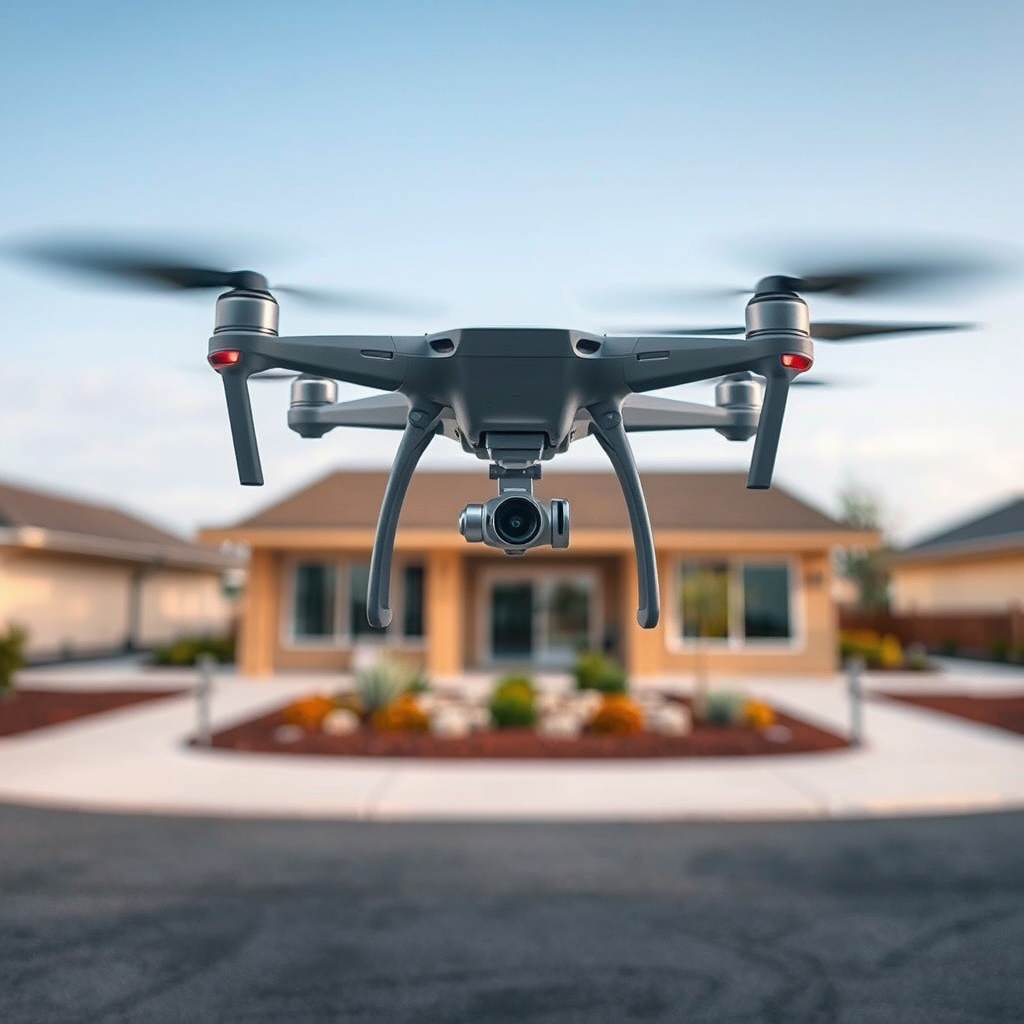
The Federal Aviation Administration (FAA) sets the guidelines for drone operation in the U.S., which provides a foundational framework for understanding where and how drones can operate. According to the FAA, drones are considered aircraft, and as such, their operations fall under specific federal regulations. The FAA has established rules regarding drone altitudes, flight paths, and operational limits, which include restrictions near airports and populated areas.

However, local laws and regulations can differ significantly from federal guidelines, adding layers of complexity. For instance, some municipalities may have specific ordinances regulating drone flights, such as requiring permits for commercial use or restricting flights in designated parks or residential areas. Operators must research and stay informed about these local laws to avoid potential fines or legal issues. It is advisable for drone operators to consult local government websites or speak with local authorities before conducting flights to ensure compliance with all regulations.
Property Owners’ Rights
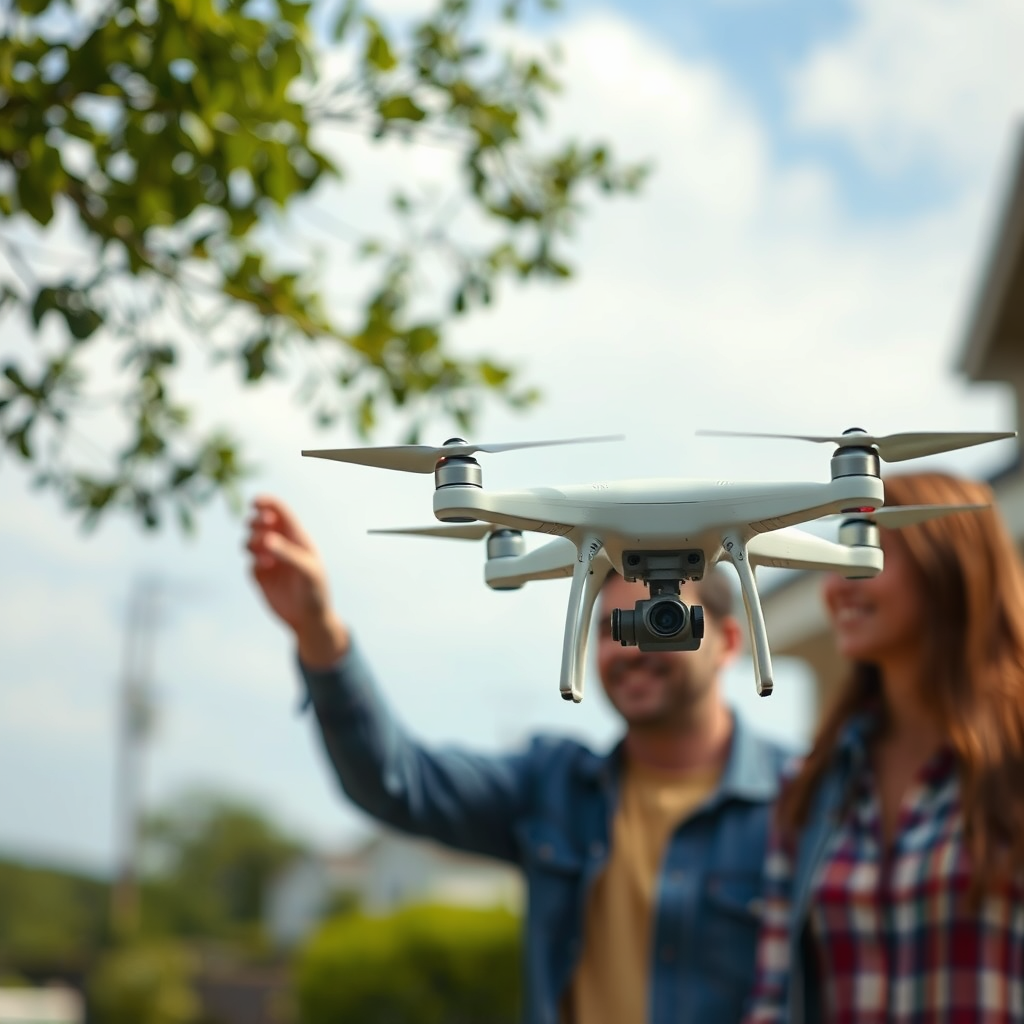
Property owners have certain rights regarding the airspace above their land, which can complicate the legality of drone flights. The concept of “navigable airspace” is crucial in this context. Generally, the FAA defines navigable airspace as the airspace above 500 feet, where air traffic is regulated and accessible for commercial and private aircraft. Below this altitude, property owners may assert rights over the airspace directly above their property, though these rights can vary based on state laws.
For example, a property owner may have the right to take legal action if a drone hovers over their property at a low altitude, particularly if it interferes with their enjoyment of the property or raises safety concerns. Case law related to airspace rights continues to evolve, so it is essential for both drone operators and property owners to understand their legal standing in these situations. Engaging in open discussions about airspace use can help mitigate conflicts and ensure that both parties feel respected and understood.
Privacy Concerns
Drones equipped with cameras and other surveillance technologies can raise significant privacy issues for homeowners. The ability to capture high-resolution images and video from the air makes it possible for drones to intrude upon private spaces and potentially violate individuals’ privacy rights. The legal boundaries surrounding this issue are often murky, as privacy laws can vary widely between jurisdictions.
Drone operators must be aware of and respect individuals’ privacy rights, especially in residential areas. For instance, flying a drone over a neighbor’s backyard to capture images without consent may lead to accusations of invasion of privacy. To avoid potential legal issues, it is advisable for drone operators to seek permission from property owners before flying over private property, particularly when using cameras. Establishing clear communication and understanding can help both parties navigate privacy concerns effectively.
Liability and Insurance
Operators may be held liable for damages caused by drones flying over private property, which underscores the importance of risk management in drone operations. If a drone crashes into a home, injures a person, or causes property damage, the operator could face significant legal repercussions. Liability can arise not only from physical damage but also from privacy violations or harassment claims.
Securing proper insurance can help mitigate risks associated with drone use. Many insurance companies now offer specialized drone insurance policies that cover liability for accidents, property damage, and even equipment loss. Drone operators should carefully review their insurance options to ensure they have adequate coverage. Additionally, understanding the specific terms of the insurance policy, including any exclusions or limitations, is crucial for effective risk management.
Best Practices for Drone Operators
To foster a respectful and lawful drone operation environment, drone operators should adopt several best practices. First and foremost, always inform property owners before flying over their land. This simple step can help prevent misunderstandings and reduce the likelihood of complaints. Additionally, it shows professionalism and consideration for the property owner’s rights.
Operators should also follow local ordinances and obtain necessary permits when required. This includes understanding any restrictions on flight times, altitudes, or specific areas where drone use is prohibited. Utilizing drone-specific apps or websites can assist operators in staying informed about local regulations and airspace restrictions.
Finally, maintaining a respectful distance from people’s homes and avoiding intrusive maneuvers can help promote a positive relationship between drone operators and property owners. By adhering to these best practices, operators can contribute to a more responsible and community-friendly approach to drone flying.
The Role of Local Authorities
Local governments may impose specific regulations on drone flights that differ from FAA guidelines, making it essential for drone operators to understand the role of local authorities. In some cases, municipalities may have enacted more stringent regulations to address community concerns regarding noise, privacy, and safety. For example, certain urban areas may restrict drone flights during specific hours or require registration for commercial drone use.
Staying updated on local laws is essential for responsible drone operation. Operators should regularly check for any changes in regulations or new ordinances that may impact their flying activities. Engaging with local drone advocacy groups or attending community meetings can also provide valuable insights into local drone policies and foster good relationships with regulators.
Future of Drone Use and Legislation
The ongoing discussions about drone regulations may shape future laws governing airspace and privacy, reflecting the evolving nature of drone technology and its societal implications. As drones become more integrated into various sectors, including agriculture, real estate, and delivery services, the need for clear and comprehensive regulations will become increasingly critical.
Keeping an eye on legislative changes can help both operators and property owners navigate this evolving landscape. Engaging in advocacy for balanced drone regulations that consider both innovation and individual rights can contribute to the development of a fair legal framework. As drone technology continues to advance, proactive involvement in legislative discussions will be essential for all stakeholders.
In conclusion, while drones can legally fly over private property, it is crucial for operators to be aware of the applicable regulations, respect privacy, and maintain open communication with property owners. By adhering to these practices, both drone users and property owners can foster a respectful and responsible environment. As drone technology continues to evolve, understanding the legal landscape will be vital for navigating the complexities of airspace rights and privacy concerns.
Frequently Asked Questions
Can drones legally fly over private property?
Yes, drones can legally fly over private property in many circumstances, but it is subject to local laws and regulations. In the United States, the Federal Aviation Administration (FAA) allows drone flights over private property as long as they are operating within the legal altitude limits and not violating any privacy laws or local ordinances. However, property owners may have the right to request that drone operators avoid their land, especially if the flight poses a nuisance or invasion of privacy.
What should I do if a drone is flying over my property?
If a drone is flying over your property and you feel uncomfortable, start by identifying the operator if possible. It may be helpful to speak with them directly to express your concerns. If the drone’s presence continues to be intrusive or invasive, you can report the situation to local law enforcement or your neighborhood association, as they can provide guidance on applicable laws and help mediate the situation.
Why do drones fly over private property?
Drones may fly over private property for various reasons, including aerial photography, surveying, monitoring crops, or recreational purposes. Many drone operators are professionals seeking to capture images or video from unique perspectives, while others may simply enjoy flying drones as a hobby. However, the intentions of the operator can vary, so it’s important to understand the context of the flight.
What are the best practices for flying a drone near private property?
When flying a drone near private property, it’s important to follow best practices to ensure safety and respect for others. Always maintain a safe distance from buildings and people, avoid flying directly over residential areas unless necessary, and consider notifying property owners beforehand. Additionally, familiarize yourself with local regulations and obtain any necessary permissions or permits to avoid legal issues.
Which laws govern drone flights over private property?
Drone flights over private property are primarily governed by federal regulations set by the FAA, which oversee airspace usage and safety. However, state and local laws can also impact drone operations, including privacy laws that address the use of drones for surveillance or capturing images. It is essential for drone operators to research and comply with all applicable laws to avoid potential fines or legal action from property owners.
References
- https://www.faa.gov/uas/getting_started/registration
- https://www.nolo.com/legal-encyclopedia/drone-laws-your-state-32262.html
- https://www.privacyinternational.org/explainer/3877/drones-and-privacy
- https://www.nytimes.com/2019/04/10/us/drones-privacy-property.html
- https://www.theguardian.com/technology/2018/may/15/drones-privacy-property-rights
- https://www.americanbar.org/groups/science_technology/publications/technology_and_the_law/2020/drones-privacy-property-rights/
- https://www.wired.com/story/drone-regulations-privacy-property-rights/
- https://www.ustagov.com/faq/what-are-the-laws-regarding-drone-flying-over-private-property
- https://www.aclu.org/news/privacy-technology/what-you-need-know-about-drones-and-privacy
