

Drones can legally spy on you, but there are specific regulations and limitations depending on where you live. As drone technology continues to advance, the legal landscape surrounding their use, particularly for surveillance purposes, becomes increasingly complex. This article explores the legal framework governing drone surveillance, including federal regulations, state and local laws, privacy implications, and the distinctions between public and private spaces.
Understanding Drone Surveillance Laws
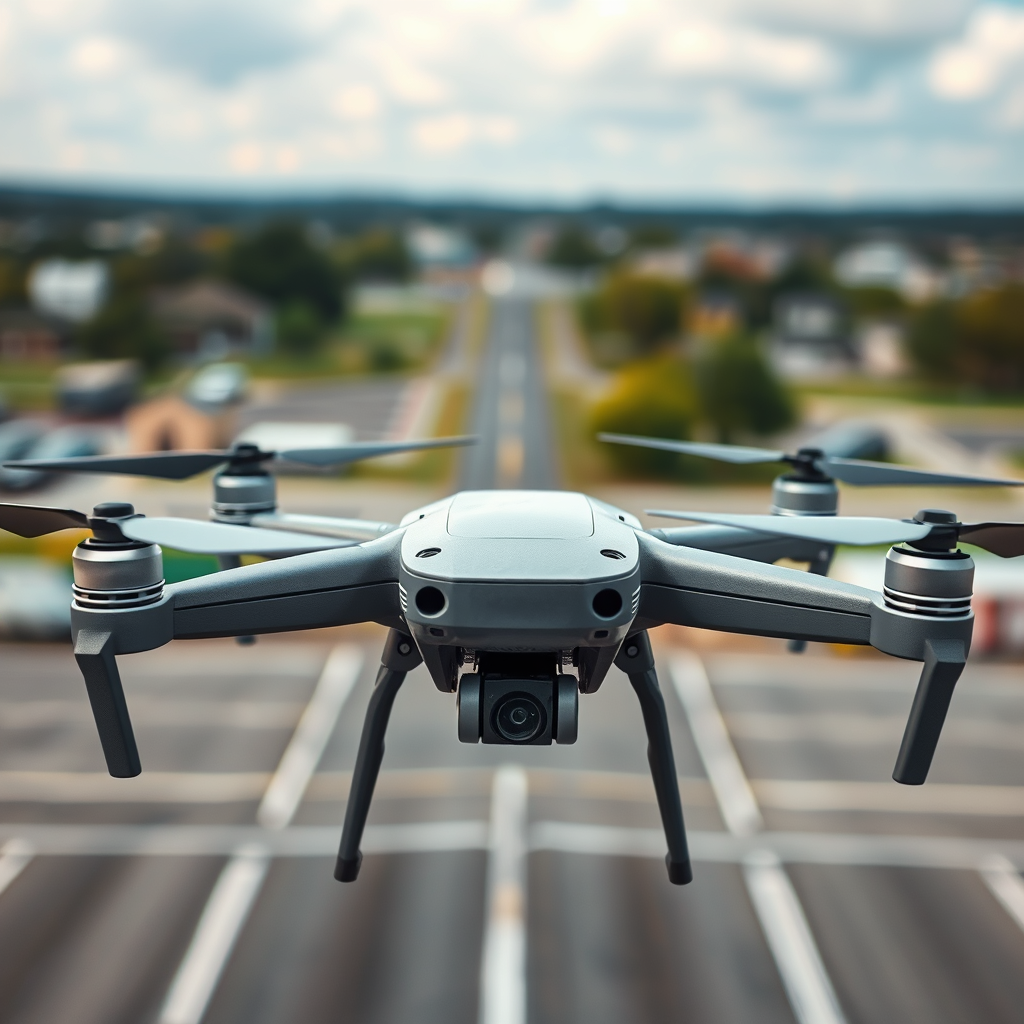
The regulatory environment for drone usage is primarily governed by federal laws set forth by the Federal Aviation Administration (FAA). The FAA has established rules that classify drones as Unmanned Aerial Vehicles (UAVs), which must comply with specific operational guidelines. For instance, drones must be registered if they weigh more than 0.55 pounds, and operators need to obtain a Remote Pilot Certificate to fly commercially. Furthermore, drones must operate within visual line-of-sight, maintain a maximum altitude of 400 feet, and avoid flying over people without proper waivers.
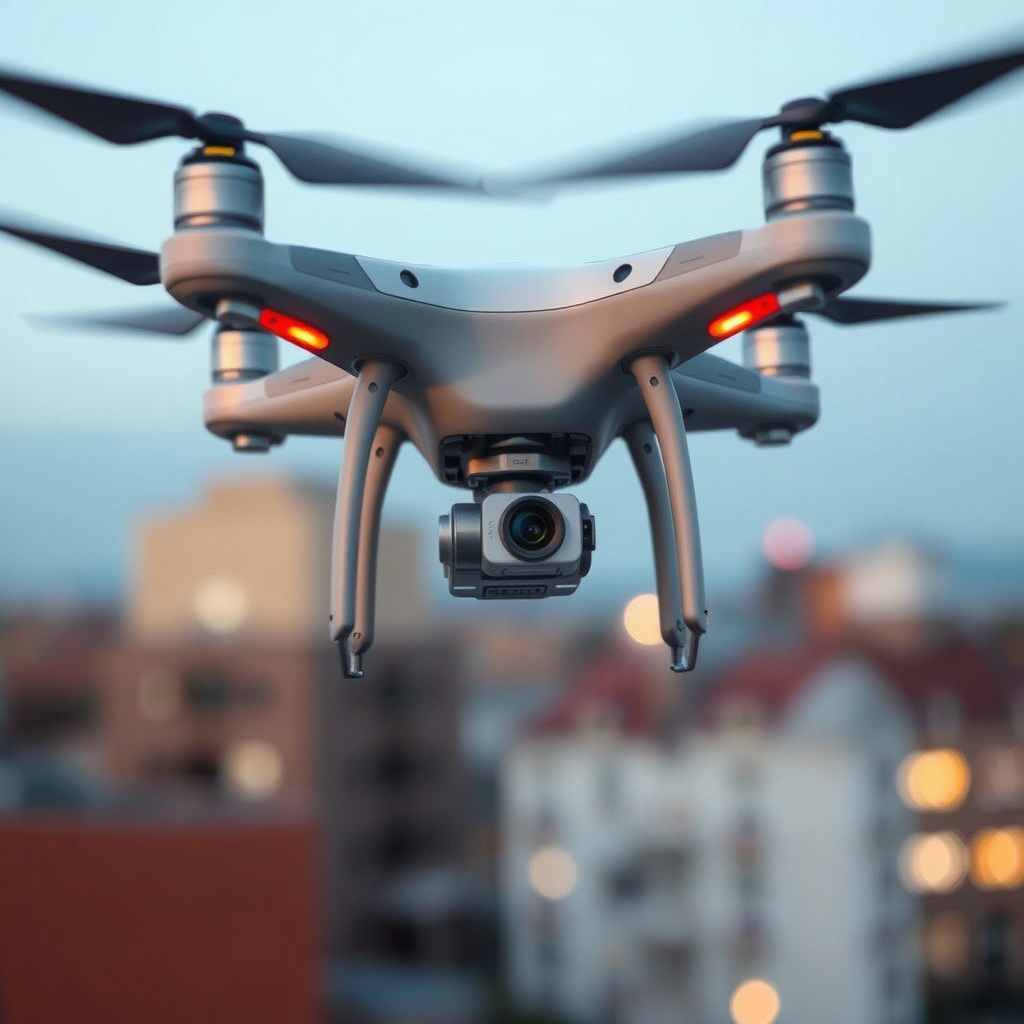
In addition to federal regulations, state and local governments have the authority to impose their own restrictions on drone surveillance. Many states have enacted laws that specifically address privacy concerns associated with drone use. For example, some states prohibit the use of drones for surveillance without consent in certain scenarios or require operators to obtain permits for specific purposes. Local ordinances may further restrict drone flights in residential areas, near schools, or over private property, creating a patchwork of regulations that vary widely across the United States.
Privacy Concerns and Legal Implications
The intersection of drone technology and privacy rights raises significant legal questions. In the U.S., the Fourth Amendment protects citizens from unreasonable searches and seizures, which can be interpreted in the context of drone surveillance. The key legal question revolves around what constitutes a “reasonable expectation of privacy.”
Several case studies have emerged that highlight the contentious nature of drone surveillance. For instance, in California v. Ciraolo, the Supreme Court ruled that aerial surveillance of private property from an altitude of 1,000 feet did not violate the Fourth Amendment, establishing a precedent that diminished privacy expectations in public view. Conversely, in Florida v. Riley, the court found that using a helicopter to surveil a person’s greenhouse without a warrant was a violation of privacy rights. These cases illustrate the evolving nature of legal interpretations regarding drone surveillance and privacy, emphasizing the need for clear guidelines.
Exceptions to the Rules
Despite general restrictions, there are specific circumstances in which drones can be used legally for surveillance. Law enforcement agencies often utilize drones for various purposes, including search and rescue operations, crime scene investigations, and monitoring large public events. In these cases, agencies may need to adhere to strict protocols and obtain warrants, especially when conducting surveillance in areas where individuals have a reasonable expectation of privacy.
Additionally, drones may be employed for legitimate purposes such as monitoring wildlife, conducting agricultural assessments, or ensuring public safety during emergencies. For example, during natural disasters, drones can provide real-time data to assist first responders without endangering human lives. In these scenarios, the justification for drone monitoring often hinges on the necessity of the operation and its alignment with public interest.
Public vs. Private Spaces
The legal expectations surrounding drone surveillance differ significantly between public and private spaces. In public areas, individuals generally have a lower expectation of privacy, allowing drones to capture images and videos without explicit consent. This principle is supported by the idea that once an individual is in a public space, they are subject to observation by anyone, including drones.
Conversely, private property is subject to higher privacy protections. The concept of a “reasonable expectation of privacy” plays a crucial role in determining whether drone surveillance is permissible. For example, if a drone captures images or data within the confines of a private residence or yard, it could be deemed an invasion of privacy. In many jurisdictions, individuals have the right to take legal action against drone operators who infringe upon their privacy rights.
Current Trends in Drone Technology and Surveillance
As drone technology continues to evolve, so too do the capabilities for surveillance. Innovations such as high-resolution cameras, thermal imaging, and artificial intelligence can enhance a drone’s ability to gather detailed information from afar. These advancements raise new ethical and legal questions regarding the potential for invasive surveillance practices.
Societal attitudes towards drones are also shifting. While many people recognize the benefits of drones for various applications, there is growing concern about privacy violations and the potential for misuse. This evolving sentiment has prompted calls for stronger privacy regulations and clearer guidelines on drone surveillance. As public discourse continues to shape the legal framework, stakeholders must balance the benefits of drone technology with the imperative to protect individual privacy.
What You Can Do to Protect Your Privacy
Individuals concerned about drone surveillance can take several proactive steps to safeguard their privacy. First, understanding local laws regarding drone usage is essential. Familiarizing oneself with regulations can empower individuals to identify potential violations and take appropriate action.
Additionally, employing physical barriers such as privacy fences or foliage can help reduce the likelihood of drone surveillance in private spaces. Furthermore, individuals can advocate for stronger privacy protections at local and state levels, urging lawmakers to consider regulations that address the unique challenges posed by drone technology.
If you suspect illegal spying via drones, documenting evidence and reporting it to local authorities is crucial. Engaging legal counsel can also provide guidance on potential recourse for privacy violations.
In conclusion, while drones have the potential to invade privacy, understanding the legal landscape can help you navigate your rights and protections. With a mix of federal, state, and local regulations at play, individuals must stay informed about the evolving laws surrounding drone surveillance. As technology continues to advance, advocating for stronger privacy regulations will be essential to ensure that individual rights are upheld in the face of increasing surveillance capabilities.
Frequently Asked Questions
Can drones legally spy on you without your consent?
The legality of drones spying on individuals without consent varies by jurisdiction. In many places, laws prohibit the use of drones for invasive surveillance, particularly in private spaces like backyards or homes. However, some regions may have more lenient regulations, so it’s essential to check local drone laws and privacy statutes to understand your rights and protections against unauthorized surveillance.
What are the privacy laws regarding drone surveillance?
Privacy laws regarding drone surveillance differ significantly across countries and states. In the U.S., the Federal Aviation Administration (FAA) governs drone operations, while local laws may address privacy issues. Generally, if a drone captures images or audio in public spaces where there is no reasonable expectation of privacy, it may be legal. However, using drones to invade personal privacy, especially in private areas, could lead to legal repercussions under civil or criminal law.
How can I protect myself from drone surveillance?
To protect yourself from potential drone surveillance, consider installing physical barriers such as privacy fences or using reflective materials that can disrupt camera visibility. Additionally, being aware of your surroundings and reporting suspicious drone activity can help ensure your privacy. Some privacy-conscious individuals use specialized drone detection technology to identify unauthorized drones in their vicinity.
Why are drones often used for surveillance purposes?
Drones are frequently used for surveillance due to their ability to access hard-to-reach areas, their cost-effectiveness, and their capacity to gather real-time data without putting personnel at risk. They are employed in various fields, including law enforcement, agriculture, and real estate, to monitor activities, gather evidence, or assess property conditions. However, these benefits raise concerns about privacy violations, leading to ongoing debates about the ethical use of drones for surveillance.
Which laws should I be aware of regarding drone use in my area?
To understand drone regulations in your area, familiarize yourself with both federal and local laws. In the U.S., the FAA outlines national regulations, including registration and operational guidelines. Additionally, many states and municipalities have enacted specific laws addressing drone use, particularly concerning privacy rights. Checking your local government’s website or consulting legal resources can provide clarity on the rules applicable in your jurisdiction.
References
- https://en.wikipedia.org/wiki/Drone_usage_in_policing
- https://www.bbc.com/news/technology-49535193
- https://www.aclu.org/news/privacy-technology/2021/06/the-impact-of-drones-on-privacy-and-civil-liberties/
- https://www.nytimes.com/2020/02/13/us/politics/drone-surveillance-privacy.html
- https://www.epic.org/issue/drone-surveillance/
- https://www.faa.gov/uas/
- https://www.ncsl.org/research/telecommunications-and-information-technology/state-drone-laws.aspx
- https://www.theguardian.com/technology/2021/mar/04/drone-privacy-uk-laws-regulations
