

Yes, drones can track you using various technologies such as GPS, cameras, and sensors. This capability raises important questions about privacy and surveillance. As drones become increasingly integrated into everyday life, understanding how they operate and the implications for personal privacy is crucial. This article will delve into the mechanics of drone tracking, the technologies involved, and the potential consequences for your privacy and security.
How Drones Use GPS for Tracking
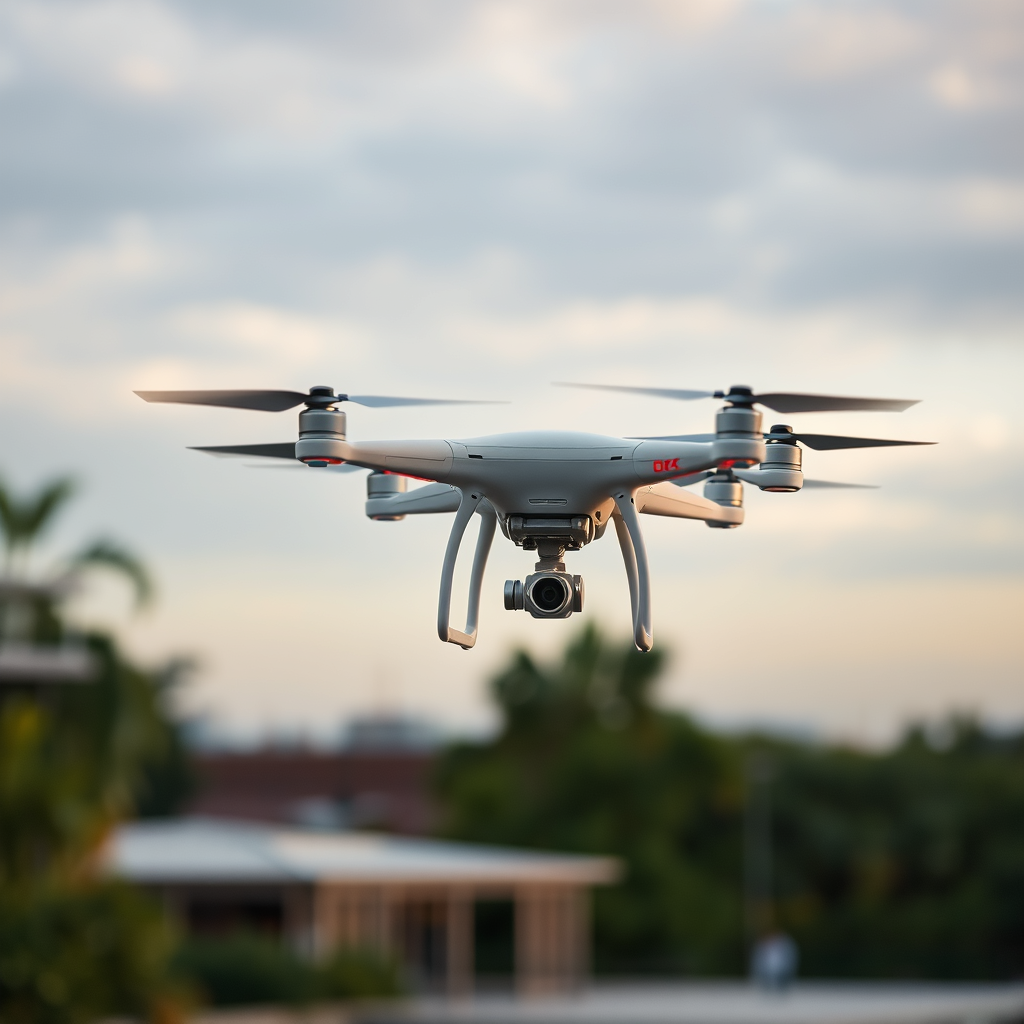
Drones equipped with GPS (Global Positioning System) can pinpoint locations in real-time with remarkable accuracy. This technology relies on a network of satellites orbiting the Earth, which transmit signals to the drone, allowing it to triangulate its position. For instance, commercial drones used for delivery services, such as those developed by Amazon or UPS, utilize GPS to navigate efficiently from warehouse to customer, ensuring timely and accurate deliveries.
Moreover, advanced drones may enhance tracking accuracy by integrating additional satellite data, such as GLONASS (Russia’s satellite system) or Galileo (Europe’s satellite navigation system). This multi-source approach minimizes errors caused by obstructions or atmospheric interference, making drones capable of tracking not only their own location but also the movements of individuals on the ground. This technology becomes particularly concerning when drones are deployed in urban environments, where they can easily follow people and vehicles without their knowledge.
The Role of Cameras and Sensors

Many drones come equipped with high-resolution cameras that can capture images and videos from the air, providing a visual means of tracking individuals. For example, drones used in agriculture can monitor crop health by capturing detailed aerial imagery, while those utilized in surveillance can document activities in public spaces. These cameras often feature zoom capabilities and night vision technology, making it possible to track individuals even in low-light conditions.
In addition to cameras, drones may also be outfitted with various sensors that can detect movements and gather data on individuals’ activities. Thermal imaging sensors, for instance, can identify heat signatures, allowing drones to track individuals even if they are concealed. Acoustic sensors can capture sound waves, enabling drones to detect conversations or other sounds in their vicinity. The combination of these technologies creates a powerful tracking capability that can intrude upon personal privacy.
Legal Regulations Surrounding Drone Tracking
Different countries have varying laws regarding drone surveillance and tracking, reflecting diverse cultural attitudes toward privacy and technology. In the United States, the Federal Aviation Administration (FAA) regulates the operation of drones, but there are also state and local laws that govern their use, particularly concerning privacy. For instance, some states have enacted laws that restrict the use of drones for surveillance purposes, requiring law enforcement agencies to obtain warrants before deploying drones for tracking individuals.
In contrast, countries like the United Kingdom have implemented stricter regulations that encompass both commercial and recreational drone use, emphasizing the need for operators to respect individuals’ privacy rights. Understanding your local regulations is paramount, as they offer a framework for protecting your privacy against unauthorized drone surveillance. As drone technology continues to advance, ongoing legal discussions will shape the future of drone tracking practices.
Privacy Concerns with Drone Technology
The ability of drones to track individuals raises significant privacy issues that warrant careful consideration. Surveillance drones can operate covertly, often without individuals being aware of their presence. This lack of transparency can lead to a myriad of concerns, including unauthorized surveillance, data collection, and potential misuse of information gathered by drones. For instance, incidents where drones have been used to monitor protests or public gatherings have sparked debates on civil liberties and the right to privacy.
Public awareness and discourse are critical in addressing these concerns. Advocacy groups and privacy organizations are working to raise awareness about the implications of drone technology. By fostering discussions about ethical drone use, communities can push for regulations that prioritize individual rights while still allowing for the benefits that drones can provide, such as enhanced public safety and efficiency in various industries.
Drones in Law Enforcement and Security
Law enforcement agencies increasingly utilize drones for surveillance and monitoring purposes, viewing them as valuable tools for enhancing public safety. Drones can assist in crime scene investigations, search and rescue operations, and crowd monitoring during large events. For example, police departments in major cities have deployed drones to monitor traffic conditions or to conduct aerial surveillance during emergencies.
However, this practice also poses risks for civil liberties. The potential for abuse exists if drones are used to conduct unwarranted surveillance on individuals or groups, raising ethical questions about the balance between security and privacy. The implementation of oversight mechanisms and transparency measures is essential to ensure that law enforcement agencies use drones responsibly and that individual rights are respected.
Future of Drone Tracking Technology
As advancements in artificial intelligence (AI) and machine learning continue to evolve, the capabilities of drone tracking technology are likely to expand significantly. AI algorithms can analyze vast amounts of data collected by drones, enabling more sophisticated tracking and pattern recognition. For instance, drones could potentially predict an individual’s movements based on previous behavior, raising further privacy concerns.
Ethical considerations will need to be addressed as technology evolves. The development of ethical guidelines for drone use, alongside robust privacy protections, will be crucial in navigating the complexities of drone tracking in the future. Stakeholders, including policymakers, technology developers, and the general public, must collaborate to create a regulatory environment that balances innovation with the protection of individual rights.
In conclusion, while drones possess the capability to track individuals through various technologies, it is essential to remain informed about the implications for privacy and security. The intersection of drone technology, legal regulations, and ethical considerations creates a complex landscape that necessitates ongoing dialogue and advocacy. Understanding these dynamics and promoting responsible use of drone technology can help ensure a balance between safety and individual rights, paving the way for a future where technology serves the public good without infringing upon personal freedoms.
Frequently Asked Questions
Can drones track my location without my consent?
Yes, drones can track your location using GPS technology and other sensors. Many drones are equipped with advanced surveillance capabilities, allowing operators to monitor and log a person’s movements. However, the legality of tracking someone without their consent varies by jurisdiction, so it’s essential to understand local laws regarding privacy and drone surveillance.
How do drones capture data about individuals?
Drones capture data about individuals primarily through high-resolution cameras, thermal imaging, and other sensors. These devices can collect video footage, images, and even audio, depending on their specifications. Additionally, some drones use machine learning algorithms to analyze the data in real-time, enabling them to recognize faces or track movements, which raises concerns about privacy and data security.
Why are drones used for surveillance and tracking?
Drones are used for surveillance and tracking due to their ability to cover large areas quickly and access hard-to-reach locations. They provide a cost-effective solution for various industries, including law enforcement, security, agriculture, and wildlife monitoring. However, as their use increases, so do concerns about potential misuse and the implications for personal privacy.
What can I do if I believe a drone is tracking me?
If you suspect a drone is tracking you, it’s important to remain calm and assess the situation. You can document the drone’s appearance, location, and any suspicious behavior. Additionally, you may want to contact local authorities to report your concerns, especially if you feel threatened. Understanding your privacy rights in your area can also help you take appropriate action.
Which drones are most commonly used for surveillance purposes?
The most commonly used drones for surveillance include models such as the DJI Phantom series, Parrot Anafi, and specialized drones like the senseFly eBee. These drones are favored for their high-quality imaging capabilities, long flight times, and ease of operation. When choosing a drone for surveillance, users should also consider factors like range, camera quality, and compliance with local regulations regarding drone use in public spaces.
References
- https://en.wikipedia.org/wiki/Drone_tracking
- https://www.bbc.com/news/technology-45005510
- https://www.nytimes.com/2020/05/20/technology/drones-privacy.html
- https://www.aclu.org/news/privacy-technology/your-drone-is-watching-you-what-you-need-to-know-about-drone-privacy
- https://www.faa.gov/uas/getting_started/remote_id/
- https://www.scientificamerican.com/article/how-drones-can-be-used-to-surveil-people/
- https://www.theguardian.com/us-news/2021/jul/23/us-military-drones-surveillance-black-lives-matter-protests
- https://www.ncbi.nlm.nih.gov/pmc/articles/PMC6525391/
