

Yes, you can legally fly a drone at night in the United States, but there are specific regulations you must follow. Understanding these rules is crucial for safe and legal night flying, as they ensure both the safety of the pilot and those on the ground. As drone technology continues to evolve, so too do the regulations governing its use, particularly in challenging conditions like nighttime operations.
Understanding FAA Regulations
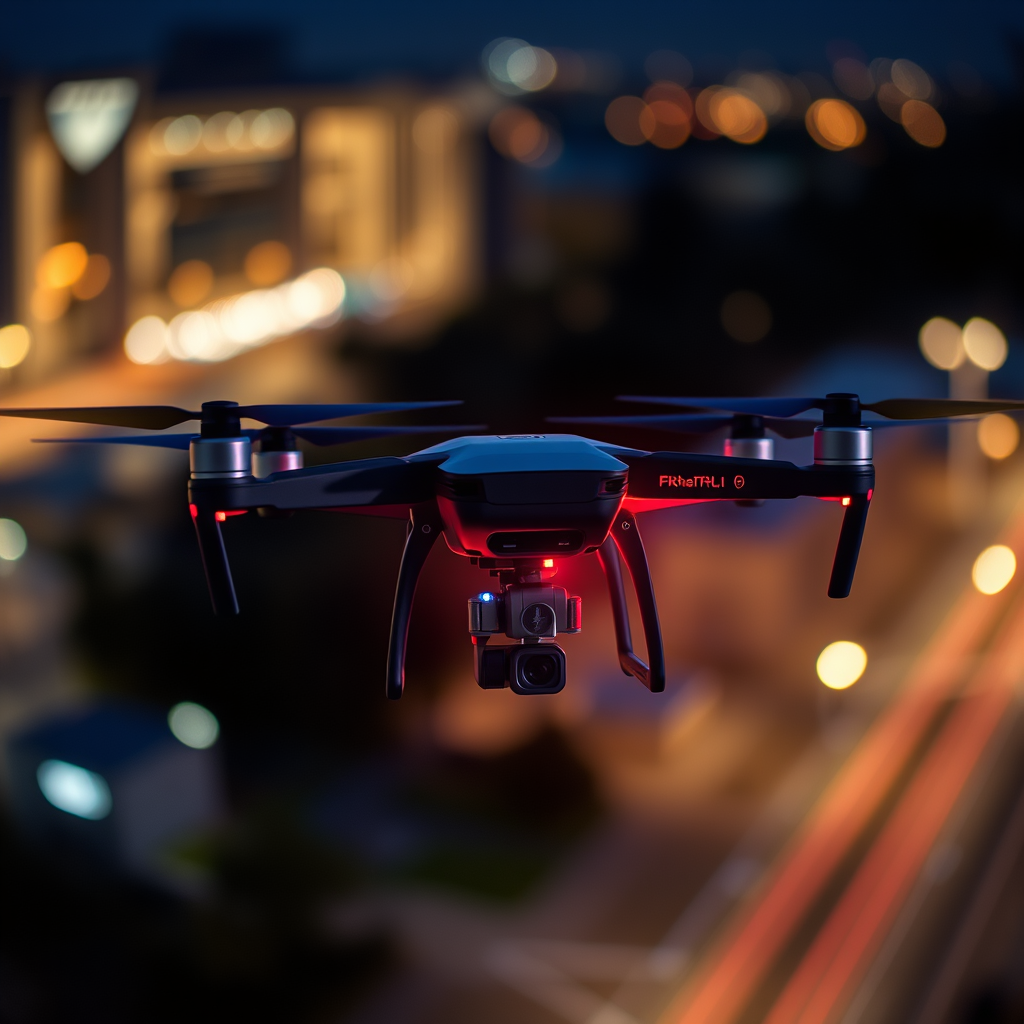
The Federal Aviation Administration (FAA) allows night flying under Part 107, which outlines the requirements for commercial drone operations. To legally operate a drone at night, pilots must first obtain a Remote Pilot Certificate, which requires passing a knowledge test that covers various aspects of safe drone operation. Additionally, the FAA mandates that pilots complete a night operations training to ensure they are adept at managing the unique challenges presented by low-light conditions.
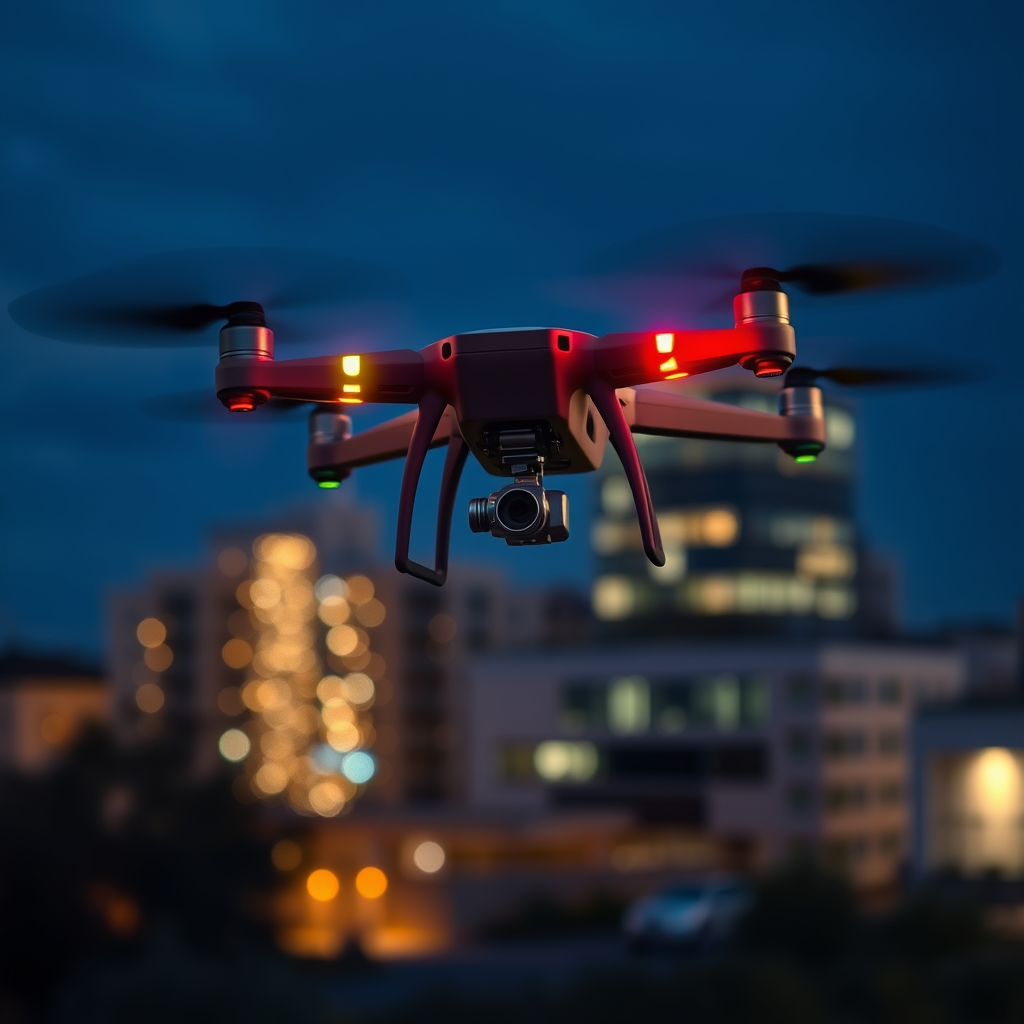
Part 107 regulations specifically state that pilots must understand and comply with airspace classifications, weather conditions, and emergency procedures, all of which are even more critical when flying at night. Familiarizing oneself with these regulations not only helps in legal compliance but also enhances overall operational safety.
Lighting Requirements for Night Flights
A crucial aspect of flying a drone at night is adherence to stringent lighting requirements. Drones must be equipped with anti-collision lights that are visible for at least three statute miles. This visibility is essential to ensure that other aircraft and individuals on the ground can see the drone, reducing the risk of accidents. The lights should be operational from sunset to sunrise, in line with the FAA’s requirements.
In addition to anti-collision lights, pilots are encouraged to use additional lighting, such as spotlights, to enhance visibility and assist in navigation. However, care should be taken to avoid blinding other pilots or onlookers. A good rule of thumb is to ensure that any additional lighting does not interfere with the drone’s primary lighting system.
Keeping Visual Line of Sight
Maintaining a visual line of sight (VLOS) with the drone is a fundamental requirement for all drone operations, and this rule is even more critical at night. Pilots must be able to see their drone at all times during flight to safely navigate and avoid obstacles. This can be particularly challenging in low-light conditions, where depth perception and visibility may be compromised.
Using a spotter can be an effective strategy to assist in maintaining VLOS during night operations. A spotter can help monitor the drone while the pilot focuses on controlling it, thus enhancing safety. Utilizing technology, such as drones equipped with advanced cameras or thermal imaging, can also aid pilots in keeping track of their drones in the dark.
Local and State Laws
While the FAA provides federal regulations for drone operation, it is essential to also consider local and state laws that may impose additional restrictions on flying at night. Many municipalities and states have their own laws regarding drone operation, which can vary significantly from one location to another.
For instance, some areas may prohibit night flying altogether or may require special permits for night operations, particularly near sensitive locations such as airports, hospitals, or densely populated urban areas. It is advisable to check local ordinances and regulations before planning a night flight to ensure compliance and avoid potential legal issues.
Best Practices for Night Flying
To ensure safe and successful night flying, pilots should adhere to several best practices. Conducting thorough pre-flight checks is paramount; this includes ensuring that all equipment is functioning correctly, batteries are fully charged, and that the drone’s lights are operational.
Pilots should also consider using appropriate safety gear, such as reflective vests, to increase their visibility to others. Additionally, flying in familiar areas can help minimize risks associated with navigating in the dark. If possible, practice flying in low-light conditions during twilight before attempting full night operations.
Having a detailed flight plan is also beneficial. This plan should include takeoff and landing locations, potential hazards, and a clear understanding of the surrounding airspace. Being prepared can significantly mitigate risks associated with night flying.
Insurance and Liability Considerations
Before flying a drone at night, it is crucial to review your insurance policy to understand coverage specifics regarding night operations. Standard drone insurance policies may have stipulations or exclusions for nighttime flying, and it is wise to clarify these details with your insurance provider.
Liability may increase due to the additional risks associated with night operations. In the event of an accident, liability can be a significant concern, particularly if it involves property damage or personal injury. Ensuring you have adequate coverage that encompasses night flying can provide peace of mind and financial protection.
Resources for Night Flying
The FAA’s website is an invaluable resource for drone pilots looking for guidelines and resources for safe night flying. It provides comprehensive information on regulations, training resources, and safety tips. Additionally, various online forums and local drone flying groups can offer practical advice and shared experiences from fellow pilots who have successfully navigated nighttime operations.
These communities can be excellent platforms for learning about best practices, as well as for connecting with experienced pilots who can offer mentorship or advice. Engaging with these resources can help enhance your skills and knowledge, making night flying safer and more enjoyable.
In conclusion, flying a drone at night is legal with the proper certification and adherence to regulations. It requires understanding FAA rules, maintaining visual line of sight, and complying with local laws. By following best practices and ensuring you have the right insurance coverage, you can enhance safety and enjoy the unique experience of night flying. For more detailed information, consider exploring FAA resources or engaging with the drone community to stay informed and connected.
Frequently Asked Questions
Can you legally fly a drone at night in the United States?
Yes, you can legally fly a drone at night in the United States, but there are specific regulations set by the Federal Aviation Administration (FAA) that you must follow. Pilots must have a Part 107 certification and ensure that their drone is equipped with proper lighting that allows them to maintain visual line of sight. Additionally, you should check local laws and regulations, as some states or municipalities may have their own restrictions regarding nighttime drone operations.
What equipment do I need to fly a drone at night?
To fly a drone legally at night, you need to equip your drone with anti-collision lights that are visible for at least three statute miles. These lights must be able to illuminate the drone and help other aircraft see it in the dark. Additionally, having a reliable remote control and a good understanding of your drone’s capabilities in low-light conditions is essential for safe night flying.
Why is it important to follow FAA regulations for nighttime drone flying?
Following FAA regulations for nighttime drone flying is crucial because it ensures the safety of both the drone operator and others in the airspace. Compliance helps prevent collisions with other aircraft and minimizes the risk of accidents caused by reduced visibility. Moreover, adhering to these regulations protects your ability to fly legally, as violations can lead to fines or revocation of your pilot certification.
How can I prepare for a night drone flight?
To prepare for a night drone flight, start by conducting a thorough pre-flight checklist that includes checking your drone’s battery, ensuring that all lights are functional, and familiarizing yourself with the area where you will be flying. Practicing flying during the day in similar conditions can help you build confidence and skill for nighttime operations. Additionally, consider bringing extra batteries and a flashlight for emergencies.
What are some best practices for flying a drone at night?
Some best practices for flying a drone at night include flying in familiar areas, using a spotter to assist with visual line of sight, and avoiding complex environments with obstacles. Always ensure your drone is equipped with adequate lighting and maintain a safe altitude to avoid unexpected hazards. It’s also advisable to keep flights short and monitor battery levels closely, as night flying can be more demanding on your equipment.
References
- https://www.faa.gov/uas/getting_started/part_107
- https://www.faa.gov/uas/getting_started/part_107/operations
- https://www.nasa.gov/centers/armstrong/news/FactSheets/FS-112-DFRC.html
- https://www.ncbi.nlm.nih.gov/pmc/articles/PMC6974927/
- https://www.wired.com/story/faa-night-drone-rules/
- https://www.theguardian.com/us-news/2021/jul/29/drone-night-flying-regulations
- https://www.nas.edu/press/2021/11/understanding-the-legal-and-ethical-aspects-of-drone-use
- https://www.techrepublic.com/article/how-to-fly-drones-legally-at-night/
