

FPV drones can hover, but the answer needs context. While many pilots associate first-person view flying with high-speed racing, freestyle tricks, and aggressive control inputs, hover performance is a real and useful part of FPV drone capability. A well-tuned FPV quadcopter can stay relatively steady in the air, maintain altitude for short periods, and support controlled movements for filming, inspection work, and precision flight. The key point is that hovering in an FPV drone is usually not the same as the rock-solid stationary hover people expect from a camera drone such as a DJI Mavic.
📋 About This Article
Yes—FPV drones can hover, but how steady they feel depends on the setup and the pilot’s control. This article is for FPV newcomers and experienced flyers who want to understand what “hovering” really means in first-person flight and whether it can work for filming or careful, low-speed maneuvers. You’ll learn the difference between a true stationary hover and a “soft” hover, what factors like sensors, tuning, and settings affect stability, and how to judge hover performance in real-world conditions.
Whether an FPV drone hovers smoothly depends on its flight controller, onboard sensors, firmware settings, motor tuning, propeller efficiency, and the pilot’s skill. Some FPV drones can achieve a very stable hover, especially when equipped with GPS, altitude assistance, or cinematic tuning. Others are better described as capable of a soft hover, where the aircraft remains airborne in roughly the same area but still experiences slight drift caused by wind, throttle variation, and manual correction.
What Hovering Means in an FPV Drone
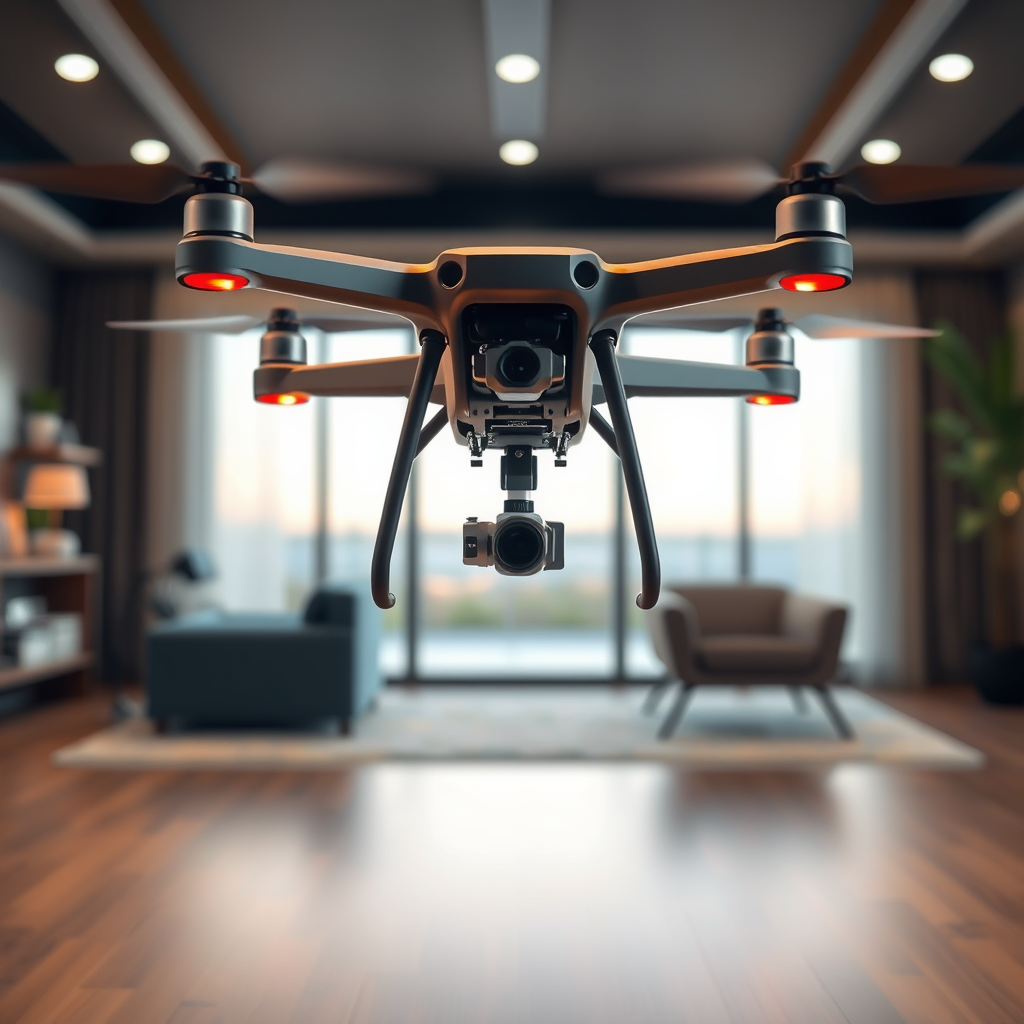
In practical terms, hovering means the drone can hold a near-fixed position in the air while keeping its attitude and altitude under control. For FPV aircraft, this usually involves balancing thrust across all motors while the flight system continuously corrects roll, pitch, and yaw. If the drone is properly configured, it can remain stable enough for smooth footage, accurate turns, gate alignment, or slow cinematic passes.
However, FPV hover behavior exists on a spectrum. A racing drone in Acro mode may hover, but it requires constant pilot input and will not naturally lock itself in place. A cinewhoop or long-range FPV drone with stabilized flight modes may hover much more easily. This distinction matters because not all FPV platforms are built for the same flight experience.
How FPV Drones Stay Stable in the Air
The ability to hover comes from a combination of hardware and software working together in real time. At the center of the system is the flight controller, which interprets sensor data and sends rapid commands to the motors. This process happens many times per second, allowing the aircraft to react almost instantly to movement and external disturbances.
IMU Sensors and Flight Awareness
Most FPV drones rely on an inertial measurement unit, or IMU. This unit typically combines gyroscopes and accelerometers to monitor the drone’s orientation and motion. The gyroscope tracks rotational movement across roll, pitch, and yaw axes, while the accelerometer detects changes in linear acceleration.
When the drone tilts unexpectedly or starts drifting off angle, these sensors detect the change immediately. That data is sent to the flight controller, which calculates how much each motor must increase or decrease thrust to restore balance. Without this constant correction loop, stable hovering would be nearly impossible.
Motor Output and Throttle Control
Hovering also depends on precise motor response. Brushless motors on an FPV quadcopter must react quickly to micro-adjustments from the flight controller. Electronic speed controllers, often called ESCs, translate those commands into power changes. If the throttle curve, ESC response, or PID tune is off, the drone may bob up and down, drift, or feel unstable during hover.
A clean hover requires enough thrust to maintain lift without overreacting. That is why motor-propeller matching, battery voltage stability, and firmware tuning all play a role in how controlled the aircraft feels while stationary in the air.
Stabilization Algorithms and PID Tuning
Modern FPV drones use stabilization algorithms to reduce unwanted movement. These systems help the aircraft recover from wind gusts, air turbulence, and abrupt pilot inputs. A major part of this behavior comes from PID tuning, which controls how aggressively the drone corrects errors in orientation and motion.
If the PID values are too low, the quadcopter may feel loose and imprecise. If they are too high, it may oscillate or twitch during hover. A balanced tune allows the drone to resist disturbances while staying smooth and predictable, which is especially important for cinematic FPV flying.
Can All FPV Drones Hover Equally Well?
No. Different FPV drone types have very different hover characteristics. Design purpose has a major impact on stability, drift resistance, and ease of control.
Racing FPV Drones
Racing quads are built for speed, agility, and fast directional changes. They are typically lightweight, powerful, and optimized for aggressive maneuvering rather than hover efficiency. These drones can hover, but doing so often requires more active correction from the pilot, especially in manual or Acro mode.
Freestyle FPV Drones
Freestyle drones also prioritize responsiveness, but they can often hover more comfortably than dedicated racing builds. With a good tune and balanced throttle management, a freestyle quad can maintain a stable hold for setup shots, slow reveals, and controlled transitions between tricks.
Cinematic FPV Drones and Cinewhoops
Cinewhoops and cinematic FPV platforms are generally the best FPV drones for hovering. They are usually configured for smoother control, gentler response, and more stable video capture. Many pilots use them indoors, around people, or in tight spaces where precise hover performance is valuable.
GPS-Enabled Long-Range FPV Drones
Some long-range FPV drones include GPS modules, barometers, and assisted flight features. These additions can improve hover consistency by helping the drone maintain position relative to a fixed geographic point. In light wind, a GPS-assisted FPV drone can feel much closer to a camera drone in hover behavior, although it still depends on setup quality and environmental conditions.
Flight Modes That Affect Hover Performance
One of the biggest factors in FPV hovering is the selected flight mode. The same drone can feel completely different depending on how stabilization is configured.
Acro Mode
Acro mode is the standard for experienced FPV pilots. In this mode, the drone does not self-level, which means the pilot is fully responsible for maintaining attitude and position. Hovering in Acro mode is absolutely possible, but it demands constant stick control and fine throttle discipline.
Angle Mode
Angle mode adds self-leveling assistance. When the pilot releases the sticks, the drone attempts to return to a level orientation. This makes hovering much easier, especially for beginners, because the aircraft naturally resists excessive tilt.
Horizon Mode
Horizon mode blends self-leveling with the ability to perform more dynamic moves. It can be a useful middle ground for pilots who want some hover stability without giving up all maneuverability.
GPS Hold or Position Hold
On FPV drones equipped with compatible hardware and firmware, GPS-based position hold can significantly improve hovering. In this mode, the drone uses satellite data to resist lateral drift and remain closer to a fixed location. It is not available on every FPV build, but when implemented well, it adds another layer of stability.
Why FPV Drones Drift During Hover
Even when an FPV drone is technically capable of hovering, it may not remain perfectly still. Drift is normal, and several factors contribute to it.
Wind and Air Movement
Small quadcopters are highly sensitive to wind. Outdoor hover performance can change dramatically with even minor gusts. Indoors, prop wash near walls or ceilings can also create instability.
Throttle Sensitivity
FPV drones often have a very responsive throttle range. Small stick movements can cause altitude changes, especially on high-power setups. This is one reason beginners struggle to maintain a steady hover at first.
Weight Distribution and Build Quality
An imbalanced frame, bent propeller, loose motor, or poorly mounted flight controller can reduce hover stability. Clean construction and proper maintenance make a noticeable difference.
Firmware and Tuning Issues
If the flight controller settings are not dialed in, the drone may oscillate, wobble, or feel floaty. Proper Betaflight or INAV tuning is essential for reliable hover behavior.
Is Hovering Useful in FPV Flying?
Yes, hovering has several practical uses in FPV flight beyond simply staying in one place. It is valuable for both new pilots and professionals.
- Capturing stable aerial footage: Hovering helps set up cinematic shots and smooth framing.
- Precision navigation: Pilots can pause before entering narrow gaps or technical routes.
- Indoor flying: Controlled hover is important in confined spaces and around obstacles.
- Inspection tasks: A steady aircraft is useful when examining roofs, structures, or equipment.
- Training and skill development: Learning to hover improves throttle control, stick precision, and flight confidence.
How to Improve Hover Stability on an FPV Drone
If your FPV drone feels unstable while hovering, several adjustments can improve performance.
Use a Stabilized Flight Mode
For learning or for precision work, Angle mode or a GPS-assisted mode can make hovering far easier than Acro mode.
Check Your Tune
Review PID settings, filter configuration, and rates. A well-tuned quad responds more cleanly and resists unwanted oscillation.
Balance Propellers and Inspect Hardware
Damaged propellers, motor vibration, or frame issues can create instability. Regular maintenance supports smoother hover control.
Practice Throttle Management
Many hover problems are simply pilot input issues. FPV flying rewards small, deliberate stick movements. Practicing low-altitude hovering in a safe environment can quickly improve control.
Fly in Calm Conditions
When evaluating hover capability, test the drone on a calm day or indoors with enough open space. This helps separate environmental effects from setup-related problems.
FPV Drone Hover vs Camera Drone Hover
It is important to compare categories fairly. A traditional camera drone is designed to hover with minimal input, often using GPS, vision sensors, altitude hold, and sophisticated flight assistance. FPV drones, by contrast, are usually designed for responsiveness, speed, and manual control.
That means an FPV drone can hover, but it usually requires more pilot involvement unless it has additional stabilization features. For cinematic creators, this is not necessarily a disadvantage. Many professionals choose FPV specifically because it offers a more dynamic flight style while still allowing enough stability for controlled shots.
So, can FPV drones hover? Absolutely. They can maintain altitude, stay reasonably fixed in the air, and support stable flight for filming or precision maneuvering. The real difference lies in how they hover. Some FPV drones rely heavily on pilot skill, while others use self-leveling systems, GPS assistance, and refined tuning to deliver a steadier result. Understanding the aircraft type, sensor package, and flight mode will give you a much clearer idea of what to expect from hover performance in the real world.
Frequently Asked Questions
Can FPV drones actually hover in one place?
Yes, FPV drones can hover, but how well they hold position depends heavily on the type of drone and its onboard features. A typical freestyle or racing FPV drone can hover by balancing throttle and stick input, but it usually requires constant manual correction from the pilot. Unlike camera drones such as DJI models that use GPS, barometers, and vision sensors to stay nearly motionless, many FPV drones are designed for speed, agility, and direct control rather than hands-free stability. That means they can remain in the air at a fixed point, but they usually drift slightly and demand active input to maintain the hover.
Why is hovering harder with an FPV drone than with a regular camera drone?
Hovering is harder with an FPV drone because most FPV setups prioritize responsiveness and manual flight performance over automated stabilization. Regular camera drones are built to assist the pilot using GPS positioning, altitude hold, obstacle sensing, and intelligent flight modes. In contrast, many FPV drones use Acro mode or similar manual settings, where the pilot controls pitch, roll, yaw, and throttle directly. Since there is little or no automatic correction, even small stick movements, wind gusts, or throttle changes can cause drift. As a result, hovering an FPV drone smoothly takes more practice and better throttle management than hovering a consumer photography drone.
Do all FPV drones have altitude hold or position hold for hovering?
No, not all FPV drones include altitude hold or position hold. Many traditional FPV racing and freestyle drones do not have these features at all, because pilots often prefer the direct feel and lighter weight of a manual setup. However, some modern FPV drones—especially beginner-friendly or cinematic models—may include stabilization aids such as angle mode, GPS rescue, altitude assistance, or limited position hold. These features can make hovering easier, but they are still not universal in the FPV world. If stable hovering is important to you, it is essential to check the drone’s flight controller features, GPS support, and available flight modes before buying.
What affects how stable an FPV drone is while hovering?
Several factors influence hover stability in an FPV drone, including drone size, propeller setup, tuning, flight mode, weather conditions, and pilot skill. Larger or heavier drones may feel more planted in the air, while smaller whoops or ultralight builds can be more sensitive to throttle and wind. Proper PID tuning and a well-balanced build also improve stability by helping the drone react predictably. Flight modes matter too: angle or horizon mode is typically easier for hovering than full acro mode. External conditions like wind and battery voltage sag can further affect how steady the drone feels. In the end, a stable hover comes from a combination of equipment, setup, and consistent pilot control.
Is hovering an FPV drone useful, or are they mainly meant for fast flying?
Hovering can absolutely be useful with an FPV drone, even though these drones are best known for fast, immersive flying. Pilots may need to hover briefly when lining up a cinematic shot, inspecting an area, navigating tight spaces, or preparing for a precise maneuver. That said, FPV drones are generally optimized for dynamic movement rather than long, stationary flight. Their controls, power delivery, and design are better suited to flowing through the air than staying locked in one spot. So while hovering is possible and often practical in short moments, it is usually not the main strength of a traditional FPV drone.
