
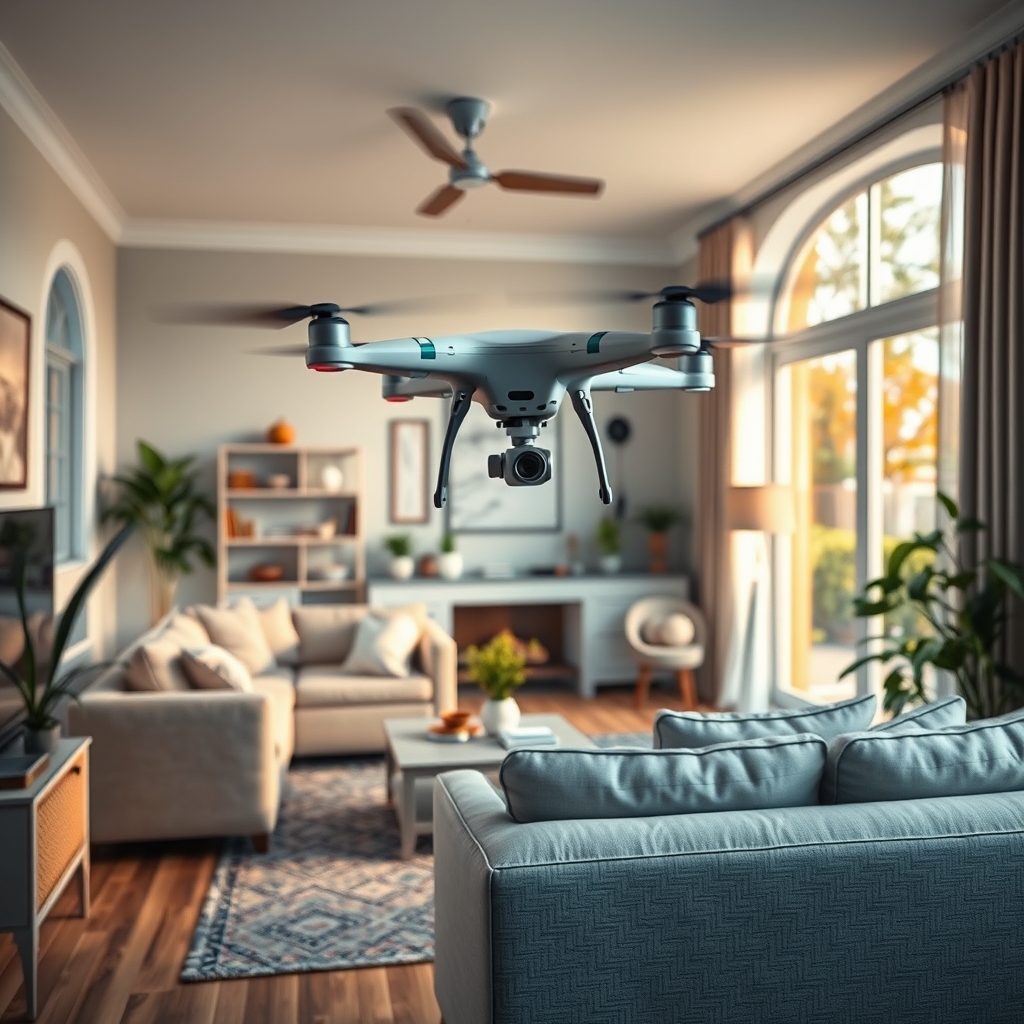
Yes, you can fly a drone above your house, but there are important regulations and safety considerations to keep in mind. Understanding local laws, potential privacy issues, and safety guidelines is essential before taking your drone into the skies. The burgeoning use of drones for recreational and commercial purposes has prompted a need for clarity regarding where and how these aircraft can be operated. This guide will provide a comprehensive overview of what you need to know before flying a drone above your property.
Understanding Drone Regulations
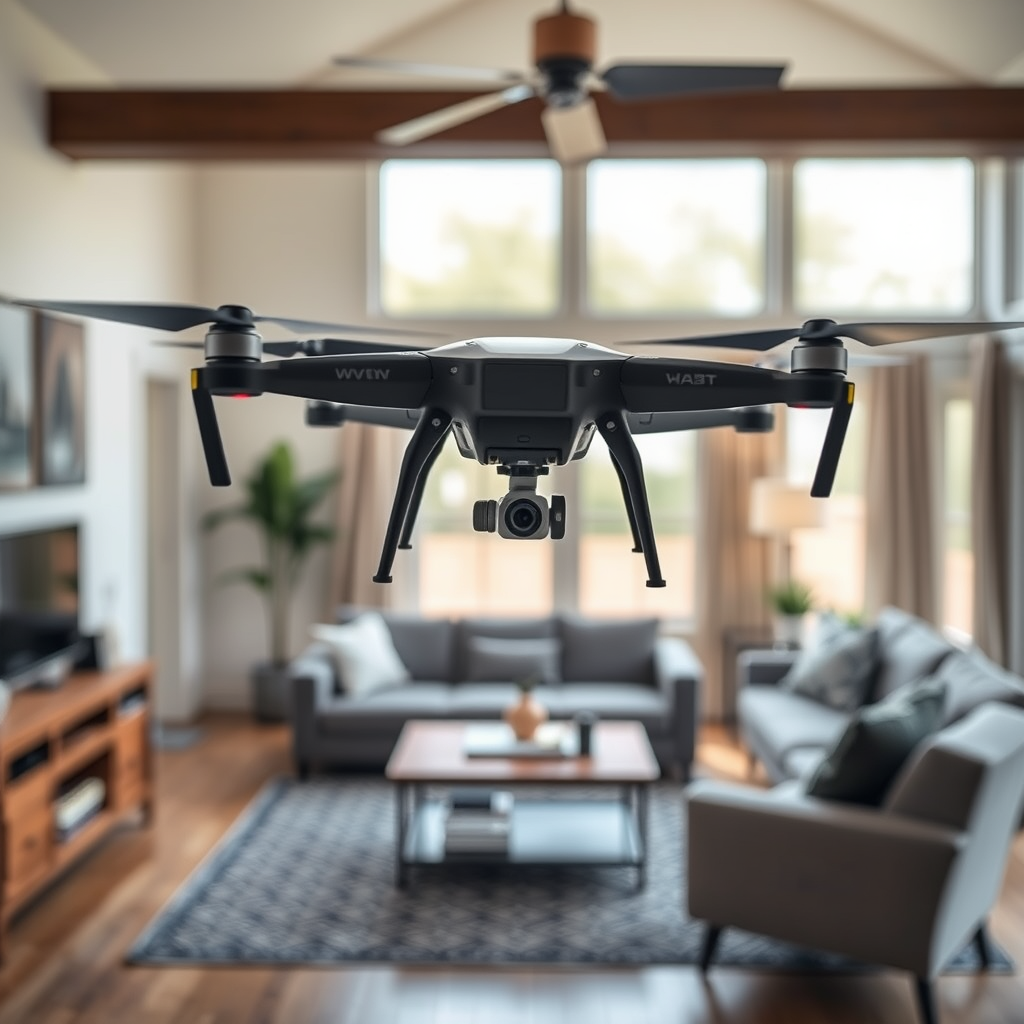
The first step in determining whether you can fly a drone above your house is familiarizing yourself with the regulations that govern drone usage in your area. Local laws vary widely; therefore, it is crucial to check both national and regional regulations. In the United States, the Federal Aviation Administration (FAA) has established specific guidelines for recreational and commercial drone use. For instance, recreational drone pilots must adhere to the FAA’s Part 107 regulations, which require that drones be flown below 400 feet, remain within visual line-of-sight, and avoid flying over people who are not involved in the operation.
In addition to FAA regulations, some states and municipalities have enacted their own laws that may affect drone use. For example, certain cities might restrict drone flights in public parks or near airports. Before flying, it is prudent to consult local ordinances and check with your municipality to ensure compliance. This will not only help you avoid fines but also contribute to the responsible use of drones within your community.
Safety Considerations
Safety is paramount when flying a drone, particularly if you are operating it above your house. Maintaining a safe distance from people and property is essential to avoid accidents. The FAA recommends that drone operators keep their aircraft at least 25 feet away from people and structures during flight. This rule is particularly important if you are flying in a residential area where children or pets may be present.
Additionally, always keep your drone in visual line-of-sight during flight. This means that you should be able to see your drone without the aid of binoculars or other visual enhancement tools. By maintaining eye contact with your drone, you can better anticipate potential hazards, such as trees, power lines, or other aircraft. Investing in a reliable drone with advanced features such as obstacle avoidance can also enhance safety during flights.
Privacy Concerns
Flying a drone above your house raises significant privacy considerations, particularly concerning aerial surveillance of neighbors. It is essential to be aware of privacy laws that govern the use of drones for photography or videography. In many jurisdictions, capturing images or videos of individuals without their consent can lead to legal repercussions. Therefore, it is advisable to avoid flying your drone over neighboring properties or capturing footage of individuals without permission.
Respecting the privacy of individuals and properties when flying is not only a legal obligation but also a matter of ethics. If you plan to use your drone for purposes such as real estate photography or inspections, it is best practice to inform affected neighbors and obtain their consent beforehand. This proactive approach can help foster goodwill and reduce the likelihood of complaints.
Best Practices for Flying Drones
To ensure a successful and safe flying experience, you should adopt best practices for drone operation. Choose the right time to fly by avoiding busy hours, such as weekends or public holidays, when more people may be outdoors. Additionally, it is wise to steer clear of inclement weather conditions, as strong winds or rain can affect the drone’s stability and control.
Conducting a pre-flight check is another essential step before launching your drone. Ensure that the battery is fully charged, the propellers are secure, and the firmware is up to date. Familiarize yourself with your drone’s controls and features through practice flights in open areas, which will help you gain confidence and improve your piloting skills. Using a flight log can also be beneficial, allowing you to track your flying habits and adhere to safety protocols.
Insurance and Liability
Considering the potential risks associated with drone operation, obtaining drone insurance is a prudent step to protect yourself against potential damages or accidents. Various insurance options are available, ranging from liability coverage to comprehensive policies that cover physical damage to your drone and third-party injuries. Such insurance can provide peace of mind and financial protection in the unfortunate event of an incident.
Understanding your liability in case of an accident is equally important. If your drone were to cause property damage or injure someone, you could be held accountable for the associated costs. Therefore, being informed about your responsibilities as a drone operator and taking precautionary measures can mitigate risks and protect your interests.
Local Community Guidelines
While national and local regulations are essential, local community guidelines may also influence your ability to fly a drone above your house. Some neighborhoods may have specific rules or restrictions on drone usage, often dictated by homeowners’ associations (HOAs) or community boards. These guidelines may address issues such as flight hours, designated flying locations, and noise levels.
Engaging with your community to understand any unspoken norms regarding drone flying is advisable. This may include attending community meetings or reaching out to your HOA to gather information about drone policies in your area. By being aware of and adhering to these guidelines, you can ensure that your drone flying experience is harmonious with your neighbors.
In conclusion, flying a drone above your house is permissible, but it is crucial to adhere to regulations, prioritize safety, and respect the privacy of your neighbors. Understanding local laws, maintaining a safe distance from people and property, and being mindful of privacy concerns are vital components of responsible drone operation. By following best practices and engaging with your community, you can ensure a positive experience while enjoying the exciting capabilities of drone technology. Always do thorough research before flying to maximize safety and compliance, ensuring that you can operate your drone with confidence.
Frequently Asked Questions
Can I fly a drone above my house without any restrictions?
Yes, you can generally fly a drone above your house as long as you adhere to local regulations and the laws established by the Federal Aviation Administration (FAA) in the U.S. It’s important to maintain a safe distance from people and property, fly below 400 feet, and keep your drone within visual line of sight. Always check for any local ordinances or homeowner association rules that may impose additional restrictions.
What are the legal requirements for flying a drone above my property?
To legally fly a drone above your property, you need to register your drone with the FAA if it weighs more than 0.55 pounds. Additionally, you must comply with the FAA’s guidelines, which include flying during daylight hours, avoiding restricted airspace, and not flying over people or moving vehicles unless you have a specific waiver. It’s also wise to familiarize yourself with state and local regulations that may apply.
How can I ensure I’m not violating privacy laws while flying a drone above my house?
To avoid violating privacy laws when flying a drone above your house, be mindful of your surroundings and avoid capturing images or videos of private property without consent. Familiarize yourself with local privacy laws, which can differ by state or municipality. Respecting your neighbors’ privacy by not flying close to their homes or capturing their personal activities will help you stay compliant and maintain good relationships.
Why is it important to check for no-fly zones before flying my drone above my house?
Checking for no-fly zones before flying your drone above your house is crucial because these areas are designated for safety and security reasons. Flying in prohibited zones can result in hefty fines, legal consequences, and potential safety risks to yourself and others. Resources like the FAA’s B4UFLY app can help you identify restricted airspaces, ensuring that you fly safely and legally.
What is the best way to learn about drone regulations for flying above my house?
The best way to learn about drone regulations for flying above your house is to visit the FAA’s official website, which provides comprehensive information on national drone laws, safety guidelines, and registration requirements. Additionally, local aviation authorities and online drone communities are valuable resources for understanding specific state and local regulations. Taking a drone safety course can also enhance your knowledge and ensure responsible flying practices.
References
- https://www.faa.gov/uas/getting_started/register_drone
- https://www.faa.gov/uas/advanced_operations/part_107
- https://www.nasa.gov/feature/nasa-s-drone-research
- https://www.nytimes.com/2021/06/22/us/drone-flying-laws.html
- https://www.wired.com/story/drone-laws-2021/
- https://www.nap.edu/catalog/25184/drones-in-society
- https://www.ncbi.nlm.nih.gov/pmc/articles/PMC7315073/
- https://dronepilotgroundschool.com/drone-laws-in-the-united-states/
