

Yes, you can fly a drone in Whistler, but there are specific regulations and guidelines you must follow to ensure safety and compliance with local laws. Whistler, known for its stunning landscapes and outdoor activities, attracts many drone enthusiasts. However, understanding the local drone regulations and adhering to safety protocols is crucial to protect the environment and maintain public safety. In this article, we’ll explore the rules governing drone use in Whistler, the best flying locations, and tips for responsible flying, helping you enjoy an exceptional experience while respecting the community and nature.
Understanding Local Drone Regulations
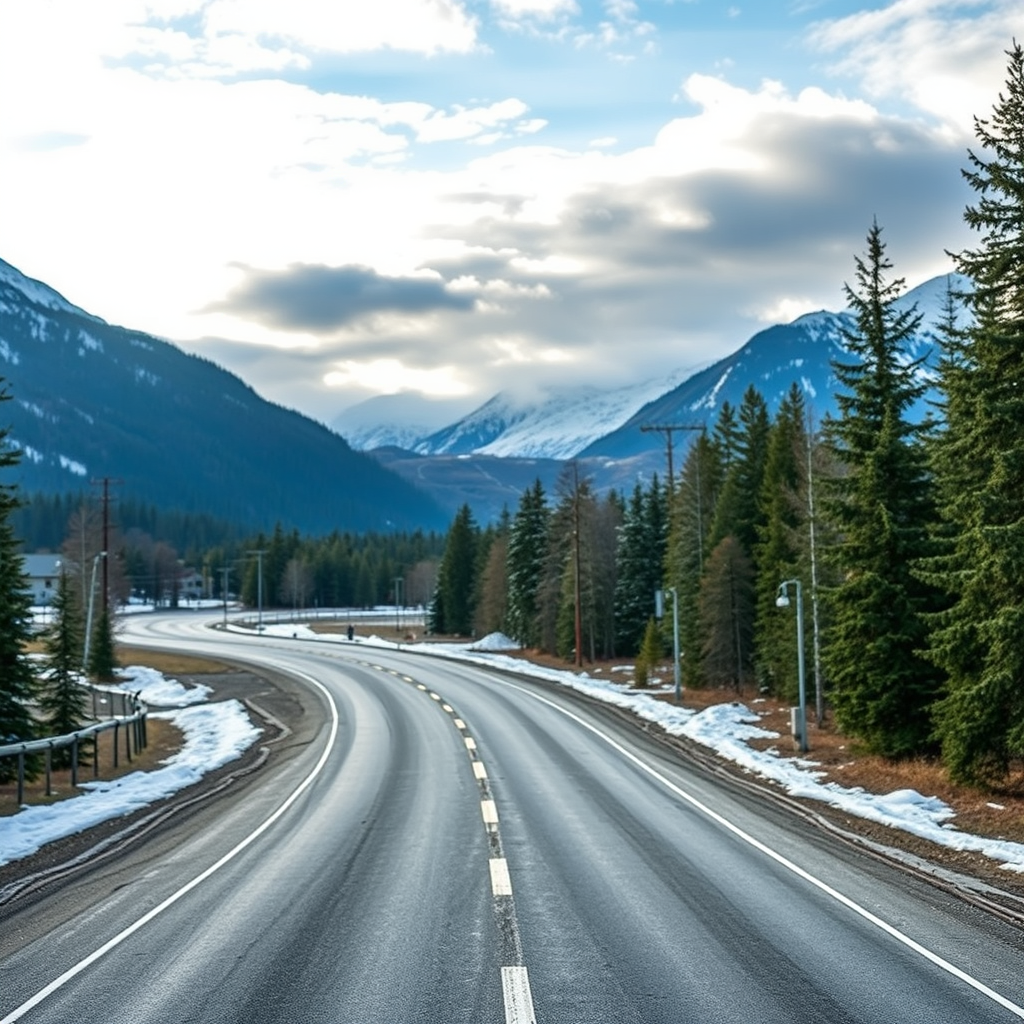
The use of drones in Canada is primarily regulated by Transport Canada, which has established comprehensive rules for both recreational and commercial drone operators. These regulations are designed to ensure safe flying practices and minimize risks associated with drone operations. In Whistler, there are additional bylaws and regulations that may affect where and how you can fly your drone.
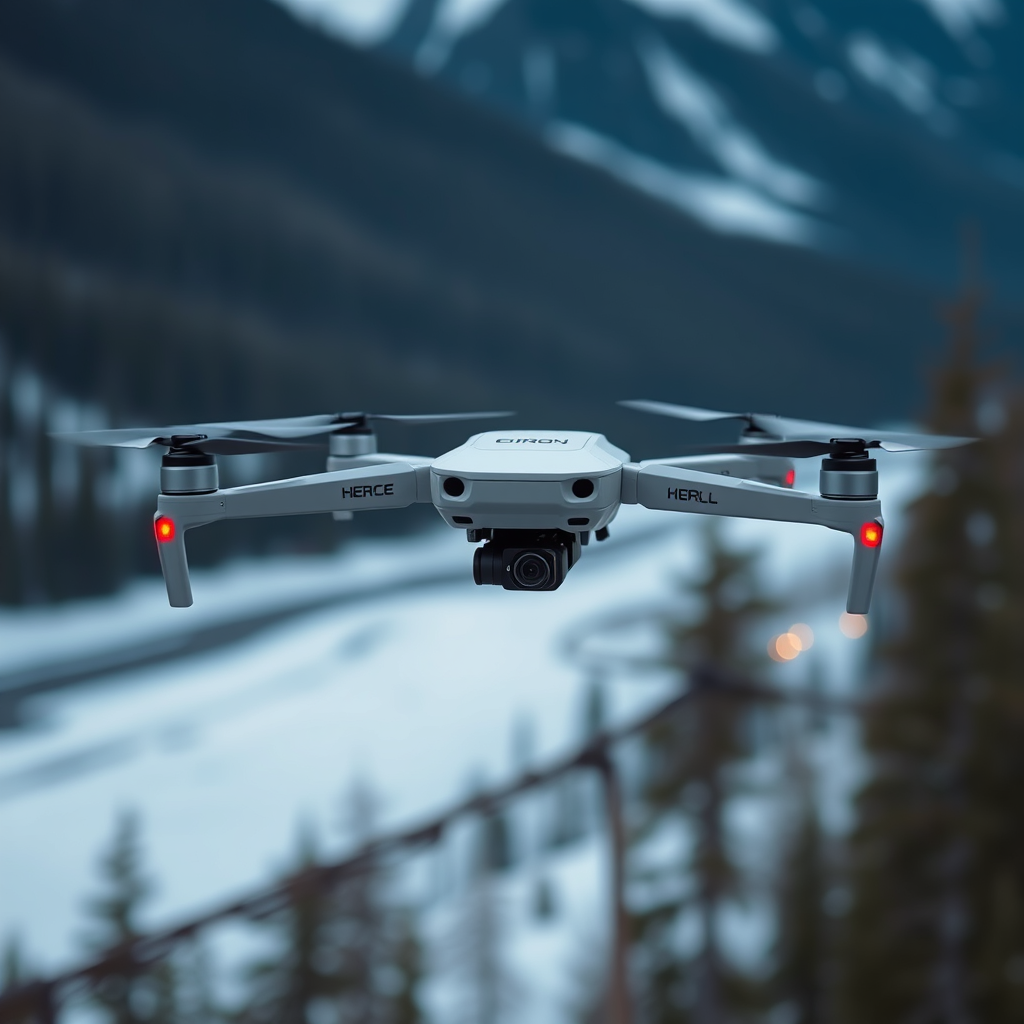
For instance, drone pilots must always respect the Canadian Aviation Regulations (CARs), which include maintaining a minimum distance from people, buildings, and vehicles. Furthermore, drone operators are required to fly at or below 122 meters (400 feet) above ground level. In Whistler, the local government has implemented specific bylaws that may restrict drone usage in certain areas, particularly in densely populated regions or near sensitive environmental zones. Therefore, it’s essential to familiarize yourself with both federal and local regulations before taking to the skies.
Designated Flying Areas in Whistler
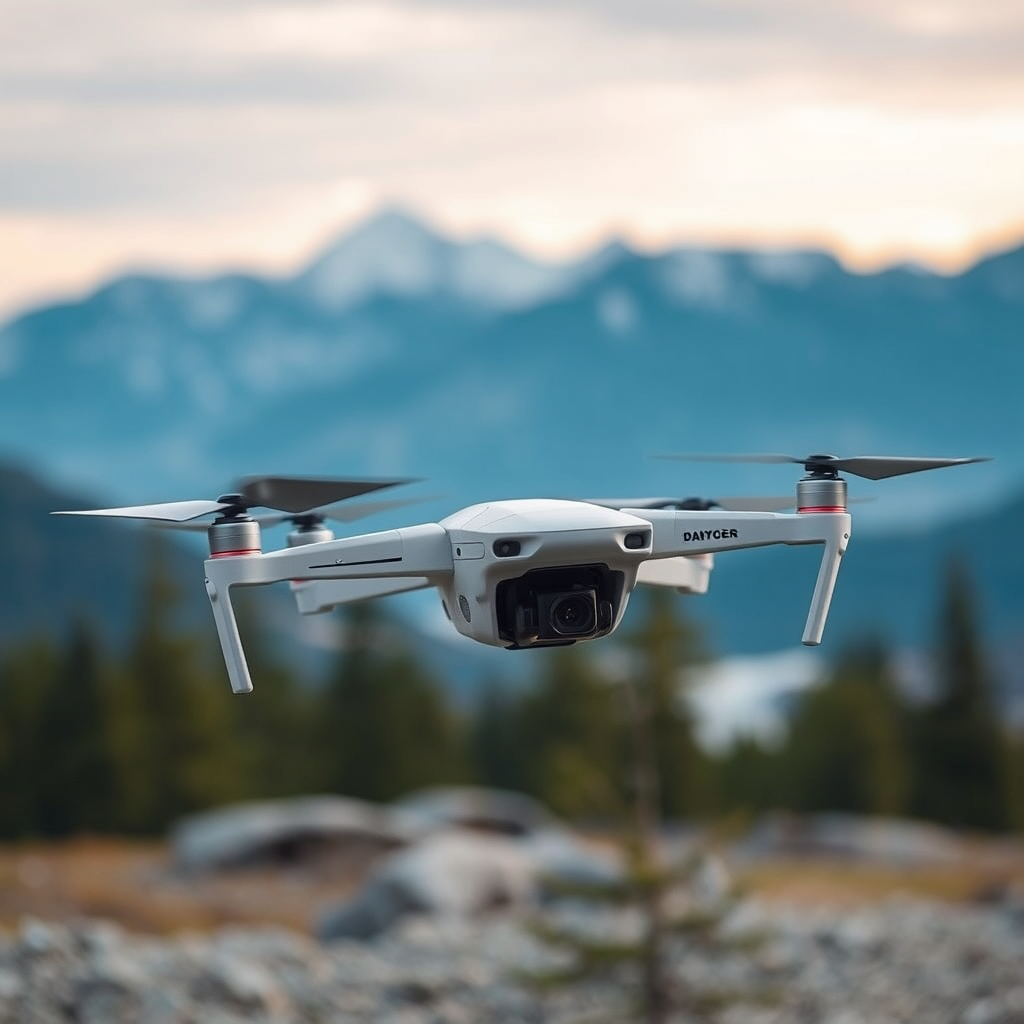
Whistler offers several scenic locations that are ideal for drone flying, making it an appealing destination for aerial photography and videography. Popular spots include the Whistler Village area and surrounding parks, such as Lost Lake Park and Rainbow Park. These locations provide stunning backdrops of mountains, lakes, and forests, perfect for capturing breathtaking footage. However, it is vital to verify any no-fly zones in these areas.
Certain locations, particularly near ski resorts, busy public spaces, and event venues, may have restrictions on drone use due to safety concerns and privacy issues. For example, flying near Whistler Blackcomb during peak ski season may be prohibited to ensure the safety of skiers and snowboarders. Always consult local maps and resources to identify designated flying areas and remain compliant with any restrictions.
Safety Considerations When Flying Drones
Safety is paramount when operating a drone, and there are several key considerations every pilot should keep in mind. First and foremost, maintaining a visual line of sight with your drone at all times is essential. This means you should always be able to see your drone without the aid of binoculars or other visual enhancement devices. It helps ensure you can react quickly to any potential hazards.
Additionally, drone pilots must avoid flying over people, vehicles, and structures to prevent accidents and injuries. For instance, if you plan to fly in a popular park, be mindful of other visitors and avoid crowded areas. Being aware of your surroundings and using common sense can help mitigate risks and ensure a safe flying experience.
Understanding the No-Fly Zones
One of the most critical aspects of flying a drone in Whistler involves understanding the no-fly zones in the area. Proximity to airports and heliports is a significant factor. For instance, drone operators must avoid flying within 5.6 kilometers (3.5 miles) of airports, including the nearby Whistler/Green Lake Water Aerodrome. This regulation is in place to prevent interference with manned aircraft operations.
Moreover, certain natural reserves and wildlife habitats may also have restrictions against drone usage to protect sensitive ecosystems and wildlife. Areas such as Garibaldi Provincial Park are often designated as no-fly zones to preserve the natural environment. It’s essential to conduct thorough research and remain informed about these restrictions to ensure compliance and protect the beauty of Whistler’s natural landscapes.
Tips for Responsible Drone Flying
To ensure a responsible drone flying experience, consider the following practical tips. First, always check local weather conditions before flying to ensure safety. Wind, rain, or snow can significantly affect drone performance and stability. Flying in adverse weather conditions can lead to accidents and damage to your equipment.
Additionally, respect the privacy of individuals by avoiding capturing images of people without their consent. This is not only a legal requirement but also a matter of ethical flying. Being considerate of others and their right to privacy fosters a positive relationship between drone pilots and the community.
Lastly, familiarize yourself with local drone user groups or online forums, where you can find community tips, support, and updates on regulations and best practices. Engaging with fellow enthusiasts can enhance your knowledge and promote responsible flying.
Registering Your Drone
If your drone weighs more than 250 grams (0.55 pounds), it is required by law to be registered with Transport Canada. This registration process is straightforward and involves completing the necessary forms and paying a nominal fee. Once registered, you will receive a registration number that must be displayed on your drone.
In addition to registration, drone operators must possess a pilot certificate based on their drone’s weight category. For example, if you are flying a drone weighing between 250 grams and 25 kilograms (55 pounds), you will need to obtain a Basic or Advanced Pilot Certificate, depending on your intended operations. This certification process ensures that pilots are knowledgeable about regulations and safe flying practices.
Resources for Drone Pilots in Whistler
For drone pilots looking to enhance their flying experience in Whistler, several resources are available. Local drone user groups or online forums provide a wealth of information, including tips, best practices, and updates on regulations. Engaging with these communities can help you stay informed about any changes in drone laws and connect with other enthusiasts.
Additionally, official websites, such as Transport Canada’s site, offer updates on regulations, guidelines, and safety tips for flying in Whistler. Utilizing these resources can ensure that you are well-prepared and knowledgeable about your responsibilities as a drone pilot.
Flying a drone in Whistler is an exciting opportunity to capture the region’s breathtaking landscapes, provided you adhere to local regulations and safety guidelines. By understanding the rules governing drone use, respecting no-fly zones, and committing to responsible flying practices, you can enjoy a fulfilling experience while minimizing risks to yourself and others. Always stay informed, choose appropriate flying locations, and maintain respect for the natural environment and community. Happy flying!
Frequently Asked Questions
What are the regulations for flying a drone in Whistler?
In Whistler, drone pilots must adhere to Canadian Aviation Regulations set by Transport Canada. This includes flying below 400 feet, maintaining a visual line of sight with the drone, and staying away from populated areas, emergency sites, and wildlife. Additionally, specific areas, such as Whistler Blackcomb ski resort, may have their own restrictions, so it’s essential to check local regulations and obtain any necessary permits before flying.
How do I obtain permission to fly a drone in Whistler?
To fly a drone in Whistler, you may need to apply for a Special Flight Operations Certificate (SFOC) if your drone use is for commercial purposes or if it exceeds certain weight limits. For recreational flyers, it’s crucial to follow the basic safety guidelines and check with local authorities, such as the municipality or parks, for any site-specific permissions. Utilizing the Drone Safety app can help you identify no-fly zones and get the latest updates on regulations.
Why is it important to check for no-fly zones before flying a drone in Whistler?
Checking for no-fly zones is vital to ensure the safety of both drone operators and the public. Whistler is home to sensitive wildlife areas, ski resorts, and emergency response zones where drone activity is restricted. Flying in these areas can result in hefty fines, the confiscation of your drone, or even criminal charges, so staying informed about local regulations helps you avoid legal issues and promotes responsible flying practices.
What are the best locations to fly a drone in Whistler?
The best locations for flying a drone in Whistler are generally open areas away from populated zones and wildlife habitats. Popular spots include the expansive landscapes around Whistler Village, the beautiful lakes like Alta Lake, and the scenic views from trails such as the Lost Lake Park trails. Always ensure that you are not infringing on private property or restricted areas, and consider the weather conditions for optimal flying experiences.
Which drone models are suitable for flying in Whistler’s mountainous terrain?
When flying in Whistler’s mountainous terrain, it’s best to choose drones that are equipped with strong GPS capabilities and stable flight control systems. Models like the DJI Mavic Air 2 or the DJI Phantom 4 Pro are highly recommended due to their excellent stabilization, long battery life, and high-quality cameras, which are ideal for capturing the stunning landscapes. Additionally, ensure your drone can handle windy conditions, which are common in mountainous areas.
References
- https://www.whistler.ca/municipal-hall/whistler-community-standards/drone-regulations
- https://www.tc.gc.ca/en/services/aviation/drone-safety.html
- https://www.cbc.ca/news/canada/british-columbia/drone-regulations-1.5637852
- https://www2.gov.bc.ca/gov/content/safety/emergency-management/responding/airspace-regulations
- https://www.canada.ca/en/transport-canada/services/aviation/drone-safety.html
