
Yes, you can fly your 249g drone in many places, but there are specific regulations and restrictions you must follow. Understanding these rules will help you enjoy flying your drone safely and legally. Drones weighing under 250 grams (or 0.55 pounds) are generally classified as lightweight, which often exempts them from some stringent regulations imposed on larger drones. However, this does not mean you can fly them indiscriminately; local laws, airspace restrictions, and safety considerations are vital to ensuring a responsible flying experience.
Understanding Drone Weight Regulations
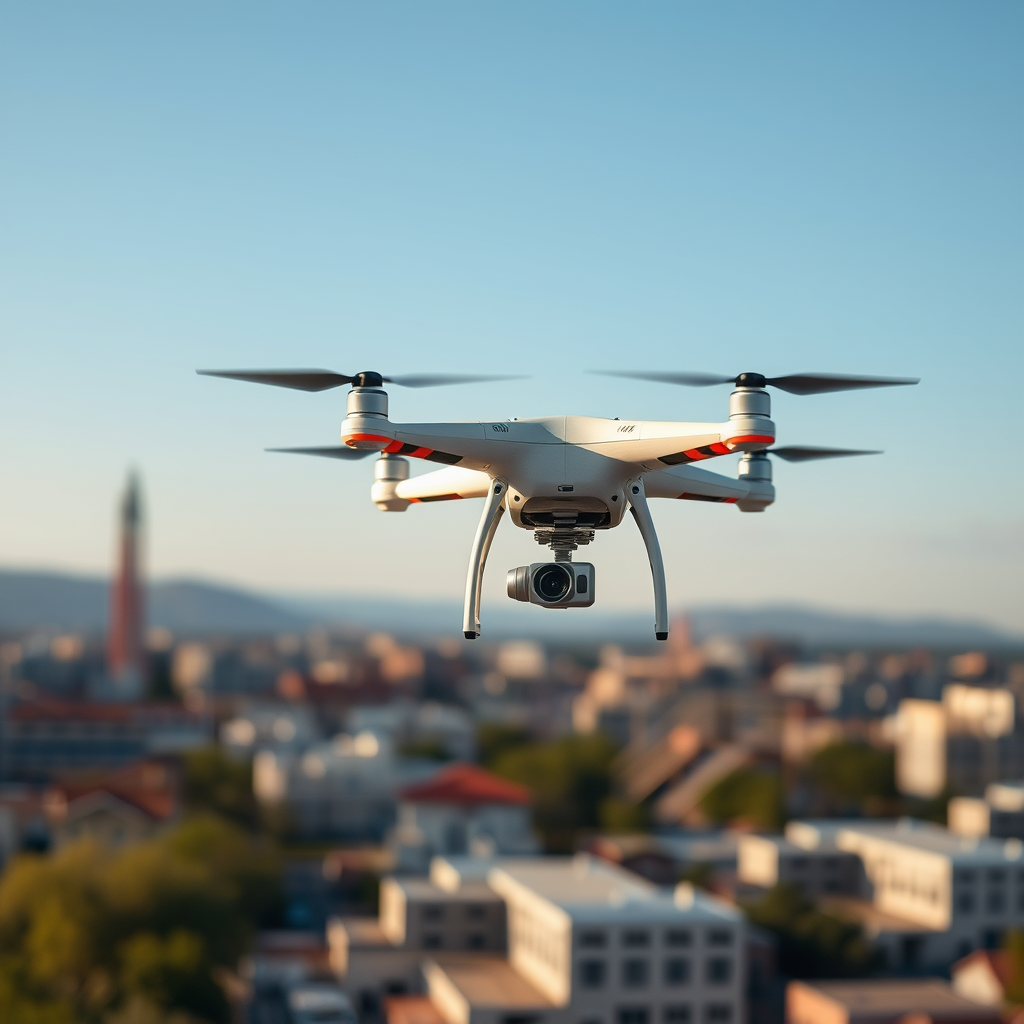
Drones weighing less than 250 grams are often exempt from many of the regulations that govern larger drone operations. For instance, in the United States, the Federal Aviation Administration (FAA) has established that drones under this weight category do not require FAA registration, making them more accessible for hobbyists and casual flyers. However, this exemption can be misleading. While federal regulations may be more lenient, many states and local jurisdictions have their own rules that may impose restrictions regardless of the drone’s weight. For example, some cities may have specific no-fly zones where drone operations are prohibited entirely, irrespective of the drone’s weight.
It’s vital to always research and understand local drone laws before flying, as non-compliance can lead to fines or penalties. Furthermore, even when flying a lightweight drone, pilots must adhere to the basic safety guidelines and operational protocols established by aviation authorities to ensure safe flight.
Areas Where You Can Fly
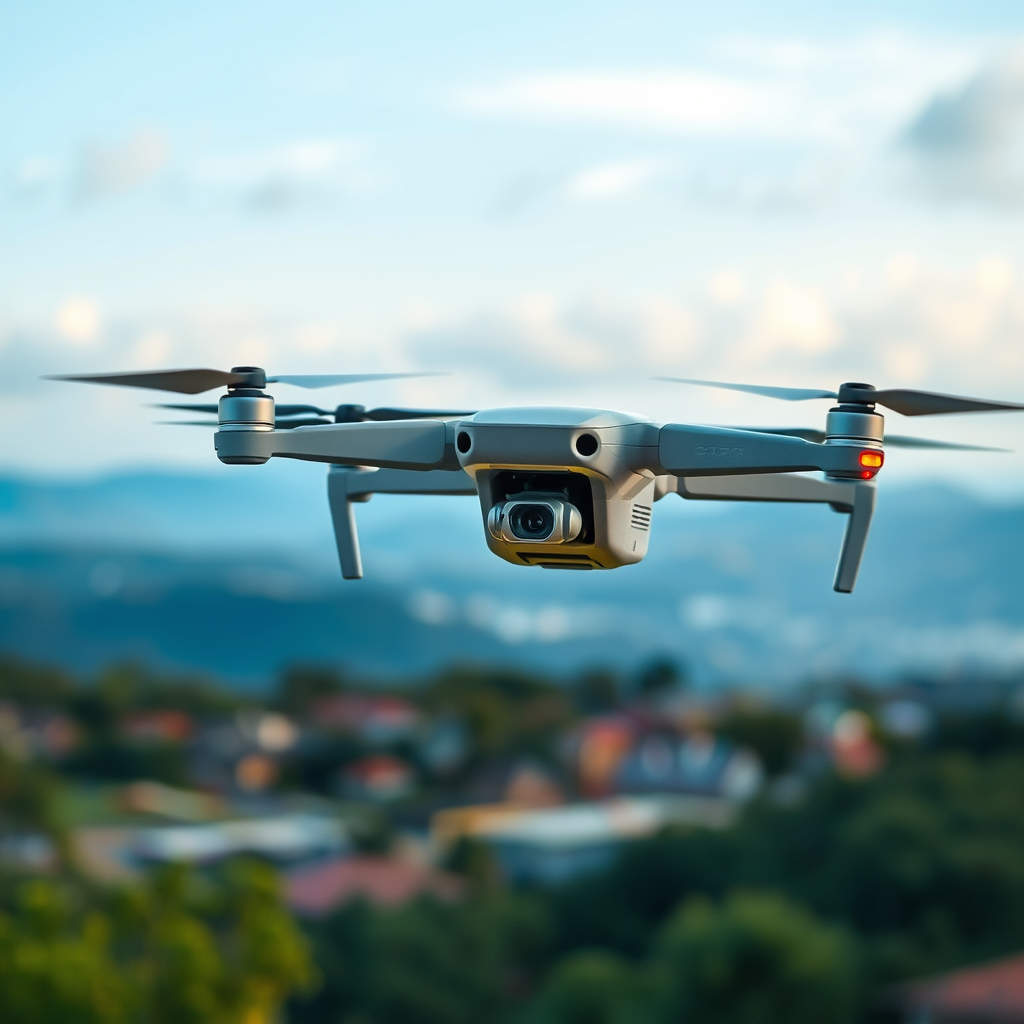
In general, open spaces like parks, fields, and rural areas are typically the best places for flying your 249g drone. These environments offer ample room for maneuverability and are less likely to pose risks to people or property. Many parks have designated areas for drone flying, but it’s essential to check beforehand to ensure that such areas exist and are compliant with local regulations.
Conversely, certain areas are off-limits for drone operation. For instance, flying near airports is heavily regulated due to the potential risks to manned aircraft. The FAA mandates that drones must not be flown within a five-mile radius of an airport without prior notification and, in some cases, approval from air traffic control. Similarly, military bases and urban areas often have strict restrictions due to safety, security, and privacy concerns. Always be aware of signs or local postings indicating restricted airspace, and utilize resources like the FAA’s B4UFLY app, which provides real-time information about drone flying restrictions based on your location.
National vs. Local Laws
The Federal Aviation Administration (FAA) provides general guidelines for drone operation in the U.S., but local municipalities may have additional rules, so always check local ordinances before flying. The FAA’s regulations primarily focus on airspace classifications, safety protocols, and registration requirements. However, states, counties, and cities can enact laws that may further restrict or dictate drone operations.
For example, certain states have laws against flying drones over private property without permission, and some cities have regulations that prohibit flying in public spaces, like beaches or downtown areas. In California, for instance, it is illegal to use drones to capture images or video of people in certain public spaces without their consent. Therefore, it’s critical for drone pilots to stay informed about both federal and local laws to avoid legal issues and ensure a respectful flying experience.
Safety Guidelines for Flying
When flying your 249g drone, adhering to safety guidelines is paramount. One of the most fundamental rules is to maintain visual line-of-sight with your drone at all times. This means that you should be able to see your drone without the aid of optical devices, ensuring you can react quickly to avoid any obstacles or hazards.
Additionally, avoid flying over crowds or private property without explicit permission. Not only does this respect the privacy of individuals, but it also reduces the risk of accidents or injuries should something go wrong. Always be aware of your surroundings and any potential hazards, such as power lines, trees, or wildlife. Lastly, consider using a spotter—a person who can help monitor the drone’s flight and assist in maintaining safety.
Flying in Controlled Airspace
Understanding the differences between controlled and uncontrolled airspace is crucial for safe drone operation. Controlled airspace is typically found around airports and is subject to stricter regulations due to the proximity of manned aircraft. In these areas, drone pilots may need to obtain authorization from air traffic control before flying. Conversely, uncontrolled airspace is more permissive but still requires adherence to basic operational guidelines.
To help navigate these complexities, various apps and tools can assist drone pilots in checking airspace restrictions before launching their drones. For instance, applications like AirMap and B4UFLY provide real-time information about airspace classifications and restrictions, enabling pilots to make informed decisions regarding where and when to fly. Always ensure you have the latest information, as airspace regulations can change based on various factors, including temporary flight restrictions (TFRs) due to events or emergencies.
Recommended Resources for Drone Pilots
For drone pilots seeking comprehensive guidance and updates on regulations, the FAA website is an invaluable resource. It provides detailed information on safe flying practices, registration requirements, and the latest news regarding drone laws. Additionally, the FAA has developed educational materials and online courses to help new pilots understand the operational landscape.
Joining local drone clubs or online forums can also be beneficial for staying informed about flying opportunities and community guidelines. Engaging with fellow drone enthusiasts not only enhances your knowledge but also fosters a sense of community. Many clubs host events, workshops, and group flights that offer practical experience and insights into responsible drone operation. Websites like the Academy of Model Aeronautics (AMA) also provide resources and support for drone enthusiasts, promoting safe and responsible flying.
In conclusion, while flying a 249g drone offers flexibility, it is crucial to stay informed about the regulations and restrictions in your area. Understanding the nuances of national and local laws, as well as adhering to safety guidelines, will help ensure a positive flying experience. Always prioritize safety and legality to navigate the skies responsibly, making the most of your drone-flying adventures.
Frequently Asked Questions
Can I fly my 249g drone anywhere without restrictions?
While drones weighing under 250 grams, like many popular models, are subject to fewer regulations, you cannot fly them anywhere without restrictions. Local laws, airspace regulations, and specific areas such as national parks or urban environments may have rules governing drone flights. Always check local regulations and no-fly zones before flying your drone to ensure compliance and safety.
What are the legal requirements for flying a 249g drone in my country?
Legal requirements for flying a 249g drone vary by country. In many places, such as the United States, you must follow the Federal Aviation Administration (FAA) guidelines, which may include registering your drone if it weighs over 0.55 pounds (250g). Other countries may have their own regulations regarding drone use, so it’s essential to research the specific laws applicable to your location to avoid fines or other penalties.
Why is it important to know where I can fly my 249g drone?
Knowing where you can fly your 249g drone is crucial for several reasons, including safety, privacy, and legal compliance. Flying in prohibited areas can lead to drone confiscation, fines, or even criminal charges. Additionally, being aware of your surroundings helps prevent accidents with people, property, or wildlife, ensuring a more enjoyable and responsible flying experience.
What are the best practices for flying a 249g drone in populated areas?
To safely fly your 249g drone in populated areas, adhere to best practices such as maintaining a safe distance from people and property, avoiding crowded events, and respecting privacy concerns. Additionally, keep your drone within visual line-of-sight and stay below 400 feet to comply with most regulations. Using a drone with obstacle avoidance features can further enhance safety in urban environments.
Which apps or resources can help me find no-fly zones for my 249g drone?
Several apps and resources can help you identify no-fly zones for your 249g drone. Notable options include the FAA’s B4UFLY app, which provides real-time information about airspace restrictions, and websites like Airmap and DroneDeploy. Utilizing these tools ensures you are informed of any temporary flight restrictions and helps you plan your drone flights more effectively.
References
- https://www.faa.gov/uas/getting_started/part_107
- https://www.faa.gov/uas/
- https://www.nasa.gov/feature/nasa-and-the-faa-partner-on-drone-operations
- https://www.wired.com/story/drone-regulations-2023/
- https://www.theguardian.com/us-news/2021/may/18/drone-regulations-us-faa
- https://en.wikipedia.org/wiki/Drone_flight_regulations
- https://www.nytimes.com/2021/04/21/business/drone-regulations.html
- https://www.ncbi.nlm.nih.gov/pmc/articles/PMC7078272/
