

Yes, you can fly your recreational drone at night, but there are specific regulations and guidelines you must follow to ensure safety and compliance. Engaging in nighttime flying offers unique opportunities for stunning aerial photography and videography, but it’s imperative to understand the legal framework and safety protocols to minimize risks involved in low-light conditions.
Understanding the Regulations
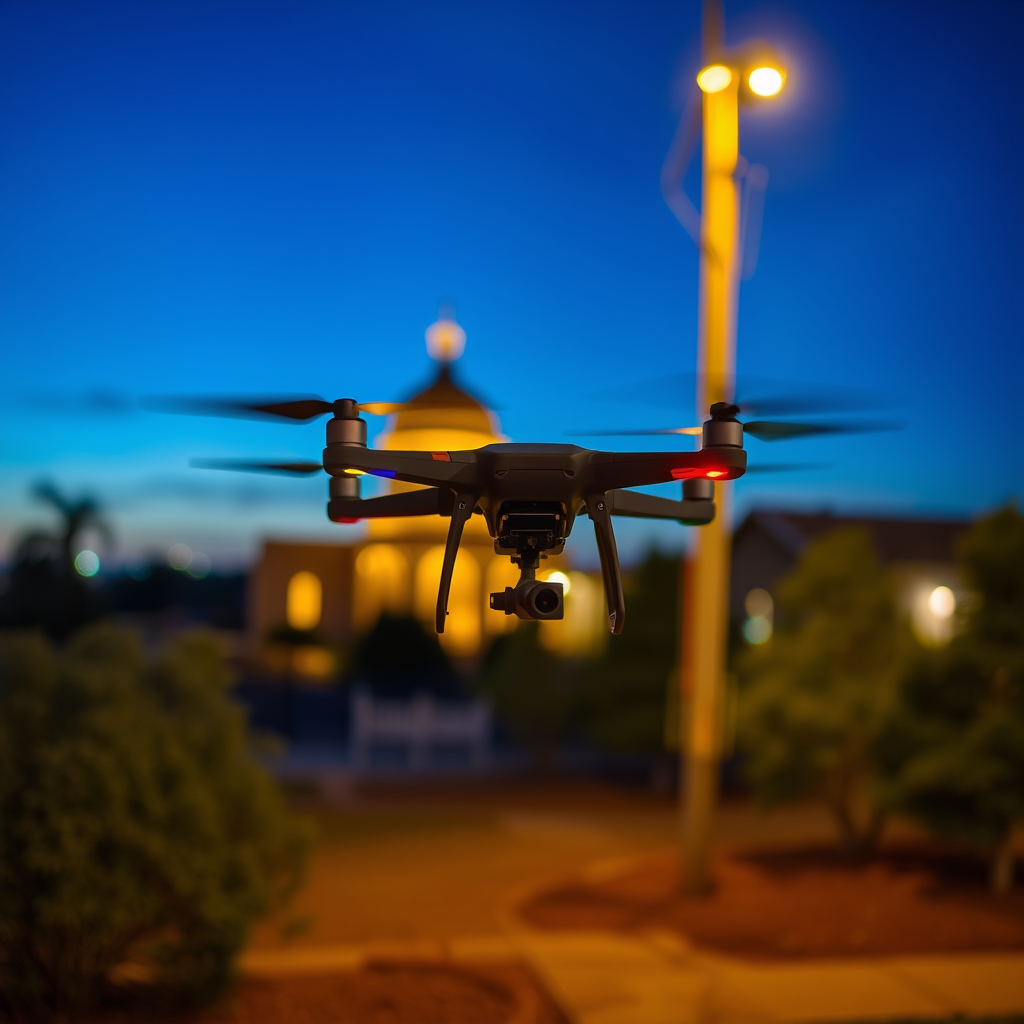
Recreational drone use is governed by the Federal Aviation Administration (FAA) in the United States. The FAA recognizes the growing interest in nighttime drone flying and has established regulations to ensure that such activities are conducted safely. According to FAA rules, flying a drone at night is permitted under the Part 107 regulations, but recreational pilots must comply with specific stipulations.
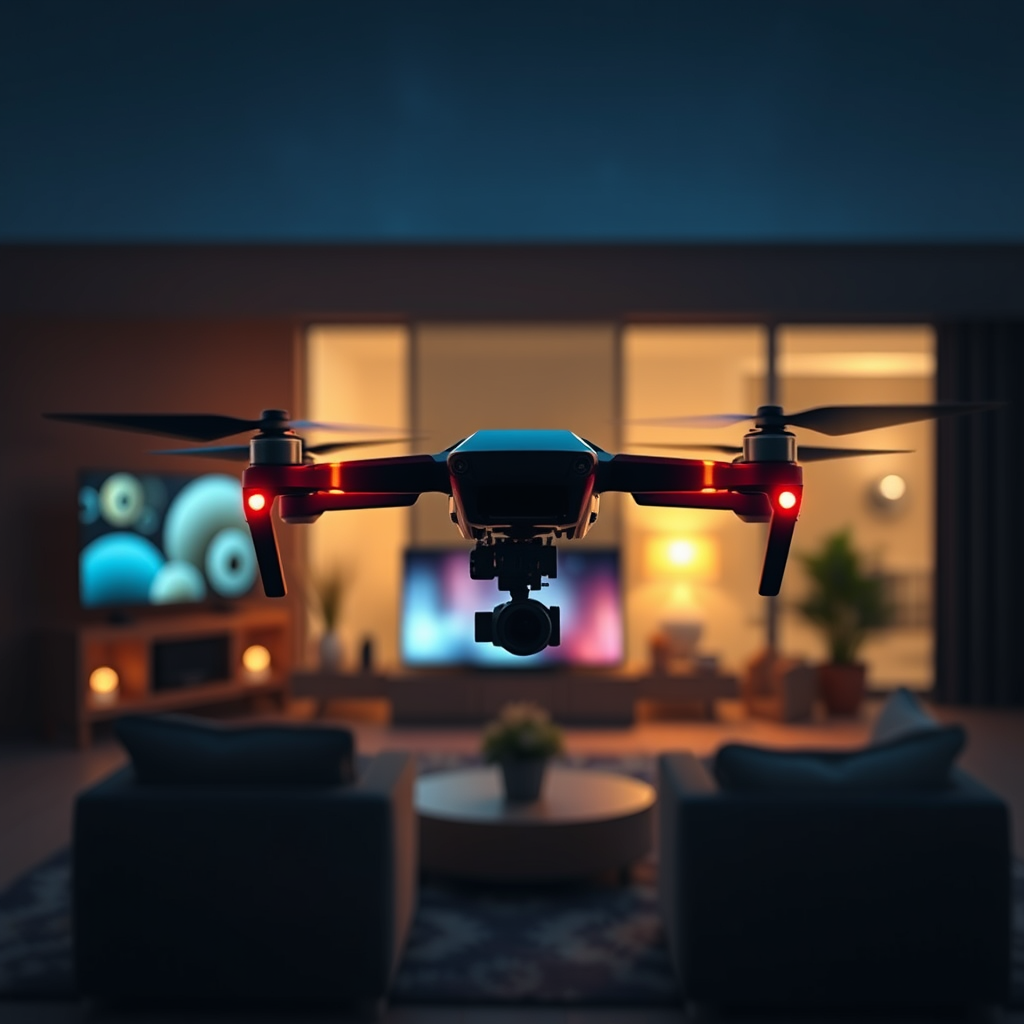
One of the key requirements for night flying is that drones must be equipped with proper lighting to ensure visibility. The FAA mandates that drones must have anti-collision lights that are visible from at least three statute miles and that they must be operational during nighttime operations. These lights are crucial for both the pilot’s ability to maintain visual line of sight and for other airspace users to detect the drone, thereby reducing the risk of mid-air collisions.
Understanding and adhering to these regulations is not only essential for safety but also for avoiding potential fines and penalties from the FAA.
Equipment Requirements
When preparing to fly your drone at night, it is vital to ensure that your equipment meets all necessary specifications. First and foremost, your drone should have functioning anti-collision lights. These lights typically come in various colors, such as red and green, and they should be mounted in a way that ensures they are visible from all angles.
In addition to anti-collision lights, consider investing in a drone that offers stable night vision capabilities or one that is compatible with external night vision cameras. Many modern drones come equipped with high-resolution cameras that perform well in low-light conditions, allowing you to capture clear images and videos even after sunset.
Furthermore, using a drone with GPS capabilities can enhance your flying experience at night, as it helps maintain stability and position awareness, reducing the likelihood of losing control in the dark.
Safety Considerations
Safety should always be your foremost priority when flying drones, especially at night. One of the primary safety considerations is to maintain visual line of sight at all times. This can be challenging in low-light environments; therefore, it’s essential to familiarize yourself with your drone’s capabilities and limitations regarding visibility.
Additionally, be aware of your surroundings. Avoid flying over populated areas, private property, or restricted zones, as doing so can lead to conflicts and safety hazards. Nighttime flying can also introduce new environmental challenges, including low visibility due to fog or unpredictable weather conditions, which can impact your ability to control the drone effectively.
Consider using a spotter, someone to assist in keeping visual track of the drone, particularly if you are flying in an area with obstacles or other air traffic. This extra set of eyes can enhance safety and improve your situational awareness.
Permits and Notifications
Before embarking on your nighttime drone adventure, it’s critical to check if special permits are required for night flying in your area. While the FAA provides a blanket approval for night operations under Part 107, local regulations may vary. Some municipalities may have specific ordinances governing drone use, especially at night, so it is always best to verify local laws.
In some instances, you may need to notify local authorities, community members, or even airport management if you plan to fly in proximity to air traffic. This proactive approach can foster goodwill and prevent misunderstandings, ensuring that your flying experience is enjoyable and trouble-free.
Best Practices for Night Flying
To make the most of your nighttime flying experience, consider adopting certain best practices. First, choose well-lit areas with minimal obstructions, such as parks or open fields, which can provide a more forgiving environment for flying after dark. Well-lit spaces help maintain visibility and reduce the risk of collision with unseen obstacles.
Start with short flights to acclimate yourself to flying in low-light conditions. As you become more comfortable, you can gradually increase the duration and complexity of your flights. Practice maneuvering in a controlled area before attempting to capture intricate aerial shots or navigate through challenging environments.
Finally, familiarize yourself with the drone’s controls and response times during night flying, as they may differ from daytime operations. Knowing your equipment inside and out will enhance your confidence and skill level in the air.
Common Challenges
Flying a drone at night presents unique challenges that can test even the most seasoned pilots. One of the primary difficulties is judging distances and obstacles in low light. Without the benefit of natural light, it can be challenging to assess how far away objects are, which can lead to collisions with trees, buildings, or other structures.
Moreover, environmental factors such as wind and signal interference can have a more pronounced effect during night flights. Pilots may experience increased chances of losing signal or control, particularly if flying in areas with heavy electronic interference. It’s crucial to constantly monitor your drone’s battery levels and signal strength, and to have a plan in place for safe landings if issues arise.
Resources for Night Flying Enthusiasts
For those passionate about nighttime drone flying, various resources can provide invaluable insight and tips. Joining drone pilot communities or forums can offer opportunities to connect with other enthusiasts, share experiences, and learn from others’ successes and challenges. Websites and social media groups dedicated to drone flying can be excellent platforms for acquiring knowledge and advice specific to nighttime operations.
Additionally, the FAA provides comprehensive resources on regulations, safety guidelines, and updates relevant to drone use. Staying informed about the latest changes in legislation and best practices can help ensure that your flying experience is not only enjoyable but also compliant with the law.
Flying your recreational drone at night can be a thrilling experience, but it’s vital to adhere to regulations and prioritize safety. By understanding the regulations, ensuring your equipment is up to standard, and taking necessary precautions, you can enjoy the unique beauty of aerial photography and videography after dark. Always stay informed and prepared to make the most of your nighttime flights, while respecting the laws and safety of those around you.
Frequently Asked Questions
Can I legally fly my recreational drone at night?
Flying a recreational drone at night is subject to specific regulations set by the Federal Aviation Administration (FAA) in the United States. According to current FAA guidelines, you can fly at night only if your drone is equipped with anti-collision lights that are visible for at least three statute miles. Additionally, you must maintain visual line of sight with your drone, ensuring safe operation. Always check local laws and regulations as they may impose further restrictions.
What safety precautions should I take when flying a drone at night?
When flying your drone at night, safety should be your top priority. Ensure your drone is equipped with bright LED lights to help you see it and help others see it from a distance. Familiarize yourself with the flying area during daylight hours to avoid obstacles and know the layout. Also, consider using a drone with a camera that has low-light capabilities for better visibility. Lastly, always have a backup plan for landing in case of battery failure or other emergencies.
How do I prepare my drone for night flying?
To prepare your drone for night flying, start by ensuring it is in good working condition with fully charged batteries. Install bright LED lights on your drone to enhance visibility, ensuring they are mounted securely and can be seen from all angles. Familiarize yourself with the drone’s controls and practice flying it during the day in similar environments. It’s also wise to download a flight app that can help you navigate and monitor your drone’s altitude and battery levels during night flights.
Why is it important to have lights on my drone when flying at night?
Having lights on your drone when flying at night is crucial for safety and compliance with FAA regulations. The lights help you maintain visual contact with your drone, making it easier to track its movement and position in the sky. Additionally, they make your drone more visible to other aircraft and people in the area, reducing the risk of collisions and enhancing overall flight safety. Using colored lights can also help in orientation, making it easier to distinguish the front from the back of the drone.
What are the best practices for flying a drone at night?
The best practices for flying a drone at night include ensuring your drone is equipped with proper lighting for visibility, pre-planning your flight path to avoid obstacles, and flying in familiar areas. Always check local airspace restrictions and obtain any necessary permissions before flying. It’s also advisable to limit your flight duration to ensure you can safely land your drone before battery power runs low. Lastly, consider flying with a buddy who can assist in monitoring your drone, enhancing safety during night operations.
References
- https://www.faa.gov/uas/getting_started/registration
- https://www.faa.gov/uas/resources/policy_library/media/Part_107_Summary.pdf
- https://www.nytimes.com/2021/04/19/business/drone-night-flying.html
- https://www.npr.org/2021/04/19/989360144/faa-issues-new-drone-rules-allowing-night-flights
- https://www.ama-flights.com/faq/drone-night-flying-regulations
- https://www.wired.com/story/drone-night-flying-rules/
- https://www.theguardian.com/us-news/2021/apr/19/faa-drone-night-flying-rules
