

Yes, you can fly with drone batteries, but it is crucial to adhere to specific regulations and safety guidelines to ensure compliance with airline policies and safe travel. Understanding these rules will not only protect your equipment but also help you avoid potential issues at the airport. In this blog post, we will delve into the Federal Aviation Administration (FAA) regulations, airline policies, packing tips, international travel considerations, and essential travel tips for transporting drone batteries.
Understanding FAA Regulations
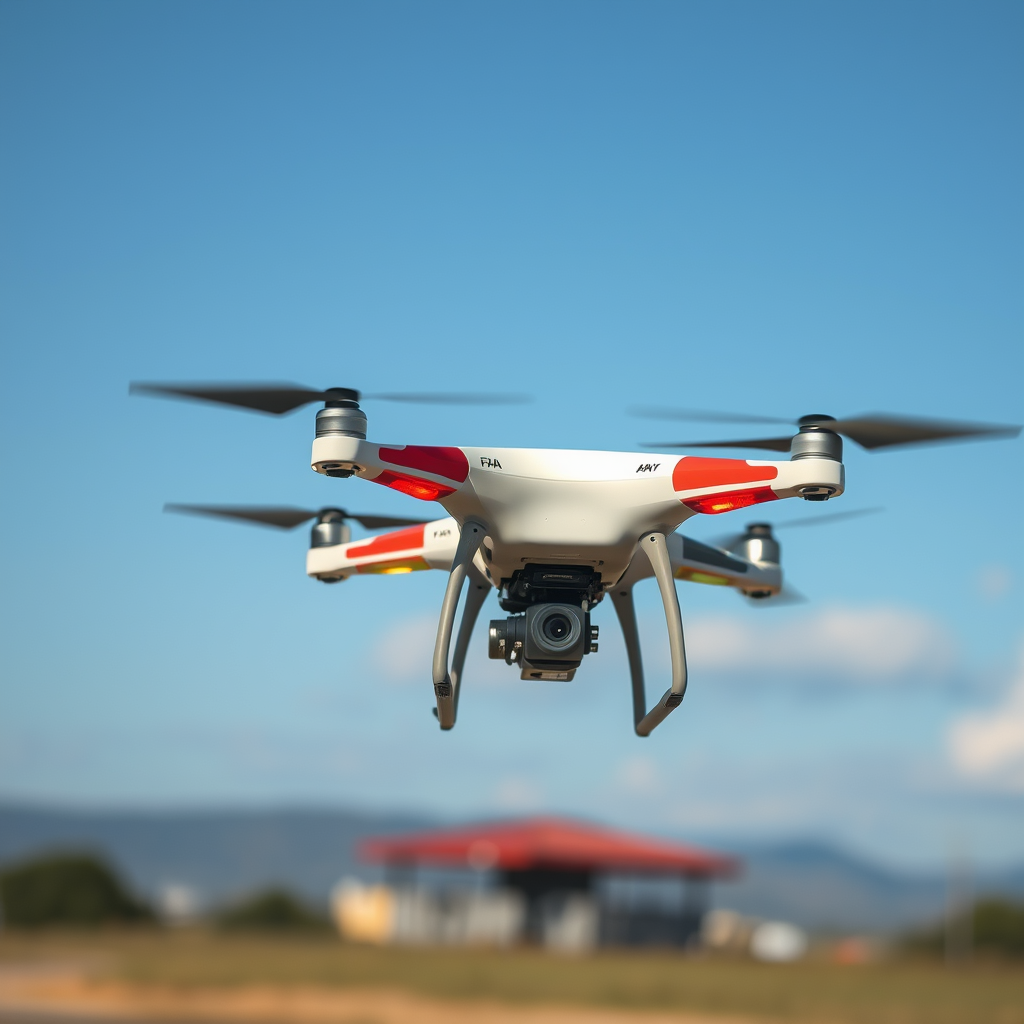
The Federal Aviation Administration (FAA) has established stringent regulations regarding the transportation of lithium batteries, which are commonly used to power drones. These guidelines are in place due to the potential fire hazards associated with lithium-ion batteries, particularly when they are damaged or improperly handled.
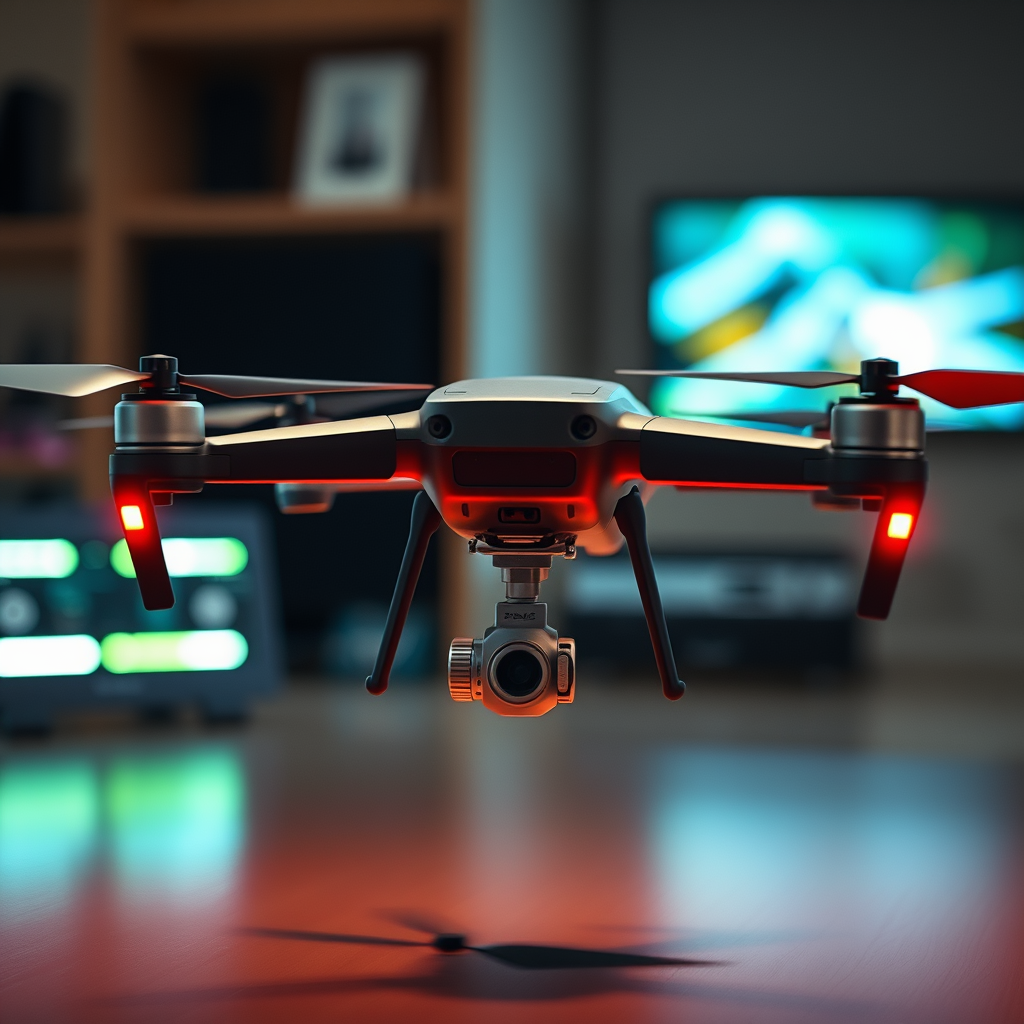
Batteries that exceed 100 watt-hours (Wh) typically require special handling and may not be allowed in checked luggage at all. For instance, a standard drone battery often falls under this category, making it essential for drone operators to check the capacity of their batteries before attempting to fly with them. As a rule of thumb, batteries rated at 100 Wh or lower can usually be carried aboard an aircraft, while those exceeding this limit may require prior approval from the airline or could be subject to restrictions. Therefore, always verify the watt-hour rating of your batteries and be prepared to provide documentation when necessary.
Airline Policies on Drone Batteries
Airline policies regarding the transportation of drone batteries can vary significantly from one carrier to another. It is vital to check with your chosen airline well in advance of your travel date to understand their specific regulations. Most airlines allow lithium batteries up to 160 Wh in carry-on luggage, which is beneficial for many drone operators. However, there are often limits on the number of batteries you can carry.
For example, a prominent airline may allow you to carry up to two spare batteries in your carry-on, while another might permit three. Additionally, some airlines may not allow certain types of batteries, such as those with a higher risk of fire. Thus, consulting the airline’s website or contacting their customer service directly will provide clarity on their policies and help you pack accordingly.
Packing Your Drone Batteries Safely
Proper packing of your drone batteries is essential in preventing short-circuiting and potential damage during transport. Utilizing protective cases designed specifically for lithium batteries is highly recommended, as these cases can absorb shocks and provide insulation against extreme temperatures.
In addition to using protective cases, it is advisable to tape over battery terminals if necessary. This simple precaution can prevent accidental activation, which is a significant safety concern during travel. Furthermore, storing batteries in a well-ventilated area and keeping them away from conductive materials will help mitigate risks associated with battery transport. If you are traveling with multiple batteries, consider using a battery organizer to keep them separated and secure.
International Travel Considerations
When traveling internationally, it is crucial to be aware that many countries have their own regulations regarding drone batteries. These regulations can vary widely, and some countries may prohibit certain battery types or sizes altogether. For instance, countries like Australia and the United Kingdom may impose stricter rules on the importation of lithium batteries, making it essential to research destination-specific laws well in advance.
Before embarking on your journey, familiarize yourself with the regulations governing drone batteries in your destination country. This includes checking the customs regulations, as some regions may require proper labeling or documentation for carrying drone batteries. By being informed, you can avoid potential fines or confiscation of your equipment upon arrival.
Tips for Traveling with Drone Batteries
To ensure a smooth travel experience with your drone batteries, consider the following tips. First, carry a copy of your battery specifications and your airline’s policies for reference during check-in. This documentation can serve as a useful resource if you encounter any questions or concerns from airport security personnel.
Additionally, arriving early at the airport can help you navigate any unforeseen delays, especially those related to additional security checks for your drone equipment. Security personnel may require extra scrutiny for lithium batteries, especially if you have multiple units. Being prepared and allowing yourself ample time will alleviate stress and enhance your travel experience.
What to Do in Case of Issues
Despite your best efforts to comply with regulations, issues may arise during airport check-in or security screening. It is crucial to know the procedures for addressing any problems, such as battery confiscation or the need for temporary storage. Familiarize yourself with your airline’s policies regarding the handling of confiscated items, as each airline has its own protocols.
If you encounter difficulties, do not hesitate to contact your airline’s customer service for assistance. They can provide guidance on the next steps, whether it involves checking your battery’s compliance with regulations or finding a secure way to store it until your return journey. Staying informed and proactive will help ensure that you can continue your travels with minimal disruption.
In conclusion, while you can fly with drone batteries, it is essential to be aware of and comply with regulations and airline policies. Understanding FAA regulations, airline-specific guidelines, and international travel considerations will help you pack your equipment safely and avoid potential issues. By planning ahead and staying informed, you can ensure a smooth travel experience with your drone batteries, allowing you to focus on capturing stunning aerial footage at your destination. Always reach out to your airline for the most accurate and up-to-date information as you prepare for your travels.
Frequently Asked Questions
What are the regulations for flying with drone batteries on an airplane?
When flying with drone batteries, it’s crucial to adhere to the regulations set by airlines and aviation authorities. Generally, lithium-ion batteries, commonly used in drones, must be carried in your carry-on luggage rather than checked baggage. Most airlines allow batteries up to 100 watt-hours (Wh) without restrictions, while those between 100-160 Wh may require airline approval. Always check your airline’s specific guidelines before traveling.
How should I pack my drone batteries for air travel?
To ensure safe transport of drone batteries during air travel, pack them in their original packaging or a protective case to prevent short circuits and damage. Use insulating materials like tape to cover battery terminals and prevent any accidental contact. Additionally, keep the batteries within your carry-on bag to comply with airline regulations and facilitate easier inspection at security checkpoints.
Why are there restrictions on flying with drone batteries?
Restrictions on flying with drone batteries primarily stem from safety concerns associated with lithium-ion batteries, which can pose fire hazards if damaged or improperly handled. These batteries can ignite if they short-circuit or are exposed to extreme temperatures. By regulating their transport, authorities aim to minimize risks to passengers and aircraft during flights.
Which types of drone batteries are allowed on flights?
Most airlines permit the transport of lithium-ion batteries up to 100 watt-hours (Wh) without special procedures. Batteries between 100 and 160 Wh may be allowed but require airline approval—typically limited to two batteries per person. Always verify the specific watt-hour ratings of your drone batteries and consult your airline’s policy to avoid any issues during travel.
What should I do if my drone battery is over the allowed watt-hour limit for flying?
If your drone battery exceeds the allowed watt-hour limit for air travel, your best option is to consider alternative transportation methods or shipping the battery separately via a courier service that complies with hazardous materials regulations. Additionally, you could invest in a lower-capacity battery that meets airline requirements, ensuring you can take your drone along without hassle during your travels.
References
- https://www.faa.gov/uas/getting_started/registration
- https://www.faa.gov/uas/resources/policies_regulations/
- https://www.transportation.gov/briefing-room/blog/5-things-know-about-flying-drones
- https://www.dji.com/flying-with-drones
- https://www.nasa.gov/feature/what-you-need-to-know-about-flying-with-drones
- https://www.ama-flights.com/faq/
- https://www.cdc.gov/coronavirus/2019-ncov/travelers/drones.html
- https://www.epa.gov/pesticides/flying-drones-using-drones-agriculture
