

Yes, you can generally shoot a drone over your house, but there are important legal and safety considerations to keep in mind. Familiarizing yourself with local regulations, airspace classifications, and privacy concerns is essential to ensure a responsible flying experience. This post will provide a comprehensive overview of these factors, helping you navigate the complexities of drone operation and enjoy the benefits of aerial photography and recreational flying.
Understanding Local Regulations
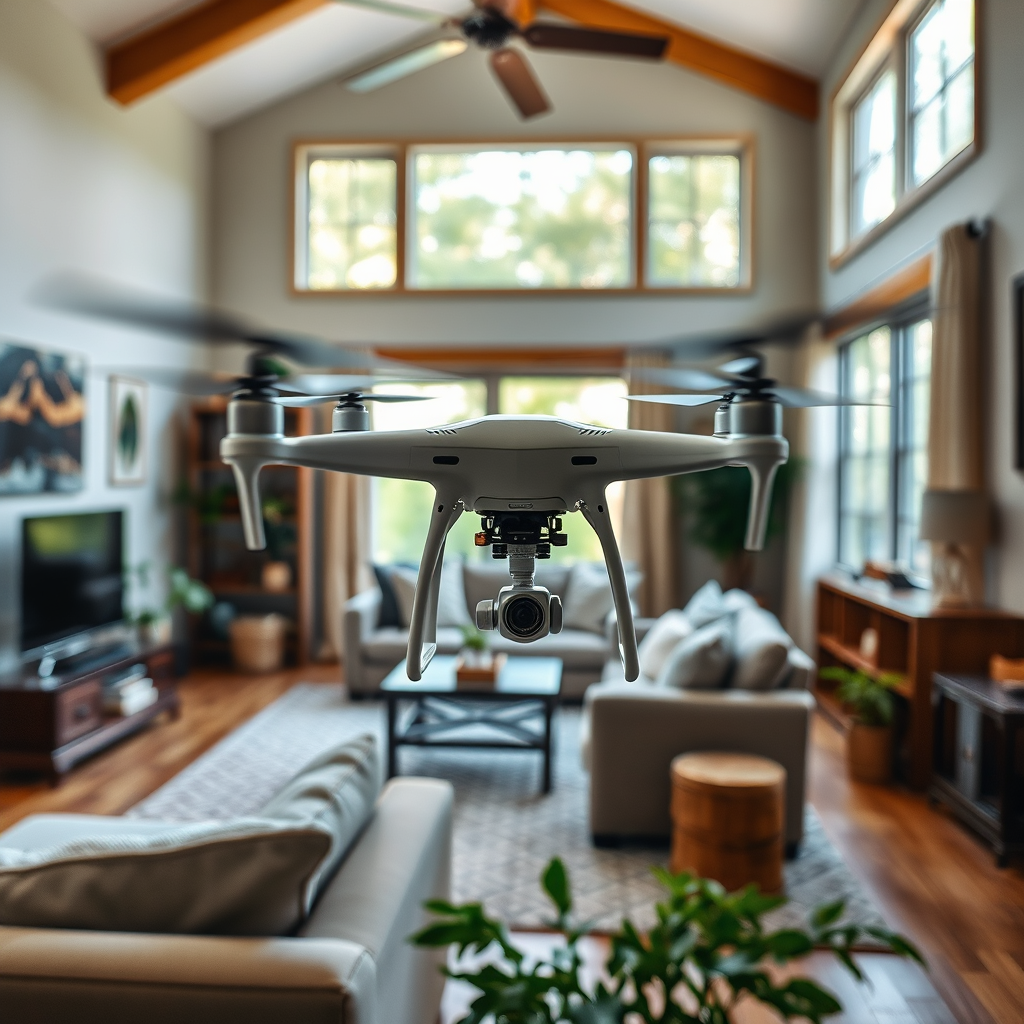
Before operating a drone, it’s imperative to check the Federal Aviation Administration (FAA) guidelines, which govern drone usage in the United States. The FAA outlines various rules for recreational and commercial drone pilots, including registration requirements, operational limits, and prohibited areas. For instance, drones weighing more than 0.55 pounds must be registered with the FAA, and operators must adhere to specific altitudinal restrictions, typically not exceeding 400 feet above ground level.
In addition to federal regulations, local laws and ordinances may impose further restrictions on drone operation. Many cities and counties have enacted their own rules regarding where and when drones can be flown. For example, some areas may prohibit drone use in parks, near schools, or in densely populated neighborhoods. It is crucial to consult your local government or relevant authorities to ensure compliance with any additional regulations that may apply to your specific location.
Airspace Classifications

Understanding airspace classifications is vital for safe and legal drone operation. The Federal Aviation Administration categorizes airspace into different classes, each with its own rules and requirements. For instance, Class G airspace is uncontrolled and typically allows for unrestricted drone flying, while Class B airspace is highly controlled, typically found near major airports, and requires prior authorization to operate within it.
To determine whether your location falls within controlled airspace, you can utilize various online resources and tools, such as the FAA’s interactive airspace map. Knowing your airspace classification not only helps you comply with regulations but also enhances safety by avoiding potential conflicts with manned aircraft. It’s important to always check the specifics of your flight area before launching your drone.
Privacy and Neighbor Concerns
Flying a drone over your house may raise privacy concerns among your neighbors and the general public. While you may have the right to fly over your property, it is essential to respect the privacy of those around you. Recording video or taking photographs of neighbors’ properties without their consent can lead to accusations of harassment or invasion of privacy.
To mitigate potential disputes, consider discussing your drone activities with neighbors in advance. Transparency can foster goodwill and understanding, reducing the likelihood of complaints. Additionally, familiarize yourself with local privacy laws regarding aerial surveillance, as they can vary widely from one jurisdiction to another.
Safety Precautions
Safety should always be a top priority when flying drones. Maintaining a safe distance from people, animals, and structures is crucial to prevent accidents and injuries. A good rule of thumb is to keep your drone at least 25 feet away from people and obstacles, adjusting this distance based on the drone’s capabilities and your flying environment.
Moreover, ensuring that your drone is in good working condition is essential for safe operation. Before every flight, conduct a thorough pre-flight check that includes inspecting the batteries, propellers, and control systems. Look for any signs of wear or damage, and perform necessary maintenance to keep your drone in optimal condition. This diligence can prevent malfunctions that may lead to accidents or crashes.
Insurance and Liability
Considering drone insurance is a wise step in protecting yourself from potential liabilities. While the FAA does not mandate insurance for recreational drone pilots, obtaining coverage can provide peace of mind against damages or injuries that may occur as a result of your flying activities. Many insurance providers offer specialized drone insurance policies that cover liability, physical damage to the drone, and even theft.
Understanding your liability in the event of an incident is equally important. If your drone causes property damage or injures someone, you could be held financially responsible. Having insurance can help alleviate some of this burden, but it’s essential to fully understand the terms of your policy and what specific incidents are covered.
Best Practices for Flying Drones
To ensure a safe and enjoyable flying experience, adhere to best practices for drone operation. The “Line of Sight” rule is a fundamental guideline that requires drone operators to maintain visual contact with their drone at all times during flight. This practice not only helps you navigate effectively but also allows you to avoid obstacles and respond promptly to any unforeseen situations.
Additionally, avoid flying during adverse weather conditions, such as rain, strong winds, or low visibility. Weather can significantly impact drone performance and increase the risk of accidents. Always check the forecast before your flight and reschedule if conditions are not favorable. Being proactive about safety measures will enhance your overall flying experience and reduce the likelihood of mishaps.
In conclusion, while you can shoot a drone over your house, it’s essential to be informed about legal regulations, safety practices, and privacy concerns. Understanding local laws, airspace classifications, and maintaining good relations with neighbors are all critical to responsible drone operation. By prioritizing safety, considering insurance, and following best practices, you can ensure a safe and enjoyable flying experience. Always stay educated and responsible to make the most of your drone adventures.
Frequently Asked Questions
Can I legally fly a drone over my house?
Yes, you can legally fly a drone over your own property in most areas, provided you comply with local laws and regulations. However, it’s essential to be aware of specific restrictions, such as altitude limits, no-fly zones, and privacy concerns. Always check the Federal Aviation Administration (FAA) regulations and any state or local laws to ensure you are flying your drone safely and legally.
What are the safety guidelines for flying a drone over my house?
When flying a drone over your house, prioritize safety by following the FAA’s guidelines. This includes keeping the drone within your visual line of sight, flying below 400 feet, and avoiding flying over people or moving vehicles. Additionally, conducting a pre-flight check to ensure the drone is in good working condition can help prevent accidents and ensure safe operation.
Why should I be cautious about flying a drone over my own property?
While you may have the right to fly a drone over your property, it’s crucial to be cautious due to potential privacy concerns and the risk of inadvertently invading your neighbors’ space. Drones equipped with cameras can raise privacy issues, which may lead to disputes or legal challenges. Always consider the feelings and privacy of others when operating your drone.
What are the best practices for flying a drone over residential areas?
The best practices for flying a drone over residential areas include flying during daylight hours, avoiding crowded spaces, and maintaining a safe distance from people and buildings. Additionally, consider informing your neighbors beforehand to promote goodwill and transparency. Using a drone with noise-reduction features can also minimize disturbances and ensure a more pleasant flying experience.
Which drone regulations should I be aware of when flying over my house?
When flying a drone over your house, familiarize yourself with key regulations set by the FAA, such as registering your drone if it weighs more than 0.55 pounds, adhering to altitude limits, and avoiding restricted airspace. Furthermore, some states and municipalities may have additional laws regarding drone usage, including no-fly zones and specific restrictions related to privacy. Always stay informed about the rules applicable to your area to avoid legal issues.
References
- https://www.faa.gov/uas/getting_started/know_before_you_fly
- https://www.nolo.com/legal-encyclopedia/drone-laws-your-state-30202.html
- https://www.theguardian.com/technology/2021/jun/22/drone-laws-uk-privacy
- https://www.ncsl.org/research/transportation/drone-laws.aspx
- https://www.wired.com/story/drone-privacy-laws/
- https://www.fcc.gov/consumers/guides/drones-and-fcc-rules
- https://www.theverge.com/2021/4/5/22367545/us-drone-laws-what-you-need-to-know
- https://www.washingtonpost.com/technology/2020/08/06/drone-laws/
