

Yes, you can shoot down a drone in your yard, but it can lead to serious legal consequences. Many jurisdictions have strict laws regarding the use of firearms and drone interference. Before taking any action, it is crucial to understand the legalities and potential repercussions surrounding drone usage and shooting down a drone. This post delves into the complexities of drone regulations, the legal implications of shooting down a drone, alternatives to consider, privacy concerns, and steps you can take if a drone is disturbing your peace.
Understanding Drone Regulations
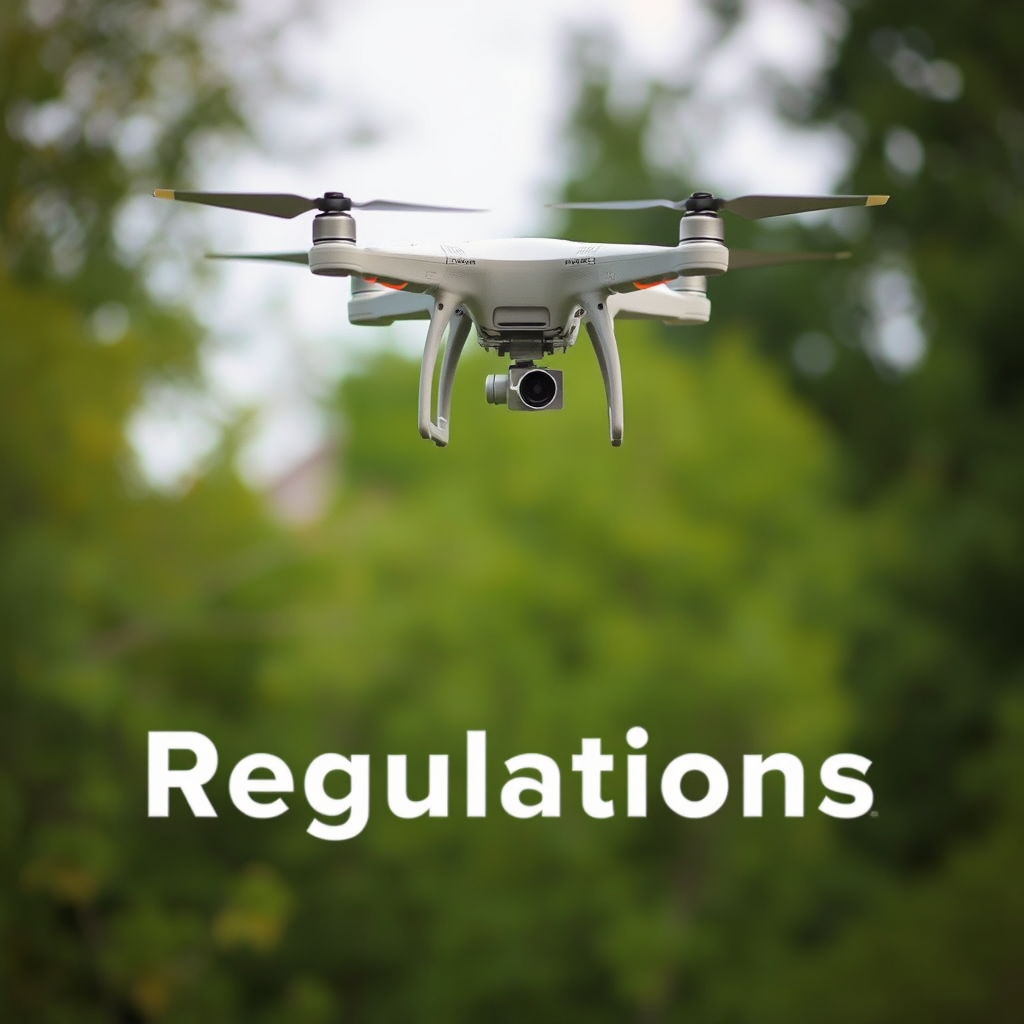
Drones, or Unmanned Aerial Vehicles (UAVs), are primarily regulated by the Federal Aviation Administration (FAA) in the United States. The FAA has established guidelines that govern drone operations, including registration requirements, operational limitations, and airspace restrictions. For instance, drones cannot be flown above 400 feet in uncontrolled airspace and must remain within the operator’s line of sight.
Additionally, many states have introduced their own laws addressing drone use, particularly focusing on privacy concerns. For example, some states require drone operators to obtain permission before capturing images or video on private property. Understanding both federal and state regulations is critical for anyone contemplating action against a drone in their vicinity, as the legal landscape can vary significantly from one jurisdiction to another.
The Legal Implications of Shooting Down a Drone
Shooting down a drone can have severe legal implications. Most fundamentally, such an act can be classified as destruction of property, as the drone is generally owned by an individual or company. If you shoot down a drone, the operator may pursue criminal charges against you or file a civil lawsuit for damages.
Moreover, using a firearm in this manner could lead to charges related to reckless endangerment or unlawful discharge of a weapon, particularly if the drone is in a populated area. In 2015, a man in Kentucky was arrested for shooting down a drone that was flying over his property, and he faced multiple charges, highlighting the potential legal ramifications of such an impulsive decision. It is vital to weigh these consequences before taking any action against a drone.
Alternatives to Shooting Down a Drone
Instead of resorting to drastic measures like shooting down a drone, consider non-destructive methods for addressing your concerns. Reporting the drone to local authorities can often yield a more effective and legal resolution. Most law enforcement agencies have protocols for dealing with drone disturbances, and they may be able to intervene on your behalf.
Another alternative is the use of legal deterrents, such as signal jammers or drone nets, although the legality of these devices varies by state. Some regions allow the use of technology that can disrupt a drone’s signal or safely capture it without causing damage. Always verify local laws regarding these devices to ensure compliance before attempting to use them.
Privacy Concerns and Your Rights
Privacy concerns regarding drone surveillance have gained significant attention in recent years. Citizens often express anxiety about unauthorized surveillance and invasion of privacy due to drones flying over their properties. It is essential to know your rights when it comes to privacy violations from drone activity.
Many states have implemented laws to protect citizens from unauthorized drone photography and surveillance. For instance, California has laws that prohibit the use of drones to invade someone’s privacy, making it illegal to use drones for surveillance of private property without consent. Familiarizing yourself with these laws can empower you to take appropriate action if you believe your privacy is being violated.
Steps to Take if a Drone is Disturbing You
If you find yourself dealing with a drone that is disturbing your peace, it is essential to document its behavior. Take notes on the drone’s flight patterns, the time and duration of its presence, and any identifiable information about the operator, if possible. This documentation can be invaluable if you decide to pursue a complaint with local authorities or the FAA.
Contacting local law enforcement is a prudent step if the drone is flying in a manner that you believe is illegal or threatening. Provide them with your documentation and express your concerns clearly. Additionally, you can file a report with the FAA if you suspect that the drone is operating in violation of federal regulations.
The Role of Law Enforcement
Local law enforcement agencies play a crucial role in addressing drone-related complaints. They are often the first point of contact for citizens experiencing disturbances caused by drones. Depending on your location, law enforcement may have established protocols for handling such complaints, which may include investigating the incident or liaising with the FAA if necessary.
It is worth noting that law enforcement may also educate drone operators about the regulations and privacy concerns surrounding their activities. In some cases, they may issue warnings or citations to drone operators who are found to be in violation of local or federal laws. Understanding how local law enforcement operates concerning drone issues can help you navigate your situation more effectively.
Future of Drone Legislation
As drone technology continues to evolve, so too does the legal framework surrounding their use. New capabilities, such as autonomous flight and advanced surveillance technology, are prompting lawmakers to consider additional regulations to protect citizens’ privacy and safety. Advocacy for stronger privacy protections is likely to shape future legal frameworks.
Staying informed about evolving drone laws is crucial for anyone affected by drone activity. Engage with local advocacy groups or follow updates from organizations like the FAA to better understand upcoming changes in legislation. Being proactive about these developments can help you better protect your rights and stay compliant with the law.
In conclusion, while the idea of shooting down a drone may seem appealing in the moment, the legal repercussions can be severe. It is essential to explore alternative solutions and understand your rights before taking any action. Always consult legal advice if unsure about your situation. Ultimately, navigating drone-related issues requires a careful understanding of the regulations and a thoughtful approach to addressing concerns.
Frequently Asked Questions
Can I legally shoot down a drone that is flying over my yard?
Legally shooting down a drone that is flying over your property is typically not permitted in most jurisdictions. Laws vary by location, but in general, using firearms to disable a drone can lead to severe legal consequences, including criminal charges. Instead of taking drastic measures, it’s advisable to report the incident to local authorities or seek legal recourse regarding any potential invasion of privacy.
What actions can I take if a drone is bothering me in my yard?
If a drone is bothering you in your yard, first try to identify the operator, as many drones are flown for recreational or commercial purposes. You can politely ask them to move the drone away from your property. If the drone continues to be intrusive, consider documenting the situation and contacting local law enforcement or a drone regulation authority to file a complaint, as they can provide guidance on how to handle the situation legally.
How can I protect my property from unwanted drone surveillance?
To protect your property from unwanted drone surveillance, consider installing privacy fences or using natural barriers like trees and shrubs to obstruct the view from above. You can also invest in drone detection systems that alert you to the presence of drones in your vicinity. Additionally, familiarize yourself with local laws regarding drone use to understand your rights and options if you encounter persistent issues.
Why are drones allowed to fly over private property?
Drones are generally allowed to fly over private property because of U.S. Federal Aviation Administration (FAA) regulations that govern airspace use. According to these regulations, airspace is considered public, and drones can legally fly at certain altitudes as long as they adhere to safety guidelines. This can lead to misunderstandings about privacy rights, so it’s essential to remain informed about both drone laws and individual rights in your area.
What should I do if I believe a drone is invading my privacy?
If you believe a drone is invading your privacy, document any incidents with photographs or videos, noting the time and location. You should then reach out to local law enforcement to report the situation, as they can investigate potential violations of privacy laws. Additionally, you may want to consult with a legal expert who specializes in drone law to explore your options for further action, including civil suits if necessary.
References
- https://en.wikipedia.org/wiki/Drone#Legal_issues
- https://www.aclu.org/news/privacy-technology/2020/02/can-i-shoot-down-a-drone-in-my-backyard
- https://www.faa.gov/uas/
- https://www.nytimes.com/2021/06/24/us/drone-privacy-rights.html
- https://www.theguardian.com/us-news/2019/jun/12/drones-shooting-down-legal-rights-privacy
- https://www.reuters.com/article/us-usa-drone-safety-idUSKBN2B90B6
- https://www.nolo.com/legal-encyclopedia/can-i-shoot-drone-my-yard-29960.html
- https://www.huffpost.com/entry/shooting-drones_n_5c66e1b2e4b0e6f5c5e0e4c2
