
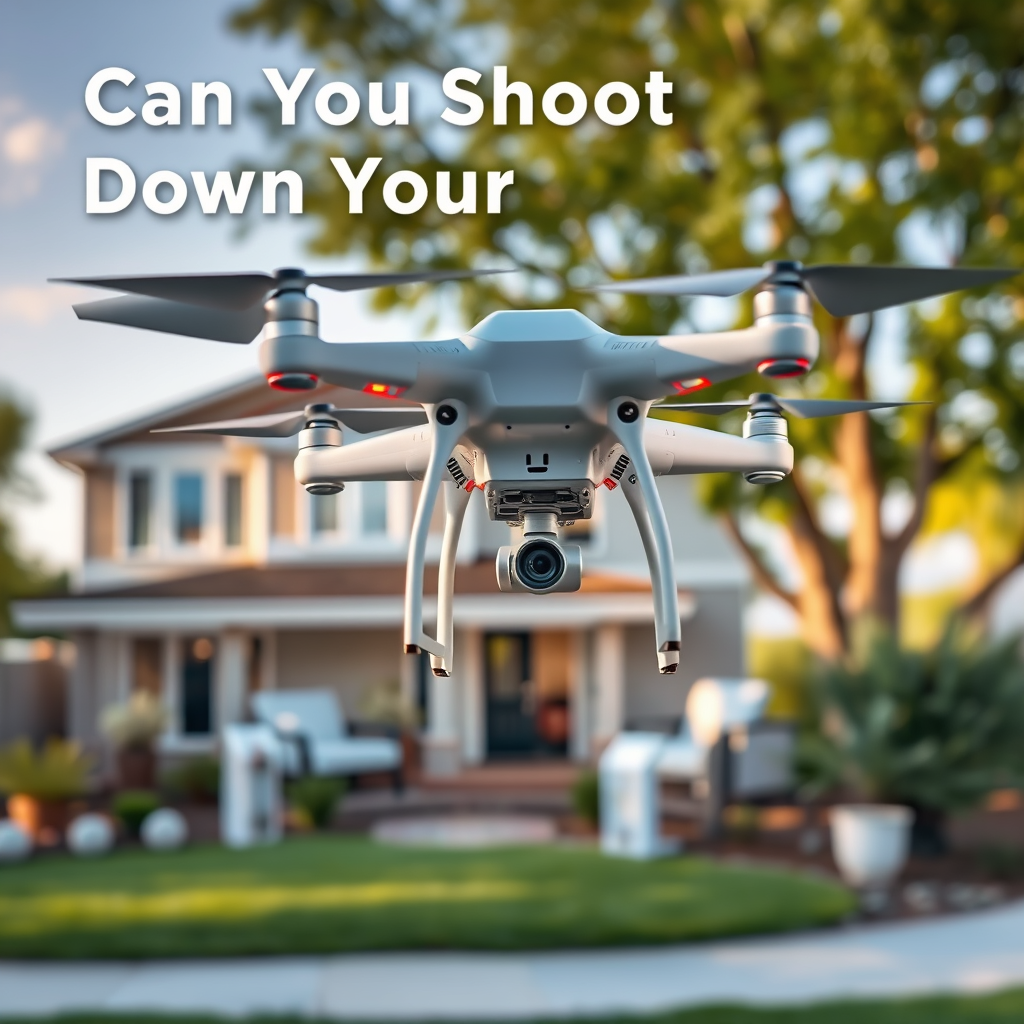
Yes, you can shoot down a drone on your property, but it’s fraught with legal and safety implications. Before taking any action, it’s essential to understand the laws governing drone use and property rights, as well as the potential consequences of shooting down a drone. Engaging in such actions without full knowledge of the legal framework can lead to significant penalties, including criminal charges and civil liability. Therefore, it is crucial to approach the situation with caution and an informed perspective.
Understanding Drone Laws
Navigating the complex landscape of drone laws is essential for anyone considering taking action against an unauthorized drone on their property. The primary governing body for drone regulations in the United States is the Federal Aviation Administration (FAA). The FAA has established strict guidelines regarding drone operations, including where and how drones can be flown. For instance, drones are typically prohibited from flying over private property without the owner’s permission, yet the airspace above a property is considered public, complicating property owners’ rights.
In addition to federal regulations, individual states may have their own laws concerning drone usage. Some states have enacted specific statutes that protect privacy and property rights against drone surveillance. For example, states like California and Florida have laws that make it illegal to use drones to invade someone’s privacy. Therefore, understanding both federal and state regulations is crucial for property owners contemplating any action against a drone hovering above their land.
Property Rights and Airspace
To understand your rights concerning drones, it is essential to grasp the concept of property boundaries and airspace ownership. Property rights generally extend vertically from the surface of your land to the sky above, but the legal limits of this ownership can be murky. In most cases, property owners do not own the airspace above their homes; rather, the FAA regulates this airspace for public use.
The “navigable airspace” is a term used by the FAA to define the area where aircraft, including drones, can fly freely. This airspace typically begins at a height of 400 feet above ground level, further complicating the matter for property owners. If a drone is flying at this altitude, it may be operating within its legal rights, and any action taken against it could be deemed unlawful. Understanding these boundaries is vital to determining what actions you can legally take against a drone that you believe poses a threat or invades your privacy.
Safety Concerns
Shooting down a drone presents a variety of safety concerns that cannot be overlooked. The act of discharging a firearm, particularly in a residential or populated area, carries inherent risks. Bullets can miss their target, ricochet, or cause unintended injury to nearby people, pets, or property. Additionally, shooting a drone could potentially result in fire hazards, especially if the drone is carrying a battery or other flammable material.
Given these dangers, alternative, non-destructive methods for addressing drone concerns should be considered. For instance, using a net gun, which is a device designed to ensnare drones without causing them harm, could be a safer option. Additionally, employing visual deterrents such as reflective materials or sound emitters may help in discouraging drones from encroaching on your space without risking safety or legality.
Law Enforcement and Reporting
If you encounter an unauthorized drone on your property, the first step should be to contact local law enforcement. Authorities are better equipped to handle these situations and can take appropriate action without you risking legal trouble. Documenting the drone’s presence with photographs or video can also be helpful for law enforcement, as it provides evidence of the unauthorized activity.
It’s important to understand the legal repercussions of taking matters into your own hands. Shooting down a drone can lead to serious consequences, including criminal charges for the unlawful discharge of a firearm, destruction of property, or even assault if someone is injured in the process. Therefore, relying on law enforcement to address the situation is often the best course of action.
Alternatives to Shooting Down a Drone
There are several alternatives to shooting down a drone that can effectively address your concerns while minimizing legal and safety risks. One such method involves drone jamming, which disrupts the communication signals between the drone and its operator. However, it is essential to note that the legality of jamming devices varies by state and is generally prohibited under federal law. Therefore, research and legal guidance are crucial before attempting to use such technology.
Another approach is to communicate directly with the drone operator, if identifiable. This can be effective in resolving issues amicably. Many drones are equipped with identification numbers, and reaching out to the operator may provide a straightforward solution to your concerns regarding privacy or safety.
Legal Advice and Considerations
Consulting with a lawyer who specializes in property law or aviation law can provide valuable insights into your rights and the best course of action regarding drone encounters. Legal professionals can help clarify the complexities of drone laws and property rights, ensuring that you are well-informed before taking any action.
Remaining informed about changes in drone legislation is also essential. The drone industry is quickly evolving, and new laws are continually being enacted to address emerging issues. Staying updated on these developments can empower property owners to protect their rights effectively and legally.
In summary, while the idea of shooting down a drone on your property may seem appealing, it is crucial to consider the legal and safety ramifications involved. Understanding the nuances of drone laws, property rights, and the potential consequences can guide you in making informed decisions. Always explore alternative solutions, such as reporting the drone to authorities or communicating with the operator, and consult legal professionals when in doubt. By staying informed and proactive, you can ensure your rights are protected while navigating the complexities of drone encounters.
Frequently Asked Questions
Can I legally shoot down a drone that is flying over my property?
Legally shooting down a drone that is flying over your property is generally prohibited. Most jurisdictions classify drones as aircraft, which means that taking down a drone could be considered a criminal act, such as destruction of property or endangering public safety. If you feel a drone is invading your privacy or behaving unlawfully, it is advisable to report it to local law enforcement rather than taking matters into your own hands.
What are the consequences of shooting down a drone on my property?
The consequences of shooting down a drone on your property can be severe, including criminal charges, fines, and civil liability for damages. Depending on the circumstances, you may be charged with offenses related to reckless endangerment, destruction of property, or even federal violations if the drone is regulated by the Federal Aviation Administration (FAA). It’s essential to understand the legal implications before considering any action against a drone.
How can I safely and legally address a drone that is bothering me on my property?
If a drone is causing you distress or invading your privacy, the safest and most legal approach is to document the situation, such as taking photos or videos of the drone’s activity. You can then file a complaint with local law enforcement or contact the drone’s owner if known. Additionally, many states have laws against invasive drone use, so familiarize yourself with local regulations to understand your rights and options.
What are some non-violent alternatives to shooting down a drone?
Non-violent alternatives to shooting down a drone include using a drone detection system to identify its operator, contacting law enforcement, or using physical barriers like privacy screens to limit the drone’s visibility. You may also consider discussing your concerns directly with the drone operator if you know them, as sometimes a simple conversation can resolve misunderstandings regarding privacy or safety.
Which laws govern drone usage and personal property rights?
Drone usage and personal property rights are governed by a combination of federal, state, and local laws. At the federal level, the FAA regulates airspace and drone operations, while many states have enacted specific laws regarding privacy and drone surveillance. It’s crucial to check both federal regulations and your state’s laws to fully understand your rights and responsibilities when it comes to drones on or near your property.
References
- https://en.wikipedia.org/wiki/Drone#Legal_issues
- https://www.faa.gov/uas/getting_started/uas_regulations/
- https://www.nolo.com/legal-encyclopedia/can-you-shoot-down-drone-your-property-29918.html
- https://www.wired.com/story/what-to-do-about-drones-near-your-home/
- https://www.theguardian.com/us-news/2021/sep/16/americans-are-soaring-drones-law-enforcement
- https://www.reuters.com/article/us-usa-drones-legal-idUSKBN2B51A8
- https://www.nytimes.com/2020/06/18/us/drones-privacy-laws.html
- https://www.washingtonpost.com/business/2021/03/11/drones-property-rights/
- https://www.aclu.org/news/privacy-technology/what-you-need-to-know-about-drones-and-privacy
