

Yes, you can potentially shoot down a drone in New Zealand, but it comes with significant legal risks and potential consequences. New Zealand’s laws regarding drones and aircraft must be carefully considered before taking any action. Given the rapid advancement of drone technology and their increasing presence in both urban and rural areas, it is crucial for individuals to understand the legal framework surrounding drone operations and the implications of attempting to disable or destroy a drone.
Understanding New Zealand Drone Laws
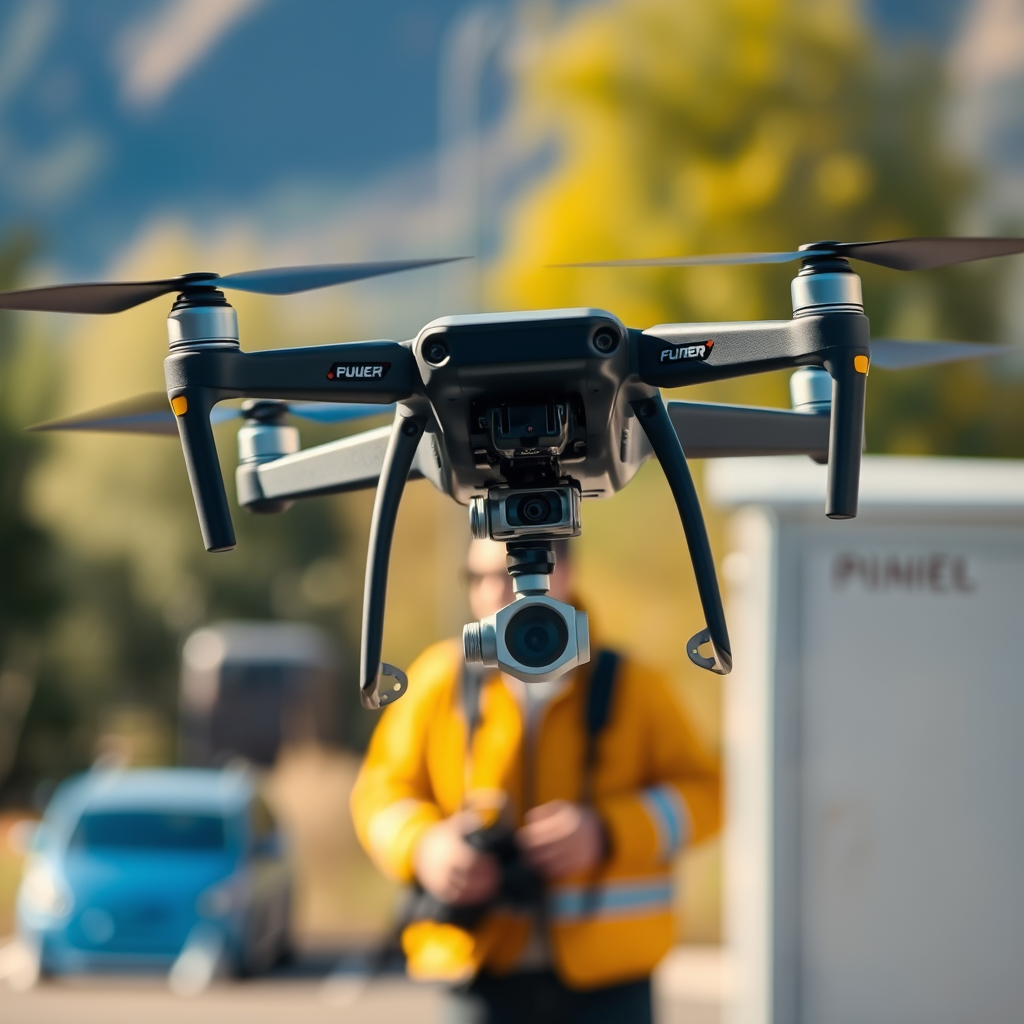
In New Zealand, the use of drones is primarily regulated by the Civil Aviation Authority (CAA). The CAA outlines a specific set of rules known as Part 101 and Part 102, which govern the operation of unmanned aircraft systems (UAS) within New Zealand airspace. These regulations include stipulations about the maximum altitude for drone flights, no-fly zones, and requirements for maintaining visual line-of-sight with the drone.
Shooting down a drone may violate laws regarding the safety of air navigation, as it could be classified as an act that endangers both the drone and other aircraft. New Zealand’s airspace is shared, and any action that could jeopardize public safety or air traffic could lead to severe legal repercussions. Additionally, because drones often operate at low altitudes, errant gunfire could inadvertently harm individuals or property on the ground, further complicating the legal landscape.
The Legal Implications of Shooting a Drone
Engaging in the act of shooting down a drone can expose individuals to various legal charges, which may include destruction of property and endangerment. In New Zealand, drones are considered property, and damaging or destroying someone else’s property can lead to civil liability, including the possibility of being sued for damages.
Moreover, if such an act results in injury or death to a person, the shooter could face serious criminal charges, including assault or manslaughter. The legality of shooting down a drone often depends on the circumstances surrounding its operation. For instance, if a drone is perceived to be invading one’s privacy or conducting unlawful surveillance, the individual may feel justified in taking drastic measures. However, this justification does not automatically absolve one from the legal consequences of their actions.
Alternatives to Shooting Down a Drone
Instead of resorting to shooting down a drone, there are several alternatives that individuals can consider. One of the most productive actions is to contact local authorities or the CAA to report any suspicious drone activity. Law enforcement agencies are equipped to handle such situations and can investigate complaints regarding drones that may be violating privacy laws or operating in restricted airspace.
Additionally, technological solutions are available for tracking and reporting drone activity. Applications such as AirMap and DroneDeploy allow users to monitor drone flights in real time, and many include tools for reporting unauthorized drone operations. By utilizing these resources, concerned individuals can address their issues with drones while remaining within the bounds of the law.
Privacy Concerns Related to Drones
Drones have raised significant concerns regarding personal privacy, as they can be equipped with cameras and other surveillance technology. While the presence of drones might infringe upon personal privacy, legal responses to such infringements can vary. In New Zealand, the Privacy Act 2020 provides a framework for understanding how personal information is collected, used, and disclosed, including data captured by drones.
Individuals who believe their privacy rights have been violated by drone activity should familiarize themselves with the Privacy Act and the processes for lodging complaints. The CAA and the Office of the Privacy Commissioner can guide individuals on their rights concerning drone surveillance and privacy violations. Understanding these legal protections is vital for anyone facing potential invasions of privacy due to drone operations.
Reporting Unwanted Drones
If you find yourself facing unwanted drone activity, it is essential to know the proper process for filing a complaint with the CAA. The CAA has established protocols for reporting incidents involving drones, which can include unauthorized flights, safety hazards, or privacy violations. When preparing to report an incident, it is critical to gather supporting evidence, such as photographs, videos, or witness statements, to substantiate your claims.
Additionally, documenting the time and location of the drone’s activity can assist authorities in taking appropriate action. By following these steps, you can ensure that your concerns are addressed by the relevant authorities, potentially leading to a resolution without resorting to unlawful measures.
Seeking Legal Advice
Before taking any action against a drone, it is advisable to consult with a legal expert who specializes in aviation or property law. A legal professional can help you understand your rights and the potential repercussions of any action you may consider taking. This will provide you with a clearer picture of the legal landscape and ensure that you make informed decisions.
Legal advice can also be beneficial in navigating the complexities of drone regulations, especially if you believe your rights have been violated or if you are considering reporting a drone operator to the authorities. Understanding the full scope of your rights and responsibilities can help prevent misunderstandings and legal conflicts down the line.
In conclusion, while the idea of shooting down a drone in New Zealand may seem appealing under certain circumstances, it is fraught with legal implications. The risks associated with such an action can lead to significant legal consequences, including criminal charges and civil liability. Opting for safer, legal alternatives—such as reporting concerns to authorities or utilizing technology to monitor drone activity—will generally yield more favorable outcomes. Staying informed about your rights regarding drone activity is essential for navigating this evolving technological landscape responsibly.
Frequently Asked Questions
What are the laws regarding shooting down a drone in New Zealand?
In New Zealand, it is illegal to shoot down a drone. Under the Civil Aviation Act and the Crimes Act, taking such action can lead to severe legal consequences, including criminal charges for endangerment or damage to property. If a drone is invading your privacy or posing a risk, it is recommended to report it to authorities rather than taking matters into your own hands.
How can I report a drone that is flying over my property in New Zealand?
If a drone is flying over your property and you feel uncomfortable or believe it is invading your privacy, you can report it to the New Zealand Police or the Civil Aviation Authority (CAA). Provide details such as the drone’s appearance, its operator (if known), and the times and locations of the flights. The authorities can investigate the situation and take appropriate action if necessary.
Why are drones a concern for privacy in New Zealand?
Drones can potentially invade personal privacy as they have the capability to capture images and videos from above. In New Zealand, privacy concerns arise when drones are used to surveil private property without consent, leading to feelings of discomfort and safety issues among residents. Understanding your rights in relation to drone usage is crucial to addressing privacy concerns effectively.
What should I do if I feel threatened by a drone?
If you feel threatened by a drone, first assess the situation calmly. If the drone is flying dangerously close or engaging in suspicious behavior, document the incident with photos or videos and note the time and location. Then, contact the New Zealand Police for assistance, as they can provide guidance and may take action if the situation warrants it.
Which regulations govern drone usage in New Zealand?
Drone usage in New Zealand is primarily governed by the Civil Aviation Rules, specifically Part 101, which outlines requirements for flying drones safely and legally. These regulations cover aspects such as altitude limits, restricted airspace, and the need for operator certification for larger drones. Familiarizing yourself with these rules is essential for both drone operators and those concerned about drone activities in their vicinity.
References
- https://www.police.govt.nz/advice-services/public-safety/drone-use-new-zealand
- https://www.lawsociety.org.nz/news-and-community/news/drone-law-in-new-zealand
- https://www.civilaviation.govt.nz/airspace/drone-operations
- https://www.stuff.co.nz/national/104538712/drone-pilot-who-shot-down-drone-gets-home-detention
- https://www.nzherald.co.nz/nz/what-are-the-rules-around-drones-in-new-zealand/3C25OQGE6AIWZQKYL3E4HKSZTY/
- https://www.droneflyers.com/drone-laws-new-zealand/
- https://www.researchgate.net/publication/331225792_Legal_and_Regulatory_Issues_of_Drones_in_New_Zealand
