

Yes, in most cases, you cannot legally shoot down drones due to laws surrounding airspace and property rights. Understanding the legal ramifications and safety concerns surrounding this issue is crucial for anyone considering taking such action. As drone technology becomes increasingly prevalent, so too do the questions surrounding their use—particularly regarding privacy, safety, and legal implications. This post will delve into the complexities of drone regulations, property rights, safety risks, alternative actions, privacy laws, potential legal consequences, and the importance of responsible drone management.
Understanding Drone Regulations
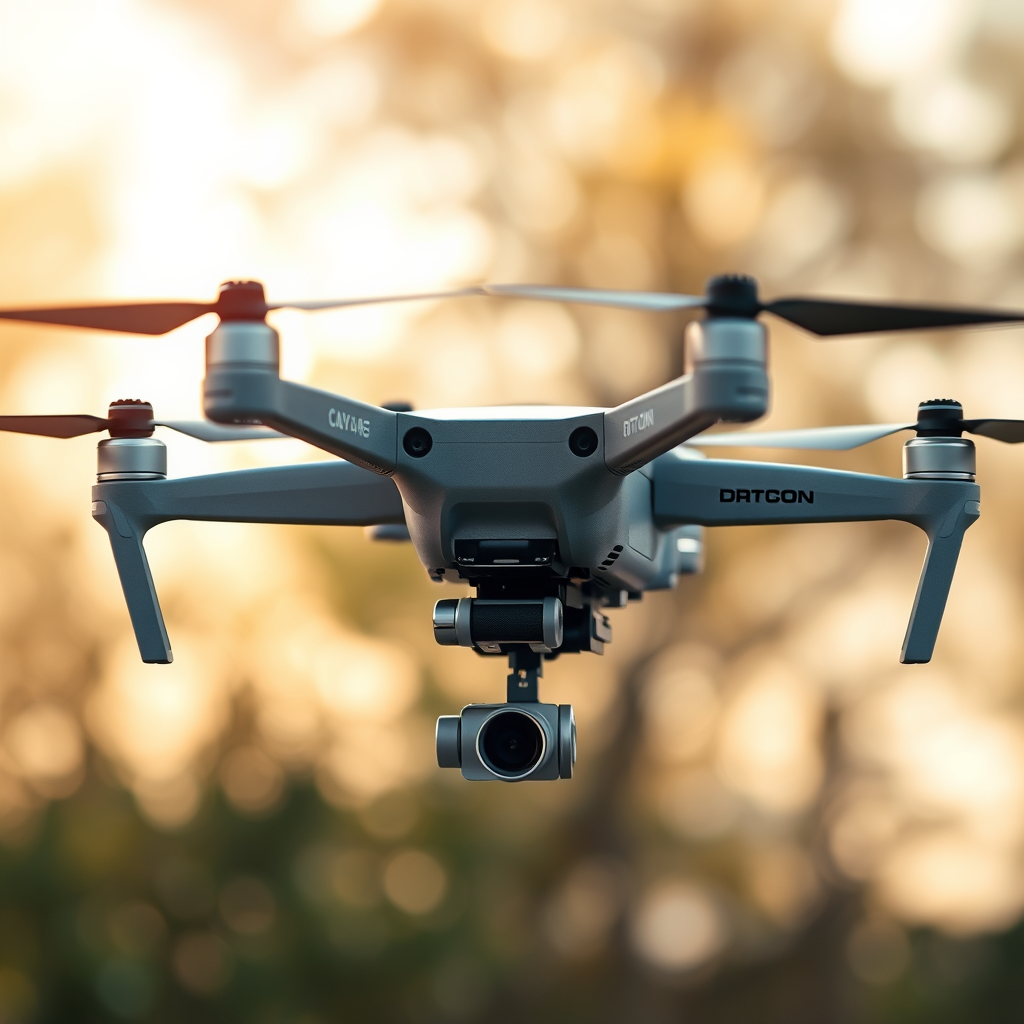
Drones are classified as aircraft under federal law, specifically by the Federal Aviation Administration (FAA). This classification means that all federal airspace regulations apply to drones, just as they do to manned aircraft. The FAA has established guidelines to ensure the safe integration of drones into the national airspace, which includes restrictions on where drones can fly and under what conditions.
Shooting down a drone can lead to serious legal repercussions, including federal charges such as criminal mischief, which might involve hefty fines and even imprisonment. For instance, in 2018, a case in Kentucky saw a homeowner charged for shooting down a drone that was flying over his property, demonstrating how quickly such actions can escalate into legal battles. Additionally, the FAA has the authority to impose penalties on individuals who interfere with the operation of an aircraft, and shooting down a drone falls squarely within that definition.
Property Rights and Airspace
Property owners have certain rights over the airspace above their land, often referred to as “air rights.” However, these rights do not extend to the use of force against drones without legal justification. Courts have historically recognized that while property owners have rights to their immediate airspace, this does not grant them the authority to shoot down drones that may be flying above a certain altitude, usually 200 feet or more, which is generally considered navigable airspace.
For example, a drone flying at 400 feet—a common operational ceiling for many commercial drones—would be legally protected under federal regulations. Homeowners should be aware that their frustration with perceived invasions of privacy or trespassing may not legally justify taking drastic actions. It is important to understand the distinction between personal property rights and the regulations governing airspace.
Safety Risks of Shooting Down Drones
Discharging a firearm poses significant risks to public safety. The act of shooting down a drone could lead to unintended consequences, including the potential for injury to bystanders, property damage, or even fatalities. A drone falling from the sky can become a lethal projectile, posing danger to anyone in its vicinity.
Moreover, consider the legal implications of using a firearm in a populated area. The repercussions of such actions can be severe, not only legally but also in terms of community safety. For instance, in 2020, a man in New Jersey was charged after he fired a gun at a drone flying near his property, highlighting the dangers that come with trying to take matters into one’s own hands. With the growing number of drones in public airspace, it is crucial for individuals to remember that safety should always take precedence over frustration.
Alternative Actions to Take
Instead of resorting to drastic measures, individuals witnessing unauthorized drone activity should consider reporting the matter to local authorities or law enforcement. Most municipalities have regulations in place regarding drone operation, including restrictions on flying in certain areas. Engaging local law enforcement can often result in a more effective resolution than taking matters into your own hands.
Additionally, technology is available to help manage drone presence in the vicinity. Drone detection systems can monitor airspace for unauthorized drone activity, providing property owners with real-time information on any drones that may be encroaching on their airspace. These systems can alert owners to potential privacy violations and enable them to take appropriate action without resorting to violence.
The Role of Privacy Laws
Invasions of privacy by drones may warrant legal action, especially if the drone is being used to surveil private property without consent. Various states have enacted laws to protect individuals from drone-related privacy violations, allowing for legal recourse when drones are used maliciously or without regard for privacy.
If you believe your privacy is being violated, it is advisable to consult with legal experts who specialize in privacy and drone laws. They can provide guidance on how to address the situation effectively and within legal boundaries. Being informed about your rights and the legal framework surrounding drone usage can empower you to take action without compromising your legal standing.
Possible Legal Consequences
Understanding the potential fines and penalties for shooting down a drone is essential for anyone considering such an action. Legal consequences can vary by jurisdiction, but they often include criminal charges, civil lawsuits, and significant financial penalties. The FAA can impose fines up to $20,000 for interfering with the operation of an aircraft, including drones.
Legal battles can be both costly and time-consuming, often resulting in more harm than good. For instance, those who shoot down drones may find themselves embroiled in lengthy legal proceedings, while also facing the financial burden of defending their actions in court. It’s crucial to weigh the potential consequences against the immediate frustration that may prompt the desire to shoot down a drone.
Responsible Drone Management
Education is key to fostering a safe and respectful coexistence between drone operators and property owners. Public awareness campaigns can help inform drone pilots about local regulations and encourage responsible drone usage. Furthermore, advocating for local regulations that protect both drone operators and property rights can lead to more harmonious relationships among all parties involved.
Communities can benefit from establishing clear guidelines for drone operation, which address safety, privacy, and airspace concerns. Collaboration between drone enthusiasts, local authorities, and property owners can create an environment where drones can be used positively and where the rights of individuals are safeguarded.
In summary, while the temptation to shoot down a drone may arise in certain situations, the legal and safety implications make it a risky choice. Always consider reporting unauthorized drone activity to local authorities instead, and stay informed about the laws and regulations regarding drone use in your area. By fostering a culture of responsible drone management and understanding, we can work towards solutions that respect both personal privacy and the rights of drone operators.
Frequently Asked Questions
What are the legal implications of shooting down a drone?
Shooting down a drone can lead to significant legal repercussions, as it is generally considered illegal under both federal and state laws. In the United States, the Federal Aviation Administration (FAA) prohibits the destruction of aircraft, including drones, which are classified as unmanned aerial vehicles. Violators may face fines, criminal charges, or civil liability for damages caused by their actions.
How can I prevent drones from invading my privacy without shooting them down?
Instead of resorting to shooting down drones, consider non-violent methods to protect your privacy, such as using privacy screens, establishing no-fly zones, or employing drone detection technology. Communicating with the drone operator can also help resolve privacy concerns amicably. If issues persist, you may report the drone to local authorities, who can investigate the situation further.
Why do people want to shoot down drones?
Many individuals express a desire to shoot down drones due to concerns about privacy invasion, security threats, or harassment. Some may feel that drones are intruding on their personal space or capturing images without consent. This reaction often stems from a lack of understanding of drone regulations and the legal protections afforded to drone operators.
What are the best alternatives to shooting down a drone?
The best alternatives to shooting down a drone include using drone jammers, which can disrupt the signal between the drone and its operator, or reporting the drone to local authorities. Additionally, engaging in conversations with the drone operator may resolve any issues without resorting to drastic measures. Utilizing legal avenues, such as seeking restraining orders against persistent offenders, may also be effective.
Which laws should I be aware of regarding drone usage in my area?
Laws regarding drone usage vary significantly by location, but common regulations include restrictions on flying drones over private property, near airports, and at low altitudes. Familiarizing yourself with the FAA regulations and any state or local ordinances is essential. Many areas also have specific laws related to privacy and surveillance that impact how drones can be used, so checking with local authorities is crucial for compliance.
References
- https://en.wikipedia.org/wiki/Drone#Regulation
- https://www.faa.gov/uas/getting_started/remote_id
- https://www.nytimes.com/2023/01/12/us/politics/drone-regulations.html
- https://www.theguardian.com/us-news/2022/aug/14/drone-privacy-laws-usa
- https://www.cnet.com/news/can-you-shoot-down-a-drone-heres-what-you-need-to-know/
- https://www.aclu.org/news/privacy-technology/can-i-shoot-down-a-drone-over-my-property
- https://www.npr.org/2022/09/14/1123172030/drone-laws-property-rights
- https://www.ojp.gov/pdffiles1/nij/233046.pdf
