

Property owners in West Virginia often ask a high-stakes question: can you legally shoot a drone over your property? The short answer is usually no, and doing so can create serious legal risk. While a low-flying drone may feel intrusive, annoying, or even threatening, that does not automatically give a landowner the legal right to destroy it. In most cases, a drone is considered personal property, and shooting it can expose you to criminal charges, civil liability, and possible federal issues tied to aircraft interference.
📋 About This Article
This article explains why, in most situations in West Virginia, you generally cannot legally shoot a drone just because it’s over your property. It’s for homeowners and concerned landowners who want to understand their rights and the risks before taking action. You’ll learn how West Virginia and federal rules fit together, what kinds of safety and privacy concerns the law does address, and what safer next steps may be available.
That said, the legal analysis is not always simple. Drone law sits at the intersection of FAA regulations, state trespass law, privacy rights, self-defense principles, and property rights. In West Virginia, as in the rest of the United States, federal aviation law plays a major role in determining what drone operators can and cannot do. At the same time, property owners still have legitimate concerns about surveillance, nuisance behavior, and safety hazards caused by unmanned aircraft systems.
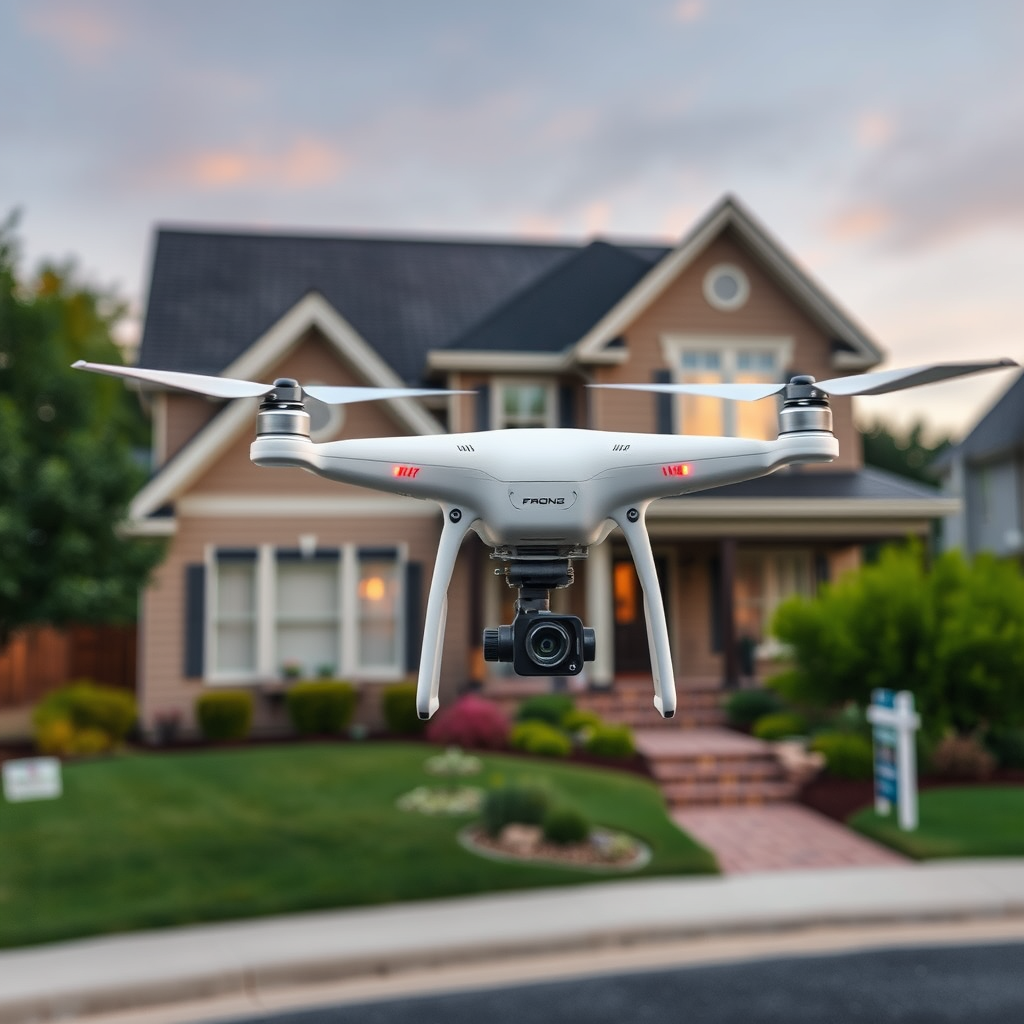
If you are dealing with a drone hovering above your land, it is important to understand what the law actually allows before taking action. A split-second decision with a firearm could create far bigger problems than the drone itself.
How Drone Laws Work in West Virginia
West Virginia follows the broader federal framework governing unmanned aerial vehicles (UAVs) and unmanned aircraft systems (UAS). The Federal Aviation Administration, or FAA, regulates the nation’s airspace, including most drone operations. Whether a drone is being used recreationally, commercially, or for photography, mapping, inspection, or delivery, the operator is generally subject to federal rules.
Key FAA drone rules typically include:
- Flying the drone within the operator’s visual line of sight
- Keeping the drone at or below 400 feet above ground level in most routine operations
- Avoiding reckless or hazardous flight
- Staying away from restricted airspace unless authorization is granted
- Complying with registration and remote identification requirements when applicable
These regulations are designed to promote airspace safety, collision avoidance, and responsible drone use. Even if a drone flies over private property, that alone does not necessarily mean the operator is violating FAA rules. However, if the drone is being flown carelessly, too low, too close to people, or in a threatening way, the operator may still be breaking federal or state law.
Do You Own the Airspace Above Your Property?
This is where many disputes begin. Property owners often assume they own everything above their land and can remove any unwanted drone from that space. Legally, the answer is more limited.
In the United States, a landowner does not own unlimited airspace above the property. Federal law gives the government authority over navigable airspace, and the FAA regulates aircraft movement within that system. That includes drones. Still, homeowners may have enforceable rights in the immediate reaches of airspace connected to the use and enjoyment of their land.
In practical terms, this means:
- You do have property rights and privacy interests related to your home and land.
- You do not automatically have the right to damage an aircraft simply because it passes overhead.
- A drone flying very low over your yard may raise issues of trespass, nuisance, harassment, or invasion of privacy.
- A drone flying lawfully in regulated airspace is generally protected, even if you do not like its presence.
The line between lawful flight and actionable intrusion can be highly fact-specific. Altitude, duration, location, camera use, noise, and the operator’s purpose all matter.
Can You Legally Shoot a Drone in West Virginia?
In most situations, shooting a drone over your property in West Virginia is not legally safe. Even if the drone is trespassing or invading your privacy, destroying it with a firearm can lead to consequences under both state and federal law.
A drone is generally treated as someone else’s property. If you shoot it down, you may face claims or charges involving:
- Criminal destruction of property
- Reckless discharge of a firearm
- Wanton endangerment
- Civil damages for the value of the drone and related losses
- Potential federal scrutiny if the act is viewed as interference with an aircraft
There is also the public safety issue. Bullets fired into the air or across a residential area create obvious risks to neighbors, vehicles, livestock, and structures. In many cases, authorities are likely to view the discharge of the firearm as more dangerous than the drone itself.
Why Federal Law Matters
The FAA considers drones to be aircraft. Because of that classification, intentionally damaging or disabling one can raise legal concerns beyond ordinary property disputes. While not every incident triggers a federal prosecution, the classification matters. A homeowner should not assume that a backyard drone dispute is just a simple trespass issue.
This is one reason attorneys often warn landowners that self-help remedies involving force are rarely the best legal option when it comes to drones.
When Might a Property Owner Claim Justification?
There are limited scenarios where a property owner may believe force was justified, but those situations are narrow and highly fact-dependent. For example, if a drone appears to pose an immediate threat to personal safety, such as dangerously approaching people, attempting to strike someone, or being used as part of a criminal act, the legal analysis can change.
Even then, the issue is not really about a general right to shoot a drone because it is over your land. It becomes a question of self-defense, defense of others, or emergency necessity. Courts will usually examine:
- Whether the threat was immediate and real
- Whether the response was proportionate
- Whether safer alternatives were available
- Whether firing a weapon created additional danger
A drone simply hovering, recording video, or passing overhead would rarely justify the use of a firearm. A property owner who acts out of frustration, anger, or suspicion rather than immediate necessity is on much weaker legal ground.
Drone Trespass vs. Privacy Invasion
Many homeowners use the word “trespassing” to describe any drone overflight. Legally, however, drone trespass is more complicated than someone physically walking onto your land. A drone can be annoying or offensive without clearly meeting the legal standard for trespass.
That does not mean you are powerless. A low-flying drone may still support claims involving:
- Invasion of privacy
- Private nuisance
- Harassment
- Peeping or unlawful surveillance, depending on the facts
- Trespass to land if the intrusion into usable airspace is substantial enough
For example, a drone repeatedly hovering outside bedroom windows, filming a fenced backyard, or following family members around the property could trigger legal concerns very different from a drone briefly crossing overhead during a lawful flight.
Camera Drones and Privacy Expectations
Consumer drones often carry HD cameras, zoom lenses, and GPS stabilization systems. That technology increases homeowner anxiety, especially in rural or suburban settings where privacy is a key part of property enjoyment. West Virginia property owners may have valid complaints if a drone is used to monitor private activity, record people without consent in sensitive contexts, or interfere with quiet enjoyment.
Still, privacy concerns should usually be documented and reported rather than handled with gunfire.
Potential Legal Consequences of Shooting a Drone
Before taking any action, it helps to understand what could happen if you shoot down a drone in West Virginia.
Criminal Charges
Depending on the circumstances, law enforcement may investigate the shooting itself rather than the drone operator. Possible charges can include:
- Unlawful or reckless discharge of a firearm
- Destruction of property
- Wanton endangerment
- Local ordinance violations related to firearm use
If the incident occurs near homes, roads, or occupied areas, the legal exposure increases significantly.
Civil Liability
The drone owner may sue for:
- Replacement cost of the drone
- Damage to onboard cameras or sensors
- Loss of business equipment if it was used commercially
- Consequential damages in some cases
If the drone crashes onto another person’s property or injures someone after being shot, your exposure could expand even further.
Insurance and Financial Risk
Many homeowners do not realize that intentionally shooting down a drone can create insurance complications. Coverage may be denied for intentional acts or firearm-related incidents. That can leave the property owner personally responsible for legal fees and damages.
What to Do Instead of Shooting a Drone
If a drone is flying over your property, there are safer and more legally defensible steps you can take.
Document the Incident
Record the date, time, location, and behavior of the drone. If possible, take photos or video from your phone. Note details such as:
- How low the drone was flying
- Whether it appeared to be recording
- How long it remained over the property
- Whether it returned repeatedly
- Any nearby operator you can identify
This evidence can be useful if you need to file a complaint or pursue legal action.
Try to Identify the Operator
In some cases, the operator is a neighbor, contractor, real estate photographer, or hobbyist nearby. A calm conversation may resolve the issue quickly, especially if the flight was careless rather than malicious.
Contact Local Law Enforcement
If the drone is behaving aggressively, invading privacy, or creating a safety risk, contact local police or the sheriff’s department. While not every agency handles drone disputes the same way, a documented complaint creates a record and may help deter repeated conduct.
Report FAA Violations
If the drone appears to be flying recklessly, near restricted airspace, or in a clearly unsafe manner, you can report the incident through FAA channels. Federal regulators may investigate repeated or serious misconduct.
Speak With a West Virginia Attorney
If the problem is ongoing, consult a lawyer familiar with aviation law, property law, or privacy litigation. An attorney can help determine whether you may have claims for trespass, nuisance, injunction, or damages.
Special Situations That Can Change the Analysis
Drone Near Livestock or Farm Property
In rural West Virginia, drones are sometimes flown over farmland, hunting property, or livestock areas. If a drone disturbs animals, interferes with agricultural operations, or creates a hazard during work activity, the property owner may have stronger grounds to complain. However, even in these situations, destroying the drone is still risky unless there is a genuine emergency.
Drone Harassment or Stalking
If a drone is being used to stalk, intimidate, or repeatedly monitor a person, the issue may go beyond aviation law and enter the realm of criminal harassment or stalking behavior. Repeated conduct matters. A pattern of targeted drone surveillance can support stronger legal intervention than a one-time overflight.
Drone Creating Immediate Physical Danger
If the drone is truly out of control or about to injure someone, emergency action may be viewed differently. But the law will still ask whether your response was reasonable under the circumstances. If possible, moving people to safety and calling law enforcement is usually the better course.
West Virginia Property Owners Should Focus on Legal Remedies
The core issue is this: being annoyed by a drone is not the same as having legal permission to shoot it. West Virginia landowners do have rights, including the right to privacy, security, and reasonable use of their property. But those rights exist alongside FAA authority, public safety rules, and protections for personal property.
If a drone is trespassing, spying, or flying dangerously, the stronger legal strategy is to document the conduct, report it, and pursue lawful remedies. Shooting first can turn a drone operator’s mistake into your legal problem.
For most homeowners, the safest answer to the question “Can you legally shoot a drone over your property in WV?” is simple: not unless an extraordinary and immediate threat leaves no reasonable alternative. In ordinary property disputes, firing at a drone is far more likely to create liability than solve the issue.
Frequently Asked Questions
Can you legally shoot a drone over your property in West Virginia?
In most cases, no. Even if a drone is flying above your property, shooting at it can create serious legal problems. Drones are generally considered aircraft under federal law, and damaging or destroying one may expose you to criminal charges, civil liability, or both. In addition, firing a gun into the air or toward a flying object can violate state and local firearm laws and create major safety risks for people, homes, vehicles, and neighboring property. If a drone is bothering you, the safer and more lawful response is to document the incident and report it to local law enforcement, the FAA, or the drone operator if you can identify them.
Do property owners in West Virginia own the airspace above their land?
Not in the way many people assume. Property owners have rights to use and enjoy their land, but navigable airspace is regulated by the federal government. That means a drone operator may have some legal right to fly in certain airspace, depending on altitude, location, and FAA rules. However, that does not give drone operators unlimited freedom to harass, spy on, or dangerously interfere with your use of your property. If a drone is hovering very low, repeatedly intruding, or recording in a way that invades privacy, the issue may involve trespass, nuisance, harassment, or privacy laws. The key point is that you usually cannot take matters into your own hands by trying to shoot the drone down.
What should you do if a drone is hovering over your house or backyard?
If a drone appears to be flying over your home or yard, start by staying calm and avoiding any attempt to damage it. If possible, take photos or video of the drone, note the time, location, how long it remained overhead, and whether it appeared to record or behave dangerously. If you can safely identify the operator nearby, a polite conversation may resolve the issue. If the drone seems to be invading your privacy, threatening safety, or repeatedly returning, contact local law enforcement. You can also file a complaint with the FAA if you believe the operator is flying recklessly or violating drone regulations. In some situations, speaking with a local attorney may help you understand whether you have civil claims related to privacy or nuisance.
Are there penalties for shooting at or destroying a drone in West Virginia?
Yes, there can be. A person who shoots at a drone may face several kinds of consequences depending on the facts. First, there may be criminal issues related to reckless discharge of a firearm, destruction of property, or endangering others. Second, the drone owner may sue for the cost of the drone, attached camera equipment, or other damages. Third, because drones fall under federal aviation rules, interfering with an aircraft can trigger additional legal scrutiny. Even if the drone was annoying or invasive, that usually does not give someone the automatic legal right to destroy it. The safer path is to use lawful reporting and enforcement channels rather than force.
Is it legal for someone to fly a drone over private property in West Virginia?
It depends on how and where the drone is being flown. Many drone flights over or near private property are legal if the operator is following FAA requirements, staying out of restricted airspace, and operating safely. But a legal flight can become unlawful if it involves reckless operation, stalking, harassment, surveillance that violates privacy laws, or interference with people on the ground. West Virginia property owners who believe a drone is crossing the line should focus on gathering evidence and reporting the conduct rather than trying to remove the drone themselves. Because these disputes can involve both federal aviation rules and state law issues, the exact answer may vary based on the drone’s altitude, behavior, and purpose.
