

Yes, shooting down drones is generally illegal and can lead to serious legal consequences. Engaging in such an act not only violates federal regulations but also poses significant risks to public safety and personal liability. In this article, we will delve into the intricate regulations governing drone usage, the potential legal repercussions of shooting down a drone, the inherent risks of taking such action, and alternative approaches to address drone-related concerns.
Understanding Drone Regulations
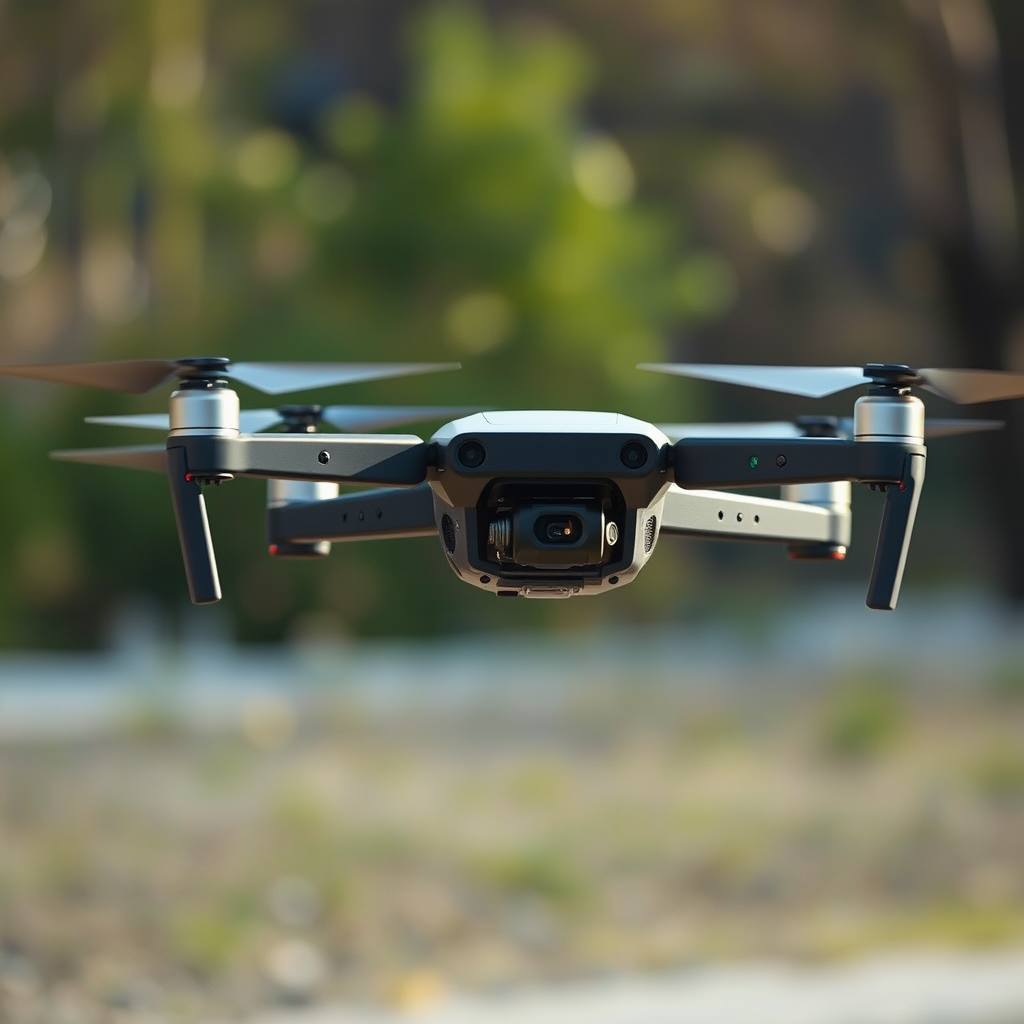
The landscape of drone regulations is shaped primarily by the Federal Aviation Administration (FAA). Under federal law, drones are classified as aircraft, which means they fall under the same regulations that govern manned aircraft. Consequently, using a firearm to shoot down a drone is considered an act against aviation safety. The FAA strictly prohibits threatening or endangering the safety of any aircraft, including unmanned aerial vehicles. Violating these regulations can lead to severe penalties, including fines and potential criminal prosecution.
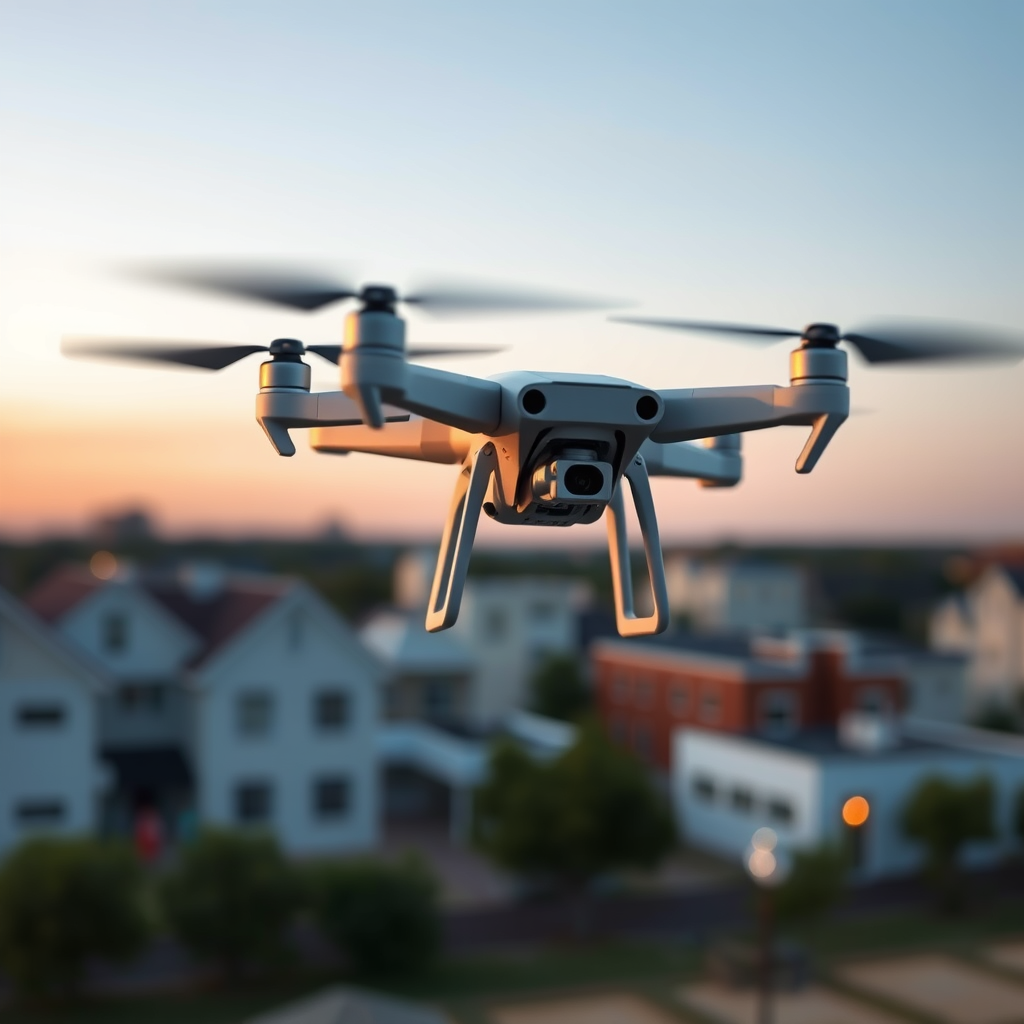
Moreover, various states and local jurisdictions have enacted laws that further restrict the use of firearms against drones. For example, some states have implemented laws that specifically prohibit the destruction of drones, considering them personal property. This means that any action taken to shoot down a drone could not only violate federal aviation laws but also state property laws, compounding the legal troubles for the individual involved.
Legal Consequences of Shooting Down Drones
The legal ramifications of shooting down a drone can be dire. Individuals who engage in such actions can face criminal charges ranging from misdemeanors to felonies, depending on the circumstances surrounding the incident. For instance, if someone intentionally shoots a drone and causes injury to a person or damages property, they could be charged with reckless endangerment or even assault.
Additionally, victims of drone shooting incidents have the right to pursue civil lawsuits for damages. These lawsuits can result in significant financial repercussions for the shooter, including compensation for damages, medical expenses, and legal fees. Given the potential for exorbitant costs and long-term legal battles, the act of shooting down a drone can quickly escalate from a momentary impulse to a protracted legal nightmare.
Risks Involved in Shooting Down Drones
Beyond the legal consequences, shooting down drones carries substantial risks. One of the most pressing concerns is the potential for accidental injury to bystanders or damage to property. A bullet fired into the air does not have a guaranteed trajectory; it could ricochet, miss its target, or cause collateral damage, leading to serious liability issues for the shooter.
Moreover, there is the risk of retaliation from drone owners. Many drone operators are passionate about their hobby or profession, and a confrontation can lead to heightened tensions. This may result in legal action against the shooter or even physical confrontation, especially if the drone owner feels their rights have been violated. Such scenarios not only escalate the situation but also place everyone involved in a precarious position.
Alternatives to Shooting Down Drones
Given the legal and safety risks associated with shooting down drones, it is vital to explore lawful alternatives. Reporting drone activity to relevant authorities, such as the FAA or local law enforcement, is one of the most effective steps individuals can take. This allows the issue to be addressed through appropriate channels, ensuring safety without resorting to illegal actions.
Additionally, individuals concerned about drone privacy or safety can consider investing in drone detection systems or anti-drone technology that complies with legal standards. These systems can help identify and monitor drone activity without infringing on the rights of drone operators. By adopting such measures, individuals can protect their privacy and safety while remaining within the boundaries of the law.
Case Studies and Legal Precedents
Several notable cases illustrate the legal ramifications of attempting to shoot down drones. In 2015, an individual in Kentucky was charged after firing a shotgun at a drone that was allegedly hovering over his property. The case garnered significant media attention and highlighted the legal complexities surrounding drone-related incidents. Ultimately, the shooter faced criminal charges and was liable for damages to the drone, which was deemed personal property.
Another case in New Jersey involved a property owner who shot down a drone that was reportedly flying over his backyard. The drone owner pursued legal action for damages, and the court ruled in favor of the drone operator, reinforcing the notion that shooting down a drone can lead to substantial legal repercussions. Such cases underscore the importance of understanding the laws governing drone usage and the potential consequences of rash decisions.
Public Sentiment and Safety Concerns
Public sentiment regarding drones is mixed, with many expressing concerns over privacy and safety. Some individuals view drones as intrusive nuisances that invade personal space, while others appreciate their utility in fields such as photography, agriculture, and delivery services. Engaging communities in discussions about drone regulations and safety can foster a better understanding of the technology and its implications.
Community engagement is essential for developing safer drone practices. Local forums, educational workshops, and outreach programs can help address concerns and promote responsible drone usage. By collaborating with drone operators, communities can create guidelines that respect individual privacy while allowing for the benefits that drone technology offers.
Future of Drone Regulations
As drone technology continues to evolve, so too do the regulations governing their use. Anticipated changes in legislation may include stricter enforcement of existing laws, new rules surrounding drone flight in urban areas, and enhanced privacy protections for citizens. Additionally, advancements in technology may lead to the development of enhanced detection systems that help authorities monitor drone activity more effectively.
The impact of technology on regulations cannot be understated. As drones become more integrated into various sectors, lawmakers will need to adapt regulations to ensure public safety while fostering innovation. This dynamic landscape will require ongoing dialogue between regulators, drone operators, and the public to establish a framework that addresses safety concerns without stifling technological progress.
In conclusion, shooting down drones is not a viable or legal option for addressing concerns. It is essential to understand the laws and risks involved and consider safer, lawful alternatives. If you encounter issues with drones, reach out to local authorities for assistance, and engage in community discussions to promote responsible drone use. By navigating the complexities of drone regulations thoughtfully, individuals can contribute to a safer environment for all.
Frequently Asked Questions
Can I legally shoot down a drone that is flying over my property?
No, you cannot legally shoot down a drone that is flying over your property in most jurisdictions. Shooting a drone may violate federal, state, or local laws, including laws regarding firearms use and airspace regulations enforced by the Federal Aviation Administration (FAA). Instead of resorting to violence, consider reporting the drone’s presence to local authorities or the FAA, who can address any privacy concerns or illegal drone operations.
What should I do if a drone is invading my privacy?
If a drone is invading your privacy, the first step is to document the situation by taking photos or videos of the drone and its flight path. Next, you can try to identify the operator and communicate your concerns directly. If the drone continues to fly over your property or if you feel threatened, report the incident to local law enforcement or the FAA, as they can investigate potential violations of privacy laws or airspace regulations.
How can I safely disable a drone without shooting it down?
Safely disabling a drone can be approached through non-destructive means, such as using a drone jamming device or a signal blocker, both of which interfere with the drone’s communication signals. However, it’s essential to note that using these devices may also be illegal in many areas. A safer alternative is to use a loud noise to distract the drone operator or to contact local authorities to handle the situation legally.
Why is shooting down a drone considered dangerous?
Shooting down a drone is considered dangerous because it poses significant risks to public safety, including the potential for injury to people on the ground or damage to property. Additionally, the drone may crash into nearby buildings, vehicles, or individuals, resulting in liability issues for the shooter. It is also illegal in many areas, leading to criminal charges and fines, which is why it’s important to seek legal avenues to address any concerns regarding unwanted drone activity.
Which laws regulate drone usage and what are the penalties for shooting one down?
Drone usage is primarily regulated by the Federal Aviation Administration (FAA) in the United States, which sets guidelines on airspace usage and drone operation. Penalties for shooting down a drone can vary by state but may include criminal charges, fines, and civil liability for damages. Additionally, violating FAA regulations can result in hefty fines and loss of the right to operate drones legally, highlighting the importance of understanding the laws surrounding drone operations before taking any action.
References
- https://www.faa.gov/uas/getting_started/what_is_ua
- https://www.nytimes.com/2020/06/09/us/drones-shooting.html
- https://www.bbc.com/news/world-us-canada-44203137
- https://www.wired.com/story/can-you-shoot-a-drone-down/
- https://www.lawfareblog.com/can-you-shoot-drone-down
- https://www.ncbi.nlm.nih.gov/pmc/articles/PMC6990511/
- https://www.justsecurity.org/45036/shooting-drones-legal-risks/
