

Yes, you can take your drone battery on the plane, but there are strict regulations and guidelines you must follow. Understanding the specific rules set by airlines and aviation authorities is essential to ensure your travel experience is smooth and compliant. This guide will explore the relevant regulations, packing tips, and what to do during security checks to help you navigate the complexities of traveling with drone batteries effectively.
Understanding Airline Regulations

Airlines have different policies regarding the transport of batteries, particularly lithium-ion batteries commonly used in drones. It is crucial to check the specific regulations of your airline before traveling. While most airlines allow lithium batteries under 100 watt-hours in carry-on luggage, some may have additional restrictions or require you to declare the batteries at check-in. For instance, airlines such as American Airlines and Delta Airlines provide detailed guidance on their websites regarding battery transport.
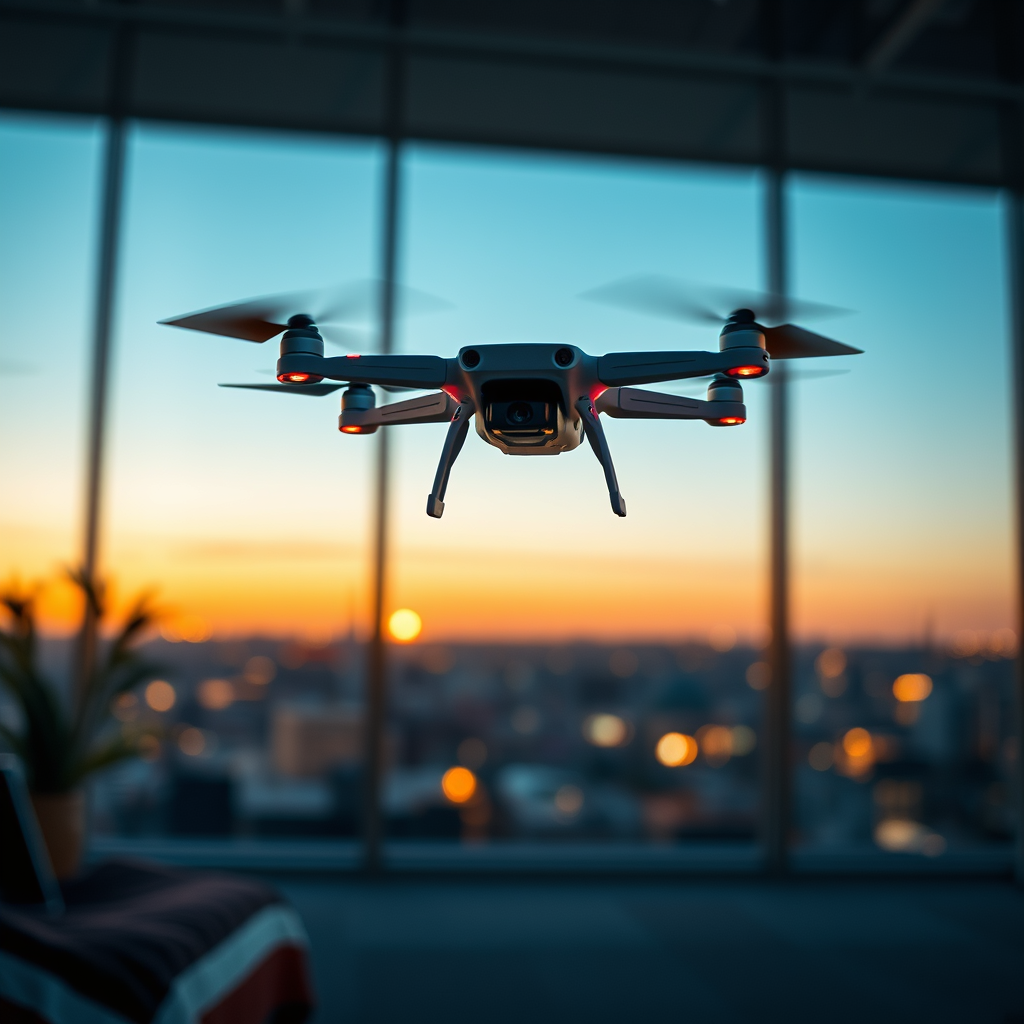
Additionally, many airlines restrict the transport of spare batteries in checked luggage due to safety concerns related to potential fire hazards. Always confirm the latest policies directly with your airline to avoid unexpected issues at the airport.
TSA Guidelines for Drone Batteries
The Transportation Security Administration (TSA) permits lithium batteries in carry-on baggage but prohibits them in checked luggage. This is primarily due to safety concerns regarding the potential for batteries to catch fire when exposed to the conditions of a cargo hold. According to TSA guidelines, batteries must be protected from short circuits, which can occur if battery terminals come into contact with metal objects.
To comply with TSA regulations, it is advisable to keep batteries in their original packaging or place them in plastic bags to mitigate the risk of short circuits. Additionally, the TSA recommends that travelers carry batteries with a watt-hour rating of less than 100 in their carry-on luggage. If your battery exceeds this limit, you may be required to seek specific approvals or leave the battery behind.
International Travel Considerations
When traveling internationally, it’s vital to be aware that different countries have varying regulations regarding drone batteries. Research your destination’s rules well in advance, as some countries may impose stricter limits on battery watt-hours than those set by the TSA or your airline. For example, countries like Australia have stringent guidelines on the transport of lithium batteries, which may include limitations on the number of batteries you can carry.
Moreover, certain regions may have specific customs regulations that require you to declare your drone and its batteries upon arrival. Familiarizing yourself with these regulations will not only save you time at the airport but also help you avoid potential fines or confiscation of your equipment.
Packing Your Drone Battery Safely
Packing your drone battery securely is vital to prevent damage during transport and ensure compliance with safety guidelines. To do this, consider using foam padding or specialized protective cases designed for drone batteries. These cases can help absorb shocks and prevent physical damage, which is especially important for lithium-ion batteries that can be sensitive to impact.
Additionally, it is recommended that you charge your batteries to a level below 30% before traveling. This not only aligns with safety recommendations but also helps to reduce the risk of overheating during transport. Some airlines and regulatory bodies may even require this practice, so it’s best to err on the side of caution.
What to Do at Security Checkpoints
At airport security checkpoints, be prepared to remove your batteries from your bag for screening. Inform TSA agents about your drone gear and its batteries to avoid any confusion. It is also wise to keep documentation of your batteries’ specifications readily available, as this may help clarify any questions that arise during the security screening process.
In some cases, TSA agents may conduct additional screening or request further information about your batteries. Having the documentation on hand can expedite this process and help you move through security more smoothly.
Potential Issues and Solutions
While most airports adhere to the TSA guidelines, some may have additional restrictions or policies regarding drone batteries. To avoid delays, it is advisable to check in advance with the specific airport you will be traveling through. This is especially important if you are connecting through multiple airports, as policies can vary significantly.
If you are traveling with multiple batteries, consider contacting your airline for specific guidance. Some airlines may have limits on the number of spare batteries you can carry, and understanding these limitations will help you plan your travel more effectively. Preparing for potential issues in advance can save you time and stress when navigating airport security.
In conclusion, while you can take your drone battery on the plane, it’s essential to adhere to regulations set by the airline and TSA. Always stay informed about both domestic and international guidelines to ensure a smooth travel experience. By following the recommendations outlined in this guide—understanding airline regulations, packing your batteries safely, and being prepared for security checkpoints—you can confidently travel with your drone equipment. Safe travels and happy flying!
Frequently Asked Questions
Can I bring my drone battery on a plane?
Yes, you can bring your drone battery on a plane, but there are specific regulations to follow. Most airlines and aviation authorities, including the FAA and IATA, allow lithium polymer (LiPo) batteries under certain conditions. Typically, batteries under 100 watt-hours can be carried in your carry-on baggage, while those between 100-300 watt-hours may require airline approval.
How should I pack my drone batteries for air travel?
To ensure safe travel with your drone batteries, it’s crucial to pack them properly. Place each battery in a fireproof bag or a dedicated battery case to minimize the risk of short-circuiting. Additionally, make sure that battery terminals are covered with insulating tape and that the batteries are at a charge level of around 30-50% to comply with airline safety regulations.
Why are there restrictions on bringing drone batteries on planes?
Restrictions on bringing drone batteries on planes are primarily due to safety concerns related to lithium batteries, which can pose a fire hazard if damaged or improperly handled. Airlines implement these regulations to minimize the risk of battery fires during flights and ensure the safety of all passengers and crew members. By adhering to these guidelines, travelers can help maintain safe air travel.
What types of drone batteries can I take on a plane?
Most airlines allow you to take lithium-ion and lithium polymer (LiPo) drone batteries on a plane, as long as they meet specific watt-hour limits. Batteries under 100 watt-hours are generally permitted in carry-on luggage, while those between 100-300 watt-hours may require prior airline approval. Always check with your airline for their specific policies regarding drone batteries before flying.
Which airlines have the most lenient policies for traveling with drone batteries?
While policies can vary, airlines like Delta, American Airlines, and Southwest are often noted for their user-friendly guidelines regarding traveling with drone batteries. However, it’s important to check each airline’s specific regulations ahead of time, as policies can change based on safety assessments and regional regulations. Always ensure your drone batteries comply with the airline and TSA requirements to avoid any issues at the airport.
References
- https://www.faa.gov/uas/getting_started/fly_for_fun#batteries
- https://www.tsa.gov/travel/security-screening/baggage/drones
- https://www.cdc.gov/nceh/airpollution/airquality/faq/drones.html
- https://www.wired.com/story/drone-batteries-airline-travel/
- https://www.nytimes.com/2022/05/04/travel/drone-battery-airline.html
- https://www.ama-assn.org/delivering-care/public-health/drone-pilot-essentials-what-you-need-know
- https://www.bbc.com/news/world-us-canada-46342804
