

Yes, you can take your drone to Europe, but there are specific regulations and restrictions that vary by country. It’s crucial to research and understand the local laws governing drone usage in each destination to ensure compliance and avoid any legal issues. With the rise in drone popularity, European nations have implemented various regulations that govern how and where drones can be operated, making it essential for travelers to be well-informed before embarking on their journey.
Understanding European Drone Regulations
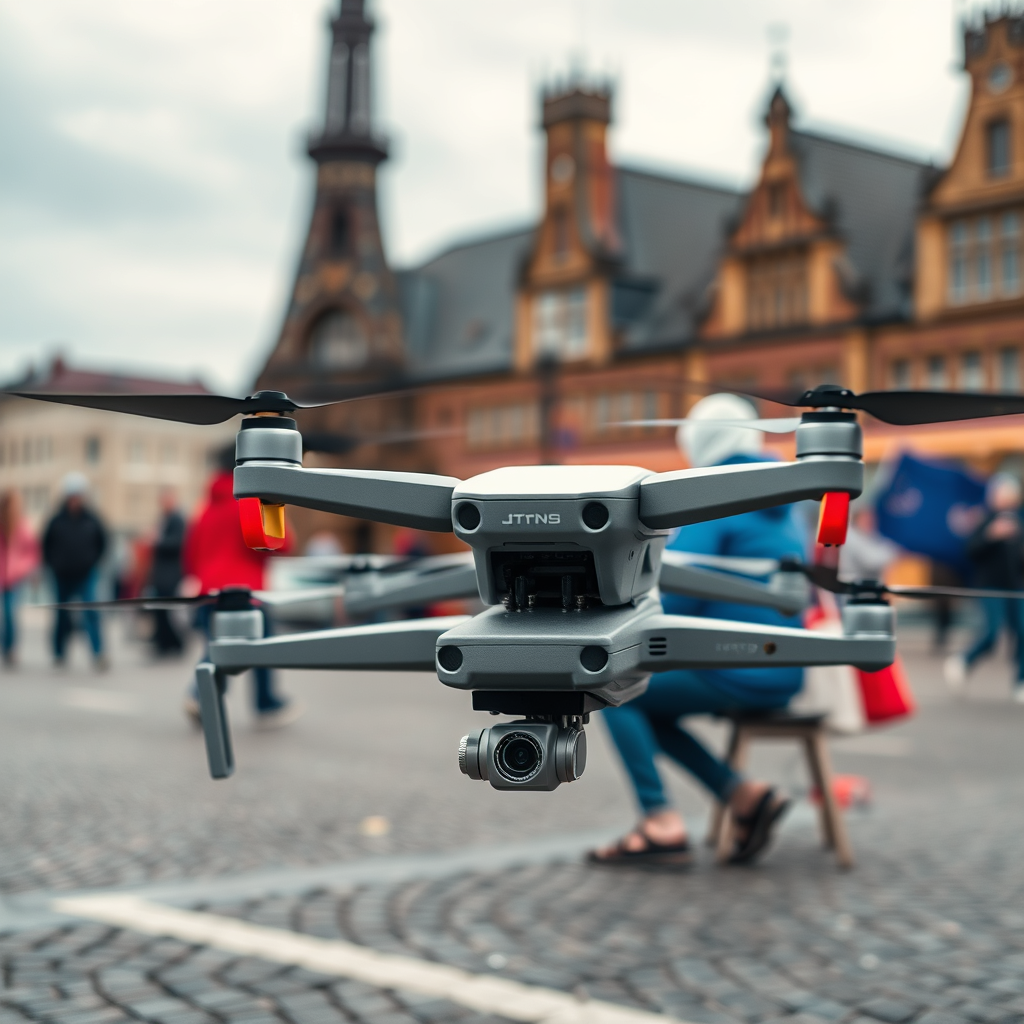
Navigating the regulatory landscape for drones in Europe can be complex, as each country has its own set of laws. The European Union Aviation Safety Agency (EASA) has introduced a framework intended to standardize drone regulations across EU member states, but local laws may vary significantly. For example, while countries like France and Germany have stringent rules regarding drone flights, others may be more lenient.
Before traveling, it’s advisable to check the specific regulations of each country on your itinerary. This includes understanding the weight classifications of drones, as these often determine the level of regulation. EASA categorizes drones into three classes: Open, Specific, and Certified, each with its own operational requirements. For instance, the Open category, which applies to low-risk operations, requires pilots to adhere to basic safety measures but does not necessitate specific licensing. Conversely, the Specific category may require a risk assessment and operational authorization.
Moreover, as of 2021, EASA regulations have set a requirement for drone operators to complete an online training course and obtain a certificate, enhancing safety and accountability across the board. It’s imperative to stay updated, as regulations may evolve.
Registering Your Drone
In many European countries, the registration of drones is mandatory if they exceed a certain weight threshold, typically around 250 grams. Registration processes can differ from one country to another; for example, in the UK, drone users must register with the Civil Aviation Authority (CAA) and obtain a Flyer ID and Operator ID, while in Spain, the AESA (Agencia Española de Seguridad Aérea) is the governing body that oversees drone registration.
When preparing for your trip, ensure you carry proof of registration and any necessary permits. It’s prudent to keep digital and physical copies of your registration documents, as authorities may request to see them during inspections. Failure to comply with registration requirements can result in hefty fines or confiscation of your drone.
Insurance Requirements
Drone insurance is another critical consideration for travelers. Some European countries mandate that drone operators carry liability insurance to cover potential damages or accidents. For example, in countries like Italy and the Netherlands, proof of insurance is often required for drone registration.
Even if it’s not legally required, obtaining insurance is highly advisable. Look for policies that specifically cover drone-related incidents and provide international coverage. Such insurance can protect you from financial loss in case of accidents involving property damage or personal injury. Before your journey, review the terms and conditions of your insurance policy to ensure it meets the legal requirements of the countries you plan to visit.
Flying Zones and Restrictions
When flying a drone in Europe, it’s essential to be aware of no-fly zones. These areas typically include airports, military installations, and national parks, where drone usage may be strictly prohibited. For example, in France, flying drones over landmarks like the Eiffel Tower is illegal, while in Germany, many city centers have restrictions to protect public safety.
Utilizing drone mapping apps, such as AirMap or DJI Fly, can provide real-time information on restricted airspace and help you identify safe flying zones. These tools often include features that highlight no-fly zones, altitude limits, and other important information, allowing you to plan your flights accordingly. Always prioritize safety and adhere to local regulations, as violations can lead to severe penalties.
Customs and Border Control
Before departing for Europe, ensure you understand the customs regulations concerning the importation of drones. Some countries may require you to declare your drone at customs, particularly if it’s valued above a certain amount. For instance, in France, travelers must declare drones that are considered professional equipment.
Additionally, ensure that your drone, batteries, and other equipment comply with airline regulations for carry-on or checked luggage. Lithium batteries, which power most drones, have specific restrictions due to their flammable nature. Familiarize yourself with the airline’s guidelines regarding battery capacity and the number of batteries allowed in your carry-on luggage to avoid any last-minute issues at the airport.
Tips for Responsible Drone Flying
Flying a drone responsibly is not only a legal obligation but also a moral one. Respecting local privacy laws is paramount; in many countries, it is illegal to capture images or videos of individuals without their consent. Always seek permission if you intend to fly over private property or residential areas.
Moreover, practicing good flying etiquette is essential. Be mindful of other people and wildlife while operating your drone; avoid flying in crowded areas to prevent accidents and disturbances. Many European parks and nature reserves have specific guidelines regarding drone usage to protect wildlife and maintain tranquility.
To further enhance your flying experience, consider engaging with local drone communities or forums. These platforms can provide valuable insights into local regulations, favorite flying spots, and tips for capturing stunning aerial photography.
In summary, while bringing a drone to Europe is feasible, it necessitates careful planning and adherence to regional regulations. Familiarizing yourself with the specific laws of each country on your itinerary will ensure a smooth and enjoyable flying experience. By prioritizing safety, respecting privacy, and staying informed about local guidelines, you can make the most of your drone adventures across Europe. Happy flying!
Frequently Asked Questions
What are the regulations for taking a drone to Europe?
When bringing a drone to Europe, it’s crucial to understand that each country may have different regulations. Generally, all European Union (EU) member states comply with the EU Drone Regulation, which requires drone operators to register their drones if they exceed 250 grams. Additionally, you must ensure compliance with local rules regarding flying zones, altitude restrictions, and no-fly zones, such as near airports or crowded areas. Always check the specific regulations of the country you plan to visit.
How do I register my drone for use in Europe?
To register your drone for use in Europe, you typically need to complete an online registration process through the aviation authority of the country you are visiting. This may involve providing your identification information, details about your drone, and possibly passing an online safety test. Once registered, you will receive a registration number that must be displayed on your drone. It’s essential to start this process before your trip to avoid any last-minute issues.
Why do I need to check local drone laws before flying in Europe?
Checking local drone laws before flying in Europe is essential because each country may have unique restrictions and requirements that could impact your ability to fly legally. Failure to comply with local regulations can result in fines, confiscation of your drone, or even legal action. Additionally, some areas may have stricter rules than others, such as national parks or urban environments, making it crucial to do your research ahead of time to ensure a safe and enjoyable flying experience.
What are the best countries in Europe for flying drones?
The best countries in Europe for flying drones often include Spain, Portugal, and the Netherlands, known for their scenic landscapes and relatively relaxed regulations. Spain offers stunning coastal views, while Portugal provides breathtaking countryside and beaches, making them popular destinations for drone enthusiasts. The Netherlands features flat landscapes and iconic windmills, ideal for aerial photography. However, always check local laws and restrictions before flying in any country.
Which drone insurance do I need to fly in Europe?
To fly in Europe, it’s advisable to obtain drone insurance that covers liability for damages to third parties and property. Some countries may require proof of insurance for drone operators, especially if your drone exceeds a certain weight or if you plan to use it for commercial purposes. Look for insurance providers that specialize in drone coverage and ensure that your policy complies with local regulations in the specific European country you are visiting.
References
- https://ec.europa.eu/transport/modes/air/rules/drone_en
- https://www.faa.gov/uas/where_to_fly/foreign_travel
- https://www.caa.co.uk/Consumers/Unmanned-aircraft/
- https://www.bbc.com/news/world-europe-45864805
- https://www.eurocontrol.int/sites/default/files/2020-12/Drone_Safety_Europe.pdf
- https://www.legislation.gov.uk/uksi/2019/1059/contents/made
- https://www.nationalgeographic.com/travel/article/europe-drone-regulations
- https://www.theguardian.com/technology/2020/jan/14/eu-drone-regulations-uk-brexit-aviation
