
Using a DJI drone to video an eclipse is indeed possible, but it requires careful planning and the right equipment. Capturing this celestial event from an aerial perspective offers a unique view, but it is essential to understand the complexities involved, including the type of eclipse, the drone model, camera settings, and safety precautions. In this article, you’ll learn about the necessary preparations, optimal settings, and safety considerations to ensure you capture stunning footage of this extraordinary natural phenomenon.
Understanding Eclipse Types and Timing

Eclipses are classified into two primary types: solar and lunar. A solar eclipse occurs when the Moon passes between the Earth and the Sun, blocking the Sun’s light either partially or completely, while a lunar eclipse happens when the Earth comes between the Sun and the Moon, causing the Earth’s shadow to fall on the Moon. Understanding the type of eclipse you intend to film is crucial, as it influences visibility and the kind of shots you can capture.
Timing is another critical factor. Eclipses do not last long; a total solar eclipse may only last a few minutes, whereas a lunar eclipse can last several hours. Therefore, it is essential to know the exact timing and duration of the eclipse in your location. Utilize reliable astronomical resources or mobile apps that provide real-time information about eclipse phases and timings to ensure you are prepared.
Choosing the Right DJI Drone Model
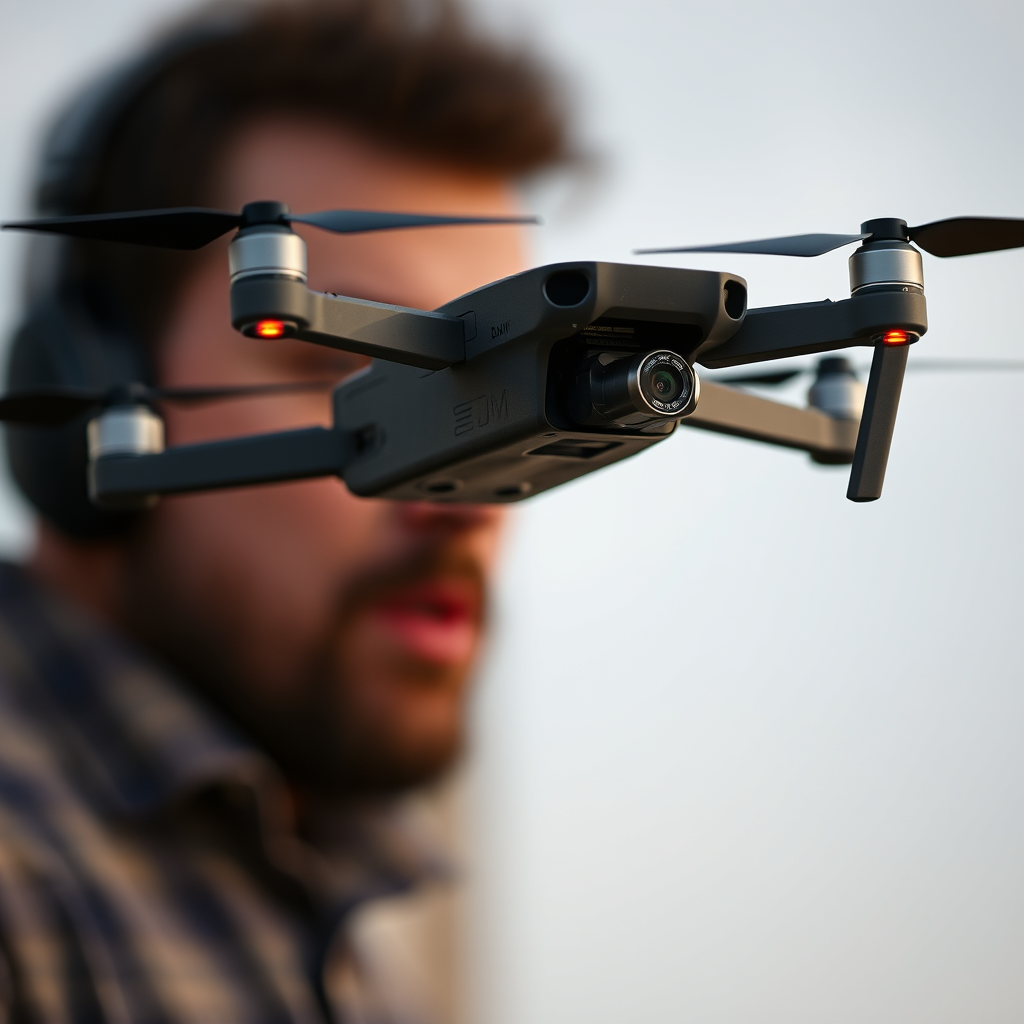
When it comes to filming an eclipse, not all drones are created equal. DJI offers a range of models that are well-suited for aerial photography, but some stand out for their advanced camera capabilities. The DJI Mavic 3, for instance, features a Hasselblad camera with a 4/3 CMOS sensor, allowing for high-resolution imaging and excellent low-light performance—ideal for capturing the intricate details of an eclipse.
Additionally, the DJI Air 2S offers a 1-inch CMOS sensor and the ability to shoot 5.4K video, making it another great option. When selecting a drone, pay close attention to the camera specifications, such as sensor size, lens aperture, and shooting modes. Features like HDR video capability and adjustable frame rates will enhance your ability to capture the eclipse effectively.
Essential Camera Settings for Eclipse Filming
Capturing an eclipse comes with unique challenges, particularly regarding exposure settings. The brightness of the Sun can damage your drone’s camera sensor if not correctly adjusted. It is advisable to use a neutral density (ND) filter, which reduces the amount of light entering the lens, allowing for safer exposure settings. For a solar eclipse, set your camera to manual mode, and consider starting with an aperture of f/8 and a shutter speed of 1/2000s, adjusting as necessary based on the phase of the eclipse.
Moreover, adjusting your frame rate and resolution is crucial for optimal video quality. A higher frame rate (such as 60 fps) will provide smoother motion during fast transitions, while a resolution of at least 4K will ensure that the final footage retains clarity and detail. Experiment with these settings during practice flights leading up to the event to find the optimal configuration for your specific drone and camera.
Safety Precautions for Flying During an Eclipse
Flying a drone during an eclipse involves specific safety precautions. First and foremost, it is essential to maintain visual line of sight while flying. This not only ensures compliance with aviation regulations but also helps you navigate safely around obstacles and other air traffic.
Be aware of other aerial activities, especially in areas where large gatherings might occur for eclipse viewing. Check for temporary flight restrictions in your area, as authorities often implement no-fly zones during significant events. Additionally, ensure your drone is equipped with the latest firmware updates and that it is in good working condition to minimize risks during the flight.
Planning Your Flight Path and Location
Selecting the right location for filming is critical to capturing an unobstructed view of the eclipse. Look for areas with minimal obstructions—such as tall buildings or trees—that might interfere with your line of sight to the sky. Ideally, choose a location that offers a clear horizon and is accessible for your equipment setup.
It is advisable to scout the area beforehand to identify potential launch points and ensure a safe and strategic flight path. Familiarize yourself with the landscape, noting any potential hazards and planning for emergency landings if necessary. Additionally, factor in the expected crowd size, as popular viewing spots may present challenges for flying.
Post-Processing Tips for Eclipse Footage
Once you have captured your eclipse footage, the next step is post-processing to enhance the final product. Start by editing your footage to improve contrast and brightness, which can significantly enhance the visibility of the eclipse phases. Utilize software like Adobe Premiere Pro or Final Cut Pro to make adjustments, and consider using color grading techniques to add depth and richness to your video.
Adding annotations or effects to explain the different phases of the eclipse can also enhance viewer engagement. Consider including a voice-over or text overlays that describe what viewers are seeing, particularly if you captured unique phenomena such as the “diamond ring” effect or Baily’s beads during a solar eclipse.
Lastly, don’t forget to share your final video on social media or platforms like YouTube to showcase your work and contribute to the collective experience of this celestial event.
The successful capture of an eclipse with a DJI drone not only requires technical knowledge but also thoughtful preparation. By following these guidelines, you can create breathtaking videos that showcase this extraordinary natural phenomenon. Make sure to plan ahead, check your equipment, and enjoy the experience of filming the eclipse!
Frequently Asked Questions
Can I use a DJI drone to video the solar eclipse safely?
Yes, you can use a DJI drone to video a solar eclipse, but safety and proper precautions are essential. Ensure that you have a compatible camera filter to protect your drone’s camera sensor from the sun’s intense rays. Additionally, always abide by local regulations regarding drone flights, especially in crowded areas, and maintain visual line of sight to avoid accidents during your flight.
What settings should I use on my DJI drone for filming an eclipse?
When filming a solar eclipse with your DJI drone, set your camera to manual mode to have full control over exposure settings. Use a low ISO (around 100), a fast shutter speed (1/500 or faster), and a small aperture (f/8 or higher) to capture the event without overexposing your footage. Also, remember to use a solar filter to prevent damage to your camera and to ensure quality video capture of the eclipse.
Why is it important to use a filter when filming the eclipse with a drone?
Using a filter when filming a solar eclipse with a drone is crucial to protect the camera sensor from the sun’s harmful rays. Direct sunlight can cause permanent damage to the sensor, resulting in unusable footage. Additionally, a solar filter helps reduce glare and allows for clearer, more vivid images, enhancing the quality of your video while capturing the eclipse.
What are the best DJI drones for capturing a solar eclipse?
The best DJI drones for capturing a solar eclipse include the DJI Mavic Air 2 and the DJI Phantom 4 Pro due to their high-quality cameras and advanced stabilization features. Both models offer excellent video resolution, allowing you to capture the eclipse in stunning detail. Additionally, these drones have long flight times and reliable connectivity, making them ideal for capturing this once-in-a-lifetime event.
How can I prepare my DJI drone for filming an eclipse?
To prepare your DJI drone for filming an eclipse, start by ensuring that your firmware and software are up to date for optimal performance. Conduct a pre-flight check to confirm that the drone is in good working order, including battery levels and camera settings. Practice flying your drone in the days leading up to the event to enhance your piloting skills, and plan your flight path in advance to avoid obstacles and ensure you capture the best angles of the eclipse.
References
- https://www.nasa.gov/solar-eclipse-2024
- https://www.timeanddate.com/eclipse/solar-eclipse-tips.html
- https://www.bbc.com/news/science-environment-33808863
- https://www.space.com/solar-eclipse-2024-guide.html
- https://www.scientificamerican.com/article/how-to-photograph-the-solar-eclipse/
- https://www.nationalgeographic.com/science/article/how-to-watch-the-solar-eclipse-safety-tips-and-tricks
- Drive – ABC listen
- https://www.skyandtelescope.org/astronomy-news/solar-eclipse-2024-guide/
- https://www.universetoday.com/144809/how-to-photograph-the-solar-eclipse/
